
Tamara Leigh
Author of Splitting Harriet
About the Author
Series
Works by Tamara Leigh
Associated Works
Tagged
Common Knowledge
- Birthdate
- 20th Century
- Gender
- female
Members
Reviews
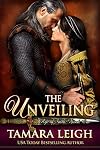
This was my first Tamara Leigh book and it was about time I picked up the first book of her famous series since so many of my favorite Bookstagrammers love the Wulfriths. The medieval time period has always been a bit of a challenge for me to get into but I found the setting here quite vivid and engrossing. The English history leading up to 1153 AD and the war between Stephen and Henry for the throne was extremely fascinating. I loved Garr Wulfrith and his glorious alpha self. His tough love show more in molding boys into respected knights, his tenderness toward his sisters and mother, his fierce loyalty to his own, and his incredible faith he lived out daily made him a swoony hero. Though not my favorite trope, Annyn disguising herself as a boy worked well to infiltrate the impenetrable Wulfrith training ground and began the unraveling of so many secrets. Annyn herself was difficult to love in the beginning but she grew on me by the end. Enemies to lovers trope was a fun one to see unfold between Annyn and Garr.
I’m looking forward to more Wulfrith family saga! show less
I’m looking forward to more Wulfrith family saga! show less
3.5 to 4 stars (rating shown may differ depending on whether site allows half star ratings).
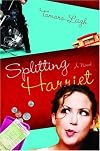
This is a charming story, but I don't quite "get" the title other than it was chosen to fit with the pattern of other titles in the series. Harri (short for Harriet) does have somewhat of a "split" in her life between her old rebel self and her current responsible self--but I'd hardly deem that splitting. Likewise the push and pull between traditional and contemporary forms of church service which can show more cause a church split doesn't seem to happen with regard to Harri in this book, though I do sympathize with her on being resistant to change (though we're not always concerned about the same things). Perhaps the title was supposed to be a play on the saying "splitting hairs", but even so, it didn't quite gel for me.
At 16, preacher's kid Harri experiences a church issue that splits the church her father pastors. Some people that she had thought were friends attacked her family. When Harri's father refuses to give up the church he feels called to, Harri starts acting out in the hopes that her parents will see how hurt she is and how much what is going on is affecting the whole family. Unfortunately, the rebellion backfires on her and she ends up going quite wild until she's found in a bar by two church members who rescue her from a bad situation there and take her "home".
Harri worries that any actions she enjoyed in her rebellious life might send her swaying back into it. She takes a part-time women's ministry position and a part-time waitressing job (where she plans to buy the business once she's saved up enough money). She lives in a trailer park the church owns which is supposed to be mainly for seniors (and apparently one set aside for guest speakers etc.). Unfortunately, this proclivity of thinking of those older than her as "safe" means that most of her programs seem more geared toward the older women in the congregation. Programs that don't seem to be helping the church to "grow".
Meanwhile, Harri's father decided to retired. He brought in a successor and worked with that man for a while, but now has decided to do missionary work to allow his successor to make changes without interference.
It seems some changes were being contemplated already--a gradual phase-out of the organ in favor of a worship band (with drums and guitars); a move to a more contemporary service/style of worship. Changes that upset some of the seniors; changes that upset Harri. For whatever reason, the new pastor decides to bring in a consultant to help grow the church.
Having gone through the decline of a number of churches in my lifetime, I sympathize with the church that is experiencing it. It seems this church has a number of things going for it--the community around it is growing so they do have people willing to come check out their church, they seem to have caught the decline early enough to be able to reverse it. In my life, all the churches that were in decline either closed or merged with another church. Nothing they tried seemed to turn around the decline.
I do like that this church was committed to keeping the Gospel message true and not diluting it or dulling it down or changing it to what people want to hear (think prosperity gospel--which is NOT what the Bible teaches). I do like that the church did try to keep its older members in mind too--warning them that changes were coming, phasing in the changes. But I also like that once they made a decision, they didn't let the naysayers sway them back.
I didn't like that so many of the changes just seemed to be sprung on the church leadership. It was hard to remember that there was a "growth committee" (that we didn't see meet-possibly because Harri wasn't a member of it) and a "church leaderhip" meeting (that we did see, because Harri as the Women's Ministry leader is part of church leadership). So the changes the vision committee voted on seemed sort of "sprung" on the church leadership without any previous discussion. (Either that or Harri was closing her ears to things she didn't want to hear.)
I've also experienced the resistance to change--both in myself and in others. I do agree that at times having one traditional service and one contemporary service does tend to separate the congregation into those that attend each one--kind of like having two different churches within the same building. I see value in both types of worship music. I like the messages that the old hymns impart, but I also like the more upbeat style of contemporary. Sometimes there is a way to take the older message and update the tune--which is one way to blend the two. Other times there can be a mix of older hymns and newer worship songs with a similar theme uniting the two.
I like that Harri tried to keep herself away from things that she felt might tempt her back to an ungodly life. I do think she went a bit overboard on it at times--not trusting herself or God that she's changed or that God can keep her on the path that He wants her on.
I do think it was a good idea for Maddox to push Harriet to open up the women's ministry in a way to bring in more age groups. The movie idea contrasting a classic with a remake sounded fun (if long) and the door prize idea probably did help to bring women in for the first time. I also liked the idea of opening the quilting group up to other crafts (they chose scrapbooking--one I dearly love).
I admired Gloria's sticking to her agreement with Harri rather than taking the higher amount that the church offered. I also liked that someone (not sure who) orchestrated a trade in properties so that the seniors wouldn't have to worry about their homes being taken away by the church again--at least not in the near future once Harri released Gloria from their verbal agreement. I didn't like that Harri viewed it all as a sacrifice on her own part--a sacrifice for the good of others. I get the disappointment of a dream going off track, but the word sacrifice seemed a bit too harsh for me in this context. show less
This is a charming story, but I don't quite "get" the title other than it was chosen to fit with the pattern of other titles in the series. Harri (short for Harriet) does have somewhat of a "split" in her life between her old rebel self and her current responsible self--but I'd hardly deem that splitting. Likewise the push and pull between traditional and contemporary forms of church service which can show more cause a church split doesn't seem to happen with regard to Harri in this book, though I do sympathize with her on being resistant to change (though we're not always concerned about the same things). Perhaps the title was supposed to be a play on the saying "splitting hairs", but even so, it didn't quite gel for me.
At 16, preacher's kid Harri experiences a church issue that splits the church her father pastors. Some people that she had thought were friends attacked her family. When Harri's father refuses to give up the church he feels called to, Harri starts acting out in the hopes that her parents will see how hurt she is and how much what is going on is affecting the whole family. Unfortunately, the rebellion backfires on her and she ends up going quite wild until she's found in a bar by two church members who rescue her from a bad situation there and take her "home".
Harri worries that any actions she enjoyed in her rebellious life might send her swaying back into it. She takes a part-time women's ministry position and a part-time waitressing job (where she plans to buy the business once she's saved up enough money). She lives in a trailer park the church owns which is supposed to be mainly for seniors (and apparently one set aside for guest speakers etc.). Unfortunately, this proclivity of thinking of those older than her as "safe" means that most of her programs seem more geared toward the older women in the congregation. Programs that don't seem to be helping the church to "grow".
Meanwhile, Harri's father decided to retired. He brought in a successor and worked with that man for a while, but now has decided to do missionary work to allow his successor to make changes without interference.
It seems some changes were being contemplated already--a gradual phase-out of the organ in favor of a worship band (with drums and guitars); a move to a more contemporary service/style of worship. Changes that upset some of the seniors; changes that upset Harri. For whatever reason, the new pastor decides to bring in a consultant to help grow the church.
Having gone through the decline of a number of churches in my lifetime, I sympathize with the church that is experiencing it. It seems this church has a number of things going for it--the community around it is growing so they do have people willing to come check out their church, they seem to have caught the decline early enough to be able to reverse it. In my life, all the churches that were in decline either closed or merged with another church. Nothing they tried seemed to turn around the decline.
I do like that this church was committed to keeping the Gospel message true and not diluting it or dulling it down or changing it to what people want to hear (think prosperity gospel--which is NOT what the Bible teaches). I do like that the church did try to keep its older members in mind too--warning them that changes were coming, phasing in the changes. But I also like that once they made a decision, they didn't let the naysayers sway them back.
I didn't like that so many of the changes just seemed to be sprung on the church leadership. It was hard to remember that there was a "growth committee" (that we didn't see meet-possibly because Harri wasn't a member of it) and a "church leaderhip" meeting (that we did see, because Harri as the Women's Ministry leader is part of church leadership). So the changes the vision committee voted on seemed sort of "sprung" on the church leadership without any previous discussion. (Either that or Harri was closing her ears to things she didn't want to hear.)
I've also experienced the resistance to change--both in myself and in others. I do agree that at times having one traditional service and one contemporary service does tend to separate the congregation into those that attend each one--kind of like having two different churches within the same building. I see value in both types of worship music. I like the messages that the old hymns impart, but I also like the more upbeat style of contemporary. Sometimes there is a way to take the older message and update the tune--which is one way to blend the two. Other times there can be a mix of older hymns and newer worship songs with a similar theme uniting the two.
I like that Harri tried to keep herself away from things that she felt might tempt her back to an ungodly life. I do think she went a bit overboard on it at times--not trusting herself or God that she's changed or that God can keep her on the path that He wants her on.
I do think it was a good idea for Maddox to push Harriet to open up the women's ministry in a way to bring in more age groups. The movie idea contrasting a classic with a remake sounded fun (if long) and the door prize idea probably did help to bring women in for the first time. I also liked the idea of opening the quilting group up to other crafts (they chose scrapbooking--one I dearly love).
I admired Gloria's sticking to her agreement with Harri rather than taking the higher amount that the church offered. I also liked that someone (not sure who) orchestrated a trade in properties so that the seniors wouldn't have to worry about their homes being taken away by the church again--at least not in the near future once Harri released Gloria from their verbal agreement. I didn't like that Harri viewed it all as a sacrifice on her own part--a sacrifice for the good of others. I get the disappointment of a dream going off track, but the word sacrifice seemed a bit too harsh for me in this context. show less

Maizy Grace is a nominal Christian* who needs to find a second job to support herself. She decides to apply at a Christian magazine, and like all savvy job seekers, tries her best to "look the part." For her, that means dressing how what she thinks a Christian dresses, saying what she thinks they say, and even sporting a "Jesus is my Copilot" bumper sticker - taped on for easy removal should she not get the job.
*Nominal Christian — Christian-speak for self-identified Christian who show more considers themselves "spiritual", but rarely steps foot in church. Synonym: unchurched.
Grace's journey is about rediscovering her faith—through the help of a pretty great romantic hero—and accepting that no one is perfect, but that's ok.
If you've never read a Christian romance before, this is the place to start. There is no doubt that it fits into the genre, but Ms. Leigh presents a believable and incredibly charming heroine in a very compassionate way that doesn't judge her for the path she's traveled. show less
*Nominal Christian — Christian-speak for self-identified Christian who show more considers themselves "spiritual", but rarely steps foot in church. Synonym: unchurched.
Grace's journey is about rediscovering her faith—through the help of a pretty great romantic hero—and accepting that no one is perfect, but that's ok.
If you've never read a Christian romance before, this is the place to start. There is no doubt that it fits into the genre, but Ms. Leigh presents a believable and incredibly charming heroine in a very compassionate way that doesn't judge her for the path she's traveled. show less

Before I even started this book, I knew the main character was going to be very unique, but I was not prepared for just how different she would be. First off, she had dreadlocks (not that they're bad, just not all that common). Then, she's so nature-loving she stops a woman in the middle of the road and yells at her for throwing her gum out of her window. But furthermore, when Bridget gets home (with no shoes because she likes being barefoot) she has an opossum. As a pet. So needless to say, show more the main character of this book is quite something. Bridget's personality though, is what made me like this book so much. It was really sad how she was still trying to recover from her husband's death when he's been gone for four years, but I loved how her whole dysfunctional family was trying to help her get over it. J.C. was another character I loved because even though he was this rich businessman, he still cares about people and the environment and his past isn't so perfect either. There were many funny moments and sad moments in this book, but there were also few moments where it was a bit boring. Other than those boring times, this book was very entertaining to read. I didn't read the first two books in this series (it's not necessary to) but after reading this, I wouldn't be surprised if I picked one of them up in the future. So overall this was a fun read with a nice southern twist to it. show less
Awards


You May Also Like


Associated Authors
Statistics
- Works
- 44
- Also by
- 1
- Members
- 1,291
- Popularity
- #19,873
- Rating
- 3.7
- Reviews
- 68
- ISBNs
- 77
- Languages
- 2
- Favorited
- 2

