
Giovanna Magi
Author of Israel
About the Author
Series
Works by Giovanna Magi
Gods And Pharaohs of Ancient Egypt: Mysteries Tales Legends (Ancient Egypt--History) (2004) 11 copies
Maldives 3 copies
El sur de Marruecos 2 copies
Parigi 2000 1 copy
Golden Book of Mallorca 1 copy
"Athens" 1 copy
Tutta Verona. 85 fotocolor 1 copy
Madeira 1 copy
Весь Париж 1 copy
Associated Works
Tagged
Common Knowledge
- Canonical name
- Magi, Giovanna
- Legal name
- Magi Bonechi, Giovanna
- Birthdate
- 1948
- Gender
- female
- Occupations
- travel guide writer
- Organizations
- Bonechi (uitgeverij)
- Relationships
- Magi, Piero (father)
- Short biography
- Giovanna Magi (Arezzo, 1948) mentre sta ancora frequentando la facoltà di Lettere e Filosofia a Firenze, entra in quella che negli anni ’70 era ancora una
piccola società, la Casa Editrice Bonechi, dove inizia a lavorare correggendo bozze. Figlia d’arte (il padre Piero Magi era un noto scrittore e giornalista, Direttore tra l’altro del quotidiano fiorentino “La Nazione”), Giovanna Magi non trova difficoltà nel crescere professionalmente: in breve diventa redattore, poi capo-redattore e infine Socio e Dirigente. Nell’azienda, oggi ricopre la carica di
Direttore Editoriale e il suo impegno è rivolto essenzialmente al settore turistico, con la progettazione e la realizzazione del catalogo editoriale ricco oggi di oltre 2000 titoli, dedicati a 32 tra Paesi e città del mondo e pubblicati in
25 lingue, comprese le lingue asiatiche. Leader mondiale del settore dell’editoria turistica, con uffici di rappresentanza a Parigi e al Cairo, la casa editrice Bonechi può contare sulla competenza e sulla professionalità di una manager che non ha rinunciato, nonostante gli impegni di gestione aziendale, ad esporsi in prima persona anche come autrice di volumi di arte e turismo. Da giornalista pubblicista, Giovanna Magi è Direttore Responsabile dei fascicoli settimanali che la Casa Editrice Bonechi pubblica sulla Enciclopedia dei Comuni d’Italia ed è anche Direttore Responsabile di “AiddaNews”, organo ufficiale della Associazione Imprenditrici Donne Dirigenti d’Azienda di cui è stata per tre anni Vice Presidente Nazionale. C.S. - Nationality
- Italy
- Birthplace
- Arezzo, Italy
- Places of residence
- Florence, Italy
- Associated Place (for map)
- Italy
Members
Reviews
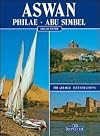
This is basically a collection of picture postcards as a souvenir of the upper Nile area in the area around Aswan. As such, it's interesting and the photographs are great. ther is a little bit of context there but not much and I really missed the presence of a decent locality map. Hart to figure out how each temple related to others or to the Nile as a whole. Though I did appreciate the map of the Aswan dams. And I did like the reproductions of David Robert's lithographs made around 1838-39. show more It puts into some perspective how the passage of time had reduced most of these wonderful temples and monuments to sand-filled ruins...but still with incredible sculptures emerging from the sands.
All of this territory is in the upper part of the Nile ...a long way from Cairo. (About 900km). And many of the temples described here would have been inundated by the Aswan high dam except they were rescued by a UNESCO programme; carefully cut into sections by Italian engineers and transported to selected sites above the dame levels where they were re-assembled. I won't comment here on the process because it is much better covered in the book "Abu Simbel: Aswan and the Nubian Temples" published by the American University in Cairo Press. And I have reviewed this elsewhere.
I was intrigued by the unfinished Obelisk that is some 41 m long and weighed-in over 1200 tonnes. It was never finished ....maybe because of some flaws in the rock but I would have thought that these would have been discovered fairly early in the shaping of the rock so maybe it was political or the sheer technical difficulties involved in moving and raising such a huge block of stone, that meant it was left in-situ.
But I also found myself intrigued by the strange mixture of a temple being raised to honour a god or gods of the Egyptians that was also so transparently a triumphal monument to the particular pharaoh who commissioned it. So it was clearly to serve a dual duty: a monument to the pharaoh and a reminder to the "common-folk" that the gods were "smiling" on this particular Pharaoh. I guess this was especially helpful in keeping the "Common-folk" in their place.
A number of the temples and tombs used the native rock as the base material......simply carving away and tunnelling directly into the rock to produce the final results. But all with amazing carved and painted decoration. Some of the colours still remaining today after thousands of years. (The Temple of Abu Simbel was built around 1300 BCE). Some of the relief sculpture is lively work though the sculptors were struggling a little with the legs and feet of the large monuments;,,,,they are decidedly on the chunky side though this has the advantage of stability and longevity compared with trying to make the legs slider and more lifelike.
A nice little souvenir book. I give it four stars. show less
All of this territory is in the upper part of the Nile ...a long way from Cairo. (About 900km). And many of the temples described here would have been inundated by the Aswan high dam except they were rescued by a UNESCO programme; carefully cut into sections by Italian engineers and transported to selected sites above the dame levels where they were re-assembled. I won't comment here on the process because it is much better covered in the book "Abu Simbel: Aswan and the Nubian Temples" published by the American University in Cairo Press. And I have reviewed this elsewhere.
I was intrigued by the unfinished Obelisk that is some 41 m long and weighed-in over 1200 tonnes. It was never finished ....maybe because of some flaws in the rock but I would have thought that these would have been discovered fairly early in the shaping of the rock so maybe it was political or the sheer technical difficulties involved in moving and raising such a huge block of stone, that meant it was left in-situ.
But I also found myself intrigued by the strange mixture of a temple being raised to honour a god or gods of the Egyptians that was also so transparently a triumphal monument to the particular pharaoh who commissioned it. So it was clearly to serve a dual duty: a monument to the pharaoh and a reminder to the "common-folk" that the gods were "smiling" on this particular Pharaoh. I guess this was especially helpful in keeping the "Common-folk" in their place.
A number of the temples and tombs used the native rock as the base material......simply carving away and tunnelling directly into the rock to produce the final results. But all with amazing carved and painted decoration. Some of the colours still remaining today after thousands of years. (The Temple of Abu Simbel was built around 1300 BCE). Some of the relief sculpture is lively work though the sculptors were struggling a little with the legs and feet of the large monuments;,,,,they are decidedly on the chunky side though this has the advantage of stability and longevity compared with trying to make the legs slider and more lifelike.
A nice little souvenir book. I give it four stars. show less
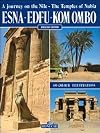
This is the second in a series about the attractions of the Nile Valley which I've recently read. This follows the same format with lots of lovely photographs (replacing the need for post cards as souvenirs) and limited text. But enough to give one the context and gist of what the various Tombs, Temples and monuments were originally designed for. It even has a couple of lovely images of the David Roberts paintings/Lithographs made around 1839. (And a book of his work has been on my wish list show more for a long while). I found it fascinating to compare the Roberts paintings of buildings nearly filled to the brim with sand with the current excavated buildings. The scale is hard to appreciate when they are filled with sand and the grandeur and height of many of the buildings can only be appreciated with the excavated works.
This book, at least has a decent map to help the reader locate the various buildings, temples and tombs along the Nile. I can also seed how the Nile itself provided protection. It would have been very difficult to invade the stretch of the Nile overland through the desert. the only practicable way would have been along the Nile and that would have provided ample opportunity for defence. The book covers the cities of Esna, Edfu, Kom Ombo over about 200km of the Nile Valley and the tombs known as the Nubian Tombs.
There are also a few photos of the modern setting with ordinary people going about their business and I found this quite interesting. There 's enough information here to give you the context of the various buildings but not really enough to satisfy a historian or archeologist. The sheer scale of many of these building is quite awe inspiring and one has to give credit to the organisers/architects and engineers who were able to muster the resources to build these great structures....abour 2000 years ago. (It seems much of the construction work was done about 2000 years ago in the Ptolemaic era ...stretching into the Roman era). Four stars from me. Not a great book but achieves what it sets out to do, show less
This book, at least has a decent map to help the reader locate the various buildings, temples and tombs along the Nile. I can also seed how the Nile itself provided protection. It would have been very difficult to invade the stretch of the Nile overland through the desert. the only practicable way would have been along the Nile and that would have provided ample opportunity for defence. The book covers the cities of Esna, Edfu, Kom Ombo over about 200km of the Nile Valley and the tombs known as the Nubian Tombs.
There are also a few photos of the modern setting with ordinary people going about their business and I found this quite interesting. There 's enough information here to give you the context of the various buildings but not really enough to satisfy a historian or archeologist. The sheer scale of many of these building is quite awe inspiring and one has to give credit to the organisers/architects and engineers who were able to muster the resources to build these great structures....abour 2000 years ago. (It seems much of the construction work was done about 2000 years ago in the Ptolemaic era ...stretching into the Roman era). Four stars from me. Not a great book but achieves what it sets out to do, show less
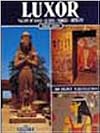
This book replaces the usual swag of postcards that one might buy when visiting a famous tourist spot like Luxor. But they have also managed to include quite a bit of additional information.........mostly about the historical context of the various temples and tombs. Because the book covers the Valley of the kings and the Valley of the queens, a considerable portion of the book is devoted to the tombs of long departed Pharaohs and their consorts. I must confess that the lack of a decent show more location map made it difficult for me to figure out the location of the Valley of the kings in relation to Luxor. (It's quite close but on the Western Bank of the Nile and outside of the irrigated "green" area.
This particular book covers mainly the area around Luxor but include: The colossi of Memnon, The Ramesseum (which was really the huge funerary temple that Ramses II had built on the Western Bank. And, as previously mentioned, it includes the Valley of the kings and that of the Queens, and a Valley for the Nobles and another for the Artisans. It kind of intrigued me that the poor artisans were putting so much work into the tombs of the Pharaohs and I wondered what happed to the artisans in the after life without the ships and slaves and gold to help them on their way. But apparently, even the artisans seemed to get a reasonably decent "send-off"....according to their means. But they were certainly not anything like the lavish arrangements for the wealthy and powerful.
Lots of good pictures taken of the exteriors and interiors of the various tombs....... some of them still showing the delicate colouring from 3,300 years ago. (Which I find astonishing but I guess the dry desert air helps ...and, in many cases they were actually buried in the dry sand. Probably not really enough information here to satisfy an archeologist of historian but enough to satisfy me. Though I would have liked a few maps that showed the relationships to the rest of Egypt. Four stars from me. show less
This particular book covers mainly the area around Luxor but include: The colossi of Memnon, The Ramesseum (which was really the huge funerary temple that Ramses II had built on the Western Bank. And, as previously mentioned, it includes the Valley of the kings and that of the Queens, and a Valley for the Nobles and another for the Artisans. It kind of intrigued me that the poor artisans were putting so much work into the tombs of the Pharaohs and I wondered what happed to the artisans in the after life without the ships and slaves and gold to help them on their way. But apparently, even the artisans seemed to get a reasonably decent "send-off"....according to their means. But they were certainly not anything like the lavish arrangements for the wealthy and powerful.
Lots of good pictures taken of the exteriors and interiors of the various tombs....... some of them still showing the delicate colouring from 3,300 years ago. (Which I find astonishing but I guess the dry desert air helps ...and, in many cases they were actually buried in the dry sand. Probably not really enough information here to satisfy an archeologist of historian but enough to satisfy me. Though I would have liked a few maps that showed the relationships to the rest of Egypt. Four stars from me. show less
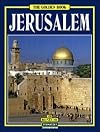
Excellent book with clear and precise photographs showing many of the historical and interesting tourist attractions in Jerusalem. Great memento from my trip to this amazing city; brings back lots of memories.
You May Also Like


Associated Authors
Statistics
- Works
- 81
- Also by
- 1
- Members
- 1,267
- Popularity
- #20,252
- Rating
- 3.4
- Reviews
- 11
- ISBNs
- 141
- Languages
- 8