
Rona Munro
Author of Doctor Who: Survival
Works by Rona Munro
James III: The True Mirror 1 copy
Associated Works
Tagged
Common Knowledge
- Birthdate
- 1959-09-07
- Gender
- female
- Nationality
- UK
- Birthplace
- Aberdeen, Aberdeenshire, Scotland
- Associated Place (for map)
- Aberdeen, Aberdeenshire, Scotland
Members
Reviews
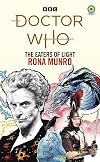
A pleasant surprise. The TV episode struck me as being an uncomfortable marriage of tones, and a little too abruptly resolved to have room for a big scene at the end in the TARDIS that wasn't in the original script. All of that is gone in the novel; the story gets far more breathing space, creating a real atmosphere. Some of Munro's prose can be a little overzealous (the Doctor's words "burst from his mouth," apparently), and I think it's fair to assume she doesn't find the traditional Who show more setup very interesting. Once the story gets going, though, it pulls you right along, especially in the excellent new middle section that contrasts the experiences of the Pict and Roman characters. The end of the book even achieves an elegiac tone - very rare for what is basically mid-grade genre fiction. show less
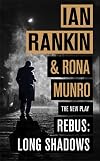
I began 2019 hoping to fill in the gaps of a few crime series that I only started reading when the series were already a few books old. Among those was Ian Rankin’s John Rebus books, one of my favorite series of them all. As a result, the last two Rebus books I’ve read are 1987’s Knots and Crosses, which was the very first Rebus book, and 2019’s Rebus: Long Shadows, a brand new stage play featuring Rebus. In the first, Rebus was introduced as a 41-year-old cop; in the play, he is a show more retired cop in such poor physical condition that stairs are a challenge and he is as likely to fly as engage a suspect in a foot-chase. The good news is that Rebus is still Rebus; the bad news is that Rebus has a past that is catching up with him.
John Rebus allows his past to haunt him. He doesn’t spend any time thinking about his successes, all those bad guys he and his fellow cops have taken off the streets in the last three decades. Instead, he thinks about the ones who got away – and the young women they raped and murdered. He sees these women in his dreams, and he has long conversations with them in his head. Rebus knows, too, that time is running out for him. If he is ever to put away his longtime nemesis “Big Ger” Cafferty, a crime boss he’s been chasing for twenty-five years, he is going to have to do it soon. The irony is that, of all the people in the world, “Big Ger” is perhaps the one who understands John Rebus best; their shared past forever binds them. They may not be friends, but they are much more than just enemies on different sides of the law.
And then one night, Rebus comes across a young woman on the stairs waiting for one of his apartment neighbors to come home. He doesn’t know her, but he remembers her mother, the victim of one of those unsolved murder cases that he thinks about so often. Determined to finally find the woman’s killer, Rebus begins to ask questions, questions that will lead to yet another confrontation with “Big Ger,” a conversation with the power to ruin the career of the only real friend he still has, DI Siobham Clarke.
In his introduction to Rebus: Long Shadows, Ian Rankin tells us that the play is set in “a parallel world that is almost identical,” one in which Rankin and co-author Rona Munro “have played with elements of Rebus’s history – and Cafferty’s – to make for an engrossing two hours of theatre.” The differences, whatever they may be, are subtle enough that most readers are unlikely to be troubled by them, if they notice them at all.
Bottom Line: Rebus: Long Shadows works surprisingly well and manages to add another complex chapter to the John Rebus story within the concise parameters of a stage play. In the play, Rebus reveals just what a complicated and driven man he is today, and that he is still capable of out-maneuvering those who think they finally have him where they want him. This is a worthy addition to the John Rebus series and should be read as such. As Rankin says, “In Edinburgh, that most special of cities, Rebus knows the dead don’t always rest quietly, while the living remain troubled and – just occasionally – deadly dangerous.” Unemployed or not, John Rebus is far from done. show less
John Rebus allows his past to haunt him. He doesn’t spend any time thinking about his successes, all those bad guys he and his fellow cops have taken off the streets in the last three decades. Instead, he thinks about the ones who got away – and the young women they raped and murdered. He sees these women in his dreams, and he has long conversations with them in his head. Rebus knows, too, that time is running out for him. If he is ever to put away his longtime nemesis “Big Ger” Cafferty, a crime boss he’s been chasing for twenty-five years, he is going to have to do it soon. The irony is that, of all the people in the world, “Big Ger” is perhaps the one who understands John Rebus best; their shared past forever binds them. They may not be friends, but they are much more than just enemies on different sides of the law.
And then one night, Rebus comes across a young woman on the stairs waiting for one of his apartment neighbors to come home. He doesn’t know her, but he remembers her mother, the victim of one of those unsolved murder cases that he thinks about so often. Determined to finally find the woman’s killer, Rebus begins to ask questions, questions that will lead to yet another confrontation with “Big Ger,” a conversation with the power to ruin the career of the only real friend he still has, DI Siobham Clarke.
In his introduction to Rebus: Long Shadows, Ian Rankin tells us that the play is set in “a parallel world that is almost identical,” one in which Rankin and co-author Rona Munro “have played with elements of Rebus’s history – and Cafferty’s – to make for an engrossing two hours of theatre.” The differences, whatever they may be, are subtle enough that most readers are unlikely to be troubled by them, if they notice them at all.
Bottom Line: Rebus: Long Shadows works surprisingly well and manages to add another complex chapter to the John Rebus story within the concise parameters of a stage play. In the play, Rebus reveals just what a complicated and driven man he is today, and that he is still capable of out-maneuvering those who think they finally have him where they want him. This is a worthy addition to the John Rebus series and should be read as such. As Rankin says, “In Edinburgh, that most special of cities, Rebus knows the dead don’t always rest quietly, while the living remain troubled and – just occasionally – deadly dangerous.” Unemployed or not, John Rebus is far from done. show less
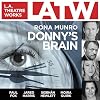
I downloaded Donny’s Brain during the Audiobook Sync promotion and finally got a chance to listen to it! I feel like the LA Theatre Works audiobooks are very much hit-or-miss for me. Obviously, I would prefer to actually watch the play and think that some are more suited than others for audiobooks, but this one worked fairly nicely as an audiobook!
Basically, Donny has been in a car accident and has brain damage. His memory has been set back some years, so he remembers loving and being show more married to a woman who is now his ex-wife, and can’t remember his current wife at all. And I thought some past situations I had involving exes were awkward —
This play revolves around relationships and basically how hard it is to communicate and be in a relationship. Sometimes, we guess at what people are intending when it’s not really what they mean to say or do, and sometimes we completely misremember events to make us out to be better than we actually are/were in the situation. This play goes into all of these things and involves some really interesting aspects of people not really remembering what went wrong, what went right, or what even happened. There’s even an ironic aspect of maybe the guy with brain damage remembers the most clearly, after all. It’s short, sweet, and drives the point home that when relationships don’t work out, it’s most likely the fault of both parties in some way or another.
Overall, this listening experience was enjoyable. The actors did a lovely job and having it be full cast really helped me follow the story. If you have an hour and a half to spare, I think this is worth your time.
Originally posted on Going on to the Next. show less
Basically, Donny has been in a car accident and has brain damage. His memory has been set back some years, so he remembers loving and being show more married to a woman who is now his ex-wife, and can’t remember his current wife at all. And I thought some past situations I had involving exes were awkward —
This play revolves around relationships and basically how hard it is to communicate and be in a relationship. Sometimes, we guess at what people are intending when it’s not really what they mean to say or do, and sometimes we completely misremember events to make us out to be better than we actually are/were in the situation. This play goes into all of these things and involves some really interesting aspects of people not really remembering what went wrong, what went right, or what even happened. There’s even an ironic aspect of maybe the guy with brain damage remembers the most clearly, after all. It’s short, sweet, and drives the point home that when relationships don’t work out, it’s most likely the fault of both parties in some way or another.
Overall, this listening experience was enjoyable. The actors did a lovely job and having it be full cast really helped me follow the story. If you have an hour and a half to spare, I think this is worth your time.
Originally posted on Going on to the Next. show less
https://fromtheheartofeurope.eu/doctor-who-the-eaters-of-light-by-rona-munro/
Rona Munro is the only person to have written stories for both Old Who and New Who, having scripted the very last Seventh Doctor story before the cancellation, and then this story for the last Peter Capaldi season. I also saw one of her other plays at the Web Theatre in Newtownards in 2013, a single-actor piece with the only member of the cast playing three parts. I can’t remember the name of the piece, but show more research suggests it may have been “Women Behaving Madly”.
The Eaters of Light is a rare Doctor Who story set in Scotland (though filmed of course ni Wales) – especially considering that Capaldi and Moffatt are both Scottish, it’s a little surprising that they did not go there more often. It’s less surprising that they got a Scottish writer of the calibre of Munro to take them there. I rewatched the story before reading the new novelisation, and as I had expected, I enjoyed it a lot. (Here’s the BBC page if you want to refresh yourself quickly.)
The Twelfth Doctor, Bill and Nardole arrive in Scotland and decide to investigate the disappearance of the Ninth Legion. They travel back to the first century AD and get involved in the local conflict between Picts and Romans, but manage to persuade both to unite in the face of a Cthulhoid alien enemy attempting to breach the boundaries of the universe. It’s a very simple plot, but it’s very nicely done, with some nice reveals when, for instance, Bill becomes aware of the TARDIS translation circuits, or the two factions realise just how young each other are. At the end of the episode there’s a coda with Missy being released from imprisonment by the Doctor. Season Thirteen is my favourite of the Capaldi seasons and this story is one of the reasons why.
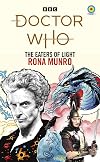
The novelisation of the story, also by Rona Munro, was one of the few Doctor Who books released in 2022. The book, as with the best Who novelisations, brings more joyous detail to the plot and fills out the author’s intentions. (174 pages for 45 minutes is pretty generous by the historical standards of novelisations – compare the 143 pages that Terrance Dicks got for ten 25-minute episodes of The War Games.) It turns very much into a story of Picts and Romans, with the Doctor and friends intervening in a local story. This makes the ending, where they reject the Doctor’s help and take responsibility for guarding the Gate themselves, all the stronger. Some of the nicer one-liners are lost, but this is a differently shaped story and in some ways it is stronger for it. The scene with Missy at the end is omitted. Strongly recommended. show less
Rona Munro is the only person to have written stories for both Old Who and New Who, having scripted the very last Seventh Doctor story before the cancellation, and then this story for the last Peter Capaldi season. I also saw one of her other plays at the Web Theatre in Newtownards in 2013, a single-actor piece with the only member of the cast playing three parts. I can’t remember the name of the piece, but show more research suggests it may have been “Women Behaving Madly”.
The Eaters of Light is a rare Doctor Who story set in Scotland (though filmed of course ni Wales) – especially considering that Capaldi and Moffatt are both Scottish, it’s a little surprising that they did not go there more often. It’s less surprising that they got a Scottish writer of the calibre of Munro to take them there. I rewatched the story before reading the new novelisation, and as I had expected, I enjoyed it a lot. (Here’s the BBC page if you want to refresh yourself quickly.)
The Twelfth Doctor, Bill and Nardole arrive in Scotland and decide to investigate the disappearance of the Ninth Legion. They travel back to the first century AD and get involved in the local conflict between Picts and Romans, but manage to persuade both to unite in the face of a Cthulhoid alien enemy attempting to breach the boundaries of the universe. It’s a very simple plot, but it’s very nicely done, with some nice reveals when, for instance, Bill becomes aware of the TARDIS translation circuits, or the two factions realise just how young each other are. At the end of the episode there’s a coda with Missy being released from imprisonment by the Doctor. Season Thirteen is my favourite of the Capaldi seasons and this story is one of the reasons why.
The novelisation of the story, also by Rona Munro, was one of the few Doctor Who books released in 2022. The book, as with the best Who novelisations, brings more joyous detail to the plot and fills out the author’s intentions. (174 pages for 45 minutes is pretty generous by the historical standards of novelisations – compare the 143 pages that Terrance Dicks got for ten 25-minute episodes of The War Games.) It turns very much into a story of Picts and Romans, with the Doctor and friends intervening in a local story. This makes the ending, where they reject the Doctor’s help and take responsibility for guarding the Gate themselves, all the stronger. Some of the nicer one-liners are lost, but this is a differently shaped story and in some ways it is stronger for it. The scene with Missy at the end is omitted. Strongly recommended. show less
Lists
Awards


You May Also Like


Associated Authors
Statistics
- Works
- 37
- Also by
- 4
- Members
- 582
- Popularity
- #43,089
- Rating
- 3.8
- Reviews
- 19
- ISBNs
- 76
- Languages
- 1
