
Fred Botting
Author of Gothic
About the Author
Fred Botting is Professor English Literature and executive member of the London Graduate School at Kingston University, UK. He has written extensively on gothic fictions, and on theory, film and cultural forms. His current research projects include work on fiction and film dealing with figures of show more horror - zombies in particular - and on spectrality. show less
Image credit: Professor Fred Botting (Photo: Maryann McKay, US Embassy)
Works by Fred Botting
Associated Works
Tagged
Common Knowledge
- Gender
- male
Members
Reviews
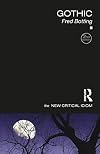
Many years ago I toyed with the idea of undertaking a course in gothic literature. There wasn't anything available in Melbourne at the time so I did the next best thing and purchased one of the most popular texts that kept coming up on the reading lists of other courses, Gothic by Fred Botting. It then sat on my shelf for 7 years.
Gothic by Fred Botting is literary criticism and an academic overview of gothic novels - and movies - and changes in the gothic genre from the 1700s - 2012. While show more it’s only a slim book at 224 pages, the academic nature of the approach meant it was always going to be a slog reading this without the supporting structure of a course or guidance from a Professor of Literature to bring it to life.
What is gothic literature anyway I hear you ask? My 2012 blog post entitled Gothic Tales has been viewed more than 21,000 times and contains an ongoing list of gothic novels I've read, including an overview of nine elements that can make a novel gothic. Some of these include: setting in a castle; an ancient prophecy; women in distress or threatened by a powerful, impulsive, tyrannical male and more.
Here Botting includes the following description of gothic elements from an essay published in 1797:
"... dark subterranean vaults, decaying abbeys, gloomy forests, jagged mountains and wild scenery inhabited by bandits, persecuted heroines, orphans and malevolent aristocrats." Page 41
In the gothic genre, authors set out to create an atmosphere of gloom and mystery populated by shocks, supernatural incidents, superstitious beliefs and threatening figures to create wonder and fear in the reader.
It was interesting to read that some cyberpunk and steampunk novels can also be classified as gothic novels and I'd never have guessed that the character of Ripley in Alien is a science fiction gothic heroine. Graveyard poetry was discussed and I think I'd like to read a book on gothic architecture and gothic revival architecture at some point because those styles send shivers down my spine for some reason.
Botting takes the reader through the gothic genre chronologically and while I hadn't read any of the offerings in the early pages, familiar titles certainly started to pop up so I made the lists below. Towards the end of the book the author begins to mention films that I wouldn't have thought were gothic in nature at all so I added those too.
Books referenced that I've read
Carter, Angela (The Bloody Chamber)
Conrad, Joseph (Heart of Darkness)
Dickens, Charles (Great Expectations, Oliver Twist)
Du Maurier, Daphne (Rebecca)
Eco, Umberto (The Name of the Rose)
Hawthorne, Nathaniel (The Scarlet Letter)
Meyer, Stephanie (Twilight)
Rice, Anne (Interview with a Vampire, The Vampire Lestat)
Shelley, Mary (Frankenstein)
Stoker, Bram (Dracula)
Wells, H.G. (The War of the Worlds)
Wilde, Oscar (The Picture of Dorian Gray)
Book referenced on my TBR
Morrison, Toni (Beloved)
Authors I've read but different books were referenced
Ackroyd, Peter
Austen, Jane
Harris, Charlaine
Jackson, Shirley
James, Henry
King, Stephen
Melville, Herman
Twain, Mark
Woolf, Virginia
Movies referenced I've watched
Alien
Blade
Blade Runner
Lost Boys
Poltergeist
Psycho
Terminator and Terminator 2
Texas Chainsaw Massacre
The Amityville Horror
The Name of the Rose
The Rocky Horror Picture Show
The Vampire Lestat
Twilight
The academic writing style is very dry and technical and without the structure of a literary course it fell flat for me. Having said that, what I found really disappointing was that it just ends. The author doesn't speculate or posit anything for the future of the gothic genre and that was a missed opportunity in my view.
Gothic - Second Edition by Fred Botting is part of The New Critical Idiom series recommended for students and non fiction readers of literary criticism. show less
Gothic by Fred Botting is literary criticism and an academic overview of gothic novels - and movies - and changes in the gothic genre from the 1700s - 2012. While show more it’s only a slim book at 224 pages, the academic nature of the approach meant it was always going to be a slog reading this without the supporting structure of a course or guidance from a Professor of Literature to bring it to life.
What is gothic literature anyway I hear you ask? My 2012 blog post entitled Gothic Tales has been viewed more than 21,000 times and contains an ongoing list of gothic novels I've read, including an overview of nine elements that can make a novel gothic. Some of these include: setting in a castle; an ancient prophecy; women in distress or threatened by a powerful, impulsive, tyrannical male and more.
Here Botting includes the following description of gothic elements from an essay published in 1797:
"... dark subterranean vaults, decaying abbeys, gloomy forests, jagged mountains and wild scenery inhabited by bandits, persecuted heroines, orphans and malevolent aristocrats." Page 41
In the gothic genre, authors set out to create an atmosphere of gloom and mystery populated by shocks, supernatural incidents, superstitious beliefs and threatening figures to create wonder and fear in the reader.
It was interesting to read that some cyberpunk and steampunk novels can also be classified as gothic novels and I'd never have guessed that the character of Ripley in Alien is a science fiction gothic heroine. Graveyard poetry was discussed and I think I'd like to read a book on gothic architecture and gothic revival architecture at some point because those styles send shivers down my spine for some reason.
Botting takes the reader through the gothic genre chronologically and while I hadn't read any of the offerings in the early pages, familiar titles certainly started to pop up so I made the lists below. Towards the end of the book the author begins to mention films that I wouldn't have thought were gothic in nature at all so I added those too.
Books referenced that I've read
Carter, Angela (The Bloody Chamber)
Conrad, Joseph (Heart of Darkness)
Dickens, Charles (Great Expectations, Oliver Twist)
Du Maurier, Daphne (Rebecca)
Eco, Umberto (The Name of the Rose)
Hawthorne, Nathaniel (The Scarlet Letter)
Meyer, Stephanie (Twilight)
Rice, Anne (Interview with a Vampire, The Vampire Lestat)
Shelley, Mary (Frankenstein)
Stoker, Bram (Dracula)
Wells, H.G. (The War of the Worlds)
Wilde, Oscar (The Picture of Dorian Gray)
Book referenced on my TBR
Morrison, Toni (Beloved)
Authors I've read but different books were referenced
Ackroyd, Peter
Austen, Jane
Harris, Charlaine
Jackson, Shirley
James, Henry
King, Stephen
Melville, Herman
Twain, Mark
Woolf, Virginia
Movies referenced I've watched
Alien
Blade
Blade Runner
Lost Boys
Poltergeist
Psycho
Terminator and Terminator 2
Texas Chainsaw Massacre
The Amityville Horror
The Name of the Rose
The Rocky Horror Picture Show
The Vampire Lestat
Twilight
The academic writing style is very dry and technical and without the structure of a literary course it fell flat for me. Having said that, what I found really disappointing was that it just ends. The author doesn't speculate or posit anything for the future of the gothic genre and that was a missed opportunity in my view.
Gothic - Second Edition by Fred Botting is part of The New Critical Idiom series recommended for students and non fiction readers of literary criticism. show less
This is a sound and comprehensive overview of the Gothic genre. It seems to be intended primarily for undergraduate students, whereas I read it as a general, non-academic reader with a strong interest in the subject. Perhaps for this reason, I initially thought the style rather heavy-going. Once I settled in and got used to it, I found much to enjoy and learn in this book.
Botting starts his story with the Graveyard Poets of the early 18th Century who, with their images of death and night, show more were the precursors of the Gothic authors who would emerge later in the century. In the subsequent chapters, all the usual suspects are covered – Horace Walpole, Ann Radcliffe, Matthew “Monk” Lewis, William Beckford. However, space is given to relatively lesser-known purveyors of the Gothic including Regina Maria Roche and Sophia Lee.
Some books about the subject restrict themselves to the “English Gothic”. However, Botting provides a chapter on the transformation of the Gothic by American authors such as Charles Brockden Brown, Hawthorne, Poe and Melville. The book is also very good at explaining how, later in the 19th Century and in the first decades of the 20th, the Gothic was “diffused” into a number of other literary genres, including the sensation and crime novels. What was a new perspective for me was also the Gothic’s influence and/or presence in modernist works by T.S. Eliot and Virginia Woolf.
The 20th Century brought with it the rise of cinema and other media were Gothic sensibilities can manifest themselves beyond literature. This development is also addressed in the final chapters although, possibly because of the very vastness of the subject, the closing sections have a rather “rushed” feel to them. As a general introduction to the Gothic, however, this is hard to fault. show less
Botting starts his story with the Graveyard Poets of the early 18th Century who, with their images of death and night, show more were the precursors of the Gothic authors who would emerge later in the century. In the subsequent chapters, all the usual suspects are covered – Horace Walpole, Ann Radcliffe, Matthew “Monk” Lewis, William Beckford. However, space is given to relatively lesser-known purveyors of the Gothic including Regina Maria Roche and Sophia Lee.
Some books about the subject restrict themselves to the “English Gothic”. However, Botting provides a chapter on the transformation of the Gothic by American authors such as Charles Brockden Brown, Hawthorne, Poe and Melville. The book is also very good at explaining how, later in the 19th Century and in the first decades of the 20th, the Gothic was “diffused” into a number of other literary genres, including the sensation and crime novels. What was a new perspective for me was also the Gothic’s influence and/or presence in modernist works by T.S. Eliot and Virginia Woolf.
The 20th Century brought with it the rise of cinema and other media were Gothic sensibilities can manifest themselves beyond literature. This development is also addressed in the final chapters although, possibly because of the very vastness of the subject, the closing sections have a rather “rushed” feel to them. As a general introduction to the Gothic, however, this is hard to fault. show less
This is a sound and comprehensive overview of the Gothic genre. It seems to be intended primarily for undergraduate students, whereas I read it as a general, non-academic reader with a strong interest in the subject. Perhaps for this reason, I initially thought the style rather heavy-going. Once I settled in and got used to it, I found much to enjoy and learn in this book.
Botting starts his story with the Graveyard Poets of the early 18th Century who, with their images of death and night, show more were the precursors of the Gothic authors who would emerge later in the century. In the subsequent chapters, all the usual suspects are covered – Horace Walpole, Ann Radcliffe, Matthew “Monk” Lewis, William Beckford. However, space is given to relatively lesser-known purveyors of the Gothic including Regina Maria Roche and Sophia Lee.
Some books about the subject restrict themselves to the “English Gothic”. However, Botting provides a chapter on the transformation of the Gothic by American authors such as Charles Brockden Brown, Hawthorne, Poe and Melville. The book is also very good at explaining how, later in the 19th Century and in the first decades of the 20th, the Gothic was “diffused” into a number of other literary genres, including the sensation and crime novels. What was a new perspective for me was also the Gothic’s influence and/or presence in modernist works by T.S. Eliot and Virginia Woolf.
The 20th Century brought with it the rise of cinema and other media were Gothic sensibilities can manifest themselves beyond literature. This development is also addressed in the final chapters although, possibly because of the very vastness of the subject, the closing sections have a rather “rushed” feel to them. As a general introduction to the Gothic, however, this is hard to fault. show less
Botting starts his story with the Graveyard Poets of the early 18th Century who, with their images of death and night, show more were the precursors of the Gothic authors who would emerge later in the century. In the subsequent chapters, all the usual suspects are covered – Horace Walpole, Ann Radcliffe, Matthew “Monk” Lewis, William Beckford. However, space is given to relatively lesser-known purveyors of the Gothic including Regina Maria Roche and Sophia Lee.
Some books about the subject restrict themselves to the “English Gothic”. However, Botting provides a chapter on the transformation of the Gothic by American authors such as Charles Brockden Brown, Hawthorne, Poe and Melville. The book is also very good at explaining how, later in the 19th Century and in the first decades of the 20th, the Gothic was “diffused” into a number of other literary genres, including the sensation and crime novels. What was a new perspective for me was also the Gothic’s influence and/or presence in modernist works by T.S. Eliot and Virginia Woolf.
The 20th Century brought with it the rise of cinema and other media were Gothic sensibilities can manifest themselves beyond literature. This development is also addressed in the final chapters although, possibly because of the very vastness of the subject, the closing sections have a rather “rushed” feel to them. As a general introduction to the Gothic, however, this is hard to fault. show less
A very sound academic introduction to the Gothic literary phenomenon, although Botting loses momentum and perhaps judgment once he reaches the twentieth century which he deals with in a rather cursory and slightly negative manner.
Nevertheless, 90% of the book is devoted to analysing both the core literary phenomenon and the eighteenth and nineteenth centuries so he can certainly be forgiven. The book should also stimulate the reader to try the original texts and make their own judgments - show more that has to be a good thing. show less
Nevertheless, 90% of the book is devoted to analysing both the core literary phenomenon and the eighteenth and nineteenth centuries so he can certainly be forgiven. The book should also stimulate the reader to try the original texts and make their own judgments - show more that has to be a good thing. show less
Lists
Academic Books (1)
You May Also Like


Associated Authors
Statistics
- Works
- 11
- Also by
- 1
- Members
- 291
- Popularity
- #80,410
- Rating
- 3.9
- Reviews
- 4
- ISBNs
- 42