
Jacob Haafner (1755–1809)
Author of Exotische liefde
About the Author
Works by Jacob Haafner
Associated Works
Wie verre reizen doet : een keuze uit de Indisch-Nederlandse letterkunde van de Compagniestijd tot 1870 (1975) — Contributor — 5 copies
Tagged
Common Knowledge
- Canonical name
- Jacob Haafner
- Legal name
- Jacob Gotfried Haffner | Achternaam vader en grootvader
Jacob Gotfried Hafner | Achternaam in Gemeentearchief Amsterdam - Birthdate
- 1755-05-13
- Date of death
- 1809-09-04
- Gender
- male
- Nationality
- Nederland
- Birthplace
- Halle an der Saale, Sachsen-Anhalt, Deutschland
- Places of residence
- Halle an der Saale, Sachsen-Anhalt, Deutschland
Amsterdam, Noord-Holland, Nederland
Kaapstad, West-Kaap, Zuid-Afrika
Batavia, Java, Nederlands-Indië
Negapatnam, Coromandelkust, India
Madras, Tamil Nadu, India (show all 9)
Tranquebar, Tamil Nadu, India
Ceylon
Calcutta, Tamil Nadu, India - Place of death
- Amsterdam, Noord-Holland, Nederland | Hoogte Kadijk 109-117 (nu het huis "De 3 Bloeyende Koornaaren")
- Burial location
- Nieuwe Kerk, Amsterdam, Noord-Holland, Nederland
Members
Reviews

Goethe in India
Jacob Haafner is a forgotten Dutch travel writer and merchant, who lived in India from 1773 until 1786. Born in Germany, he was an accountant in the Dutch factory of Negapatnam and Sadras on the Coromandel Coast south of Madras. The British conquered the area during the Fourth Anglo-Dutch War (which was partly rooted in Dutch support for the American War of Independence) that coincided with the Second Anglo-Mysore War, and Haafner was taken to Madras as prisoner of war. After show more some time in Ceylon, Haafner travelled to Calcutta, where he worked for the former governor Joseph Fowke.
In Exotische Liefde, originally called “Reize in eenen Palanquin” (i.e. “Travels in a Palanquin”), Jacob Haafner describes his trip from Calcutta south to the Coromandel coast in 1786. Carried in a palanquin by four coolies (with some extra coolies for carrying his tobacco and wine) he travels from chowdhury to chowdhury (free public resthouses, with often groups of female dancers for entertainment), enjoying the scenery and ancient temples, that this son of Halle in Saxony describes with the same pleasure his contemporary Goethe used for Italy. In the version in updated Dutch his language is fresh and modern, as are Haafner’s opinions about the local population. This modernity is also a weakness of the book: despite his adventures (he watches a sati, falls in a cave, gets bitten by a snake, takes various local medicines, and falls in love with a devadashi who soon dies and whose funeral pyre he lights) as a product of travel literature it is not as remarkable as it is as a document of its time. Haafner also speaks Hindi and Tamil, so he is sometimes mistaken for a mestizo, a fact that makes him feel proud. He has no problems with the Hindu or Islamic religion, although he finds the caste system impractical. Haafner also compares the use of Ganges water for redemption with the indulgences of Catholics in the Philippines and Macau.
Haafner is much more appalled by the practices of Europeans, whom he considers greedy, cruel, and indifferent, where they could have used their “superior knowledge” to earn the respect and love of the Indians. He was strongly opposed to colonialism in general, including Dutch colonialism. But he was most angered about the behaviour of the British in his “enlightened” age. Haafner talks repeatedly about British crimes against humanity and arrogant behaviour. E.g. in 1782 the British general Matthews besieged the city of “Onur”. The “diabolical white barbarians” killed not only the garrison, but also some 10,000 men, women and children. “The city was swimming in blood”. In “Omanpur” some 400 “young women and daughters” hid in a pagoda that was opened by force by “monsters”, after which the women were raped and killed and their gold and jewellery stolen:
In cruelty they exceed the worst barbarians.
Unfortunately, I could not trace the names of the cities back on the internet. Neither did I find info about the starvation Haafner reported in the city of Madras in 1782, where the British behaved "arrogantly" and with no understanding for the suffering of the native population. Because the local authorities refused to unload a ship before a hurricane hit which subsequently sank, the city was hit by mass starvation. The English profited from selling their stocks of rice, while some 500 people died each day.
Probably more interesting than his travel book is the history of his Essay on the Usefulness of Missionaries and Missionary Societies, written for Teyler's Theological Society (a sister organisation of the wonderful Teyler’s Museum in Haarlem). Haafner, ein feinfühlender Menschenfreund and penseur original et profond, argued that the best approach was to
try to Christianise the Europeans in the colonies and leave the local population alone. Haafner argued for the complete withdrawal of all imperial powers from their respective colonies.
Haafner still received the reward. show less
Jacob Haafner is a forgotten Dutch travel writer and merchant, who lived in India from 1773 until 1786. Born in Germany, he was an accountant in the Dutch factory of Negapatnam and Sadras on the Coromandel Coast south of Madras. The British conquered the area during the Fourth Anglo-Dutch War (which was partly rooted in Dutch support for the American War of Independence) that coincided with the Second Anglo-Mysore War, and Haafner was taken to Madras as prisoner of war. After show more some time in Ceylon, Haafner travelled to Calcutta, where he worked for the former governor Joseph Fowke.
In Exotische Liefde, originally called “Reize in eenen Palanquin” (i.e. “Travels in a Palanquin”), Jacob Haafner describes his trip from Calcutta south to the Coromandel coast in 1786. Carried in a palanquin by four coolies (with some extra coolies for carrying his tobacco and wine) he travels from chowdhury to chowdhury (free public resthouses, with often groups of female dancers for entertainment), enjoying the scenery and ancient temples, that this son of Halle in Saxony describes with the same pleasure his contemporary Goethe used for Italy. In the version in updated Dutch his language is fresh and modern, as are Haafner’s opinions about the local population. This modernity is also a weakness of the book: despite his adventures (he watches a sati, falls in a cave, gets bitten by a snake, takes various local medicines, and falls in love with a devadashi who soon dies and whose funeral pyre he lights) as a product of travel literature it is not as remarkable as it is as a document of its time. Haafner also speaks Hindi and Tamil, so he is sometimes mistaken for a mestizo, a fact that makes him feel proud. He has no problems with the Hindu or Islamic religion, although he finds the caste system impractical. Haafner also compares the use of Ganges water for redemption with the indulgences of Catholics in the Philippines and Macau.
Haafner is much more appalled by the practices of Europeans, whom he considers greedy, cruel, and indifferent, where they could have used their “superior knowledge” to earn the respect and love of the Indians. He was strongly opposed to colonialism in general, including Dutch colonialism. But he was most angered about the behaviour of the British in his “enlightened” age. Haafner talks repeatedly about British crimes against humanity and arrogant behaviour. E.g. in 1782 the British general Matthews besieged the city of “Onur”. The “diabolical white barbarians” killed not only the garrison, but also some 10,000 men, women and children. “The city was swimming in blood”. In “Omanpur” some 400 “young women and daughters” hid in a pagoda that was opened by force by “monsters”, after which the women were raped and killed and their gold and jewellery stolen:
In cruelty they exceed the worst barbarians.
Unfortunately, I could not trace the names of the cities back on the internet. Neither did I find info about the starvation Haafner reported in the city of Madras in 1782, where the British behaved "arrogantly" and with no understanding for the suffering of the native population. Because the local authorities refused to unload a ship before a hurricane hit which subsequently sank, the city was hit by mass starvation. The English profited from selling their stocks of rice, while some 500 people died each day.
Probably more interesting than his travel book is the history of his Essay on the Usefulness of Missionaries and Missionary Societies, written for Teyler's Theological Society (a sister organisation of the wonderful Teyler’s Museum in Haarlem). Haafner, ein feinfühlender Menschenfreund and penseur original et profond, argued that the best approach was to
try to Christianise the Europeans in the colonies and leave the local population alone. Haafner argued for the complete withdrawal of all imperial powers from their respective colonies.
Haafner still received the reward. show less
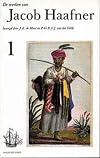
Deze uitgave van de Linschoten-vereeniging bevat twee werken van Jacob Haafner: "Lotgevallen en vroegere zeereizen" uit 1820 en "Lotgevallen op een reize van Madras naar het eiland Ceilon" uit 1806, voorafgegaan door een biografische schets. Het werk van de reiziger en schrijver Jacob Haafner was gedurende een groot deel van de 20e eeuw vergeten. In 1992 is men begonnen met een heruitgave van zijn werken te beginnen met zijn (chronologisch) eerste boeken.
"Lotgevallen en vroegere zeereizen" show more verhaalt vooral over de ongemakken die Haafner meemaakt op zijn eerste reizen. Dit deel is minder interessant (**). Na het eerste boek vestigt Haafner zich in de stad Sadras, een Hollandse kolonie in India. Daar beleeft hij enkele van de prettigste jaren van zijn leven. Helaas wordt de stad ingenomen door de Engelsen die de stad met de grond gelijkmaken en de inwoners gevangen nemen. Haafner krijgt toestemming om te vertrekken en vaart vergezeld door 11 mensen met een klein bootje naar Ceilon. Het verhaal van deze boottocht is het centrale deel van dit boek. Erg onderhoudend geschreven! show less
"Lotgevallen en vroegere zeereizen" show more verhaalt vooral over de ongemakken die Haafner meemaakt op zijn eerste reizen. Dit deel is minder interessant (**). Na het eerste boek vestigt Haafner zich in de stad Sadras, een Hollandse kolonie in India. Daar beleeft hij enkele van de prettigste jaren van zijn leven. Helaas wordt de stad ingenomen door de Engelsen die de stad met de grond gelijkmaken en de inwoners gevangen nemen. Haafner krijgt toestemming om te vertrekken en vaart vergezeld door 11 mensen met een klein bootje naar Ceilon. Het verhaal van deze boottocht is het centrale deel van dit boek. Erg onderhoudend geschreven! show less
Jun 24, 2011Dutch
1
You May Also Like
Associated Authors
Statistics
- Works
- 7
- Also by
- 1
- Members
- 43
- Popularity
- #352,015
- Rating
- 3.8
- Reviews
- 2
- ISBNs
- 8
- Languages
- 1