
Ruth Graham
Author of In Every Pew Sits a Broken Heart: Hope for the Hurting
About the Author
Ruth Graham is the founder and president of Ruth Graham Ministries. She is an experienced Bible teacher and conference speaker. In 2006, she started Ruth Graham and Friends to minister to those in the church who are wounded by life, others, or self. Daughter of the beloved evangelist Dr. Billy show more Graham, Ruth has three children and nine grandchildren. She lives in the Shenandoah Valley of Virginia. show less
Works by Ruth Graham
Fear Not Tomorrow, God Is Already There: Trusting Him in Uncertain Times (2009) 143 copies, 3 reviews
I'm Pregnant, Now What?: Heartfelt Advice on Getting Through An Unplanned Pregnancy (2004) 40 copies
Forgiving My Father, Forgiving Myself: An Invitation to the Miracle of Forgiveness (2019) 20 copies, 1 review
Transforming Loneliness: Deepening Our Relationships with God and Others When We Feel Alone (2021) 19 copies
Legacy of a Pack Rat 4 copies
Associated Works
Tagged
Common Knowledge
- Birthdate
- 1950
- Gender
- female
- Relationships
- Graham, Billy (father)
Graham, Ruth Bell (mother)
Graham, Franklin (brother)
Lotz, Anne Graham (sister) - Nationality
- USA
- Associated Place (for map)
- USA
Members
Reviews
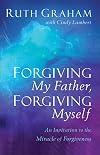
Summary: Through both personal narrative and biblical teaching, explores the power of forgiveness to bring freedom from bitterness, transforming our lives, and in at least some cases, our relationships.
Ruth Graham was leading a team into Angola Prison when she encountered Michael, on death row for murder, and yet at peace with God. Graham learns the amazing story of how the grandfather of the murderer's victim had forgiven him and was praying for him. It led Ruth on a journey where show more forgiveness went from head knowledge to transformation in her life.
Ruth grew up in an extraordinary family. Her father was Billy Graham. Such a family carries its own stresses, that Ruth speaks about, never bitterly or cynically, but honestly. She made a series of bad choices in marriages, going through four divorces. Her mother's advice was often less than helpful. She also began to see that she had a deep wound in her life from her father's long absences. Despite her love for him, and his for her, she struggled with feelings of abandonment, and anger. Graham never excuses her own bad decisions, but weaves her journey of learning to forgive her father, forgive her self, and seek the forgiveness of others with biblical principles of how we forgive, and the tough issues of forgiving when forgiveness is not sought or rejected, when those we forgive are no longer around, and forgiving when the other person is not safe to be around.
She helps us see that forgiveness is neither fair nor easy, but that God has commanded it. She shows us that forgiveness is a process that does not depend on our feelings, but that God can help us to do something against which our feelings rebel. In forgiveness, bitter wounds become sacred wounds as we offer these to God and open our wounded places to Him. She teaches us how to ask forgiveness: "I did this. It was wrong. I'm sorry. Will you forgive me."
Unlike Bryan Maier in Forgiveness and Justice (reviewed here) she believes that forgiveness can occur separately from repentance, reconciliation and restoration. Maier contends that forgiveness (which Graham might call reconciliation) can only occur when the offender confesses and repents from the wrong done. Maier contends that where there is no repentance, the proper response of the aggrieved is to take the grievance to God and trust God for justice
Graham would propose that forgiveness delivers us from bitterness, even in the absence of reconciliation, or when reconciliation is no longer safe or possible. Maier, I believe, would say that we take our anger to God as well as to pray, where it is possible, for the repentance of the offender, but not prematurely forgive.
I don't believe Maier deals adequately with what one does when it is not possible to reconcile with an offender. At the same time, I think there is a point that Graham misses that was called to my attention in watching the documentary "Emanuel" on the deaths of nine people at the hands of Dylan Roof and participating on a panel with two black scholars who have studied the history and literature of violence against blacks. One of the remarkable things is how quickly a number of families forgive Roof, even though Roof never shows remorse (and other family and friends struggle to or refuse to forgive to this day). While we all recognized how these believers were shaped by biblical teaching, it was observed that it has often been the place of oppressed blacks to forgive, often accompanied by celebration that this has averted a more violent response. One scholar asked, "should not there be anger at the white supremacists and a system that produced Roof, at the history of violence in the forms of lynchings and church burnings against blacks?"
What I wonder is whether it is possible to forgive, as Christ forgave unrepentant enemies on the cross, and yet be angry, but not with bitterness, at the things which anger God, whether systemic racism, infidelity, sexual abuse, or morally corrupt leadership. There is an anger which is not hate, but which motivates advocacy, that does not relent in seeking justice. Sometimes, at least for some, forgiveness is a quick release from the hard feelings of grievance, or an escape from the hard work of seeking justice.
What I would say is that Graham does not minimize the challenge of forgiveness. She also offers a model of honestly facing her own need of forgiveness and what she hadn't forgiven in others and herself. She helps us see the corrosive character of bitterness arising from an unforgiving heart and the grace God can give to forgive. Yet I think we also need teaching on forgiveness that teaches us how to know and live amazing grace while avoiding cheap grace, that does not heal personal or national wounds lightly.
________________________________
Disclosure of Material Connection: I received a complimentary review copy of this book from the publisher. The opinions I have expressed are my own. show less
Ruth Graham was leading a team into Angola Prison when she encountered Michael, on death row for murder, and yet at peace with God. Graham learns the amazing story of how the grandfather of the murderer's victim had forgiven him and was praying for him. It led Ruth on a journey where show more forgiveness went from head knowledge to transformation in her life.
Ruth grew up in an extraordinary family. Her father was Billy Graham. Such a family carries its own stresses, that Ruth speaks about, never bitterly or cynically, but honestly. She made a series of bad choices in marriages, going through four divorces. Her mother's advice was often less than helpful. She also began to see that she had a deep wound in her life from her father's long absences. Despite her love for him, and his for her, she struggled with feelings of abandonment, and anger. Graham never excuses her own bad decisions, but weaves her journey of learning to forgive her father, forgive her self, and seek the forgiveness of others with biblical principles of how we forgive, and the tough issues of forgiving when forgiveness is not sought or rejected, when those we forgive are no longer around, and forgiving when the other person is not safe to be around.
She helps us see that forgiveness is neither fair nor easy, but that God has commanded it. She shows us that forgiveness is a process that does not depend on our feelings, but that God can help us to do something against which our feelings rebel. In forgiveness, bitter wounds become sacred wounds as we offer these to God and open our wounded places to Him. She teaches us how to ask forgiveness: "I did this. It was wrong. I'm sorry. Will you forgive me."
Unlike Bryan Maier in Forgiveness and Justice (reviewed here) she believes that forgiveness can occur separately from repentance, reconciliation and restoration. Maier contends that forgiveness (which Graham might call reconciliation) can only occur when the offender confesses and repents from the wrong done. Maier contends that where there is no repentance, the proper response of the aggrieved is to take the grievance to God and trust God for justice
Graham would propose that forgiveness delivers us from bitterness, even in the absence of reconciliation, or when reconciliation is no longer safe or possible. Maier, I believe, would say that we take our anger to God as well as to pray, where it is possible, for the repentance of the offender, but not prematurely forgive.
I don't believe Maier deals adequately with what one does when it is not possible to reconcile with an offender. At the same time, I think there is a point that Graham misses that was called to my attention in watching the documentary "Emanuel" on the deaths of nine people at the hands of Dylan Roof and participating on a panel with two black scholars who have studied the history and literature of violence against blacks. One of the remarkable things is how quickly a number of families forgive Roof, even though Roof never shows remorse (and other family and friends struggle to or refuse to forgive to this day). While we all recognized how these believers were shaped by biblical teaching, it was observed that it has often been the place of oppressed blacks to forgive, often accompanied by celebration that this has averted a more violent response. One scholar asked, "should not there be anger at the white supremacists and a system that produced Roof, at the history of violence in the forms of lynchings and church burnings against blacks?"
What I wonder is whether it is possible to forgive, as Christ forgave unrepentant enemies on the cross, and yet be angry, but not with bitterness, at the things which anger God, whether systemic racism, infidelity, sexual abuse, or morally corrupt leadership. There is an anger which is not hate, but which motivates advocacy, that does not relent in seeking justice. Sometimes, at least for some, forgiveness is a quick release from the hard feelings of grievance, or an escape from the hard work of seeking justice.
What I would say is that Graham does not minimize the challenge of forgiveness. She also offers a model of honestly facing her own need of forgiveness and what she hadn't forgiven in others and herself. She helps us see the corrosive character of bitterness arising from an unforgiving heart and the grace God can give to forgive. Yet I think we also need teaching on forgiveness that teaches us how to know and live amazing grace while avoiding cheap grace, that does not heal personal or national wounds lightly.
________________________________
Disclosure of Material Connection: I received a complimentary review copy of this book from the publisher. The opinions I have expressed are my own. show less

I sat down to read A Thousand Goodbyes and was hooked immediately. I read this in two days straight. It is unputdownable. I laughed, I cried, I chuckled, and I laughed again!
As we are all different and have our own ideas about death and the last goodbye, the celebrant provides a service which is unique to the individual client. Sometimes very unique to the point of being quite odd. These insights are graciously recalled, in this look behind the scenes in a industry many of us do not want to show more think about until we have no choice in the matter. I particularly enjoyed the sections at the end of each chapter entitled "a celebrant shares" in which other celebrants briefly remember some of their special moments.
If you do nothing else this year, make time to read A Thousand Goodbyes. The writing style is warm and engaging, and made me feel like I was listening to an old friend. It is extremely witty, inciteful, entertaining, informative and poignant. And at the end of the book are some useful resources - who knew that you could have a D-I-Y funeral or direct cremation? show less
As we are all different and have our own ideas about death and the last goodbye, the celebrant provides a service which is unique to the individual client. Sometimes very unique to the point of being quite odd. These insights are graciously recalled, in this look behind the scenes in a industry many of us do not want to show more think about until we have no choice in the matter. I particularly enjoyed the sections at the end of each chapter entitled "a celebrant shares" in which other celebrants briefly remember some of their special moments.
If you do nothing else this year, make time to read A Thousand Goodbyes. The writing style is warm and engaging, and made me feel like I was listening to an old friend. It is extremely witty, inciteful, entertaining, informative and poignant. And at the end of the book are some useful resources - who knew that you could have a D-I-Y funeral or direct cremation? show less

當你坐在教會中,每一張面孔後面都有一個故事,故事不一定是愉快的。作者葛如詩是知名佈道家葛理翰的第三個女兒,也是經驗豐富的講員及聖經教師,她在書中真實地分享了一段離婚、憂鬱症、為人母的掙扎……。針對信仰如何落實到我們的現實處境,提供了「痛苦期的備忘錄」、「給關懷者的要訣」和「默想原則」等具體的應用材料。
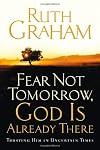
Not surprisingly, Ruth Graham has written a thought-provoking book that affords glimpses into her life. Chocked full of antidotes and snippets from her experiences, as well as insights into the Bible, the reader discovers a fallible person--not much different from anyone else--who has learned how to lean on God and get to know Him better, even through difficult times.
I chose to read it slowly--a chapter each day--so that I had time to digest the truths. However, it certainly could be read show more straightforward as it flows nicely.
At the end of each chapter is a Point of Focus. Graham's ABC Praise List is included in addition to a list of resources and notes. show less
I chose to read it slowly--a chapter each day--so that I had time to digest the truths. However, it certainly could be read show more straightforward as it flows nicely.
At the end of each chapter is a Point of Focus. Graham's ABC Praise List is included in addition to a list of resources and notes. show less
Awards

You May Also Like


Associated Authors
Statistics
- Works
- 26
- Also by
- 2
- Members
- 870
- Popularity
- #29,418
- Rating
- 3.7
- Reviews
- 7
- ISBNs
- 67
- Languages
- 3