
Mitchell James Kaplan
Author of By Fire, By Water
About the Author
Works by Mitchell James Kaplan
Tagged
Common Knowledge
- Canonical name
- Kaplan, Mitchell James
- Gender
- male
- Occupations
- author
- Awards and honors
- Goodreads Choice Awards Best Historical Fiction
- Nationality
- USA
- Map Location
- USA
Members
Reviews

In 1920's New York City, Kay Swift, a classically trained pianist plays at the parties for New York's elite. At one of these parties she catches the eye of James Warburg, the son of a wealthy banker. Soon, Kay is at the top of New York's social ladder but has not forgotten her dream of playing music. After seeing George Gershwin perform Rhapsody in Blue, Kay becomes mesmerized with his style of music and the man himself. Kay refocuses on her musical career with George and finds herself show more enamored with George as well. With her music finally making its mark, Kay is pulled between her family and George while trying to carve out her own place in the world.
Rhapsody is written in a style much like Gershwin's music, familiar yet new with different pushes and pulls to show you what you already knew was there. Everyone knows the name of George Gershwin, but many people do not know Kay Swift. Kay was the first woman to write the complete score to a Broadway musical though many only know her for her involvement with Gershwin. Rhapsody entwines the stories of Kay, James and George to create a rounded view on how this odd trio helped to define an era of American music. Using many historical accuracies, the story of how their music evolved is written in a way that managed to bring the music to life on the page. I was amazed at Gershwin's abilities as well as his commitment to the communities that he found inspiration from. Kay's life was double sided as she faced the dilemma of many women, being a wife, mother and having a career. It was very interesting to see Kay's relationship with her children and husband and her choices to focus on her music and happiness instead. Along with Kay and George, I also learned about James Warburg. I had no idea that he also wrote lyrics for Kay's songs. While Kay's life with Gershwin may have been complicated at best, Rhapsody unravels some of the mysteries surrounding this time of Kay Swift's life.
This book was received for free in return for an honest review. show less
Rhapsody is written in a style much like Gershwin's music, familiar yet new with different pushes and pulls to show you what you already knew was there. Everyone knows the name of George Gershwin, but many people do not know Kay Swift. Kay was the first woman to write the complete score to a Broadway musical though many only know her for her involvement with Gershwin. Rhapsody entwines the stories of Kay, James and George to create a rounded view on how this odd trio helped to define an era of American music. Using many historical accuracies, the story of how their music evolved is written in a way that managed to bring the music to life on the page. I was amazed at Gershwin's abilities as well as his commitment to the communities that he found inspiration from. Kay's life was double sided as she faced the dilemma of many women, being a wife, mother and having a career. It was very interesting to see Kay's relationship with her children and husband and her choices to focus on her music and happiness instead. Along with Kay and George, I also learned about James Warburg. I had no idea that he also wrote lyrics for Kay's songs. While Kay's life with Gershwin may have been complicated at best, Rhapsody unravels some of the mysteries surrounding this time of Kay Swift's life.
This book was received for free in return for an honest review. show less
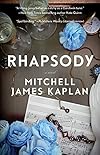
In 1924 Paul Whiteman, legendary impresario and consummate schmoozer, attempts to persuade Katherine Warburg to attend a musical extravaganza at which George Gershwin has “consented” to play his latest composition. Katherine resists. After all, she’s a remarkably gifted, classically trained pianist and knows little of jazz or Gershwin besides his penchant for popular songs, about which the less said, the better. It’s not her type of music, thank you.
But as James Warburg’s wife — show more the banking Warburgs, known for generous hospitality to literary and musical celebrities — she’s an important target in Whiteman’s publicity campaign, and he’s a difficult man to refuse. Besides, Jascha (Heifetz), Igor (Stravinsky), and Sergei (Rachmaninoff) will be there. So Katherine attends and gets an earful.
Hearing “Rhapsody in Blue” turns Katherine’s world upside down. A deep friendship forms with Gershwin, later an affair, and a musical collaboration as well. “Kay,” as Gershwin nicknames her, knows lessons about orchestration and harmony he’s never learned, while his restless, roving musical imagination jolts her from preconceived notions. He encourages her efforts to compose. Not only does she feel that Gershwin understands her in ways that Jimmy Warburg doesn’t, the lovers enjoy the physical passion missing in her marriage. With a brashness typical of the man, he publicizes their liaison. He writes a musical using her name in 1926: Oh, Kay!, whose hit song, “Someone to Watch Over Me,” remains a standard.
Unfortunately for Kay, Gershwin’s roving imagination takes him into other women’s arms. Warburg, who’s never been faithful to Kay and often disappears for months on end to Europe, has little to complain about. Their daughters sympathize with him, however, a reflection of the sexual double standard and the relative discretion he maintains by conducting his affairs in other countries. They’re both indifferent parents, at best, but Kay bears the brunt. Meanwhile, her composing career takes off — she becomes the first woman to write a complete Broadway score — but she pays a terrible price. And Gershwin will never marry her, she realizes.
I wish I could say that Rhapsody does this story full justice, especially because I’ve loved Gershwin’s music all my life. (To insert a personal note, my wife and I walked down the aisle to strains of “An American in Paris,” because that city is where we got engaged.) I also love the theater, that of the 1920s and 1930s above all; and Kay Warburg (née Swift) makes an excellent protagonist with whom to explore the musical and theatrical happenings of the time. At its best, Rhapsody shows why and how music evokes feeling, and Kaplan astutely analyzes Gershwin’s in particular.
Yet I find the novel a cluttered hodgepodge, stuffed with anything and everything. Instead of beginning at the musical premier of “Rhapsody in Blue,” or even Kay’s life before she met Warburg, the story starts with a needless prologue and hops about like a grasshopper, seldom remaining long in one place. Further, if I listed every famous name that floats through the narrative, from Fred Astaire to Duke Ellington to Dorothy Parker, I’d have no room to review the book. In a way, the name-dropping has a point, because Kay knows nobody before she marries Warburg and barely has two pennies to rub together. Money buys glamor, and she soaks it up. But the People magazine approach wears thin, and the army of famous or soon-to-be famous distracts attention from the key players and the issues they face.
Rhapsody poses several cogent questions, not least about the influence of money on art and the artist, whether genius excuses bad behavior (especially negligent parenting), and what shapes or creates popular taste. But other themes and ideas bury these under a blizzard of famous names, scenes that seem to exist only to reach a certain biographical plot point, and sound bites about current events.
There’s a cartoon psychiatrist I could have done without, even though he was a historical figure, and the pastiche of scenes from New York life never amounts to a lived-in atmosphere. By contrast, Gershwin seems much more likable than his legend would suggest, and though that interpretation may be justifiable, in the composer’s latter years, we see nothing of the nightmare he visited on his intimates, misbehavior resulting from an undiagnosed brain tumor.
Passionate Gershwin fans will find pieces here and there in Rhapsody to enlighten and perhaps delight them, and Kay Swift’s story deserves a hearing. But this novel is one of those in which a lot less would have yielded a lot more. show less
But as James Warburg’s wife — show more the banking Warburgs, known for generous hospitality to literary and musical celebrities — she’s an important target in Whiteman’s publicity campaign, and he’s a difficult man to refuse. Besides, Jascha (Heifetz), Igor (Stravinsky), and Sergei (Rachmaninoff) will be there. So Katherine attends and gets an earful.
Hearing “Rhapsody in Blue” turns Katherine’s world upside down. A deep friendship forms with Gershwin, later an affair, and a musical collaboration as well. “Kay,” as Gershwin nicknames her, knows lessons about orchestration and harmony he’s never learned, while his restless, roving musical imagination jolts her from preconceived notions. He encourages her efforts to compose. Not only does she feel that Gershwin understands her in ways that Jimmy Warburg doesn’t, the lovers enjoy the physical passion missing in her marriage. With a brashness typical of the man, he publicizes their liaison. He writes a musical using her name in 1926: Oh, Kay!, whose hit song, “Someone to Watch Over Me,” remains a standard.
Unfortunately for Kay, Gershwin’s roving imagination takes him into other women’s arms. Warburg, who’s never been faithful to Kay and often disappears for months on end to Europe, has little to complain about. Their daughters sympathize with him, however, a reflection of the sexual double standard and the relative discretion he maintains by conducting his affairs in other countries. They’re both indifferent parents, at best, but Kay bears the brunt. Meanwhile, her composing career takes off — she becomes the first woman to write a complete Broadway score — but she pays a terrible price. And Gershwin will never marry her, she realizes.
I wish I could say that Rhapsody does this story full justice, especially because I’ve loved Gershwin’s music all my life. (To insert a personal note, my wife and I walked down the aisle to strains of “An American in Paris,” because that city is where we got engaged.) I also love the theater, that of the 1920s and 1930s above all; and Kay Warburg (née Swift) makes an excellent protagonist with whom to explore the musical and theatrical happenings of the time. At its best, Rhapsody shows why and how music evokes feeling, and Kaplan astutely analyzes Gershwin’s in particular.
Yet I find the novel a cluttered hodgepodge, stuffed with anything and everything. Instead of beginning at the musical premier of “Rhapsody in Blue,” or even Kay’s life before she met Warburg, the story starts with a needless prologue and hops about like a grasshopper, seldom remaining long in one place. Further, if I listed every famous name that floats through the narrative, from Fred Astaire to Duke Ellington to Dorothy Parker, I’d have no room to review the book. In a way, the name-dropping has a point, because Kay knows nobody before she marries Warburg and barely has two pennies to rub together. Money buys glamor, and she soaks it up. But the People magazine approach wears thin, and the army of famous or soon-to-be famous distracts attention from the key players and the issues they face.
Rhapsody poses several cogent questions, not least about the influence of money on art and the artist, whether genius excuses bad behavior (especially negligent parenting), and what shapes or creates popular taste. But other themes and ideas bury these under a blizzard of famous names, scenes that seem to exist only to reach a certain biographical plot point, and sound bites about current events.
There’s a cartoon psychiatrist I could have done without, even though he was a historical figure, and the pastiche of scenes from New York life never amounts to a lived-in atmosphere. By contrast, Gershwin seems much more likable than his legend would suggest, and though that interpretation may be justifiable, in the composer’s latter years, we see nothing of the nightmare he visited on his intimates, misbehavior resulting from an undiagnosed brain tumor.
Passionate Gershwin fans will find pieces here and there in Rhapsody to enlighten and perhaps delight them, and Kay Swift’s story deserves a hearing. But this novel is one of those in which a lot less would have yielded a lot more. show less
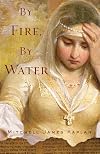
It is nearing the end of the 15th century, and Luis de Santangel is the chancellor to the Spanish King Ferdinand and Queen Ysabel. The Inquisition has made its way to Spain, and many Jewish people are in fear for their lives. de Santangel is a converso – of Jewish heritage, but converted to Christianity. He develops an interest in the religion of his ancestors – partly due to an ancient parchment which Cristobal Colon (Christopher Columbus) delivers to him – and in doing so, puts show more himself, his family, and friends who share his interest, in great danger. Tomas de Torquemada, the leader of the Inquisition becomes interested in de Santangel, and will go to any means necessary to capture him. While de Santangel’s position in the Kings Court may afford him some protection, he is well aware that there is a limit to such protection.
Meanwhile, Judith Migdal is a Jewish lady living in Granada. Mourning the loss of her brother and his wife, she takes on the role of looking after the wife’s father and her brother’s son. She determines to carry on the silversmith business which her brother had built up, but soon finds herself navigating a difficult landscape as she sees the persecution of Jews and the dangerous times which they will all be facing.
I thoroughly enjoyed reading this book. Initially I thought it might be hard going, but instead it was utterly absorbing and interesting. There is tremendous detail regarding the Inquisition, the instability of the times and the lives and cultures of people living in Spain at the time – it is clear that the author must have conducted extensive research. However, the book does not become bogged down with detail – the writing serves to help immerse the reader into the atmosphere in which the story is set, with the sights and sounds almost seeping out of the pages.
The somewhat explicit detailing of the torture and punishment inflicted on the Jewish people leaves little to the imagination, and at times made for uncomfortable reading.
Luis was a very well drawn character. I felt that throughout the book, the reader really got to know him very well. He was clearly an intelligent man in a posiion of privilege, who commanded respect. however, his life of comfort was not enough to stop him asking questions about the motivations of the Inquisition, and his own family history. Judith was also a wonderful character. She was strong and determined, because she had no choice but to be. I felt that the author really allowed the reader to see into these people’s lives and thoughts.
I really think that there are two stories contained in the book; that of Luis de Santagel and the events which take place and which drawn Judith Migdal into his orbit; and that of an unstable period of time when people were scared for their lives, practised their religion in private and were never sure who they could trust. Both stories are equally enjoyable. The integration of Christopher Columbus (prior to his most famous voyage) was interesting reading. Although Columbus does not appear in the book a great deal, he does play an important role.
Overall, this book is highly recommended – fantastically researched, very well written and fascinating. I would especially recommend it to fans of historical fiction, or anybody with even a passing interest in this period of history. It certainly inspired me to find out more about the Inquisition, and Luis de Santangel himself. show less
Meanwhile, Judith Migdal is a Jewish lady living in Granada. Mourning the loss of her brother and his wife, she takes on the role of looking after the wife’s father and her brother’s son. She determines to carry on the silversmith business which her brother had built up, but soon finds herself navigating a difficult landscape as she sees the persecution of Jews and the dangerous times which they will all be facing.
I thoroughly enjoyed reading this book. Initially I thought it might be hard going, but instead it was utterly absorbing and interesting. There is tremendous detail regarding the Inquisition, the instability of the times and the lives and cultures of people living in Spain at the time – it is clear that the author must have conducted extensive research. However, the book does not become bogged down with detail – the writing serves to help immerse the reader into the atmosphere in which the story is set, with the sights and sounds almost seeping out of the pages.
The somewhat explicit detailing of the torture and punishment inflicted on the Jewish people leaves little to the imagination, and at times made for uncomfortable reading.
Luis was a very well drawn character. I felt that throughout the book, the reader really got to know him very well. He was clearly an intelligent man in a posiion of privilege, who commanded respect. however, his life of comfort was not enough to stop him asking questions about the motivations of the Inquisition, and his own family history. Judith was also a wonderful character. She was strong and determined, because she had no choice but to be. I felt that the author really allowed the reader to see into these people’s lives and thoughts.
I really think that there are two stories contained in the book; that of Luis de Santagel and the events which take place and which drawn Judith Migdal into his orbit; and that of an unstable period of time when people were scared for their lives, practised their religion in private and were never sure who they could trust. Both stories are equally enjoyable. The integration of Christopher Columbus (prior to his most famous voyage) was interesting reading. Although Columbus does not appear in the book a great deal, he does play an important role.
Overall, this book is highly recommended – fantastically researched, very well written and fascinating. I would especially recommend it to fans of historical fiction, or anybody with even a passing interest in this period of history. It certainly inspired me to find out more about the Inquisition, and Luis de Santangel himself. show less
“We must recover that book. The log of his testimony.” Turning back to the priest, he affirmed aloud what they both knew. “And the canon, he must die. Pedro de Arbues,” he nodded slowly, “must die before he destroys you, me, and our associates.”
Caceres lowered his voice. “I know the man to do it. A horseman. A Basque. A skilled assassin.”
They looked into each other’s eyes. It occurred to Santangel that if he had ever felt anything akin to Christian love, it was in this show more moment, in their shared hatred. – from By Fire, By Water, page 74 -
Mitchell James Kaplan’s debut novel is set in fifteenth century Spain during the time of the New Inquisition when King Fernando and Queen Ysabel were waging war and expelling all Jews from Spain. This period is also remembered for Cristobal Colon (Christopher Columbus) and his discovery of the Western Hemisphere. Kaplan has taken all of these events and created an historical novel of depth, passion and faith which held me spellbound.
Luis de Santangel, a converso (the Spanish term which designates a person whose parents or grandparents abandoned their Jewish faith and embraced Christianity…usually under duress) and chancellor to the throne, takes center stage in By Fire, By Water. Horrified by what the Inquisition is doing, Luis finds himself deeply conflicted by his Christian faith. He longs to understand the differences between the Jewish and Christian beliefs. This struggle leads him to engage in secret meetings with a Jewish scribe and several others to learn more about the faith his family abandoned.
With Abram Serero, Luis de Santangel explored ideas that had intrigued him all his life. He argued about the nature of truth, God’s role in history, justice, and love. He came to feel an intellectual enfranchisement he had never felt before, invigorating and empowering. The freedom to navigate between the great ideas and sentiments of his own faith and that of his grandfather was a rare privilege. – from By Fire, By Water, page 52 -
When a close friend is arrested and dies, Luis becomes enraged at a system that punishes those who dare question the edicts and beliefs of the Church. His choice to silence the Chief Inquisitor of Aragon (Pedro de Arbues) puts his life and the lives of his family in danger.
A parallel story – that of a Jewish silversmith who is raising her orphaned nephew in the endangered city of Granada – is seamlessly inserted into the novel. Judith Migdal is a strong, inspiring character…and it is no surprise when her path crosses Luis’ as the Spanish war machine grinds ever closer to her home.
By Fire, By Water closely follows the historical record, but it is also very much a novel…bringing to life the streets of fifteenth century Spain, the horrors of the Inquisition (Kaplan does not spare readers the brutal torture endured by those arrested), and the drama of the time period when new lands were being discovered by sea exploration.
Big, passionate, brilliantly written, full of court intrigue and religious politics, I loved this novel. I read the last half of the book in one afternoon, unable to lay it aside until I knew what would happen. Kaplan’s descriptions are gorgeous. He effortlessly transports the reader into the past. He also brings forth the questions of the time: What were the motivations of King Fernando and Queen Ysabel? Were they simply religious fanatics, or were financial considerations the primary reason for supporting the Inquisition and the ultimate expulsion of the Jews from Spain?
Kaplan writes in his author’s note at the end of the book:
The purpose of a historical novel is to locate and reveal the dramatic core of history.
If that is the purpose, then I would congratulate Kaplan on achieving it. By Fire, By Water is a must read for historical fiction fans, especially those interested in fifteenth century Spain.
Highly recommended. show less
Caceres lowered his voice. “I know the man to do it. A horseman. A Basque. A skilled assassin.”
They looked into each other’s eyes. It occurred to Santangel that if he had ever felt anything akin to Christian love, it was in this show more moment, in their shared hatred. – from By Fire, By Water, page 74 -
Mitchell James Kaplan’s debut novel is set in fifteenth century Spain during the time of the New Inquisition when King Fernando and Queen Ysabel were waging war and expelling all Jews from Spain. This period is also remembered for Cristobal Colon (Christopher Columbus) and his discovery of the Western Hemisphere. Kaplan has taken all of these events and created an historical novel of depth, passion and faith which held me spellbound.
Luis de Santangel, a converso (the Spanish term which designates a person whose parents or grandparents abandoned their Jewish faith and embraced Christianity…usually under duress) and chancellor to the throne, takes center stage in By Fire, By Water. Horrified by what the Inquisition is doing, Luis finds himself deeply conflicted by his Christian faith. He longs to understand the differences between the Jewish and Christian beliefs. This struggle leads him to engage in secret meetings with a Jewish scribe and several others to learn more about the faith his family abandoned.
With Abram Serero, Luis de Santangel explored ideas that had intrigued him all his life. He argued about the nature of truth, God’s role in history, justice, and love. He came to feel an intellectual enfranchisement he had never felt before, invigorating and empowering. The freedom to navigate between the great ideas and sentiments of his own faith and that of his grandfather was a rare privilege. – from By Fire, By Water, page 52 -
When a close friend is arrested and dies, Luis becomes enraged at a system that punishes those who dare question the edicts and beliefs of the Church. His choice to silence the Chief Inquisitor of Aragon (Pedro de Arbues) puts his life and the lives of his family in danger.
A parallel story – that of a Jewish silversmith who is raising her orphaned nephew in the endangered city of Granada – is seamlessly inserted into the novel. Judith Migdal is a strong, inspiring character…and it is no surprise when her path crosses Luis’ as the Spanish war machine grinds ever closer to her home.
By Fire, By Water closely follows the historical record, but it is also very much a novel…bringing to life the streets of fifteenth century Spain, the horrors of the Inquisition (Kaplan does not spare readers the brutal torture endured by those arrested), and the drama of the time period when new lands were being discovered by sea exploration.
Big, passionate, brilliantly written, full of court intrigue and religious politics, I loved this novel. I read the last half of the book in one afternoon, unable to lay it aside until I knew what would happen. Kaplan’s descriptions are gorgeous. He effortlessly transports the reader into the past. He also brings forth the questions of the time: What were the motivations of King Fernando and Queen Ysabel? Were they simply religious fanatics, or were financial considerations the primary reason for supporting the Inquisition and the ultimate expulsion of the Jews from Spain?
Kaplan writes in his author’s note at the end of the book:
The purpose of a historical novel is to locate and reveal the dramatic core of history.
If that is the purpose, then I would congratulate Kaplan on achieving it. By Fire, By Water is a must read for historical fiction fans, especially those interested in fifteenth century Spain.
Highly recommended. show less
Lists
Awards


You May Also Like


Statistics
- Works
- 3
- Members
- 368
- Popularity
- #65,432
- Rating
- 3.9
- Reviews
- 36
- ISBNs
- 11
- Languages
- 2