
Oliver Bullough
Author of Moneyland: Why Thieves And Crooks Now Rule The World And How To Take It Back
About the Author
Oliver Bullough studied modern history at Oxford University. Formerly a Reuters Moscow correspondent, he is now Caucasus Editor for the Institute for War and Peace Reporting. He lives in London.
Works by Oliver Bullough
Moneyland: Why Thieves And Crooks Now Rule The World And How To Take It Back (2018) 470 copies, 13 reviews
Butler to the World: The Book the Oligarchs Don't Want You to Read - How Britain Helps the World's Worst People Launder Money, Commit Crimes, and Get Away with Anything (2022) 212 copies, 5 reviews
Let Our Fame Be Great: Journeys Among the Defiant People of the Caucasus (2010) 151 copies, 3 reviews
Associated Works
Granta 150: There Must Be Ways to Organise the World With Language (2020) — Contributor — 53 copies, 1 review
Tagged
Common Knowledge
- Legal name
- Bullough, Oliver
- Birthdate
- 1977
- Gender
- male
- Education
- Oxford University
- Occupations
- investigative journalist
- Organizations
- Reuters
Guardian
New York Times - Short biography
- Studied modern history at Oxford University. Lived and worked in Russia as a reporter for Reuters News Agency
- Nationality
- UK
- Associated Place (for map)
- UK
Members
Reviews
Butler to the World: The Book the Oligarchs Don't Want You to Read - How Britain Helps the World's Worst People Launder Money, Commit Crimes, and Get Away with Anything by Oliver Bullough
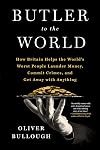
If you're not up on your oligarchs, kleptocrats and millionaire scammers, Oliver Bullough's Butler to the World will come as a major shock. In it, he shows how both British government and finance have altered or ignored laws, welcomed criminals and exported crime to other countries, all in the name of income. The City, London’s financial hub, “must be protected at all costs”, no matter how many millions of lives are shattered elsewhere around the world. The UK will accommodate all who show more flash a wad, no matter where it came from.
This is a truly remarkable book. Bullough builds relentlessly, starting with relatively ordinary crime and insufferable selfishness. But every chapter steps it up a notch or ten, as the UK and its former colonies engage in a race to the bottom of morality. It is well researched, well documented, engagingly written, and endlessly diverting. But the story is revolting.
His unifying idea is the classic English butler, Jeeves, who can fix anything for his master, even if he has to bribe or beat up a cop to do it. The result is always calm seas, and life goes on for Jeeves’ master, Bertie Wooster, spoiled, incompetent upper class brat. This is Bullough's portrait of the UK. The country continually finds ways to accept and launder dirty money, offer thieves not just citizenship, but honors, and racks up gigantic financial gains while aiding them to become established, if not sainted. And because everything financial is hidden, the government benefits not at all. Everything goes to the boys in The City. This is not good government.
Bullough has a very economic style. Here's how summarizes what I just explained: "It operates as a gigantic loophole, undercutting other countries’ rules, massaging down tax rates, neutering regulations, laundering foreign criminals’ money. It’s not just that Britain isn’t investigating the crooks; it’s helping them, too."
It starts hundreds of years ago, when Scotland allowed the formation of limited partnerships, feudal firms that never had to reveal ownership, activities or pay taxes. Today, numerous firms continue to pop up in Scotland, using the same short list of addresses - private homes where the occupants set up these companies all day long. Panama is just a spruced-up copy of what the UK invented.
The corruption ramps up throughout British history. Whole chapters of the book are devoted the Suez Canal zone, the BVI, Gibraltar and Scotland. Gibraltar doesn’t get much press any more, but what happened there is textbook government caving to finance. Gambling was determined to be the savior of the tiny and artificial economy of this peninsula on a rock, no bigger than a large park. Casinos and lotteries were the names of the games, and as more and more laws were relaxed or nullified, more gambling entities moved there to escape regulation and taxation. In the race to the bottom, Gibraltar kept slashing its tax rates for gambling revenues. They ultimately dropped to 1%, undercutting even the mother country. Now with the internet, online gambling, horrifically fixed so the customer can never win, and lotteries from all over, base themselves in Gibraltar. The money of the world flows directly to them, unimpeded by bureaucracy, regulation or financial restrictions. The amount of money draining from the poor of England alone is stunning. Thousands of pounds per person per year. And the British government? Just watching. Ironically, the government has had to complain; it loses not only the cash everyone wastes on lotteries, but the companies have moved away so they can’t be taxed, either. This is the model of what Britain has given to the world.
The lessons were learned in the British Virgin Islands, where it dawned on some lawyers that they could make a decent living setting up shell companies for the rich overseas. It festooned to its logical conclusion in the Cayman Islands, which has been built entirely on shell companies to hide the fortunes of the corrupt elected, dictators, rich executives and of course every kind of criminal imaginable. An American financial lawyer found the BVI law firm (before the internet, when research was nearly impossible and telephoning was absurdly expensive) and told them what he wanted to set up. So they did. He even wrote the laws for island governments to adopt.
The money their customers stole has simply gone missing from the country of origin, denying everyone there all kinds of services. Bullough uses the example of dirt poor Moldova, where a billion dollars disappeared into shell companies in Scotland. For the less than a million poor Moldovans, a billion dollars is gigantic, and will not be made up any time soon. The result is decaying infrastructure and little or no services. Moldova, like so many other countries, was not poor; it was ripped off. Worldwide, estimates for money stashed in shell companies is between 12 and 20 trillion dollars.
Another example comes from today’s news, where Russian troops invading Ukraine find themselves poorly armed and without food, so that they have to scavenge. The reason? The huge buildup in the military budget went into shell companies for top generals and politicians, who all seem to have gigantic yachts in Cypress (another British colony that learned well), while draftees sent to Ukraine have to deal with food rations that expired (stale-dated) in 2015. Vladimir Putin’s skimming is estimated to be as high as a hundred billion US dollars. One of his accounts was discovered in the Panama Papers, where a modest cellist from St. Petersburg was the named owner of a shell company with a billion US dollars in it. Turns out he was a neighbor and friend of Putin’s when they were both just starting out. All this money is simply not going to what it was collected for. This is why Bullough can say countries like the Caymans, the BVI and most of all the UK are busy exporting poverty and suffering, by importing and investing the ill-gotten gains of criminals.
There is a chapter on the considerable lengths the British government has gone to ensure nothing changes. There have been cases where members of Parliament have (naively) thought they could introduce bills to regulate this known and obvious criminal activity. The latest is an MP by the name of Roger Mullin:
“Unbeknownst to Mullin and indeed to pretty much everyone else, the Treasury and the private equity industry were actually seeking to loosen those same regulations, so limited partnerships would have to report even less information to the authorities than they already did. They had no interest in whether Eastern European money launderers could or could not do business, but they did want investments to be even more profitable than they already were. Remember how the Bank of England doomed controls on international money flows in the 1950s? The Treasury was doing exactly the same thing now.
“And the Treasury had a great advantage in this battle, thanks to a little-known provision in parliamentary rules called a legislative reform order. To get tighter restrictions on SLPs, Mullin needed to pass an actual law,” while loosening the rules only required a simple order to do so.
The great butlering innovation of British finance is called the Eurodollar. Created in the 1950s, 50 years before the euro currency came into being, it is simply a way for bankers to avoid acknowledging the color of cash. If dollars are tracked, they can call it a Eurodollar deal and the authorities have no say. It works the other way just as well. Bullough compares it to light: it can be a wave or a particle, depending on whatever works at the moment. Eurodollar trading allows vast pools of money to transit all over the world, instantly, and the taxman can’t touch them, no matter where they land – or they just change labels and move on again. Here too, there is no direct benefit to the government of the UK, but it keeps The City humming, and those are the people in power.
Bullough has a delightful chapter on the people running the Bank of England and the financial companies. Their old boy network is a strictly closed club, where those inside call each other by first names, and they signify an outsider (from a different school, or God forbid, a university, or worse - Jewish) by addressing them by last name only, even in official communications. They operate on gut feelings and the need to keep the money pumping. Who they hurt, including the whole country, is of no concern. They are money men, and their lives are to keep it coming in. Law is a distraction to be minimized or eliminated.
As early as 1907, records show debates in London using the excuse that Britain would simply lose money if other jurisdictions taxed less than London did, and that there was no point in tightening laws until other countries did so as well. This twin excuse has succeeded everywhere, all over the world, every time the issue comes up. The result is this totally amoral race - to the bottom. And the UK is pretty much there now.
Today, regulators that have had their budgets continually slashed are swamped with reports from banks about suspicious accounts and transactions, but they don’t even have the staff to read them all. So the vast majority of the filings don’t ever get read, just filed, and only a sliver (.04%) have penalties imposed. Because of this, 98.5% of cases never even get reported. In other words, the UK offers all but zero chance being caught.
There are 26 responsible financial agencies in the UK, all overstretched, underfunded, and incapable of carrying out their mandates. It has come to the point where if you are rich enough, you can bring a criminal case yourself in England, because the police can’t afford it. Con artists have gone to prison and had all their assets seized from these private prosecutions. This is just as wrong.
In one galling story, an accountant from Azerbaijan was ripped off by a Russian con artist in England. It was a phony bank branch in a gleaming office tower in Hong Kong, as elaborate as anything in the film The Sting. He got some degree of justice, but the courts were astonishingly more worried about reputational damage to the profession than meting out justice. As Bullough tells it:
“The SRA (Solicitors Regulation Authority) fined him (the con man) £45,000, which is better than nothing, but the ruling revealed that its primary concern was whether Sharif (the victim) had damaged the reputation of his profession and made no mention at all of the damage that money laundering does to the victims of corruption in Azerbaijan. It took comfort from the fact that ‘no client had suffered loss as a result’ of Sharif’s conduct, which is particularly perverse because the whole point of filing a suspicious activity report is to allow the authorities to confiscate criminal wealth.” This is a stunning condemnation all by itself.
In sum, “Britain has essentially outsourced responsibility for stopping money laundering to the money launderers, and is failing to stop dirty money as a result. Much of the time the same bodies tasked with regulating professionals’ financial transactions are also charged with lobbying government on their behalf, while also relying on those same professionals’ membership fees to keep solvent.” It is business as usual in the UK.
This is Bullough's beat. He writes about it in numerous publications. He is even a guide on the London Kleptocracy Tours, where instead of Hollywood film stars' homes, the tours drift past the mansions and flats of the world's biggest thieves. These are civil servants like Russian Foreign Secretary Sergey Lavrov, who can somehow afford to give his 21 year old daughter (he is a bigamist with at least two families) her first apartment, a four million pound flat in the fashionable west end. Meanwhile the Chancellor of the Exchequer has moved out of his Downing Street flat after it was discovered his wife considers herself non-domiciled in Britain so that she pays no taxes on the IT fortune she inherited in her native India. Instead, they have moved back to their luxury accommodations all the way over in Kensington, a couple of miles west. Her husband, Rishi Sunak, has called for an investigation, not of his wife’s dodgy finances, but how the world found out about them. The list is endless.
I realized when I reviewed Bullough’s previous book, Moneyland, that this was the person everyone needs to explain financial shenanigans. Here, with Butler to the World, he proves it firmly again. The book is not just shocking, but often laughably so. It is as entertaining as it is informative.
The UK may be a butler to criminals, but it is a farcical one. Jeeves would probably take offense.
David Wineberg show less
This is a truly remarkable book. Bullough builds relentlessly, starting with relatively ordinary crime and insufferable selfishness. But every chapter steps it up a notch or ten, as the UK and its former colonies engage in a race to the bottom of morality. It is well researched, well documented, engagingly written, and endlessly diverting. But the story is revolting.
His unifying idea is the classic English butler, Jeeves, who can fix anything for his master, even if he has to bribe or beat up a cop to do it. The result is always calm seas, and life goes on for Jeeves’ master, Bertie Wooster, spoiled, incompetent upper class brat. This is Bullough's portrait of the UK. The country continually finds ways to accept and launder dirty money, offer thieves not just citizenship, but honors, and racks up gigantic financial gains while aiding them to become established, if not sainted. And because everything financial is hidden, the government benefits not at all. Everything goes to the boys in The City. This is not good government.
Bullough has a very economic style. Here's how summarizes what I just explained: "It operates as a gigantic loophole, undercutting other countries’ rules, massaging down tax rates, neutering regulations, laundering foreign criminals’ money. It’s not just that Britain isn’t investigating the crooks; it’s helping them, too."
It starts hundreds of years ago, when Scotland allowed the formation of limited partnerships, feudal firms that never had to reveal ownership, activities or pay taxes. Today, numerous firms continue to pop up in Scotland, using the same short list of addresses - private homes where the occupants set up these companies all day long. Panama is just a spruced-up copy of what the UK invented.
The corruption ramps up throughout British history. Whole chapters of the book are devoted the Suez Canal zone, the BVI, Gibraltar and Scotland. Gibraltar doesn’t get much press any more, but what happened there is textbook government caving to finance. Gambling was determined to be the savior of the tiny and artificial economy of this peninsula on a rock, no bigger than a large park. Casinos and lotteries were the names of the games, and as more and more laws were relaxed or nullified, more gambling entities moved there to escape regulation and taxation. In the race to the bottom, Gibraltar kept slashing its tax rates for gambling revenues. They ultimately dropped to 1%, undercutting even the mother country. Now with the internet, online gambling, horrifically fixed so the customer can never win, and lotteries from all over, base themselves in Gibraltar. The money of the world flows directly to them, unimpeded by bureaucracy, regulation or financial restrictions. The amount of money draining from the poor of England alone is stunning. Thousands of pounds per person per year. And the British government? Just watching. Ironically, the government has had to complain; it loses not only the cash everyone wastes on lotteries, but the companies have moved away so they can’t be taxed, either. This is the model of what Britain has given to the world.
The lessons were learned in the British Virgin Islands, where it dawned on some lawyers that they could make a decent living setting up shell companies for the rich overseas. It festooned to its logical conclusion in the Cayman Islands, which has been built entirely on shell companies to hide the fortunes of the corrupt elected, dictators, rich executives and of course every kind of criminal imaginable. An American financial lawyer found the BVI law firm (before the internet, when research was nearly impossible and telephoning was absurdly expensive) and told them what he wanted to set up. So they did. He even wrote the laws for island governments to adopt.
The money their customers stole has simply gone missing from the country of origin, denying everyone there all kinds of services. Bullough uses the example of dirt poor Moldova, where a billion dollars disappeared into shell companies in Scotland. For the less than a million poor Moldovans, a billion dollars is gigantic, and will not be made up any time soon. The result is decaying infrastructure and little or no services. Moldova, like so many other countries, was not poor; it was ripped off. Worldwide, estimates for money stashed in shell companies is between 12 and 20 trillion dollars.
Another example comes from today’s news, where Russian troops invading Ukraine find themselves poorly armed and without food, so that they have to scavenge. The reason? The huge buildup in the military budget went into shell companies for top generals and politicians, who all seem to have gigantic yachts in Cypress (another British colony that learned well), while draftees sent to Ukraine have to deal with food rations that expired (stale-dated) in 2015. Vladimir Putin’s skimming is estimated to be as high as a hundred billion US dollars. One of his accounts was discovered in the Panama Papers, where a modest cellist from St. Petersburg was the named owner of a shell company with a billion US dollars in it. Turns out he was a neighbor and friend of Putin’s when they were both just starting out. All this money is simply not going to what it was collected for. This is why Bullough can say countries like the Caymans, the BVI and most of all the UK are busy exporting poverty and suffering, by importing and investing the ill-gotten gains of criminals.
There is a chapter on the considerable lengths the British government has gone to ensure nothing changes. There have been cases where members of Parliament have (naively) thought they could introduce bills to regulate this known and obvious criminal activity. The latest is an MP by the name of Roger Mullin:
“Unbeknownst to Mullin and indeed to pretty much everyone else, the Treasury and the private equity industry were actually seeking to loosen those same regulations, so limited partnerships would have to report even less information to the authorities than they already did. They had no interest in whether Eastern European money launderers could or could not do business, but they did want investments to be even more profitable than they already were. Remember how the Bank of England doomed controls on international money flows in the 1950s? The Treasury was doing exactly the same thing now.
“And the Treasury had a great advantage in this battle, thanks to a little-known provision in parliamentary rules called a legislative reform order. To get tighter restrictions on SLPs, Mullin needed to pass an actual law,” while loosening the rules only required a simple order to do so.
The great butlering innovation of British finance is called the Eurodollar. Created in the 1950s, 50 years before the euro currency came into being, it is simply a way for bankers to avoid acknowledging the color of cash. If dollars are tracked, they can call it a Eurodollar deal and the authorities have no say. It works the other way just as well. Bullough compares it to light: it can be a wave or a particle, depending on whatever works at the moment. Eurodollar trading allows vast pools of money to transit all over the world, instantly, and the taxman can’t touch them, no matter where they land – or they just change labels and move on again. Here too, there is no direct benefit to the government of the UK, but it keeps The City humming, and those are the people in power.
Bullough has a delightful chapter on the people running the Bank of England and the financial companies. Their old boy network is a strictly closed club, where those inside call each other by first names, and they signify an outsider (from a different school, or God forbid, a university, or worse - Jewish) by addressing them by last name only, even in official communications. They operate on gut feelings and the need to keep the money pumping. Who they hurt, including the whole country, is of no concern. They are money men, and their lives are to keep it coming in. Law is a distraction to be minimized or eliminated.
As early as 1907, records show debates in London using the excuse that Britain would simply lose money if other jurisdictions taxed less than London did, and that there was no point in tightening laws until other countries did so as well. This twin excuse has succeeded everywhere, all over the world, every time the issue comes up. The result is this totally amoral race - to the bottom. And the UK is pretty much there now.
Today, regulators that have had their budgets continually slashed are swamped with reports from banks about suspicious accounts and transactions, but they don’t even have the staff to read them all. So the vast majority of the filings don’t ever get read, just filed, and only a sliver (.04%) have penalties imposed. Because of this, 98.5% of cases never even get reported. In other words, the UK offers all but zero chance being caught.
There are 26 responsible financial agencies in the UK, all overstretched, underfunded, and incapable of carrying out their mandates. It has come to the point where if you are rich enough, you can bring a criminal case yourself in England, because the police can’t afford it. Con artists have gone to prison and had all their assets seized from these private prosecutions. This is just as wrong.
In one galling story, an accountant from Azerbaijan was ripped off by a Russian con artist in England. It was a phony bank branch in a gleaming office tower in Hong Kong, as elaborate as anything in the film The Sting. He got some degree of justice, but the courts were astonishingly more worried about reputational damage to the profession than meting out justice. As Bullough tells it:
“The SRA (Solicitors Regulation Authority) fined him (the con man) £45,000, which is better than nothing, but the ruling revealed that its primary concern was whether Sharif (the victim) had damaged the reputation of his profession and made no mention at all of the damage that money laundering does to the victims of corruption in Azerbaijan. It took comfort from the fact that ‘no client had suffered loss as a result’ of Sharif’s conduct, which is particularly perverse because the whole point of filing a suspicious activity report is to allow the authorities to confiscate criminal wealth.” This is a stunning condemnation all by itself.
In sum, “Britain has essentially outsourced responsibility for stopping money laundering to the money launderers, and is failing to stop dirty money as a result. Much of the time the same bodies tasked with regulating professionals’ financial transactions are also charged with lobbying government on their behalf, while also relying on those same professionals’ membership fees to keep solvent.” It is business as usual in the UK.
This is Bullough's beat. He writes about it in numerous publications. He is even a guide on the London Kleptocracy Tours, where instead of Hollywood film stars' homes, the tours drift past the mansions and flats of the world's biggest thieves. These are civil servants like Russian Foreign Secretary Sergey Lavrov, who can somehow afford to give his 21 year old daughter (he is a bigamist with at least two families) her first apartment, a four million pound flat in the fashionable west end. Meanwhile the Chancellor of the Exchequer has moved out of his Downing Street flat after it was discovered his wife considers herself non-domiciled in Britain so that she pays no taxes on the IT fortune she inherited in her native India. Instead, they have moved back to their luxury accommodations all the way over in Kensington, a couple of miles west. Her husband, Rishi Sunak, has called for an investigation, not of his wife’s dodgy finances, but how the world found out about them. The list is endless.
I realized when I reviewed Bullough’s previous book, Moneyland, that this was the person everyone needs to explain financial shenanigans. Here, with Butler to the World, he proves it firmly again. The book is not just shocking, but often laughably so. It is as entertaining as it is informative.
The UK may be a butler to criminals, but it is a farcical one. Jeeves would probably take offense.
David Wineberg show less
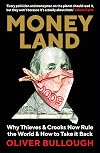
From time to time while reading certain magazine articles I notice whenever a RIP (really important person) has legal troubles, the media outlet likes to volunteer the accusations are spurious and without foundation. Illuminating in this regard is the chapter in the book that focuses on legal tourism; individuals can now simply go à la carte and find the most draconian laws on the planet to throttle their enemies or muzzle simple journalistic curiosity using that nation's keister paddles. show more Having had several major articles killed and a documentary that may never see the light of day, the author is well aware content isn't what is provable, but only what your publisher dares print; media companies live in fear of being sued and few are silly enough to risk bankruptcy or several years (or decades) of legal harassment, hence the deference. The simple reality is the RIPs have the option of turning off your lights permanently. Predation requires anonymity.
In the Cancer chapter, Bullough rewalks the corridors and revisits the dingy waiting rooms the day after a glorious whistle stop by Ukraine's Prime Minister celebrating the miracle that is his country's health care system; without official minders, the people he talks to are willing to admit their system has been completely looted: a hospital stay is a death sentence unless you can bribe key personnel. This sinking culture in turn imposes social burdens and premiums on honesty in society at large. If you dare to hold onto those quaint redundancies, you will be driven off the field as a troublemaker. At the low end, the price will be a new career path, immigration, or early retirement; at the deep end, moral crusades tend to cease right after a catastrophic car malfunction or a hail of bullets.
The author spots a couple of declinations; using the global transparency index (GTI) he notices England sparkles as a law-abiding nation despite the presence of luxury clippers and Londonian yachts flying the Jolly Roger while docked in the Thames. Russia is seen as ethically challenged and fundamentally corrupt because its financial elite uses the City of London's financial legerdemain to hide its lucre. When this was first published Britain was in the top ten according to the GTI, now they are 23rd.
Another catch is the American tumble. When the American DOJ attacked foreign financial corruption, focusing on the Swiss banks in particular, this had the curious effect of transferring an avalanche of Swiss cash into the American coffers. Impenetrable bank secrecy outside the United States is deplorable, shocking. Regulatory oversight within the US is unimportant. The astute observer will notice we are still within the elite first tier of world finance but the summits of integrity are not quite as lofty as they once were.
And rather than Moneyland, a catchier title for the book could have been Pluto―as in -cracy; -land; -nomists; -parasites; -philia; -phobic; the suffixes exhaust themselves . . . as well as an exclamation mark uncorking the expletive. show less
In the Cancer chapter, Bullough rewalks the corridors and revisits the dingy waiting rooms the day after a glorious whistle stop by Ukraine's Prime Minister celebrating the miracle that is his country's health care system; without official minders, the people he talks to are willing to admit their system has been completely looted: a hospital stay is a death sentence unless you can bribe key personnel. This sinking culture in turn imposes social burdens and premiums on honesty in society at large. If you dare to hold onto those quaint redundancies, you will be driven off the field as a troublemaker. At the low end, the price will be a new career path, immigration, or early retirement; at the deep end, moral crusades tend to cease right after a catastrophic car malfunction or a hail of bullets.
The author spots a couple of declinations; using the global transparency index (GTI) he notices England sparkles as a law-abiding nation despite the presence of luxury clippers and Londonian yachts flying the Jolly Roger while docked in the Thames. Russia is seen as ethically challenged and fundamentally corrupt because its financial elite uses the City of London's financial legerdemain to hide its lucre. When this was first published Britain was in the top ten according to the GTI, now they are 23rd.
Another catch is the American tumble. When the American DOJ attacked foreign financial corruption, focusing on the Swiss banks in particular, this had the curious effect of transferring an avalanche of Swiss cash into the American coffers. Impenetrable bank secrecy outside the United States is deplorable, shocking. Regulatory oversight within the US is unimportant. The astute observer will notice we are still within the elite first tier of world finance but the summits of integrity are not quite as lofty as they once were.
And rather than Moneyland, a catchier title for the book could have been Pluto―as in -cracy; -land; -nomists; -parasites; -philia; -phobic; the suffixes exhaust themselves . . . as well as an exclamation mark uncorking the expletive. show less
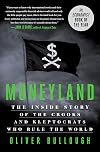
The world is far more corrupt than anyone imagines. The ruling classes feel entitled to steal tax money at will, stash it in overseas accounts, and spend it like it was legitimate through shell companies and trusts. The “country” that enables this is one Oliver Bullough calls Moneyland. It has no borders, no government, and no taxes, but gets it power and support from all of those. Its citizens are welcomed worldwide, no questions asked. The richer they are, the wider the doors swing show more open.
It used to be that local officials were limited in their greed, because there was only so much they could spend locally. But thanks to globalization and the internet, they can buy condos and buildings, yachts and whole companies right from their laptops, and no one will know. Bullough says “It’s the financial equivalent of never feeling full, no matter how much you eat.” The result is a hollowing out of major cities all over the world, as “corporate” buyers snap up apartments and townhouses, which remain empty. They are simply laundering money for some unnamed “investor”. Meanwhile, their real countries are impoverished as money disappears from them.
They create companies by the boatload. Tens of thousands are created and have their head offices in a townhouse on Harley Street in London, for example. They are sold on the internet for $250-$1000 apiece. Attached to a bank account, they can receive bribes and kickbacks, and purchase condos and yachts. The companies are owned by other companies, which are owned by other companies. Eventually, a real person is named, with no apparent connection to the real owner. (Vladimir Putin’s shell company is in the name of a cellist who was a friend and neighbor of his growing up. It reportedly has a billion dollars in it. Not bad for a cellist.)
The poster child Bullough explores is Ukraine, where “Corruption had so hollowed out the state that it had all but ceased to exist except as means of illegal enrichment.” From the president on down, everyone seems to be on the take, having budgets diverted to their own accounts, or getting kickbacks direct deposited when they pay outrageous prices for equipment or services. Hospitals have no supplies because management has diverted all funds. Doctors get paid $200 a month and must beg patients for money, even though healthcare is guaranteed free. The police are not there to serve and protect, but to be avoided. The courts toe the line of the ruling class. If a company won’t pay bribes, it will find itself unable to operate, and suing will not help.
This is the way of the world, where all the aid money from foreign sources disappears before it reaches anyone in need. Politicians sport $300,000 watches while most of the population has no access to clean water. Their countries are money machines for the ruling classes, and no one else matters. Bullough quotes US Marine Corps General John Allen on his time in Afghanistan: “They (Taliban) are an annoyance compared to the scope and magnitude of corruption with which you must contend.”
It is so entrenched that Bullough cites a local Ukrainian politician: “The choice isn’t between taking a bribe and being honest: it’s between taking a bribe or your children being killed. Of course, you take the bribe.” It consumes even the most naïve and fair. The result is 52% of Russian wealth is held offshore, 57% of Gulf wealth and 30% of African wealth. That doesn’t leave much for the 99%. Or the country.
While the internet has enabled the thieves to open accounts, companies and trusts, countries have enabled them to protect themselves by selling them passports. St. Lucia in the Caribbean alone has issued nearly 13,000. The US sells green cards to anyone willing to invest at least $400,000 in a house or condo. It has issued tens of thousands of these cards.
A new fashion has been added to the sale of passports. Now, thieves can also purchase diplomatic immunity through any kind of ambassadorship. It could be to a country, or just a committee of the UN. It’s a get out of jail free card that dreams are made of.
As corrupt as so many countries are, it seems to pale beside the western countries like the USA and the UK, which provide endless pools of lawyers, bankers and advisors to enable the corruption. Citibank comes up repeatedly as glorying in the fat fees it obtains for laundering millions for corrupt African politicians. If you need your stash structured and hidden, if you need to attack an enemy or defend yourself against government calls for information, it’s the USA that will rush to your side. States like Nevada and Delaware are famous in the rest of the world for their Swiss-like protection of fraudulently-obtained wealth. The hypocrisy of the US whining about tax havens while providing the biggest haven of all is just too clear. While it fines Swiss bank UBS, it lauds the American financial sector on its impressive growth, laundering stolen money by the billions.
One thing missing from Moneyland is the attitudes of the corrupt. Because the revenue stream is endless, money means absolutely nothing to them. Overpaying for cars, parties, or wedding gowns is all trivial. Tipping with hundred dollar bills too. The money is so plentiful it actually has no meaning in their world.
What makes Moneyland so strong is that Bullough has done all his own, original research, onsite. He digs, pesters and perseveres. If a lead goes nowhere, he finds a different angle, on his own. Not once, for example, does he refer to the Panama Papers, which exposed the phony corporate shell business two years ago. The scandal is so deep, he has been able to fill yet another hard-hitting book with its virus.
David Wineberg show less
It used to be that local officials were limited in their greed, because there was only so much they could spend locally. But thanks to globalization and the internet, they can buy condos and buildings, yachts and whole companies right from their laptops, and no one will know. Bullough says “It’s the financial equivalent of never feeling full, no matter how much you eat.” The result is a hollowing out of major cities all over the world, as “corporate” buyers snap up apartments and townhouses, which remain empty. They are simply laundering money for some unnamed “investor”. Meanwhile, their real countries are impoverished as money disappears from them.
They create companies by the boatload. Tens of thousands are created and have their head offices in a townhouse on Harley Street in London, for example. They are sold on the internet for $250-$1000 apiece. Attached to a bank account, they can receive bribes and kickbacks, and purchase condos and yachts. The companies are owned by other companies, which are owned by other companies. Eventually, a real person is named, with no apparent connection to the real owner. (Vladimir Putin’s shell company is in the name of a cellist who was a friend and neighbor of his growing up. It reportedly has a billion dollars in it. Not bad for a cellist.)
The poster child Bullough explores is Ukraine, where “Corruption had so hollowed out the state that it had all but ceased to exist except as means of illegal enrichment.” From the president on down, everyone seems to be on the take, having budgets diverted to their own accounts, or getting kickbacks direct deposited when they pay outrageous prices for equipment or services. Hospitals have no supplies because management has diverted all funds. Doctors get paid $200 a month and must beg patients for money, even though healthcare is guaranteed free. The police are not there to serve and protect, but to be avoided. The courts toe the line of the ruling class. If a company won’t pay bribes, it will find itself unable to operate, and suing will not help.
This is the way of the world, where all the aid money from foreign sources disappears before it reaches anyone in need. Politicians sport $300,000 watches while most of the population has no access to clean water. Their countries are money machines for the ruling classes, and no one else matters. Bullough quotes US Marine Corps General John Allen on his time in Afghanistan: “They (Taliban) are an annoyance compared to the scope and magnitude of corruption with which you must contend.”
It is so entrenched that Bullough cites a local Ukrainian politician: “The choice isn’t between taking a bribe and being honest: it’s between taking a bribe or your children being killed. Of course, you take the bribe.” It consumes even the most naïve and fair. The result is 52% of Russian wealth is held offshore, 57% of Gulf wealth and 30% of African wealth. That doesn’t leave much for the 99%. Or the country.
While the internet has enabled the thieves to open accounts, companies and trusts, countries have enabled them to protect themselves by selling them passports. St. Lucia in the Caribbean alone has issued nearly 13,000. The US sells green cards to anyone willing to invest at least $400,000 in a house or condo. It has issued tens of thousands of these cards.
A new fashion has been added to the sale of passports. Now, thieves can also purchase diplomatic immunity through any kind of ambassadorship. It could be to a country, or just a committee of the UN. It’s a get out of jail free card that dreams are made of.
As corrupt as so many countries are, it seems to pale beside the western countries like the USA and the UK, which provide endless pools of lawyers, bankers and advisors to enable the corruption. Citibank comes up repeatedly as glorying in the fat fees it obtains for laundering millions for corrupt African politicians. If you need your stash structured and hidden, if you need to attack an enemy or defend yourself against government calls for information, it’s the USA that will rush to your side. States like Nevada and Delaware are famous in the rest of the world for their Swiss-like protection of fraudulently-obtained wealth. The hypocrisy of the US whining about tax havens while providing the biggest haven of all is just too clear. While it fines Swiss bank UBS, it lauds the American financial sector on its impressive growth, laundering stolen money by the billions.
One thing missing from Moneyland is the attitudes of the corrupt. Because the revenue stream is endless, money means absolutely nothing to them. Overpaying for cars, parties, or wedding gowns is all trivial. Tipping with hundred dollar bills too. The money is so plentiful it actually has no meaning in their world.
What makes Moneyland so strong is that Bullough has done all his own, original research, onsite. He digs, pesters and perseveres. If a lead goes nowhere, he finds a different angle, on his own. Not once, for example, does he refer to the Panama Papers, which exposed the phony corporate shell business two years ago. The scandal is so deep, he has been able to fill yet another hard-hitting book with its virus.
David Wineberg show less
For those who already know how the wealthiest among us protect their money from the IRS, from law enforcement agencies, and from the scrutiny of other governments, this book will give you an advanced degree in the subject. For those blissfully unaware of the machinations of Moneyland, the book provides a jarring re-adjustment of all of your treasured assumptions about “fair play” and how the world really works.
One of the surprising revelations in Moneyland is that the tax-avoidance show more manipulations and the shuffling of money to hide it from governments is almost always entirely legal. This book does not reveal how laws are broken. Instead, it reveals how laws are passed, and intentionally customized to provide rabbit holes down which to sink vast fortunes in the hundreds of $billions and even $trillions. The term “rabbit hole” is quaint, because this nether region of $trillions, which the author calls “Moneyland,” where a tiny percentage of the population does business, constitutes an economy as large as the entire global “above-ground” economy.
One of the key facts that makes Moneyland possible, is that money can flow freely across national borders, but law enforcement does not. Law enforcement stops at the border. So the FBI, for example, can do nothing about US Citizens who own dozens of shell companies in other nation states. Some of the Moneyland-friendly nation states specifically legislate to attract Moneylanders. Investigators from the US or other countries cannot gain access to any of the records of incorporation, or bank records, or records of transactions, or even who may have accounts in the Moneyland nation state. By creating corporate structures in various jurisdictions, Moneyland rises above the laws of any one jurisdiction. So the rich figuratively, sometimes literally, are global citizens, above the laws of any single country, in ways that are not possible for the rest of us. That’s how Moneyland legally protects Moneyland.
The foundation of Moneyland’s financial industry rests with these governments whose economy depends upon the world’s wealthiest clients who want secrecy. For some nations, this is their only economy. They generate revenue from the fees they charge for setting up confidential companies and confidential transactions. They deal in citizenship and passports as commodities. For example, if you are a leader of a government, and you squirrel away $billions, you might want to make a quick exit from that country at some point. If you have a ready-made citizenship in a nation state in the Caribbean, and a passport to travel under, you are home free. By moving your $billions around various shell companies incorporated in the Caribbean, you can draw on that money anytime, anywhere, with assured confidentiality. And it’s perfectly legal. Moneyland does not check or care if the original source of the money was legal or ethical. Sometimes it is, sometimes it isn’t. But once the money is invested in this shadow global financial industry, it is effectively “laundered,” and legally protected.
The rules of the game are very complicated. Everyone’s financial situation is different. It takes the brightest lawyers to look at an individual’s circumstances, then determine which Moneyland nations’ laws are best suited to protect the secrecy and security of the individual’s wealth, and maximize it. The precise strategies using shell companies and Caribbean accounts is unique for each individual. This is why Moneyland is such a massive invisible industry. The first requirement of the whole system is invisibility, the second requirement is ease of access to the “processed” money.
Nation states actually engage these Moneyland lawyers to help write their laws to make sure Moneylanders will do business in their country. When you see the annual “wealthiest people in the world” listed in a finance magazine, the one thing you can be sure of, is that those are NOT the wealthiest people in the world. The wealthiest are invisible, and will never be included in such a list.
If you happen to slip up, or get a bad lawyer, who leaves a loophole open where your money machinations broke a law in some country, exposing you to law enforcement, there is one other commodity you can buy for extra safety: Diplomatic Immunity. For the right price, you can be come an official designee from a willing nation state to the United Nations. Once you have a nation state’s citizenship, passport, and add “diplomat” to your credentials, you have the ultimate checkmate over the US or any other country’s legal jurisdiction.
Moneylanders are sometimes referred to as “UHNWs” or Ultra-High-Net-Worth people. In a world of 7 billion people, there are about 230,000 UHNWs. The wealth of these 230,000 people is about $27 trillion. The UHNW population is expected to grow to about 300,000 in the next couple of years, with wealth increasing to about $36 trillion.
A shell company can be owned by another shell company, and so on with no end to the layers. There are plenty of buildings in London, New York, and around the world that no one knows who owns. In one example, the US government didn’t know who owned a third of the buildings leased by its own General Services Administration (98). Apparently shell-company ownership is so routine to those “in the know,” the government doesn’t even care if it leases from anonymous companies.
Towards the end of the book, the author makes a weak (perhaps obligatory) attempt to encourage the reader that Moneyland can still be changed, even dismantled. But that attempt is so lame, it actually reinforces the permanence and unchangeability of the $trillion financial industry known as Moneyland.
In the final analysis, Moneyland is here to stay. Secrecy ensures a good portion of the wealth in Moneyland will continue to come from illegal sources (corrupt government officials, tax evaders, organized crime figures). But much comes legally, though perhaps not ethically, by way of shell companies that feed tax-free cash into the system. The book names names of some Moneylanders (from American businesses to foreign dictators to sundry international entrepreneurs), cites attempted legal cases and lawsuits, identifies the nation states most closely identified with shell companies and Moneylanders. These are not included in this book review. You’ll have to buy the book for that information.
The book tells a gripping story, a story that is rigorously factual and documented in every detail. An unexpected bonus of this book—it is beautifully written. Bullough is an excellent writer who knows how to craft a sentence as well as how to tell a story. It’s a compelling story and a pleasure to read. show less
One of the surprising revelations in Moneyland is that the tax-avoidance show more manipulations and the shuffling of money to hide it from governments is almost always entirely legal. This book does not reveal how laws are broken. Instead, it reveals how laws are passed, and intentionally customized to provide rabbit holes down which to sink vast fortunes in the hundreds of $billions and even $trillions. The term “rabbit hole” is quaint, because this nether region of $trillions, which the author calls “Moneyland,” where a tiny percentage of the population does business, constitutes an economy as large as the entire global “above-ground” economy.
One of the key facts that makes Moneyland possible, is that money can flow freely across national borders, but law enforcement does not. Law enforcement stops at the border. So the FBI, for example, can do nothing about US Citizens who own dozens of shell companies in other nation states. Some of the Moneyland-friendly nation states specifically legislate to attract Moneylanders. Investigators from the US or other countries cannot gain access to any of the records of incorporation, or bank records, or records of transactions, or even who may have accounts in the Moneyland nation state. By creating corporate structures in various jurisdictions, Moneyland rises above the laws of any one jurisdiction. So the rich figuratively, sometimes literally, are global citizens, above the laws of any single country, in ways that are not possible for the rest of us. That’s how Moneyland legally protects Moneyland.
The foundation of Moneyland’s financial industry rests with these governments whose economy depends upon the world’s wealthiest clients who want secrecy. For some nations, this is their only economy. They generate revenue from the fees they charge for setting up confidential companies and confidential transactions. They deal in citizenship and passports as commodities. For example, if you are a leader of a government, and you squirrel away $billions, you might want to make a quick exit from that country at some point. If you have a ready-made citizenship in a nation state in the Caribbean, and a passport to travel under, you are home free. By moving your $billions around various shell companies incorporated in the Caribbean, you can draw on that money anytime, anywhere, with assured confidentiality. And it’s perfectly legal. Moneyland does not check or care if the original source of the money was legal or ethical. Sometimes it is, sometimes it isn’t. But once the money is invested in this shadow global financial industry, it is effectively “laundered,” and legally protected.
The rules of the game are very complicated. Everyone’s financial situation is different. It takes the brightest lawyers to look at an individual’s circumstances, then determine which Moneyland nations’ laws are best suited to protect the secrecy and security of the individual’s wealth, and maximize it. The precise strategies using shell companies and Caribbean accounts is unique for each individual. This is why Moneyland is such a massive invisible industry. The first requirement of the whole system is invisibility, the second requirement is ease of access to the “processed” money.
Nation states actually engage these Moneyland lawyers to help write their laws to make sure Moneylanders will do business in their country. When you see the annual “wealthiest people in the world” listed in a finance magazine, the one thing you can be sure of, is that those are NOT the wealthiest people in the world. The wealthiest are invisible, and will never be included in such a list.
If you happen to slip up, or get a bad lawyer, who leaves a loophole open where your money machinations broke a law in some country, exposing you to law enforcement, there is one other commodity you can buy for extra safety: Diplomatic Immunity. For the right price, you can be come an official designee from a willing nation state to the United Nations. Once you have a nation state’s citizenship, passport, and add “diplomat” to your credentials, you have the ultimate checkmate over the US or any other country’s legal jurisdiction.
Moneylanders are sometimes referred to as “UHNWs” or Ultra-High-Net-Worth people. In a world of 7 billion people, there are about 230,000 UHNWs. The wealth of these 230,000 people is about $27 trillion. The UHNW population is expected to grow to about 300,000 in the next couple of years, with wealth increasing to about $36 trillion.
A shell company can be owned by another shell company, and so on with no end to the layers. There are plenty of buildings in London, New York, and around the world that no one knows who owns. In one example, the US government didn’t know who owned a third of the buildings leased by its own General Services Administration (98). Apparently shell-company ownership is so routine to those “in the know,” the government doesn’t even care if it leases from anonymous companies.
Towards the end of the book, the author makes a weak (perhaps obligatory) attempt to encourage the reader that Moneyland can still be changed, even dismantled. But that attempt is so lame, it actually reinforces the permanence and unchangeability of the $trillion financial industry known as Moneyland.
In the final analysis, Moneyland is here to stay. Secrecy ensures a good portion of the wealth in Moneyland will continue to come from illegal sources (corrupt government officials, tax evaders, organized crime figures). But much comes legally, though perhaps not ethically, by way of shell companies that feed tax-free cash into the system. The book names names of some Moneylanders (from American businesses to foreign dictators to sundry international entrepreneurs), cites attempted legal cases and lawsuits, identifies the nation states most closely identified with shell companies and Moneylanders. These are not included in this book review. You’ll have to buy the book for that information.
The book tells a gripping story, a story that is rigorously factual and documented in every detail. An unexpected bonus of this book—it is beautifully written. Bullough is an excellent writer who knows how to craft a sentence as well as how to tell a story. It’s a compelling story and a pleasure to read. show less
Lists
Awards


You May Also Like


Associated Authors
Statistics
- Works
- 5
- Also by
- 2
- Members
- 970
- Popularity
- #26,549
- Rating
- 4.1
- Reviews
- 23
- ISBNs
- 47
- Languages
- 9