
Marie O'Regan
Author of Cursed: An Anthology of Dark Fairy Tales
About the Author
Works by Marie O'Regan
The Secret Romantic's Book of Magic: Twelve Spellbinding Romantasy Stories (2025) — Editor; Contributor — 36 copies, 1 review
Associated Works
The Mammoth Book of Halloween Stories: Terrifying Tales Set on the Scariest Night of the Year! (2018) — Contributor — 72 copies
Where Nightmares Come From: The Art of Storytelling in the Horror Genre (2017) — Interviewer — 46 copies, 3 reviews
Tagged
Common Knowledge
- Birthdate
- 20th century
- Gender
- female
- Occupations
- horror writer
- Relationships
- Kane, Paul (spouse)
- Nationality
- UK
- Places of residence
- Midlands, England, UK
- Associated Place (for map)
- England, UK
Members
Reviews
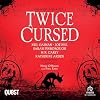
Sixteen stories about curses, the cursed and those who curse, told in a wide variety of styles. Some of the best revisit fairytales, showing them for the nightmare warnings they were before they were sanitised and made child-safe. A few are in classic horror locations: a carnival, a circus, a Music Hall theatre, where the line between illusion and magic can be crossed unnoticed.
Five of the stories stood out for me: Neil Gaiman's take on Snow White from the (allegedly) evil queen's point of show more view; Angela Slatter's travelling circus with a covert agenda. Mark Chadbourn's reflection on the hate and rage needed to sustain a curse; Joe Hill's story of drunken teenagers dooming themselves at a carousel that is more than it seems to be and A. C. Wise's blood-soaked take on the Red Shoes and the women who wear them.
I've commented on each story below in the order they appear in the collection.
THE BELL by Joanne Harris ★★★
A classic 'fairy tale as a warning to the young' story. The moral seems to be - don't trust the rich - they're not like you and me. A timely lesson I think.
SNOW, GLASS, APPLES by Neil Gaiman ★★★★★
A dark but deeply plausible retelling of Snow White, told from the "evil" queen's point of view. This is not the Snow White of Disney but it's one the Brothers Grimm would have nodded at I think. The dispassionate tone of the queen's voice makes the story even darker when you understand how it's going to end. It also has the creepiest Prince Charming I've ever encountered. I don't think Pixar will be buying the screen rights.
THE TISSOT FAMILY CIRCUS by Angela Slatter ★★★★
An original 'Creepy Carnival' story that didn't go where I expected it to. The idea behind the Tissot Family Circus is very powerful. The need for its existence is horrifying but what it does brings hope. I loved the slow reveal. The more I learned, the more steeped in sorrow the story became. The shepherd's decision provided the perfect ending.
MR THIRTEEN by M. R. Carey ★★
This was disappointing. An original take on curses and the cursed. The potential for something tense and terrifying. Yet all that energy drained away into nothing, earthed by an I'm-not-taking-this-seriously-except-as-a-thought-experiment that left me feeling I'd wasted my time reading the story.
THE CONFESSOR'S TALE by Sarah Pinborough ★★
I couldn't connect with this. It was strange and as hard to ignore as a bad smell but it felt pointless to me. The concept of boy whose tongue has been taken becoming a confessor who is also a catalyst for evil was powerful. The storytelling style was as distant as a Norse saga. The evil was graphic but mundane. And the boy himself was a void. I didn't get the point of this or perhaps I was expecting a point the author felt no need to impose.
THE OLD STORIES HIDE SECRETS DEEP INSIDE THEM by Mark Chadbourn ★★★★
Hard-hitting andsurprising, this captured perfectly the hate, rage and malice at the heart of ancient curses. Setting the story in modern day academia showed that misogyny hasn't changed or lost its power over the centuries. Which led to the satisfying idea that maybe the power women once used to protect themselves can still be tapped into. I loved the mix of mystery, malice, misogyny and a whisper of magic.
AWAKE by Laura Purcell ★★★
A novel rwit on Snow White's happily eerafter, where the ever after goes on for ever and the happily part never shows up. I liked the tone, the pace and stoic resignation of the main character.
PRETTY MAIDS ALL IN A ROW by Christina Henry ★★★
I liked the dissonance between the mundane tone of the story and the menace of the content. I wasn't sure if the curse and its effects were all in the old woman's head or whether they were real. Then I thought that what mattered was that the woman thought they were real. All of which distracted from thinking about the origin of the curse until the old woman finally had to confront it.
THE VIRAL VOYAGE OF BIRD MAN by Katherine Arden ★★★
The cursed sailor from Coleridge's 'RIme of the Ancient Mariner', survives to the present day, telling his tale again and again until, one day, a video of his recounting goes viral. I liked how his humanity eroded over centuries as he resigned himself to his curse of being unable to die but living only to be endlessly compelled to give his warninging "Heed me or become me'. The narration was well done. The emotion was strong. Having the mariner become a walking warning for Extinction Rebellion didn't quite work,
THE ANGELS OF LONDON by Adam L. G. Nevill ★★★
A grim little tale that unfolds slowly and mercilessly. It's a little static in the telling perhaps but the desperation behind the central idea and the nature of the main character's final choice make up for that. I wondered if Nevill saw this a metaphor for what capitalism does to those who have no capital? Was the real curse here being poor?
A CURSE IS A CURSE by Helen Grant ★★★
I liked the voice of the main character: straightforward, intelligent but with little knowledge of the world beyond her village. Not that that stops her from knowing what she wants and how to get it. The fable of the curse is nicely told. It has the feel of something passed down as part of an oral tradion. The phrases are a smooth a river-worn stones and as static. It sparked all kinds of speculation as to what really happened. The point, of course, is in the title, it doesn't matter exactly what happened or how what happened it labelled - a curse is a curse.
DARK CAROUSEL by Joe Hill ★★★★
The form and the tone of this story are compelling. It's classic horror: a slasher dynamic with a carousel nightmare twist. The imagery is vivid, the violence is palpable, and the outcome is grim. There's a gossamer-thin veil of ambiguity that substitutes mental illness for malevolent magic, suggesting that they may be indistinguishable. But it felt emotionally muted. I couldn't connect with the characters. Having this first-person account from a native of Maine delivered in an English accent, however well performed, added a distancing dissonance.
SHOES AS RED AS BLOOD by A. C. Wise ★★★★★
This was wonderful: complex, measured, truthful and engaging. It strips the glamour from fairytales, most of which are designed as warnings that girls who want more than they've been given will be punished. I liked how it showed that curses masquerade as promises, delivering punishment and pain as the price of happily ever after. It wasn't strident or overtly didactic. It nurtured suspicion into anger and anger into rage.
I want more of A. C. Wise's writing so I've downloaded her short story collection 'The Kissing Booth Girl and Other Stories'
JUST YOUR STANDARD HAUNTED DOLL DRAMA by Kelley Armstrong - DNF
I abandoned this as soon as I saw that it was about the two characters from Kelley Armstrong's 'Cursed Luck' series. 'Cursed Luck' (2021) is the only Kelley Armstrong book I've ever set aside. It's paranormal romance pap. I didn't want to spend any more time in the company of Kennedy and Aiden both of whom raise my hackles just by existing.
ST DIABLO'S TRAVELLING MUSIC SHOW by A. K. Benedict ★★★
This is a tale of revenge. It's dark, original and quietly gleeful at the harm done to those who deserve it. This is a wishfulfillment story for any woman who has ever been abused by a man.
THE MUSIC BOX by L. L. McKinney★★★
I saw the ending of this story coming but that didn't lessen it's impact. It's an extrapolation of the idea that those old women who preach to young aspiring ballerinas that "Beauty is grace and beauty is pain" are predators hiding in plain sight. show less
Five of the stories stood out for me: Neil Gaiman's take on Snow White from the (allegedly) evil queen's point of show more view; Angela Slatter's travelling circus with a covert agenda. Mark Chadbourn's reflection on the hate and rage needed to sustain a curse; Joe Hill's story of drunken teenagers dooming themselves at a carousel that is more than it seems to be and A. C. Wise's blood-soaked take on the Red Shoes and the women who wear them.
I've commented on each story below in the order they appear in the collection.
THE BELL by Joanne Harris ★★★
A classic 'fairy tale as a warning to the young' story. The moral seems to be - don't trust the rich - they're not like you and me. A timely lesson I think.
SNOW, GLASS, APPLES by Neil Gaiman ★★★★★
A dark but deeply plausible retelling of Snow White, told from the "evil" queen's point of view. This is not the Snow White of Disney but it's one the Brothers Grimm would have nodded at I think. The dispassionate tone of the queen's voice makes the story even darker when you understand how it's going to end. It also has the creepiest Prince Charming I've ever encountered. I don't think Pixar will be buying the screen rights.
THE TISSOT FAMILY CIRCUS by Angela Slatter ★★★★
An original 'Creepy Carnival' story that didn't go where I expected it to. The idea behind the Tissot Family Circus is very powerful. The need for its existence is horrifying but what it does brings hope. I loved the slow reveal. The more I learned, the more steeped in sorrow the story became. The shepherd's decision provided the perfect ending.
MR THIRTEEN by M. R. Carey ★★
This was disappointing. An original take on curses and the cursed. The potential for something tense and terrifying. Yet all that energy drained away into nothing, earthed by an I'm-not-taking-this-seriously-except-as-a-thought-experiment that left me feeling I'd wasted my time reading the story.
THE CONFESSOR'S TALE by Sarah Pinborough ★★
I couldn't connect with this. It was strange and as hard to ignore as a bad smell but it felt pointless to me. The concept of boy whose tongue has been taken becoming a confessor who is also a catalyst for evil was powerful. The storytelling style was as distant as a Norse saga. The evil was graphic but mundane. And the boy himself was a void. I didn't get the point of this or perhaps I was expecting a point the author felt no need to impose.
THE OLD STORIES HIDE SECRETS DEEP INSIDE THEM by Mark Chadbourn ★★★★
Hard-hitting andsurprising, this captured perfectly the hate, rage and malice at the heart of ancient curses. Setting the story in modern day academia showed that misogyny hasn't changed or lost its power over the centuries. Which led to the satisfying idea that maybe the power women once used to protect themselves can still be tapped into. I loved the mix of mystery, malice, misogyny and a whisper of magic.
AWAKE by Laura Purcell ★★★
A novel rwit on Snow White's happily eerafter, where the ever after goes on for ever and the happily part never shows up. I liked the tone, the pace and stoic resignation of the main character.
PRETTY MAIDS ALL IN A ROW by Christina Henry ★★★
I liked the dissonance between the mundane tone of the story and the menace of the content. I wasn't sure if the curse and its effects were all in the old woman's head or whether they were real. Then I thought that what mattered was that the woman thought they were real. All of which distracted from thinking about the origin of the curse until the old woman finally had to confront it.
THE VIRAL VOYAGE OF BIRD MAN by Katherine Arden ★★★
The cursed sailor from Coleridge's 'RIme of the Ancient Mariner', survives to the present day, telling his tale again and again until, one day, a video of his recounting goes viral. I liked how his humanity eroded over centuries as he resigned himself to his curse of being unable to die but living only to be endlessly compelled to give his warninging "Heed me or become me'. The narration was well done. The emotion was strong. Having the mariner become a walking warning for Extinction Rebellion didn't quite work,
THE ANGELS OF LONDON by Adam L. G. Nevill ★★★
A grim little tale that unfolds slowly and mercilessly. It's a little static in the telling perhaps but the desperation behind the central idea and the nature of the main character's final choice make up for that. I wondered if Nevill saw this a metaphor for what capitalism does to those who have no capital? Was the real curse here being poor?
A CURSE IS A CURSE by Helen Grant ★★★
I liked the voice of the main character: straightforward, intelligent but with little knowledge of the world beyond her village. Not that that stops her from knowing what she wants and how to get it. The fable of the curse is nicely told. It has the feel of something passed down as part of an oral tradion. The phrases are a smooth a river-worn stones and as static. It sparked all kinds of speculation as to what really happened. The point, of course, is in the title, it doesn't matter exactly what happened or how what happened it labelled - a curse is a curse.
DARK CAROUSEL by Joe Hill ★★★★
The form and the tone of this story are compelling. It's classic horror: a slasher dynamic with a carousel nightmare twist. The imagery is vivid, the violence is palpable, and the outcome is grim. There's a gossamer-thin veil of ambiguity that substitutes mental illness for malevolent magic, suggesting that they may be indistinguishable. But it felt emotionally muted. I couldn't connect with the characters. Having this first-person account from a native of Maine delivered in an English accent, however well performed, added a distancing dissonance.
SHOES AS RED AS BLOOD by A. C. Wise ★★★★★
This was wonderful: complex, measured, truthful and engaging. It strips the glamour from fairytales, most of which are designed as warnings that girls who want more than they've been given will be punished. I liked how it showed that curses masquerade as promises, delivering punishment and pain as the price of happily ever after. It wasn't strident or overtly didactic. It nurtured suspicion into anger and anger into rage.
I want more of A. C. Wise's writing so I've downloaded her short story collection 'The Kissing Booth Girl and Other Stories'
JUST YOUR STANDARD HAUNTED DOLL DRAMA by Kelley Armstrong - DNF
I abandoned this as soon as I saw that it was about the two characters from Kelley Armstrong's 'Cursed Luck' series. 'Cursed Luck' (2021) is the only Kelley Armstrong book I've ever set aside. It's paranormal romance pap. I didn't want to spend any more time in the company of Kennedy and Aiden both of whom raise my hackles just by existing.
ST DIABLO'S TRAVELLING MUSIC SHOW by A. K. Benedict ★★★
This is a tale of revenge. It's dark, original and quietly gleeful at the harm done to those who deserve it. This is a wishfulfillment story for any woman who has ever been abused by a man.
THE MUSIC BOX by L. L. McKinney★★★
I saw the ending of this story coming but that didn't lessen it's impact. It's an extrapolation of the idea that those old women who preach to young aspiring ballerinas that "Beauty is grace and beauty is pain" are predators hiding in plain sight. show less
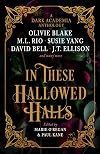
Mysterious and dangerous occurrences in various seats of learning? Students, and sometimes their tutors, in peril? Murder? Magic? Ghosts? Dusty books in old libraries? Clandestine cults and secret societies devoted to ancient rituals?
As it turns out, I like a nice haunting mystery and I also like dusty books in old libraries.
For the Dark part of Dark Academia, it was great in both atmosphere and setting. Plenty of haunted boarding schools and creepy libraries. As for Academia, I felt like show more it was more supernatural horror. Which was fine. I think these morbid mysteries are perfect for fall, but compared to the secret history or babel, there was no real academia in this book.
I really liked how The hare and the hound walked the line between the protagonist losing their mind and real supernatural occurrences and how Phobos played with conscience and ambition.
I also liked X House, The ravages and The professor of Ontography. I wasn’t a fan of Pythia with its many fantasy elements and Playing, whose protagonist’s ‘not like other girls and boys’ attitude annoyed me. show less
As it turns out, I like a nice haunting mystery and I also like dusty books in old libraries.
For the Dark part of Dark Academia, it was great in both atmosphere and setting. Plenty of haunted boarding schools and creepy libraries. As for Academia, I felt like show more it was more supernatural horror. Which was fine. I think these morbid mysteries are perfect for fall, but compared to the secret history or babel, there was no real academia in this book.
I really liked how The hare and the hound walked the line between the protagonist losing their mind and real supernatural occurrences and how Phobos played with conscience and ambition.
I also liked X House, The ravages and The professor of Ontography. I wasn’t a fan of Pythia with its many fantasy elements and Playing, whose protagonist’s ‘not like other girls and boys’ attitude annoyed me. show less
Originally posted on Just Geeking by.
Content warnings:
‘1000 ships’ by Kate Weinberg – Contains themes of betrayal, relationship between a student and professor, and suicide.
‘Pythia or Apocalypse Maidens: Prophecy and Obsession among the Delphian Technomantic Elite’ by Olivie Blake – Contains scenes discussing death, suicide, mental health, PTSD, playing god, abuse of technological power, relationship between a student and professor (abuse of power).
‘Sabbatical’ by James Tate show more Hill – Contains scenes of gun violence, and murder.
‘The Hare and the Hound’ by Kelly Andrew – Contains scenes of death, car accident, animal injury and death.
‘X House’ by J. T. Ellison – Contains scenes of peer pressure, panic attacks, death, murder, and vicious beating.
‘The Ravages’ by Layne Fargo – Contains scenes of betrayal, and blood.
‘Four Funerals’ by David Bell – Contains themes of death, murder, and school shooting.
‘The Unknowable Pleasures’ by Susie Yang – Contains gaslighting, suggests homophobic attitudes and discusses obsession.
‘Weekend at Bertie’s’ by M.L. Rio – Contains scenes of death.
‘The Professor of Ontography’ by Helen Grant – Contains scenes of missing people, and, body horror.
‘Phobos’ by Tori Bovalino – Contains scenes of violence, death, blood, murder, assault and attempted murder.
‘Playing’ by Phoebe Wynne – Contains scenes of death (of the elderly), animal death, and murder.
Before you pick up the In These Hallowed Halls anthology you need to ask yourself one question; what do you consider dark academia? If you consider it to be any story set in an academic setting then this anthology is for you. If like myself you’ve always viewed the “dark” part of the genre to refer to something mysterious, gothic, thrilling, monstrous, supernatural and/or paranormal then you’re going to be sorely disappointed. There’s also the definition of “dark” as pessimistic, and melancholic.
Tucked in at the end of the synopsis for In These Hallowed Halls, under the list of authors, is a dictionary definition of dark academia:
Presumably the editors used this when putting this anthology together, the problem is that even taking these definitions into account some stories in the anthology do not fit into the dark academia genre. Unless of course you consider the mere mention of the word “tweed” criteria enough.
I have to admit I’m slightly biased. After reading Twice Cursed and being very disappointed by the editing choices in that anthology, I had chosen to avoid the editors. In my excitement and haste to grab hold of the first dark academic anthology, a genre I’ve grown quite fond of, and an anthology featuring authors I like or hoped to read, I didn’t notice who the editors were. I’d hoped the previous book was a one-off… it was not. The introduction of In These Hallowed Halls was promising, asking readers if they were looking for stories of “Mysterious and dangerous occurrences in various seats of learning? Students, and sometimes their tutors, in peril? Murder? Magic? Ghosts? Dusty books in old libraries? Clandestine cults and secret societies devoted to ancient rituals?”. Yes, I said to myself with a smile, this is what I’m here for!
Unfortunately these opening words of propaganda were promptly forgotten by the editors as soon as the first story. The first story in anthologies is often the most read story. Unless a reader has picked up the anthology to read something by a particular author, they will start at the beginning of the anthology. If the first story doesn’t impress them then they are unlikely to keep reading, and that’s why I always consider it an editor’s job as well as their responsibility to choose a good starting story. They need to hook the reader, reel them in so that they make their way to other author’s stories.
I find it disappointing when editors seem to select stories for an anthology that have the thinnest of connections to the theme/topic. Sometimes it’s clearly just a difference of opinion, and that’s fair enough. But in the case of In These Hallowed Halls I’ve no idea what the editors were thinking when they selected ‘1000 ships’ by Kate Weinberg for the anthology, especially not for the first story. It has the loosest of connections to dark academia. It is a story about a student in a relationship with her teacher, told from her perspective as she watches him from the window as he stops to talk to another female student. He is on the way to speak to the board, his career on the line, and as she watches him she reflects on their time together.
While there is a level of peril for the professor, the only connections to dark academia are the academic setting and the tweed wearing professor. At a push you could refer to this story as being slightly dark, but otherwise I personally feel that it doesn’t fit in any definition of dark academia. Also keeping in mind that the first story is a privileged position, I found it distasteful that this was the only story in the anthology that had an author’s note promoting the author’s other books at the end.
The second story in In These Hallowed Halls should have been the first in an anthology for dark academia, in my opinion. It’s by an author that many of us automatically associate with the genre; Olivie Blake. ‘Pythia or Apocalypse Maidens: Prophecy and Obsession among the Delphian Technomantic Elite’ is a brilliant tale of magic and technology set in a futuristic academic setting. Blake expertly merges so many different genres in this story that I don’t even know where to begin. If you’ve never read anything by her and want to know what all the hype is about then this is an excellent starting place. She really pushes the genre of dark academia to the limits in this one and ‘Pythia’ has the delicious sinister style that I’ve come to recognise in Blake’s work.
The second story that I was very interested is ‘The Hare and the Hound’ by Kelly Andrew. I’ve had my eye on Andrew for a while now and have yet to get my hands on her book, The Whispering Dark. I’ve heard many good things about her writing and this story confirmed them. ‘The Hare and the Hound’ is a wonderfully gothic urban fantasy story about a college student who is haunted by a prophecy he received as a boy.
The final story that I was looking forward to is by Helen Grant who has become a firm favourite of mine since I read her novel Too Near Dead. Grant never fails to deliver deliciously dark horror and ‘The Professor of Ontography’ is another horror masterpiece that fully explores the darker side of dark academia.
These three stories alone make this anthology worth reading. Additionally, ‘Phobos’ by Tori Bovalino, ‘Sabbatical’ by James Tate Hill, ‘The Ravages’ by Layne Fargo (although the academia setting is a bit of a stretch in this one), ‘X House’ by J. T. Ellison and ‘Playing’ by Phoebe Wynne are interesting reads. The other stories, although well written, fail to convince me that they belong in an anthology for dark academia.
‘Four Funerals’ by David Bell is about a teacher who chooses to attend the funerals of his students after he is blamed for not seeing the violent potential in a school shooter. It was a dark subject, just not the right type of dark in my opinion.
Susie Yang’s story ‘The Unknowable Pleasures’ is about a female student who recognises a fellow student and her professor fall in love. Their relationship appears to be a secret, one that only she knows about. This story left a nasty taste in my mouth as the young woman is essentially gaslighted by her boyfriend, told that it is all in her head and that she is becoming obsessed. Instead of helping a friend, she decides that he’s right and at the last minute decides not to go to a meeting. And she suddenly feels magically better. If this had been better written as actual obsession then I could see this fitting in the genre, however, it wasn’t and it just felt icky.
One that almost got there was ‘Weekend at Bertie’s’ by M.L. Rio. I felt that there was a hint of something supernatural that the author was trying to get at, and yet it ended up being a story about two people stealing from a dead woman (a professor).
It was hard to rate In These Hallowed Halls when only three of the stories were of excellent quality to me. While I considered five other stories interesting, my exact ratings for each of them vary with their saving grace only being that they actually fit in the dark academia genre. Whether this is an anthology you’ll enjoy will depend on your personal reading habits, and as I said at the start of this review, what you consider the definition of dark academia to be. For me, this wasn’t it.
BLOG | REVIEWS | REVIEW SCHEDULE | TWITTER | INSTAGRAM | PINTEREST |
show less
Content warnings:
‘Pythia or Apocalypse Maidens: Prophecy and Obsession among the Delphian Technomantic Elite’ by Olivie Blake – Contains scenes discussing death, suicide, mental health, PTSD, playing god, abuse of technological power, relationship between a student and professor (abuse of power).
‘Sabbatical’ by James Tate
‘The Hare and the Hound’ by Kelly Andrew – Contains scenes of death, car accident, animal injury and death.
‘X House’ by J. T. Ellison – Contains scenes of peer pressure, panic attacks, death, murder, and vicious beating.
‘The Ravages’ by Layne Fargo – Contains scenes of betrayal, and blood.
‘Four Funerals’ by David Bell – Contains themes of death, murder, and school shooting.
‘The Unknowable Pleasures’ by Susie Yang – Contains gaslighting, suggests homophobic attitudes and discusses obsession.
‘Weekend at Bertie’s’ by M.L. Rio – Contains scenes of death.
‘The Professor of Ontography’ by Helen Grant – Contains scenes of missing people, and, body horror.
‘Phobos’ by Tori Bovalino – Contains scenes of violence, death, blood, murder, assault and attempted murder.
‘Playing’ by Phoebe Wynne – Contains scenes of death (of the elderly), animal death, and murder.
Before you pick up the In These Hallowed Halls anthology you need to ask yourself one question; what do you consider dark academia? If you consider it to be any story set in an academic setting then this anthology is for you. If like myself you’ve always viewed the “dark” part of the genre to refer to something mysterious, gothic, thrilling, monstrous, supernatural and/or paranormal then you’re going to be sorely disappointed. There’s also the definition of “dark” as pessimistic, and melancholic.
Tucked in at the end of the synopsis for In These Hallowed Halls, under the list of authors, is a dictionary definition of dark academia:
Definition of dark academia in English:
dark academia
1. An internet subculture concerned with higher education, the arts, and literature, or an idealised version thereof with a focus on the pursuit of knowledge and an exploration of death.
2. A set of aesthetic principles. Scholarly with a gothic edge – tweed blazers, vintage cardigans, scuffed loafers, a worn leather satchel full of brooding poetry. Enthusiasts are usually found in museums and darkened libraries.
Presumably the editors used this when putting this anthology together, the problem is that even taking these definitions into account some stories in the anthology do not fit into the dark academia genre. Unless of course you consider the mere mention of the word “tweed” criteria enough.
I have to admit I’m slightly biased. After reading Twice Cursed and being very disappointed by the editing choices in that anthology, I had chosen to avoid the editors. In my excitement and haste to grab hold of the first dark academic anthology, a genre I’ve grown quite fond of, and an anthology featuring authors I like or hoped to read, I didn’t notice who the editors were. I’d hoped the previous book was a one-off… it was not. The introduction of In These Hallowed Halls was promising, asking readers if they were looking for stories of “Mysterious and dangerous occurrences in various seats of learning? Students, and sometimes their tutors, in peril? Murder? Magic? Ghosts? Dusty books in old libraries? Clandestine cults and secret societies devoted to ancient rituals?”. Yes, I said to myself with a smile, this is what I’m here for!
Unfortunately these opening words of propaganda were promptly forgotten by the editors as soon as the first story. The first story in anthologies is often the most read story. Unless a reader has picked up the anthology to read something by a particular author, they will start at the beginning of the anthology. If the first story doesn’t impress them then they are unlikely to keep reading, and that’s why I always consider it an editor’s job as well as their responsibility to choose a good starting story. They need to hook the reader, reel them in so that they make their way to other author’s stories.
I find it disappointing when editors seem to select stories for an anthology that have the thinnest of connections to the theme/topic. Sometimes it’s clearly just a difference of opinion, and that’s fair enough. But in the case of In These Hallowed Halls I’ve no idea what the editors were thinking when they selected ‘1000 ships’ by Kate Weinberg for the anthology, especially not for the first story. It has the loosest of connections to dark academia. It is a story about a student in a relationship with her teacher, told from her perspective as she watches him from the window as he stops to talk to another female student. He is on the way to speak to the board, his career on the line, and as she watches him she reflects on their time together.
While there is a level of peril for the professor, the only connections to dark academia are the academic setting and the tweed wearing professor. At a push you could refer to this story as being slightly dark, but otherwise I personally feel that it doesn’t fit in any definition of dark academia. Also keeping in mind that the first story is a privileged position, I found it distasteful that this was the only story in the anthology that had an author’s note promoting the author’s other books at the end.
The second story in In These Hallowed Halls should have been the first in an anthology for dark academia, in my opinion. It’s by an author that many of us automatically associate with the genre; Olivie Blake. ‘Pythia or Apocalypse Maidens: Prophecy and Obsession among the Delphian Technomantic Elite’ is a brilliant tale of magic and technology set in a futuristic academic setting. Blake expertly merges so many different genres in this story that I don’t even know where to begin. If you’ve never read anything by her and want to know what all the hype is about then this is an excellent starting place. She really pushes the genre of dark academia to the limits in this one and ‘Pythia’ has the delicious sinister style that I’ve come to recognise in Blake’s work.
The second story that I was very interested is ‘The Hare and the Hound’ by Kelly Andrew. I’ve had my eye on Andrew for a while now and have yet to get my hands on her book, The Whispering Dark. I’ve heard many good things about her writing and this story confirmed them. ‘The Hare and the Hound’ is a wonderfully gothic urban fantasy story about a college student who is haunted by a prophecy he received as a boy.
The final story that I was looking forward to is by Helen Grant who has become a firm favourite of mine since I read her novel Too Near Dead. Grant never fails to deliver deliciously dark horror and ‘The Professor of Ontography’ is another horror masterpiece that fully explores the darker side of dark academia.
These three stories alone make this anthology worth reading. Additionally, ‘Phobos’ by Tori Bovalino, ‘Sabbatical’ by James Tate Hill, ‘The Ravages’ by Layne Fargo (although the academia setting is a bit of a stretch in this one), ‘X House’ by J. T. Ellison and ‘Playing’ by Phoebe Wynne are interesting reads. The other stories, although well written, fail to convince me that they belong in an anthology for dark academia.
‘Four Funerals’ by David Bell is about a teacher who chooses to attend the funerals of his students after he is blamed for not seeing the violent potential in a school shooter. It was a dark subject, just not the right type of dark in my opinion.
Susie Yang’s story ‘The Unknowable Pleasures’ is about a female student who recognises a fellow student and her professor fall in love. Their relationship appears to be a secret, one that only she knows about. This story left a nasty taste in my mouth as the young woman is essentially gaslighted by her boyfriend, told that it is all in her head and that she is becoming obsessed. Instead of helping a friend, she decides that he’s right and at the last minute decides not to go to a meeting. And she suddenly feels magically better. If this had been better written as actual obsession then I could see this fitting in the genre, however, it wasn’t and it just felt icky.
One that almost got there was ‘Weekend at Bertie’s’ by M.L. Rio. I felt that there was a hint of something supernatural that the author was trying to get at, and yet it ended up being a story about two people stealing from a dead woman (a professor).
It was hard to rate In These Hallowed Halls when only three of the stories were of excellent quality to me. While I considered five other stories interesting, my exact ratings for each of them vary with their saving grace only being that they actually fit in the dark academia genre. Whether this is an anthology you’ll enjoy will depend on your personal reading habits, and as I said at the start of this review, what you consider the definition of dark academia to be. For me, this wasn’t it.
BLOG | REVIEWS | REVIEW SCHEDULE | TWITTER | INSTAGRAM | PINTEREST |
show less
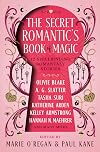
What an incredible sampling of various romantasy authors! Some of them I've read before, some are brand new to me. Of course, I loved every single Sapphic story that was in this collection, but the M/F romances were good too. Here we go.
- The Fall Guy by Olivie Blake
Mer involves himself in Lady Lilari Barzya's kidnapping and doesn't regret a moment of it.
I was so lost at the beginning of this. So many elements introduced in a short time. I liked the conclusion, though.
- The Dubious Ladies show more of Mirador by Melissa Marr
A monster hunter leaves the convent on a mission to contain Mirador by any means necessary.
This is an interesting Sapphic vampire x hunter fated mates scenario that I liked well enough.
- Until December by Kelly Andrew
Academic rivals thrown together in a strange time-bendy way.
This one was intriguing. Mind-bending in a good way.
- The King's Witch by Tasha Suri
Silver is sent for to be wed to the new king, chosen to her surprise.
Tasha Suri can do no wrong. I loved everything about this Sapphic story, especially the ending.
- Designated Virgin Sacrifice by Kelly Armstrong
A monster hunter seeks to rid a town of their monster.
Oh, I was pleasantly surprised by this one. Give me a good hero of her own making story any day.
- Second Class Magic by Kamilah Cole
Rival researchers Margot and Jesy compete for the chance to become an apprentice.
Short and sweet rivals to lovers Sapphic romance with a dash of magic. I love Kamilah Cole's writing.
- Bamboo, Ink, Paper, Clay by Eliza Chan
In a world where the characters take materials from themselves, a papercutter lives out a tale of a spurned lover, a hardworking father, and her soulmate.
This was lyrical and lovely. It was a little hard to wrap my head around at first, but I quit trying to make sense of things and it eventually made sense anyway.
- Slay the Princess, Save the Dragon by A.C. Wise
Daunted by her futuer prospects, Ev decides she needs to ruin Carissa's reputation by saving her dragon.
I wasn't expecting this to be Sapphic, so I was happily surprised. I wish there was more to this story. I want the full-length version, please.
- San't Marten's Book of Mild Melancholy by A.G. Slater
Millicent was trained by the Witches to take over their business as a medium. When an unlikely customer shows up, Millicent must figure out what she really wants out of life.
This was interesting. Not what I expected. It's a little too short for the romance aspect but a nice, quick read.
- Good Deeds and Their Magical Punishments by Hannah Nicole Maehrer
Elizabeth "Bette" gets pulled through a magical portal by a meddling lady to prove to the lady's son that mortals are kind.
Maehrer's whimsical writing style shines through in this one. Short and sweet with a tiny bit of steam.
- The Larkspur by Megan Bannen
Sterling Valancy fully expected to die within the year, but his luck keeps holding out. Unfortunately, this also affects his wife, who married him out of pity.
I love the world of Hart and Mercy, and I was really pleased to see a short story from that world. I think if I wasn't already familiar with it, I'd be a little lost with the lore of birth keys and demigods. Regardless, this is a lovely and romantic short story.
- Rosebud by Katherine Arden
Alice and Susan are the daughters of a diplomat who moved to Brussels shortly after a War (assuming World War I?). Their new house includes an incredible, possibly magical ballroom.
I was not expecting the way this one ended. It gives a little more of a spooky vibe than a romantasy one.
Thank you to NetGalley and publisher for the opportunity to read and review. show less
- The Fall Guy by Olivie Blake
Mer involves himself in Lady Lilari Barzya's kidnapping and doesn't regret a moment of it.
I was so lost at the beginning of this. So many elements introduced in a short time. I liked the conclusion, though.
- The Dubious Ladies show more of Mirador by Melissa Marr
A monster hunter leaves the convent on a mission to contain Mirador by any means necessary.
This is an interesting Sapphic vampire x hunter fated mates scenario that I liked well enough.
- Until December by Kelly Andrew
Academic rivals thrown together in a strange time-bendy way.
This one was intriguing. Mind-bending in a good way.
- The King's Witch by Tasha Suri
Silver is sent for to be wed to the new king, chosen to her surprise.
Tasha Suri can do no wrong. I loved everything about this Sapphic story, especially the ending.
- Designated Virgin Sacrifice by Kelly Armstrong
A monster hunter seeks to rid a town of their monster.
Oh, I was pleasantly surprised by this one. Give me a good hero of her own making story any day.
- Second Class Magic by Kamilah Cole
Rival researchers Margot and Jesy compete for the chance to become an apprentice.
Short and sweet rivals to lovers Sapphic romance with a dash of magic. I love Kamilah Cole's writing.
- Bamboo, Ink, Paper, Clay by Eliza Chan
In a world where the characters take materials from themselves, a papercutter lives out a tale of a spurned lover, a hardworking father, and her soulmate.
This was lyrical and lovely. It was a little hard to wrap my head around at first, but I quit trying to make sense of things and it eventually made sense anyway.
- Slay the Princess, Save the Dragon by A.C. Wise
Daunted by her futuer prospects, Ev decides she needs to ruin Carissa's reputation by saving her dragon.
I wasn't expecting this to be Sapphic, so I was happily surprised. I wish there was more to this story. I want the full-length version, please.
- San't Marten's Book of Mild Melancholy by A.G. Slater
Millicent was trained by the Witches to take over their business as a medium. When an unlikely customer shows up, Millicent must figure out what she really wants out of life.
This was interesting. Not what I expected. It's a little too short for the romance aspect but a nice, quick read.
- Good Deeds and Their Magical Punishments by Hannah Nicole Maehrer
Elizabeth "Bette" gets pulled through a magical portal by a meddling lady to prove to the lady's son that mortals are kind.
Maehrer's whimsical writing style shines through in this one. Short and sweet with a tiny bit of steam.
- The Larkspur by Megan Bannen
Sterling Valancy fully expected to die within the year, but his luck keeps holding out. Unfortunately, this also affects his wife, who married him out of pity.
I love the world of Hart and Mercy, and I was really pleased to see a short story from that world. I think if I wasn't already familiar with it, I'd be a little lost with the lore of birth keys and demigods. Regardless, this is a lovely and romantic short story.
- Rosebud by Katherine Arden
Alice and Susan are the daughters of a diplomat who moved to Brussels shortly after a War (assuming World War I?). Their new house includes an incredible, possibly magical ballroom.
I was not expecting the way this one ended. It gives a little more of a spooky vibe than a romantasy one.
Thank you to NetGalley and publisher for the opportunity to read and review. show less
Lists
Awards


You May Also Like


Associated Authors
Statistics
- Works
- 23
- Also by
- 11
- Members
- 1,268
- Popularity
- #20,231
- Rating
- 3.5
- Reviews
- 30
- ISBNs
- 52
- Languages
- 2