
Stephen Jones (1) (1953–)
Author of Shadows Over Innsmouth
For other authors named Stephen Jones, see the disambiguation page.
About the Author
Image credit: originally posted to Flickr as Stephen Jones
Series
Works by Stephen Jones
H.P. Lovecraft's Book of the Supernatural: 19 Classics of the Macabre, Chosen by the Master of Horror Himself (2006) — Editor & Introduction — 100 copies, 2 reviews
H. P. Lovecraft's Book of the Supernatural: 20 Classic Tales of the Macabre, Chosen by the Master of Horror Himself (2006) — Editor — 94 copies, 4 reviews
The Mammoth Book of Halloween Stories: Terrifying Tales Set on the Scariest Night of the Year! (2018) — Editor — 73 copies
The Mammoth Book of Zombie Apocalypse! Fightback (Mammoth Books) (2012) — Editor — 65 copies, 1 review
Terrifying Tales to Tell at Night: 10 Scary Stories to Give You Nightmares! (2019) 56 copies, 2 reviews
The Mammoth Book of Nightmare Stories: Twisted Tales Not to Be Read at Night! (2019) — Editor — 55 copies
The Frankenstein Scrapbook: The Complete Movie Guide to the World's Most Famous Monster (1995) 13 copies
Videotapes From Hell: A Visual History of Cult, Collectible, and Crazy Video Covers (2025) 13 copies
Fantasy Tales Volume 08, No. 15 2 copies
Mammoth Books presents A Clutch of Zombies: Four Stories by Scott Edelman, Joe R. Lansdale, Albert E. Cowdrey and Karina Sumner Smith (2012) — Editor — 2 copies
Vampiri! 1 copy
Fantasy Tales [#1-#6] 1 copy
Monsters From Hell #1 1 copy
Monsters From Hell #2 1 copy
Monsters From Hell #9 1 copy
Vampires 1 copy
The House of the Wolf 1 copy
The Lovecraft Squad 1 copy
Associated Works
Necronomicon: The Best Weird Tales of H. P. Lovecraft (2008) — Editor; Afterword — 1,771 copies, 20 reviews
The Conan Chronicles Volume I: The People of the Black Circle (2000) — Afterword; Editor — 290 copies, 10 reviews
The World Fantasy Convention 2011: Sailing the Seas of the Imagination — Contributor — 1 copy
Tagged
Common Knowledge
- Canonical name
- Jones, Stephen
- Legal name
- Jones, Stephen
- Birthdate
- 1953-11-04
- Gender
- male
- Occupations
- anthology editor
- Awards and honors
- British Fantasy Society, Karl Edward Wagner Award (2006)
World Fantasy Award (Special Award -- Professional ∙ 2016) - Nationality
- UK
- Birthplace
- Pimlico, London, Middlesex, England, UK
- Map Location
- England, UK
Members
Reviews
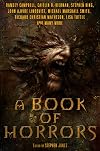
I'm not sure why this anthology isn't rated much higher on average. People must be expecting some sort of berserk maniac monster mayhem but this collection features a lot of excellent subtle weird little horrors. The book is very literate (as in literature) as well. There wasn't a stinker in the batch. Even in the longer stories, there was so much interesting going on and the writing was so good, I didn't mind that there wasn't any severed jugular edge-of-my-seat horror going on. It was just show more damn fine writing.
If you like your horrors literate, quiet, and genre bending this is a good book for you. show less
If you like your horrors literate, quiet, and genre bending this is a good book for you. show less
I wanted to read something appropriately spooky for Halloween. I reached for Frankenstein...but I think I read that earlier this year. (GoodReads needs a way to mark re-readings.) Fortunately this book has been haunting my shelves for a while, yet another one courtesy of Macmillan's Free Book Day.
I'm not usually a fan of horror, but when I think of horror I'm usually thinking of terrifying movies. For written stories, I think the short story format captured everything best. I was able to show more sample different authors without committing to a longer book--which was a good thing, since I didn't even find most of the stories that creepy/horrific.
This was especially disappointing when I read the Stephen King story. Blasphemous as it may be, this was actually the first Stephen King I've read, and I wasn't too impressed. It wasn't much worse than anything I'd read in my typical fantasy fiction, I found a misplaced modifier, and this glorious sentence: "Tonya had come to the doorway and now stood beside Melissa, staring with wide eyes and a dishwiper hanging limp in one hand." (19) It...sounds like her wide eyes are hanging limp in her hands. Also, what is a dishwiper? A dishcloth? A sponge? A quick Google search doesn't clear up the question...
Anyway, it was kind of amusing to notice, as I went through the stories, which ones were my favorites. I think anyone who knows me could have picked them out! They featured strong elements of fantasy, diversity, history, and women:
>> "The Coffin-Maker's Daughter", by Angela Slatter, took place in a world of high fantasy with a complex, slowly-revealed-but-not-spelled-out culture surrounding death. Three of the four main characters are women, and the main character is strongly attracted to the daughter of her latest client. I think that was the only example of nonstandard sexuality we got in the whole collection. The story was far too short compared to the others--I would happily read an entire book set in this world.
>> "Roots and All", by Brian Hodge, is set in modern rural Appalachia (I think, please forgive me this detail!), the kind of locale perfect for characters both proud and despairing in an environment that can alternate between beauty and ruin. We get a man and a woman as main characters: relatives, which means we get to sidestep stupid romance, but not the predictable brother and sister. Both are unique, brave but flawed. We also get two older women who play strong roles in the story: the main characters' recently deceased grandmother, who left them a shocking surprise in the attic with more than a few strings attached; and her neighbor, who provides crucial information for the story. Neither old woman is held up on a pedestal as the wise "fairy godmother" sort or discounted as a dotty old lady: they're flawed but integral, bringing weight and subtle but critical information into the story.
>> "A Child's Problem", by Reggie Oliver, was pretty much a novella. It's an ekphrastic story, one based off an 1857 painting of the same name that was created by an inmate of Bedlam. In Oliver's tale, he has the curious patronage of (apparently fictional) Sir George St. Maur, who (a short preface implies) directs the artist to create a work that incorporates elements from childhood experiences at a gloomy estate with his uncle. We get historical fiction, ghosts, riddles, a delightful woman who shows up late in the story, a giant old house with dusty secrets, and a young protagonists who turns out to be much cleverer than the reader realizes at first.
>> "Near Zennor", by Elizabeth Hand, was another novella that really felt like it should have kept going: it ended quite abruptly with only an implied "big reveal"--which is extremely effective in a short story. It wasn't like she left anything out, but it did feel like the end of this story was the beginning of another that I would happily read. The main spooky happening is another campfire-type story, not that creepy, but the mystery keeps you going. Okay, yes, this one was a bit slow at parts, particularly where Hand is describing the confusing crisscrossed jumble of old stone fences in the English countryside, but it was a "slow burn" kind of story with layered narratives and a good cast of characters.
>> I also enjoyed Caitlin R. Kiernan's "Charcloth, Firesteel and Flint", Richard Christian Matheson's "Last Words" ( both were almost more character sketches/studies than plotted stories, but with really intriguing characters), Dennis Etchison's "Tell Me I'll See You Again" (a girl main character and some slight urban fantasy).
(I just noticed now that three of these four stories I listed have women who are important to the story even though they're absent from it--so yay on the importance, not so yay on the dead women.)
The only story that I found genuinely creepy was "Ghosts with Teeth" by Peter Crowther. This was probably a combination of the fact that I'm familiar with the kind of community that the main characters live in and that I've found situations similar to it (loosely--i don't want to give away the ending!) in other media disturbing. Robert Shearman's "Alice Through the Plastic Sheet" was just weird--I really couldn't figure out what was supposed to be scary about it. Seemed to me that it was the story of unfriendly neighbors from the perspective of a whiny, privileged man. The ending is completely lame--I really don't get what's supposed to be scary about it.
Overall, this was a good little Halloween-appropriate collection! show less
I'm not usually a fan of horror, but when I think of horror I'm usually thinking of terrifying movies. For written stories, I think the short story format captured everything best. I was able to show more sample different authors without committing to a longer book--which was a good thing, since I didn't even find most of the stories that creepy/horrific.
This was especially disappointing when I read the Stephen King story. Blasphemous as it may be, this was actually the first Stephen King I've read, and I wasn't too impressed. It wasn't much worse than anything I'd read in my typical fantasy fiction, I found a misplaced modifier, and this glorious sentence: "Tonya had come to the doorway and now stood beside Melissa, staring with wide eyes and a dishwiper hanging limp in one hand." (19) It...sounds like her wide eyes are hanging limp in her hands. Also, what is a dishwiper? A dishcloth? A sponge? A quick Google search doesn't clear up the question...
Anyway, it was kind of amusing to notice, as I went through the stories, which ones were my favorites. I think anyone who knows me could have picked them out! They featured strong elements of fantasy, diversity, history, and women:
>> "The Coffin-Maker's Daughter", by Angela Slatter, took place in a world of high fantasy with a complex, slowly-revealed-but-not-spelled-out culture surrounding death. Three of the four main characters are women, and the main character is strongly attracted to the daughter of her latest client. I think that was the only example of nonstandard sexuality we got in the whole collection. The story was far too short compared to the others--I would happily read an entire book set in this world.
>> "Roots and All", by Brian Hodge, is set in modern rural Appalachia (I think, please forgive me this detail!), the kind of locale perfect for characters both proud and despairing in an environment that can alternate between beauty and ruin. We get a man and a woman as main characters: relatives, which means we get to sidestep stupid romance, but not the predictable brother and sister. Both are unique, brave but flawed. We also get two older women who play strong roles in the story: the main characters' recently deceased grandmother, who left them a shocking surprise in the attic with more than a few strings attached; and her neighbor, who provides crucial information for the story. Neither old woman is held up on a pedestal as the wise "fairy godmother" sort or discounted as a dotty old lady: they're flawed but integral, bringing weight and subtle but critical information into the story.
>> "A Child's Problem", by Reggie Oliver, was pretty much a novella. It's an ekphrastic story, one based off an 1857 painting of the same name that was created by an inmate of Bedlam. In Oliver's tale, he has the curious patronage of (apparently fictional) Sir George St. Maur, who (a short preface implies) directs the artist to create a work that incorporates elements from childhood experiences at a gloomy estate with his uncle. We get historical fiction, ghosts, riddles, a delightful woman who shows up late in the story, a giant old house with dusty secrets, and a young protagonists who turns out to be much cleverer than the reader realizes at first.
>> "Near Zennor", by Elizabeth Hand, was another novella that really felt like it should have kept going: it ended quite abruptly with only an implied "big reveal"--which is extremely effective in a short story. It wasn't like she left anything out, but it did feel like the end of this story was the beginning of another that I would happily read. The main spooky happening is another campfire-type story, not that creepy, but the mystery keeps you going. Okay, yes, this one was a bit slow at parts, particularly where Hand is describing the confusing crisscrossed jumble of old stone fences in the English countryside, but it was a "slow burn" kind of story with layered narratives and a good cast of characters.
>> I also enjoyed Caitlin R. Kiernan's "Charcloth, Firesteel and Flint", Richard Christian Matheson's "Last Words" ( both were almost more character sketches/studies than plotted stories, but with really intriguing characters), Dennis Etchison's "Tell Me I'll See You Again" (a girl main character and some slight urban fantasy).
(I just noticed now that three of these four stories I listed have women who are important to the story even though they're absent from it--so yay on the importance, not so yay on the dead women.)
The only story that I found genuinely creepy was "Ghosts with Teeth" by Peter Crowther. This was probably a combination of the fact that I'm familiar with the kind of community that the main characters live in and that I've found situations similar to it (loosely--i don't want to give away the ending!) in other media disturbing. Robert Shearman's "Alice Through the Plastic Sheet" was just weird--I really couldn't figure out what was supposed to be scary about it. Seemed to me that it was the story of unfriendly neighbors from the perspective of a whiny, privileged man. The ending is completely lame--I really don't get what's supposed to be scary about it.
Overall, this was a good little Halloween-appropriate collection! show less

It’s difficult to convey a true sense of horror in writing. While editor Jones writes in his introduction of attempting to reclaim the horror genre for the “scary story,” there aren’t necessarily that many screams to be had in the stories collected in this book. Nevertheless, there is some very fine writing here.
Without the multimillion-dollar special effects budgets of movies, or even the added dimension of art that comics provide, horror writing is most effective for me when it’s show more able to accurately reflect the horrific behavior someone like you or I are able to perpetrate when thrust into an unusual situation and pushed beyond our normal limits. That’s why the strongest story for me in this volume, by far, was Brian Hodge’s “Roots and All,” in which a pair of grown cousins still lamenting the loss of their younger cousin under mysterious circumstances years earlier return to the scene of her disappearance and find within themselves the mettle to do some truly terrible things when offered the opportunity to bring her back to them. It was the only story in the book that stuck jaggedly in my mind long after reading, and made me question how much of my humanity I’d be willing to sacrifice for a loved one.
I was struck by the excellent writing and storytelling in a few other stories, even though the scare quotient was relatively low. Caitlín Kiernan’s “Charcloth, Firesteel and Flint” and Reggie Oliver’s “A Child’s Problem” both presented fascinatingly odd characters that I enjoyed getting to know within the framework of well-told stories; Elizabeth Hand’s “Near Zennor” was a masterfully constructed story that was engaging, easy to fall into, and one I was reluctant to leave; and the ending of Richard Christian Matheson’s clever little “Last Words,” which appropriately ends the book, left me with a bit of a tingle at the hairs on the back of my neck. show less
Without the multimillion-dollar special effects budgets of movies, or even the added dimension of art that comics provide, horror writing is most effective for me when it’s show more able to accurately reflect the horrific behavior someone like you or I are able to perpetrate when thrust into an unusual situation and pushed beyond our normal limits. That’s why the strongest story for me in this volume, by far, was Brian Hodge’s “Roots and All,” in which a pair of grown cousins still lamenting the loss of their younger cousin under mysterious circumstances years earlier return to the scene of her disappearance and find within themselves the mettle to do some truly terrible things when offered the opportunity to bring her back to them. It was the only story in the book that stuck jaggedly in my mind long after reading, and made me question how much of my humanity I’d be willing to sacrifice for a loved one.
I was struck by the excellent writing and storytelling in a few other stories, even though the scare quotient was relatively low. Caitlín Kiernan’s “Charcloth, Firesteel and Flint” and Reggie Oliver’s “A Child’s Problem” both presented fascinatingly odd characters that I enjoyed getting to know within the framework of well-told stories; Elizabeth Hand’s “Near Zennor” was a masterfully constructed story that was engaging, easy to fall into, and one I was reluctant to leave; and the ending of Richard Christian Matheson’s clever little “Last Words,” which appropriately ends the book, left me with a bit of a tingle at the hairs on the back of my neck. show less
 This review was written for LibraryThing Early Reviewers.
It’s a rare treat these days to get a brand-new horror anthology with top-notch authors and all never-before-published stories, but that’s exactly what master anthologist Stephen Jones delivers. After a short introduction in which Jones laments the rise of paranormal romance and similar fiction, the collection offers fifteen all-new stories. I’ll provide brief descriptions and impressions of each tale.
Mild plot spoilers follow.
Stephen King, “The Little Green God of Agony”: A nice show more little Stephen King short story that showcases King’s abundant talents, but is ultimately a little forgettable, and therefore just a middling kind of story for the likes of King. He clearly writes from the heart on this one: it’s the story of rich man who can buy anything but relief from the chronic pain he suffers. He’s tried everything to end his pain, except do the years of intensive physical therapy his doctors recommend. He finally calls in a different kind of pain relief specialist. An interesting look at the nature of pain from someone who’s certainly experienced a lot of it. Recommended.
Caitlin R. Kiernan, “Charcloth, Firesteel and Flint”: I hesitate to say much about this one, lest I ruin the fun. Suffice it to say, this is a story about a hitchhiker who is more than she appears to be, and a driver who picks up a hitchhiker who is also more than he appears. And fire. Fire is the essential element here. Kiernan’s writing is very evocative, using deep mythological and historical themes to paint a dark picture without directly depicting any actual blood, death, terror, etc. That takes real talent. Very well done.
Peter Crowther, “Ghosts with Teeth”: I’m just going to say it – I didn’t like this one. It’s a ghost story (I guess, though maybe it’s a story of spirit/demonic possession?), but it’s one of those horror stories that plays it so coyly with the reader that you can never tell what’s actually going on. There are some interesting elements, but in general, I’m not entirely sure I know what happened in the story, so I can’t recommend it.
Angela Slatter, “The Coffin-Maker’s Daughter”: A very nice piece about a female coffin-maker in a world where coffin-making is both artistic and necessary to ensure that the dead stay dead. The protagonist is tormented by the ghost of her dead father – or is she? – and both she and her client have ulterior motives, which provides some interesting conflict to drive the story. I’d actually have liked to see Slatter do a little more with differentiating her setting from our own world’s historical past, but this is a short piece, so I understand why that additional fleshing-out of the setting may not have been possible. It’s well done though.
Brian Hodge, “Roots and All”: Take a modern-day rural community that’s been overrun by meth producers and sellers and add in some creepy, old-fashioned folktales and local legends. Ends on a dark note, with no easy answers. This was a nice long story, and one of my favorites in the collection.
Dennis Etchison, “Tell Me I’ll See You Again”: Very short piece about a group of children who fake elaborate deaths. Unfortunately pretty forgettable.
John Ajvide Lindqvist, “The Music of Bengt Karlsson, Murderer”: The first piece I’ve read from the Swedish creator of “Let the Right One In,” but I’m looking forward to reading more from him. Dark and moody story – and I think a uniquely Scandinavian one – about a widower and his son who move into a new home while dealing with their grief. It’s a story about their broken, distant relationship as much as it is about a murderous ghost. Very good stuff.
Ramsey Campbell, “Getting It Wrong”: Eric Edgeworth is not a very nice man. Sure, he may know a lot about films (though clearly not as much as he thinks he does), but he’s not the guy you want to call for help if you’re a participant on a quiz show. Campbell is nearly always reliable, and this story is no exception: nicely dark, though subtlely so, with a definite sardonic humor about it. Lots of fun.
Robert Shearman, “Alice Through the Plastic Sheet”: A bizarre little tale about some creepy new neighbors who move in next door and start causing problems, despite the fact that they’re never seen. Vaguely amusing, and I got what Shearman was going for here, but not one of my favorites in this very strong collection.
Lisa Tuttle, “The Man in the Ditch”: A young couple with a troubled past move into an isolated home in a rural area. It’s a simple enough ghost story, but surprisingly effective. Extremely spooky with a great ending.
Reggie Oliver, “A Child’s Problem”: Take a moment and Google the 1857 painting entitled “The Child’s Problem” by Patrice Richard Dadd. Pretty creepy image, right? That’s a pivotal scene in this novella. In many ways, this story is constructed as a kind of backstory for that painting. The story of a young aristocratic British boy sent to live with his emotionally distant, unpleasant uncle on an old estate where mysterious happenings abound. Oliver shows himself to be an outstanding writer, and is certainly a worthy successor of authors like M. R. James and others who wrote nineteenth-century antiquarian ghost stories. Extremely well done and enjoyable, even if you think you don’t like nineteenth-century ghost stories.
Michael Marshall Smith, “Sad, Dark Thing”: A man without much reason to go on living happens upon a “sad, dark thing” (that I won’t, and can’t, reveal). Sorry for the enigmatic description, but it’s better I not reveal too much. A bit more characterization could have made this even stronger, but I thought Smith did a superb job with this under-stated premise.
Elizabeth Hand, “Near Zennor”: Probably the longest tale in the collection, and certainly one of the strongest. An architect, grieving over the death of his wife, returns to the rural area where his wife grew up to find out more about her childhood after discovering some odd letters she wrote to a children’s book author as a young girl. Extremely evocative and hinting at a great deal – certainly one of those occasions in which the story is immeasurably strengthened by the fact that the reader (and protagonist) don’t actually know exactly what is going on. A real sense of dread and foreboding throughout. This story was sufficiently strong that it made me seek out other work by Elizabeth Hand.
Richard Christian Matheson, “Last Words”: Nice, short, haunting little closing story about a serial killer and the people he has killed. I don’t want to say more so as to not spoil it for you. A great piece, and a great way to close the anthology.
All in all, despite a couple misses – almost inevitable in an ambitious collection like this one – this is book that’s a must-read for fans of horror, especially those interested in horror fiction that’s neither paranormal romance nor torture porn. I also like that the collection includes brief afterwords by the authors reflecting on their stories; those are all-too-uncommon these days, and I appreciate it when an editor takes the time to solicit commentary from authors. The stories by King, Kiernan, Hodge, Oliver, Hand, and Matheson make this one a must-read. Several additional stories come close to hitting this very high bar. You simply must pick up a copy of A BOOK OF HORRORS.
Review copyright 2012 J. Andrew Byers show less
Mild plot spoilers follow.
Stephen King, “The Little Green God of Agony”: A nice show more little Stephen King short story that showcases King’s abundant talents, but is ultimately a little forgettable, and therefore just a middling kind of story for the likes of King. He clearly writes from the heart on this one: it’s the story of rich man who can buy anything but relief from the chronic pain he suffers. He’s tried everything to end his pain, except do the years of intensive physical therapy his doctors recommend. He finally calls in a different kind of pain relief specialist. An interesting look at the nature of pain from someone who’s certainly experienced a lot of it. Recommended.
Caitlin R. Kiernan, “Charcloth, Firesteel and Flint”: I hesitate to say much about this one, lest I ruin the fun. Suffice it to say, this is a story about a hitchhiker who is more than she appears to be, and a driver who picks up a hitchhiker who is also more than he appears. And fire. Fire is the essential element here. Kiernan’s writing is very evocative, using deep mythological and historical themes to paint a dark picture without directly depicting any actual blood, death, terror, etc. That takes real talent. Very well done.
Peter Crowther, “Ghosts with Teeth”: I’m just going to say it – I didn’t like this one. It’s a ghost story (I guess, though maybe it’s a story of spirit/demonic possession?), but it’s one of those horror stories that plays it so coyly with the reader that you can never tell what’s actually going on. There are some interesting elements, but in general, I’m not entirely sure I know what happened in the story, so I can’t recommend it.
Angela Slatter, “The Coffin-Maker’s Daughter”: A very nice piece about a female coffin-maker in a world where coffin-making is both artistic and necessary to ensure that the dead stay dead. The protagonist is tormented by the ghost of her dead father – or is she? – and both she and her client have ulterior motives, which provides some interesting conflict to drive the story. I’d actually have liked to see Slatter do a little more with differentiating her setting from our own world’s historical past, but this is a short piece, so I understand why that additional fleshing-out of the setting may not have been possible. It’s well done though.
Brian Hodge, “Roots and All”: Take a modern-day rural community that’s been overrun by meth producers and sellers and add in some creepy, old-fashioned folktales and local legends. Ends on a dark note, with no easy answers. This was a nice long story, and one of my favorites in the collection.
Dennis Etchison, “Tell Me I’ll See You Again”: Very short piece about a group of children who fake elaborate deaths. Unfortunately pretty forgettable.
John Ajvide Lindqvist, “The Music of Bengt Karlsson, Murderer”: The first piece I’ve read from the Swedish creator of “Let the Right One In,” but I’m looking forward to reading more from him. Dark and moody story – and I think a uniquely Scandinavian one – about a widower and his son who move into a new home while dealing with their grief. It’s a story about their broken, distant relationship as much as it is about a murderous ghost. Very good stuff.
Ramsey Campbell, “Getting It Wrong”: Eric Edgeworth is not a very nice man. Sure, he may know a lot about films (though clearly not as much as he thinks he does), but he’s not the guy you want to call for help if you’re a participant on a quiz show. Campbell is nearly always reliable, and this story is no exception: nicely dark, though subtlely so, with a definite sardonic humor about it. Lots of fun.
Robert Shearman, “Alice Through the Plastic Sheet”: A bizarre little tale about some creepy new neighbors who move in next door and start causing problems, despite the fact that they’re never seen. Vaguely amusing, and I got what Shearman was going for here, but not one of my favorites in this very strong collection.
Lisa Tuttle, “The Man in the Ditch”: A young couple with a troubled past move into an isolated home in a rural area. It’s a simple enough ghost story, but surprisingly effective. Extremely spooky with a great ending.
Reggie Oliver, “A Child’s Problem”: Take a moment and Google the 1857 painting entitled “The Child’s Problem” by Patrice Richard Dadd. Pretty creepy image, right? That’s a pivotal scene in this novella. In many ways, this story is constructed as a kind of backstory for that painting. The story of a young aristocratic British boy sent to live with his emotionally distant, unpleasant uncle on an old estate where mysterious happenings abound. Oliver shows himself to be an outstanding writer, and is certainly a worthy successor of authors like M. R. James and others who wrote nineteenth-century antiquarian ghost stories. Extremely well done and enjoyable, even if you think you don’t like nineteenth-century ghost stories.
Michael Marshall Smith, “Sad, Dark Thing”: A man without much reason to go on living happens upon a “sad, dark thing” (that I won’t, and can’t, reveal). Sorry for the enigmatic description, but it’s better I not reveal too much. A bit more characterization could have made this even stronger, but I thought Smith did a superb job with this under-stated premise.
Elizabeth Hand, “Near Zennor”: Probably the longest tale in the collection, and certainly one of the strongest. An architect, grieving over the death of his wife, returns to the rural area where his wife grew up to find out more about her childhood after discovering some odd letters she wrote to a children’s book author as a young girl. Extremely evocative and hinting at a great deal – certainly one of those occasions in which the story is immeasurably strengthened by the fact that the reader (and protagonist) don’t actually know exactly what is going on. A real sense of dread and foreboding throughout. This story was sufficiently strong that it made me seek out other work by Elizabeth Hand.
Richard Christian Matheson, “Last Words”: Nice, short, haunting little closing story about a serial killer and the people he has killed. I don’t want to say more so as to not spoil it for you. A great piece, and a great way to close the anthology.
All in all, despite a couple misses – almost inevitable in an ambitious collection like this one – this is book that’s a must-read for fans of horror, especially those interested in horror fiction that’s neither paranormal romance nor torture porn. I also like that the collection includes brief afterwords by the authors reflecting on their stories; those are all-too-uncommon these days, and I appreciate it when an editor takes the time to solicit commentary from authors. The stories by King, Kiernan, Hodge, Oliver, Hand, and Matheson make this one a must-read. Several additional stories come close to hitting this very high bar. You simply must pick up a copy of A BOOK OF HORRORS.
Review copyright 2012 J. Andrew Byers show less
This review was written for LibraryThing Early Reviewers.Lists
Awards


You May Also Like


Associated Authors
Statistics
- Works
- 183
- Also by
- 24
- Members
- 8,817
- Popularity
- #2,715
- Rating
- 3.9
- Reviews
- 151
- ISBNs
- 508
- Languages
- 8
- Favorited
- 8

