
Ian R. MacLeod
Author of The Light Ages
About the Author
Ian R. MacLeod was born on 6 August 1956 in Solihull, in the West Midlands of the United Kingdom, and has spent most of his life there. He took a Law degree, mainly because he liked all the leather-bound books of law reports, drifted into a job in the English Civil Service, and worked there until show more his thirties, whilst always planning and hoping to be a writer. MacLeod's work has been nominated for the Nebula and Hugo awards, and has won the World Fantasy Award, Locus Award, Sidewise Award, and Asimov's Reader's Poll, and been widely anthologized and translated show less
Disambiguation Notice:
Ian R. MacLeod the novelist is not the same person as Ian MacLeod who writes theological texts.
Image credit: Credit: Gillian Bowskill (courtesy of Ian MacLeod)
Series
Works by Ian R. MacLeod
Marnie [short fiction] 6 copies
The Cold Step Beyond [novelette] 5 copies
The chop girl {novelette} 5 copies
The Master Miller's Tale 5 copies
The Visitor from Taured 4 copies
Hector Douglas Makes a Sale 3 copies
The Giving Mouth 3 copies
The Dead Orchards [short fiction] 3 copies
Isabel of the Fall 3 copies
Tirkiluk 3 copies
Elementals (short story) 2 copies
Ellen O'Hara {novelette} 2 copies
Green 2 copies
The Perfect Stranger [novelette] 2 copies
Verglas 1 copy
The Mrs. Innocents 1 copy
The Noonday Pool 1 copy
Collected Short Fiction 1 copy
Sealight 1 copy
The Memory Artist 1 copy
Ephemera 1 copy
The Wisdom Of The Group 1 copy
Home Time 1 copy
The Bonny Boy 1 copy
Chitty Bang Bang 1 copy
Tumbling Nancy 1 copy
The Roads [short fiction] 1 copy
Topping off the Spire 1 copy
Taking Good Care of Myself 1 copy
Associated Works
The Year's Best Science Fiction: Nineteenth Annual Collection (2002) — Contributor — 559 copies, 6 reviews
The Year's Best Science Fiction: Twentieth Annual Collection (2003) — Contributor — 525 copies, 1 review
The Year's Best Science Fiction: Sixteenth Annual Collection (1999) — Contributor — 517 copies, 1 review
The Year's Best Science Fiction: Tenth Annual Collection (1993) — Contributor — 477 copies, 5 reviews
The Year's Best Science Fiction: Fifteenth Annual Collection (1998) — Contributor — 469 copies, 2 reviews
The Year's Best Science Fiction: Eleventh Annual Collection (1994) — Contributor — 469 copies, 2 reviews
The Year's Best Science Fiction: Ninth Annual Collection (1992) — Contributor — 457 copies, 4 reviews
The Year's Best Science Fiction: Thirteenth Annual Collection (1996) — Contributor — 454 copies, 4 reviews
The Best of the Best: 20 Years of the Year's Best Science Fiction (2005) — Contributor — 438 copies, 20 reviews
The Year's Best Science Fiction: Eighth Annual Collection (1991) — Contributor — 416 copies, 6 reviews
Extraordinary Engines: The Definitive Steampunk Anthology (2008) — Contributor — 367 copies, 17 reviews
The Year's Best Science Fiction: Twenty-Eighth Annual Collection (2011) — Contributor — 328 copies, 3 reviews
The Year's Best Science Fiction: Twenty-Ninth Annual Collection (2012) — Contributor — 276 copies, 5 reviews
The Best of the Best, Volume 2: 20 Years of the Best Short Science Fiction Novels (2007) — Contributor — 234 copies, 10 reviews
The Year's Best Science Fiction: Thirty-First Annual Collection (2014) — Contributor — 203 copies, 3 reviews
The Very Best of the Best: 35 Years of The Year's Best Science Fiction (2019) — Contributor — 183 copies, 1 review
The Year's Best Science Fiction: Thirty-Fourth Annual Collection (2017) — Contributor — 148 copies, 4 reviews
The Best Science Fiction and Fantasy of the Year, Volume 8 (2014) — Contributor — 116 copies, 6 reviews
The Long List Anthology Volume 3: More Stories from the Hugo Award Nomination List (2017) — Contributor — 59 copies
Flying Cups and Saucers: Gender Explorations in Science Fiction and Fantasy (1998) — Author — 57 copies, 3 reviews
Nebula Awards 26: SFWA's Choices for the Best Science Fiction and Fantasy of the Year (1992) — Contributor — 52 copies, 1 review
Solaris Rising 3: The New Solaris Book of Science Fiction (2014) — Contributor — 48 copies, 6 reviews
Celebration: Commemorating the 50th Anniversary of the British Science Fiction Association (2008) — Contributor — 37 copies, 1 review
The Magazine of Fantasy and Science Fiction October/November 1996, Vol. 91, No. 4 & 5 (1996) — Contributor — 18 copies, 1 review
The Magazine of Fantasy and Science Fiction May 1994, Vol. 86, No. 5 (1994) — Author — 17 copies, 1 review
The Magazine of Fantasy and Science Fiction May 1995, Vol. 88, No. 5 (1995) — Contributor — 15 copies
Stories of Hope and Wonder: In Support of the UK's Healthcare Workers (2020) — Contributor — 11 copies, 1 review
Anthology of European SF — Contributor — 7 copies
The Year’s Top Ten Tales of Science Fiction 6 — Contributor — 1 copy
Millemondi Inverno 1992 — Contributor — 1 copy
Tagged
Common Knowledge
- Legal name
- MacLeod, Ian Roderick
- Birthdate
- 1956-08-06
- Gender
- male
- Agent
- John Berlyne (Zeno Agency)
- Birthplace
- Solihull, Warwickshire, UK
- Map Location
- UK
- Disambiguation notice
- Ian R. MacLeod the novelist is not the same person as Ian MacLeod who writes theological texts.
Members
Reviews
Rating: As close to five full stars as makes no difference
The Book Report: England in 1940...shiny happy people, none the worse for wear after their crushing 1916 defeat at the hands of the Hun. All the mod cons in every home! All the freedoms any one man can handle responsibly! Where did the Jews go?
Why do you want to know that, faggot?
Griffin Brooke fails to heed the social conventions of his fascist state, England, first by being a homosexual, and second by failing to stop asking show more questions when it's obvious to a complete fool that it's only going to get him in trouble to keep going. He knows he's a second-rater, he knows that his tutorship at Oxford is a joke because he's no brainiac or original thinker, and he knows that, after the defeat of England in the Great War, he's lost his one true love to death.
Only he hasn't. His younger love, his boy-man, the other half of his soul, is Francis, lost at nineteen in 1916; Francis reincarnated himself as John Arthur, a Fascist thug, and has publicly acknowledged Griffin's role in his life as "inspiring" him. The anniversary of John Arthur's rise is coming up. Griffin, now elderly and also terminally ill, is required to play a part in the party piece planned for the masses. The trouble the Powers That Be face is, Griffin doesn't care any more.
His eyes are open to the horror of the state he is complicit with. He even doesn't care who, now that he's dying, knows he's gay.
He is, in short, a very dangerous man. And he plans to use his dangerous knowledge...John Arthur used to bottom for me!...to ruin the horrible plans and change the unthinkable future of his England.
Or die trying.
My Review: Chilling. Very, very chilling. The 1998 novella of the same name won Hugo and Sidewise awards for a very good reason. Very, very good. Almost, only a hair away from, excellent. The pleasure of reading the book is close to unmarred, and my quibbles are just that...quibbles.
They involve the Francis Eveleigh/John Arthur transition, and the subsequent co-opting of Griffin with a golden chain and muzzle...why, suddenly, do the PTB opt to alienate him? Why not simply kill him?
And Griffin himself, opting for a life of anonymous sex, can't possibly have imagined that he was getting away with it. No state this repressive would not know this important and dangerous secret, and act more effectively to neutralize it...provide him with a beard, give him a steady stream of men, bob's your uncle!
But all of that aside, I can't imagine how this idea occurred to the straight Mr. MacLeod, and I applaud vigorously the way in which he presented the closeted life. I am impressed by this book on so many levels. And I am delighted that I read it in both versions. It's worth seeking out. show less
The Book Report: England in 1940...shiny happy people, none the worse for wear after their crushing 1916 defeat at the hands of the Hun. All the mod cons in every home! All the freedoms any one man can handle responsibly! Where did the Jews go?
Why do you want to know that, faggot?
Griffin Brooke fails to heed the social conventions of his fascist state, England, first by being a homosexual, and second by failing to stop asking show more questions when it's obvious to a complete fool that it's only going to get him in trouble to keep going. He knows he's a second-rater, he knows that his tutorship at Oxford is a joke because he's no brainiac or original thinker, and he knows that, after the defeat of England in the Great War, he's lost his one true love to death.
Only he hasn't. His younger love, his boy-man, the other half of his soul, is Francis, lost at nineteen in 1916; Francis reincarnated himself as John Arthur, a Fascist thug, and has publicly acknowledged Griffin's role in his life as "inspiring" him. The anniversary of John Arthur's rise is coming up. Griffin, now elderly and also terminally ill, is required to play a part in the party piece planned for the masses. The trouble the Powers That Be face is, Griffin doesn't care any more.
His eyes are open to the horror of the state he is complicit with. He even doesn't care who, now that he's dying, knows he's gay.
He is, in short, a very dangerous man. And he plans to use his dangerous knowledge...John Arthur used to bottom for me!...to ruin the horrible plans and change the unthinkable future of his England.
Or die trying.
My Review: Chilling. Very, very chilling. The 1998 novella of the same name won Hugo and Sidewise awards for a very good reason. Very, very good. Almost, only a hair away from, excellent. The pleasure of reading the book is close to unmarred, and my quibbles are just that...quibbles.
They involve the Francis Eveleigh/John Arthur transition, and the subsequent co-opting of Griffin with a golden chain and muzzle...why, suddenly, do the PTB opt to alienate him? Why not simply kill him?
And Griffin himself, opting for a life of anonymous sex, can't possibly have imagined that he was getting away with it. No state this repressive would not know this important and dangerous secret, and act more effectively to neutralize it...provide him with a beard, give him a steady stream of men, bob's your uncle!
But all of that aside, I can't imagine how this idea occurred to the straight Mr. MacLeod, and I applaud vigorously the way in which he presented the closeted life. I am impressed by this book on so many levels. And I am delighted that I read it in both versions. It's worth seeking out. show less

This is another alternate historical novel set in Britain in 1940 - but this time we have not been defeated by the Nazis, because there are no Nazis - instead in this world Britain was defeated by Germany in the First World War, not the Second. The consequences as depicted here are a mirror image of what happened in Germany in the real world - so much so in fact, that it rather loses impact: a Treaty of Versailles that imposes reparations against Britain, rampant inflation, a populist show more demagogue coming to prominence who then, after increasing electoral success, is allowed to assume leadership of the country in the tragically mistaken belief that he can be controlled. This is followed by an Enabling Act allowing this man John Arthur and his movement, the Empire Alliance, to rule by decree, and to repress Jews (who are exiled to the islands off the Scottish coast in the novel's title) and homosexuals (who are sent for "treatment" to the Isle of Man); there is even a Reichstag Fire equivalent as Buckingham Palace is burnt down, killing King George and Queen Mary.
All this is the backdrop to the central narrative, told by a dying Oxford academic, Griffin aka Geoffrey Brooke, who taught John Arthur as a young man with a different identity and had a relationship with him, before the young man went off to fight in the trenches and was supposedly killed on the Somme, being rediscovered by chance by Brooke years later under his new identity. The author paints the dystopian society quite effectively and the writing is very good overall, but I did find it dragged in places; the action jumps around a fair bit between 1940 and 1914 and sometimes this gave me the feeling the novel was drifting rather in a way I found a little tiresome. I would certainly read more by this author, though. show less
All this is the backdrop to the central narrative, told by a dying Oxford academic, Griffin aka Geoffrey Brooke, who taught John Arthur as a young man with a different identity and had a relationship with him, before the young man went off to fight in the trenches and was supposedly killed on the Somme, being rediscovered by chance by Brooke years later under his new identity. The author paints the dystopian society quite effectively and the writing is very good overall, but I did find it dragged in places; the action jumps around a fair bit between 1940 and 1914 and sometimes this gave me the feeling the novel was drifting rather in a way I found a little tiresome. I would certainly read more by this author, though. show less
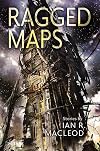
Ragged Maps no es la típica colección de cuentos de "naves espaciales y rayos láser". Es más bien un viaje por los pliegues del tiempo y la memoria. MacLeod nos propone que todos somos viajeros temporales que navegamos el presente usando mapas gastados —nuestros recuerdos— que a veces nos engañan. Tampoco es un libro para leer de un tirón. Cada relato de MacLeod es un mundo entero con sus propias leyes. Lo mejor es leer uno, dejar el libro en la mesilla y rumiarlo un par de días.
A show more lo largo del libro, verás mundos que se parecen al nuestro pero tienen "truco": una Segunda Guerra Mundial donde la maternidad es casi una cuestión de estado mística, futuros donde las máquinas son las únicas que recuerdan a Beethoven, o pueblos donde el tiempo se rompe y un relojero puede ser la persona más peligrosa del lugar. Es un libro sobre cómo el pasado siempre está mordiéndonos los talones y cómo el futuro nunca es lo que esperábamos.
Ian R. MacLeod es un tipo curioso y un auténtico artesano de las letras. Aunque ha ganado los premios más importantes del género (como el World Fantasy), no es un autor de consumo rápido. Si algo define su carrera es su gusto especial por las ucronías y las historias alternativas. MacLeod disfruta deformando la realidad histórica para ver qué queda de nosotros cuando el pasado cambia de rumbo. Ya lo demostró en sus novelas más famosas, donde reimaginó una Inglaterra victoriana movida por éter mágico en lugar de vapor, y aquí, en Ragged Maps, vuelve a jugar con ese "qué pasaría si..." para diseccionar la condición humana con una elegancia envidiable.
Aquí dejo una pincelada de cada una de las historias que componen este volumen. Cada uno de los quince relatos cuenta con un epílogo escrito por el propio MacLeod. En estas breves notas, el autor nos explica de dónde surgió la idea, qué buscaba transmitir o qué estaba pasando en su vida cuando lo escribió:
-The Mrs Innocents: Una periodista embarazada viaja al Berlín de 1940 en una realidad alternativa donde existen los "Birthplaces", lugares casi sagrados y burocráticos para dar a luz. Es una ucronía fascinante y perturbadora.
-The Wisdom of the Group: Un relato que juega con la precognición aplicada a algo tan poco poético, pero tan humano, como la bolsa y las inversiones.
-Ephemera: Una inteligencia artificial llamada KAT custodia los restos de la cultura humana en una estación espacial mientras espera una señal de una Tierra que quizá ya no exista.
-Lamagica: Una aventura con sabor a expedición antigua por las selvas de Centroamérica, buscando un lugar donde la magia —o una energía llamada "aether"— todavía funciona de forma salvaje.
-Ouroboros: Como su nombre indica, es un relato sobre ciclos y retornos, donde el tiempo se muerde la cola.
-Stuff: Una reflexión sobre nuestra adicción a las "cosas", a acumular objetos para intentar que el tiempo no nos borre.
-The God of Nothing: Un cuento con aire de fábula sobre un administrador real que debe enfrentarse a un vacío que, paradójicamente, lo contiene todo.
-Downtime: Trata sobre esos huecos en la memoria, los tiempos perdidos que intentamos recuperar a toda costa para saber quiénes somos.
-The Roads: Un relato muy emotivo que mezcla los recuerdos de la Primera Guerra Mundial con la figura del padre y la sensación de volver a un hogar que ya no existe.
-The Memory Artist: En un futuro lejano y colorista, un artista crea obras usando fragmentos de recuerdos ajenos, explorando la identidad como si fuera un collage.
-Sin Eater: Un relato potente sobre un robot que debe absorber los pecados (y los recuerdos) de un Papa moribundo, sufriendo en sus circuitos el peso de toda una vida.
-The Visitor from Taured: Basado en una leyenda urbana real, MacLeod lo lleva al terreno de la física cuántica y los universos paralelos de una forma muy inteligente.
-The Chronologist: La historia de un niño fascinado por un relojero en un pueblo donde el tiempo parece estancado, hasta que se desata una tormenta temporal.
-Selkie: Una vuelta de tuerca al mito escocés, donde la nostalgia y los cambios sociales se mezclan con lo fantástico. Una muy buena ucronía.
-The Fall of the House of Kepler: El telescopio Kepler, dotado de consciencia, se vuelve loco de soledad en el espacio profundo mientras descubre que la humanidad ha desaparecido. show less
A show more lo largo del libro, verás mundos que se parecen al nuestro pero tienen "truco": una Segunda Guerra Mundial donde la maternidad es casi una cuestión de estado mística, futuros donde las máquinas son las únicas que recuerdan a Beethoven, o pueblos donde el tiempo se rompe y un relojero puede ser la persona más peligrosa del lugar. Es un libro sobre cómo el pasado siempre está mordiéndonos los talones y cómo el futuro nunca es lo que esperábamos.
Ian R. MacLeod es un tipo curioso y un auténtico artesano de las letras. Aunque ha ganado los premios más importantes del género (como el World Fantasy), no es un autor de consumo rápido. Si algo define su carrera es su gusto especial por las ucronías y las historias alternativas. MacLeod disfruta deformando la realidad histórica para ver qué queda de nosotros cuando el pasado cambia de rumbo. Ya lo demostró en sus novelas más famosas, donde reimaginó una Inglaterra victoriana movida por éter mágico en lugar de vapor, y aquí, en Ragged Maps, vuelve a jugar con ese "qué pasaría si..." para diseccionar la condición humana con una elegancia envidiable.
Aquí dejo una pincelada de cada una de las historias que componen este volumen. Cada uno de los quince relatos cuenta con un epílogo escrito por el propio MacLeod. En estas breves notas, el autor nos explica de dónde surgió la idea, qué buscaba transmitir o qué estaba pasando en su vida cuando lo escribió:
-The Mrs Innocents: Una periodista embarazada viaja al Berlín de 1940 en una realidad alternativa donde existen los "Birthplaces", lugares casi sagrados y burocráticos para dar a luz. Es una ucronía fascinante y perturbadora.
-The Wisdom of the Group: Un relato que juega con la precognición aplicada a algo tan poco poético, pero tan humano, como la bolsa y las inversiones.
-Ephemera: Una inteligencia artificial llamada KAT custodia los restos de la cultura humana en una estación espacial mientras espera una señal de una Tierra que quizá ya no exista.
-Lamagica: Una aventura con sabor a expedición antigua por las selvas de Centroamérica, buscando un lugar donde la magia —o una energía llamada "aether"— todavía funciona de forma salvaje.
-Ouroboros: Como su nombre indica, es un relato sobre ciclos y retornos, donde el tiempo se muerde la cola.
-Stuff: Una reflexión sobre nuestra adicción a las "cosas", a acumular objetos para intentar que el tiempo no nos borre.
-The God of Nothing: Un cuento con aire de fábula sobre un administrador real que debe enfrentarse a un vacío que, paradójicamente, lo contiene todo.
-Downtime: Trata sobre esos huecos en la memoria, los tiempos perdidos que intentamos recuperar a toda costa para saber quiénes somos.
-The Roads: Un relato muy emotivo que mezcla los recuerdos de la Primera Guerra Mundial con la figura del padre y la sensación de volver a un hogar que ya no existe.
-The Memory Artist: En un futuro lejano y colorista, un artista crea obras usando fragmentos de recuerdos ajenos, explorando la identidad como si fuera un collage.
-Sin Eater: Un relato potente sobre un robot que debe absorber los pecados (y los recuerdos) de un Papa moribundo, sufriendo en sus circuitos el peso de toda una vida.
-The Visitor from Taured: Basado en una leyenda urbana real, MacLeod lo lleva al terreno de la física cuántica y los universos paralelos de una forma muy inteligente.
-The Chronologist: La historia de un niño fascinado por un relojero en un pueblo donde el tiempo parece estancado, hasta que se desata una tormenta temporal.
-Selkie: Una vuelta de tuerca al mito escocés, donde la nostalgia y los cambios sociales se mezclan con lo fantástico. Una muy buena ucronía.
-The Fall of the House of Kepler: El telescopio Kepler, dotado de consciencia, se vuelve loco de soledad en el espacio profundo mientras descubre que la humanidad ha desaparecido. show less
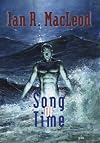
Song of Time is a melancholy reflection of life and legacy. Roushana Maitland is preparing to die, or more accurately shed her physical body and enter digital immortality. In the middle of her preparations, a young man with amnesia washes ashore on the cliffs below her house.
The meat of the book is is Roushana reflecting on her life through the tumultuous 21st century, and the role of art in a world. A talented concert violinist, Roushana provides a frame to ask if art gives life meaning, show more and if not art, then what. The biography is a clever way to provide a future history that is just short of apocalyptic. A new disease claims Roushana's brother. A nuclear war between India and Pakistan almost kills her mother. Global warming threatens everything, until the Yellowstone Volcano erupts and cools the plnet, at the cost of North America. Somehow, life goes on.
The book is best when it explores Roushana's relationship with the artistic people around her. Her piano prodigy brother, the gender-ambiguous critic Harad, her husband and conductor Claude, in his talent and weakness. The glimpses of the future are both chilling and believable. The 'present' timeline, with the amnesiac young man, doesn't do as much, and the odd unlife of the digitally immortal is sadly wasted as it relates to what the world looks like. Still, this is a satisfying, sophisticated, and melancholy yet optimistic book. show less
The meat of the book is is Roushana reflecting on her life through the tumultuous 21st century, and the role of art in a world. A talented concert violinist, Roushana provides a frame to ask if art gives life meaning, show more and if not art, then what. The biography is a clever way to provide a future history that is just short of apocalyptic. A new disease claims Roushana's brother. A nuclear war between India and Pakistan almost kills her mother. Global warming threatens everything, until the Yellowstone Volcano erupts and cools the plnet, at the cost of North America. Somehow, life goes on.
The book is best when it explores Roushana's relationship with the artistic people around her. Her piano prodigy brother, the gender-ambiguous critic Harad, her husband and conductor Claude, in his talent and weakness. The glimpses of the future are both chilling and believable. The 'present' timeline, with the amnesiac young man, doesn't do as much, and the odd unlife of the digitally immortal is sadly wasted as it relates to what the world looks like. Still, this is a satisfying, sophisticated, and melancholy yet optimistic book. show less
Lists
Awards


You May Also Like


Associated Authors
Statistics
- Works
- 76
- Also by
- 90
- Members
- 2,012
- Popularity
- #12,793
- Rating
- 3.6
- Reviews
- 80
- ISBNs
- 76
- Languages
- 6
- Favorited
- 12