
Yaşar Kemal (1923–2015)
Author of Memed, My Hawk
About the Author
Kemal Sadik Gokceli was born into a Turkish-Kurdish family in Hemite, Turkey in 1922. He worked as a cotton picker, tractor driver, and threshing machine operator before he took a job at the library in Adana. Since there were few patrons, he spent his time reading world literature. He discovered show more Marxism and was imprisoned for several months on charges of spreading Communist ideas. He moved to Istanbul in 1951 where he worked at the newspaper Cumhuriyet for over ten years and adopted the pen name Yasar Kemal. As a young journalist, he played a key role in stopping the planned destruction of a historic Armenian shrine, the Holy Cross Church on Akhtamar Island in eastern Turkey. In 1962, he joined the leftish Turkish Workers Party, and he served as one of its leaders until quitting after the Soviet invasion of Czechoslovakia in 1968. His novels include the Wind from the Plain trilogy; Memed, My Hawk; and They Burn the Thistles. He received the Presidential Cultural and Artistic Grand Prize in 2008 and the Armenian Ministry of Culture gave him the Krikor Naregatsi decoration to recognize "his tribute to Armenian cultural heritage and his courage, as well as his commitment to universal values related to justice, freedom and human dignity" in 2013. He died on February 28, 2015 at the age of 92. (Bowker Author Biography) show less
Series
Works by Yaşar Kemal
Bugünlerde Bahar İndi 2 copies
Çukurova yana yana... 1 copy
memed meu falcão 1 copy
INCE MEMED 3 1 copy
BİR BULUT KAYNIYOR 1 copy
BÜTÜN HİKAYELER 1 copy
BİN BOĞALAR EFSANESI(ROMAN) 1 copy
DENİZ KÜSTÜ 1 copy
Madu maha tappa! 1 copy
Memet My Hawk 1 copy
Bin Boğalar Efsanesi 1 copy
Ortadirek 1 copy
Jeřábi se zlatými pery 1 copy
BU DİYAR BAŞTAN BAŞA 1 copy
Butun Hikayeleri 1 copy
Magre Memed 1 copy
Set of 3, Yasar Kemal, Turkish Book, Teneke Agridagi Efsanesi Yilani Oldurseler , Turkce Kitap, Turkce Roman, Turkish Novel (2017) 1 copy
Indje Memed, haiducul 1 copy
Die Disteln brennen (Memed-Romane): Roman. Memed-Romane II (Unionsverlag Taschenbücher) (2017) 1 copy
Zanpa ezak sugea 1 copy
Il cardo 1 copy
Ince Memed Ince Memed 1 copy
Tynde Memed / 2. del, Bjergrøverne ; på dansk ved Mustafa Taran ; [tekstning: Rebecca Løwe] (1989) 1 copy
Ohdakkeinen palavat 1 copy
ממד הרזה : רומן 1 copy
Ağrıdağı Efsanesi 1 copy
Memed mjói 1 copy
Βίπερ 597: Ο ψηλός Μεμέντ 1 copy
Yolda 1 copy
Ağrıdağı efsanesi 1 copy
Associated Works
Tablet & Pen: Literary Landscapes from the Modern Middle East (Words Without Borders) (2010) — Contributor — 222 copies, 2 reviews
Tagged
Common Knowledge
- Canonical name
- Kemal, Yaşar
- Legal name
- Gökçeli, Kemal Sadık
- Other names
- Gökçeli, Kemal Sadık (birth)
- Birthdate
- 1923-10-06
- Date of death
- 2015-02-28
- Gender
- male
- Occupations
- journalist
novelist - Organizations
- Cumhuriyet (newspaper)
Turkish Workers Party - Awards and honors
- "Seven Days in the World's Largest Farm" reportage series, Journalist's Association Prize (1955)
Ilhan Iskender Award for the play adapted from his book with the same name, Teneke ("The Drumming-Out") (1966)
The International Nancy Theatre Festival - First Prize for Teneke ("The Drumming-Out") (1966)
Madarli Novel Award for Demirciler Çarşısı ("Murder in the Ironsmith's Market") (1974)
Choix du Syndicat des Critiques Littéraires pour le meilleur roman etranger (1977)
Prix mondial Cino Del Duca decerné pour contributions a l'humanisme moderne; Paris, Octobre (1982) (show all 9)
Commandeur de la Légion d'Honneur de France; Paris (1984)
Peace Prize of the German Book Trade (1997)
Premio per la Pace,Associazione librai tedeschi (1997) - Relationships
- Kemal, Thilda (echtg.)
Kemal, Ayşe (zweite Ehefrau) - Cause of death
- organ failure
- Nationality
- Turkey
- Birthplace
- Gökçedam, Turkey
- Places of residence
- Gökçedam, Turkey (birth)
Istanbul, Turkey - Place of death
- Istanbul, Türkei
- Burial location
- Zincirlikuyu Mezarlığı, İstanbul, Turkey
- Associated Place (for map)
- Turkey
Members
Reviews

The highlands of Anatolia are a harsh but beautiful land ruled by aghas, far from the reach of Ankara. Young Memed and his mother live in a village under a harsh and despotic agha, who hated Memed's late father, and so treats him particularly cruelly. In desperation, Memed runs away, but is forced to return, and enraged, the agha retaliates until Memed and his mother are barely subsisting. When his beloved is forcibly engaged to the agha's nephew, Memed runs away with her with disastrous show more results. Forced to take up a life of brigandry, he attempts to find a way to unite the villages against the agha and help them retake their land.
Written in 1955, this novel was both critically acclaimed and popular in Turkey. It's a lively tale of a young Robin Hood-esque peasant turned brigand coming of age at a time when Turkey is at the crossroads of feudalism and modernity. It resembles folklore in its tone and its David vs Goliath hero. I enjoyed this romantic, unsophisticated glimpse into a life gone by, and the descriptions of the land remind me of Aitmatov's literary love for the steppe. It's the first in a four-book series, the next of which is They Burn the Thistles. show less
Written in 1955, this novel was both critically acclaimed and popular in Turkey. It's a lively tale of a young Robin Hood-esque peasant turned brigand coming of age at a time when Turkey is at the crossroads of feudalism and modernity. It resembles folklore in its tone and its David vs Goliath hero. I enjoyed this romantic, unsophisticated glimpse into a life gone by, and the descriptions of the land remind me of Aitmatov's literary love for the steppe. It's the first in a four-book series, the next of which is They Burn the Thistles. show less
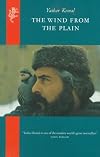
This story tells of the lives of a poor peasant family struggling through epic challenges to survive and get ahead in a mid-century Turkish village. The family makes an annual trek over a mountain pass to the cotton fields where they hope to have a good enough harvest to improve their lives. But everything seems to be against them: village families fight among each other for advantage; corrupt village leaders play them off to get a profitable deal from the landowners; different generations show more within the family fight for respect and attention; the land, the weather, even the spirits, seem to exist just to make things harder. And the final result from their labours is disappointment. (This book is the first of a trilogy, so maybe things will get better in the future.)
The story has the feel of an epic struggle against fate and the elements, but told within the personal details of peasant life. Ali is a heroic and sympathetic character. He tries to build up his family’s position by taking on enormous tasks and facing overwhelming risks. Inspired by his mother, he pushes on against a raging storm (his mother rages against her fate like Lear in the storm). He tries to help his village and the lying braggart Old Halil, although they don’t return his support. Ali is a good soul who would be a good friend, although he is beaten down by bad luck time after time.
While his story is unrelenting struggle, it is not unending misery. The family cares for each other, even while they play out their personal issues. Ali resents his mother, but over and over he risks his life and his family’s future to look after her. Ali’s wife makes his favourite foods even though she has only what she can carry on her back. His kids play and sing, but they also have their ideas about how they can support the family. Occasionally, it seems that things are going their way, and they can take a break. Then their life appears almost idyllic, loving and rich.
The concrete details of their environment and their lives make the story real and relatable. The smells in the wind, the sparkle of a stubble field, the offerings hanging from a holy tree seem to come from first-hand knowledge, and they place a reader in the scene. They give insight into what the characters are seeing and feeling, and help a Canadian urban reader empathize with them on their journey over the Turkish mountains.
This makes the struggle of a traditional family in the modern world more poignant. Things don’t work the way they used to, and a corrupt modern political and economic system undermines them as much as their struggles against nature. They face their epic struggle yearly, and the village leaders aligned with the modern Turkish state of the 1950s exploit them for their labour or send them off to the army. The villagers know they need to organize to protect themselves, but they are stuck in their atomized families, each one struggling alone to survive.
Perhaps this conflict is the key theme that Yashar Kemal wants to point to in the novel – the need for traditional Turkish peasantry to organize together instead of fighting alone among themselves. He shows that it will not be easy – their attempts flounder twice in the novel, and the village leader is shown trying to buy off each family individually – but it seems to be the only way that the families will get ahead in a market economy that does not support them.
Although set in a culture and place that I know nothing about, the story and the characters are interesting enough that I want to read the rest of the trilogy. show less
The story has the feel of an epic struggle against fate and the elements, but told within the personal details of peasant life. Ali is a heroic and sympathetic character. He tries to build up his family’s position by taking on enormous tasks and facing overwhelming risks. Inspired by his mother, he pushes on against a raging storm (his mother rages against her fate like Lear in the storm). He tries to help his village and the lying braggart Old Halil, although they don’t return his support. Ali is a good soul who would be a good friend, although he is beaten down by bad luck time after time.
While his story is unrelenting struggle, it is not unending misery. The family cares for each other, even while they play out their personal issues. Ali resents his mother, but over and over he risks his life and his family’s future to look after her. Ali’s wife makes his favourite foods even though she has only what she can carry on her back. His kids play and sing, but they also have their ideas about how they can support the family. Occasionally, it seems that things are going their way, and they can take a break. Then their life appears almost idyllic, loving and rich.
The concrete details of their environment and their lives make the story real and relatable. The smells in the wind, the sparkle of a stubble field, the offerings hanging from a holy tree seem to come from first-hand knowledge, and they place a reader in the scene. They give insight into what the characters are seeing and feeling, and help a Canadian urban reader empathize with them on their journey over the Turkish mountains.
This makes the struggle of a traditional family in the modern world more poignant. Things don’t work the way they used to, and a corrupt modern political and economic system undermines them as much as their struggles against nature. They face their epic struggle yearly, and the village leaders aligned with the modern Turkish state of the 1950s exploit them for their labour or send them off to the army. The villagers know they need to organize to protect themselves, but they are stuck in their atomized families, each one struggling alone to survive.
Perhaps this conflict is the key theme that Yashar Kemal wants to point to in the novel – the need for traditional Turkish peasantry to organize together instead of fighting alone among themselves. He shows that it will not be easy – their attempts flounder twice in the novel, and the village leader is shown trying to buy off each family individually – but it seems to be the only way that the families will get ahead in a market economy that does not support them.
Although set in a culture and place that I know nothing about, the story and the characters are interesting enough that I want to read the rest of the trilogy. show less

Set against the wild Cilician landscape, a rural place of thistle-covered land, brigands and evil landowners ...and the common people reduced to serfs.
Memed is the righteously aggrieved young son of a poverty stricken widow, living under the "rule" of nasty Abdi Agha. When Memed's beloved, Hatche, is chosen as a bride by Abi's nephew, the young couple elope...but there are repercussions. Memed, gradually, finds himself forced into life with a gang of brigands.....and leaves behind his show more original nickname "Slim Memed" to become the heroic "Memed my Hawk"..
Shoot-outs in the mountains, capturing a prisoner from the guards, coping with other unfriendly outlaws....Pretty good read, which really portrays the scenery and the life. show less
Memed is the righteously aggrieved young son of a poverty stricken widow, living under the "rule" of nasty Abdi Agha. When Memed's beloved, Hatche, is chosen as a bride by Abi's nephew, the young couple elope...but there are repercussions. Memed, gradually, finds himself forced into life with a gang of brigands.....and leaves behind his show more original nickname "Slim Memed" to become the heroic "Memed my Hawk"..
Shoot-outs in the mountains, capturing a prisoner from the guards, coping with other unfriendly outlaws....Pretty good read, which really portrays the scenery and the life. show less

No, megvan a török Érik a gyümölcs – annyi a különbség, hogy Kemal könyve vagy kétszáz évvel előbb játszódik. A francokat! Valójában az Ördöszekerek útján hősei jó húsz évvel Steinbeck szereplői után kínlódják bele magukat a világirodalomba, mégis olybá tűnik, mintha Esze Tamás parasztjainak kortársai lennének. Hiába no, Anatólia az nem Ámerika. A könyv alaptörténete nem egy kvantumelmélet haladóknak: a Taurus-hegység egyik mélyszegény faluja show more minden ősszel, amikor feltűnnek az úton az ördögszekerek, felkerekedik, mert ez azt jelzi, hogy az alföldön már nyílik a gyapot. Ebből az idénymunkából élnek, és enélkül alighanem éhen vesznének, úgyhogy öregekkel, gyerekekkel együtt nekilódulnak a sivár török tájon, hátukon cipelve minden málhájukat. Ez az út maga a regény, ez a vánszorgás – mintha csak egy csapat lerongyolódott hobbitot látnánk, akik a Végzetkatlan felé igyekeznek. De míg a Gyűrűk ura olvasója nagyjából biztos lehet benne, hogy Frodó így vagy úgy, de begyömöszöli a gyűrűt a rendeltetési helyére, így minden jó, ha a vége jó, addig Kemal hőseiről szaglik a kudarc. (Hogy tényleg megjárják-e – azt nem árulhatom el*.)
Amúgy ezek a figurák nem olyan móriczos „Azé'?” „Azé'!” típusú parasztok – nem tartják magukban, ha fáj nekik valami. Lamentálnak rendesen, szeretteiket meglehetős gyakorisággal átkozzák el vagy küldik melegebb éghajlatra, és úgy nevelik szép lombosra saját gyűlöletüket, hogy azt csak bámulni lehet – ez mindenképpen feldobja kicsit a vándorlás monotóniáját. Színesíti továbbá a bő kézzel adagolt folklór, valamint némi osztályellentét is, de a lényeg mégis az a kálvária**, amit a szereplők bejárni kénytelenek. És hát le a kalappal Kemal előtt, mert konzekvensen tartja magát ahhoz, hogy az utat ábrázolja, és csakis az utat, annak minden kacskaringójával együtt: a felhasadó talppal, az összerogyó testtel, a tehetetlen dühvel együtt. Nem mondom, hogy időnként nem sok ebből a jóból, mégis: az író következetessége lenyűgöző.
*Persze, hogy megjárják. Egész egyszerűen a regény dinamikájából adódik, hogy hülyén venné ki magát egy happy end.
** Bár ez a kifejezés muzulmánok esetében sután hathat, mégis – ennél pontosabban aligha lehet megragadni a lényeget. show less
Amúgy ezek a figurák nem olyan móriczos „Azé'?” „Azé'!” típusú parasztok – nem tartják magukban, ha fáj nekik valami. Lamentálnak rendesen, szeretteiket meglehetős gyakorisággal átkozzák el vagy küldik melegebb éghajlatra, és úgy nevelik szép lombosra saját gyűlöletüket, hogy azt csak bámulni lehet – ez mindenképpen feldobja kicsit a vándorlás monotóniáját. Színesíti továbbá a bő kézzel adagolt folklór, valamint némi osztályellentét is, de a lényeg mégis az a kálvária**, amit a szereplők bejárni kénytelenek. És hát le a kalappal Kemal előtt, mert konzekvensen tartja magát ahhoz, hogy az utat ábrázolja, és csakis az utat, annak minden kacskaringójával együtt: a felhasadó talppal, az összerogyó testtel, a tehetetlen dühvel együtt. Nem mondom, hogy időnként nem sok ebből a jóból, mégis: az író következetessége lenyűgöző.
*Persze, hogy megjárják. Egész egyszerűen a regény dinamikájából adódik, hogy hülyén venné ki magát egy happy end.
** Bár ez a kifejezés muzulmánok esetében sután hathat, mégis – ennél pontosabban aligha lehet megragadni a lényeget. show less
Lists
Awards


You May Also Like


Associated Authors
Statistics
- Works
- 122
- Also by
- 3
- Members
- 3,137
- Popularity
- #8,136
- Rating
- 4.0
- Reviews
- 42
- ISBNs
- 414
- Languages
- 15
- Favorited
- 8

