
Janine Latus
Author of If I Am Missing or Dead: A Sister's Story of Love, Murder, and Liberation
About the Author
Image credit: Janine Latus
Works by Janine Latus
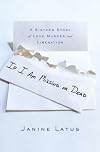
If I Am Missing or Dead: A Sister's Story of Love, Murder, and Liberation (2007) 814 copies, 37 reviews
Tagged
Common Knowledge
- Birthdate
- 1959-12-09
- Gender
- female
- Occupations
- journalist
- Nationality
- USA
- Associated Place (for map)
- USA
Members
Reviews
"But why don't they just leave?" This was the question that came out of one of my students' mouths as she picked up on common theme throughout our literature--unhappy women stuck in physically or verbally abusive relationships.
For many people who have never experienced domestic violence firsthand, this question is the first one that comes to mind. The answer--to get out--is so obvious that they cannot comprehend the victim's point of view. Janine Latus's account takes one step forward in show more answering that question. Her emotional memoir gives readers insight into the psychological warfare that goes hand-in-hand with domestic violence.
Yes, it is true that the book jacket makes it seem like "If I am Missing or Dead" will read like a true crime story about Amy Latus' destructive and ultimately fatal relationship. By the second chapter, it is apparent that the book is actually about Janine, and it often reads like a personal catharsis, working out the emotional struggle of the author in ways that seem more fit for a therapy session than a biography. I don't foresee the book winning any great literary awards for writing style, but I think the self-reflective style is exactly what makes "If I Am Missing or Dead" such a valuable resource. The honest and unfettered voice of the victim is so rarely heard.
After reading this book, I can't imagine anyone asking, "Why didn't they just leave?" Janine talks about her past in such detail that the reader is transported back in time--to the cabin on the lake, to the hotel room with Kurt, to her family's Christmas... In these moments, one has no choice but to feel Janine's emotions: the shame and fear of sexual assault, the delightful anxiety of an edgy relationship, the desperate desire for control and stability. There is not one aspect of domestic violence that Janine leaves unexplored--neither physical, psychological, nor social. The intimate first person narration shows the dangerous lure of victim-blaming (and self-blame), of unfair gender expectations and power dynamics, of social pressure to maintain appearances no matter the cost. In the face of this, readers can begin to understand the true toll of domestic violence and see why women like Amy and Janine don't just "get out."
No, the book isn't about Amy, but that isn't the point. For the billions of men and women who are or will be victims of domestic violence, the most important message isn't about Amy's death. The takeaway is--or should be--that women like Janine fight everyday for their lives, for their freedom, for their safety... and for hope. show less
For many people who have never experienced domestic violence firsthand, this question is the first one that comes to mind. The answer--to get out--is so obvious that they cannot comprehend the victim's point of view. Janine Latus's account takes one step forward in show more answering that question. Her emotional memoir gives readers insight into the psychological warfare that goes hand-in-hand with domestic violence.
Yes, it is true that the book jacket makes it seem like "If I am Missing or Dead" will read like a true crime story about Amy Latus' destructive and ultimately fatal relationship. By the second chapter, it is apparent that the book is actually about Janine, and it often reads like a personal catharsis, working out the emotional struggle of the author in ways that seem more fit for a therapy session than a biography. I don't foresee the book winning any great literary awards for writing style, but I think the self-reflective style is exactly what makes "If I Am Missing or Dead" such a valuable resource. The honest and unfettered voice of the victim is so rarely heard.
After reading this book, I can't imagine anyone asking, "Why didn't they just leave?" Janine talks about her past in such detail that the reader is transported back in time--to the cabin on the lake, to the hotel room with Kurt, to her family's Christmas... In these moments, one has no choice but to feel Janine's emotions: the shame and fear of sexual assault, the delightful anxiety of an edgy relationship, the desperate desire for control and stability. There is not one aspect of domestic violence that Janine leaves unexplored--neither physical, psychological, nor social. The intimate first person narration shows the dangerous lure of victim-blaming (and self-blame), of unfair gender expectations and power dynamics, of social pressure to maintain appearances no matter the cost. In the face of this, readers can begin to understand the true toll of domestic violence and see why women like Amy and Janine don't just "get out."
No, the book isn't about Amy, but that isn't the point. For the billions of men and women who are or will be victims of domestic violence, the most important message isn't about Amy's death. The takeaway is--or should be--that women like Janine fight everyday for their lives, for their freedom, for their safety... and for hope. show less
"Lots of things happen between couples, and nobody needs to know. I don't need to air my dirty laundry. I don't need to tell."
But if her sister Amy had told she may have been alive today.
Many people have criticized this book, whether it be for the writing style being "disjointed" or "inconclusive", for the book book having been marketed as what they thought was true crime, for the author's blindness to her own similar situation while encouraging her sister to get out of her relationship, show more or for it just being "too whiny".
As far as the writing style, I liked it. I could only put this book down reluctantly until I finished it. I thought it well written, and it was written the way most people think. Our thoughts are not always jointed, especially when living in stressful situations---the writing expressed well how the author was feeling not at the time she wrote it, but at the time she was experiencing the given situations. It was not "whiny". It was an honest memoir, but unless you have been in the same situation you may not realize that.
"If you see yourself in this book, you are not alone. I thought I was. Amy thought she was. But we aren't".
I thought I was alone...Unfortunately, thousands of women know all too well what the author have gone through firsthand, and unfortunately many of them do wind up like her sister. But fortunately some of us get out of these situations to live better lives.
The author having been blind to her own situation while encouraging her sister to get out of a bad relationship is just typical of being in that type relationship---the dominant person makes the other person feel uncertain of everything in their own life: their relationship, their situation, their security, their own thoughts even. Which is why she also would think everything was her own fault, rather than the fault of a neurotic, insecure, jealous husband. And at the end she did finally leave him.
As for this being marketed as true crime, the publisher have more control over that than the author.
Although it was a true crime, the book is not about the crime so much as the relationships that the sisters had with the men in their lives (including their father) which were mainly dysfunctional and the effects of the those relationships.
But that did not take away from the fact that this was a very good book worth reading. show less
But if her sister Amy had told she may have been alive today.
Many people have criticized this book, whether it be for the writing style being "disjointed" or "inconclusive", for the book book having been marketed as what they thought was true crime, for the author's blindness to her own similar situation while encouraging her sister to get out of her relationship, show more or for it just being "too whiny".
As far as the writing style, I liked it. I could only put this book down reluctantly until I finished it. I thought it well written, and it was written the way most people think. Our thoughts are not always jointed, especially when living in stressful situations---the writing expressed well how the author was feeling not at the time she wrote it, but at the time she was experiencing the given situations. It was not "whiny". It was an honest memoir, but unless you have been in the same situation you may not realize that.
"If you see yourself in this book, you are not alone. I thought I was. Amy thought she was. But we aren't".
I thought I was alone...Unfortunately, thousands of women know all too well what the author have gone through firsthand, and unfortunately many of them do wind up like her sister. But fortunately some of us get out of these situations to live better lives.
The author having been blind to her own situation while encouraging her sister to get out of a bad relationship is just typical of being in that type relationship---the dominant person makes the other person feel uncertain of everything in their own life: their relationship, their situation, their security, their own thoughts even. Which is why she also would think everything was her own fault, rather than the fault of a neurotic, insecure, jealous husband. And at the end she did finally leave him.
As for this being marketed as true crime, the publisher have more control over that than the author.
Although it was a true crime, the book is not about the crime so much as the relationships that the sisters had with the men in their lives (including their father) which were mainly dysfunctional and the effects of the those relationships.
But that did not take away from the fact that this was a very good book worth reading. show less
After reading many reviews that sharply criticized the author for making this book more about her story than the story of her sister, I was prepared to hate it, but I was surprised that I enjoyed reading it. The story is sad, but Latus does a great job of telling the story of an entire lifetime (hers) and the correlations between the two relationships (hers & her sisters). The book was easy to follow and thought-provoking... I feel like I know both of these women. I hope many women read this show more book and find the strength to get out of their abusive relationship. And I hope abusers read this story & realize they need to change. show less
The title suggests this is a book about Amy Latus. In fact, it is the story of her sister, Janine, and I found it exhausting and overwhelming. It reads like a therapy session covering all of Janine's marital woes, problems with her father, issues with sex and other personal struggles. I wish her well - but I so did not want to read any of this (and indeed I often found myself skipping passages).
I never felt like I got to know Amy. There are plenty of the generalities that invariably come show more with death (she was wonderful, funny, thoughtful, etc.) but Amy - presumably the subject of this book - seems mostly like a visitor here. The author manages to offer hundreds of minute details about her own life, yet provides very few that would give readers a full picture of Amy. show less
I never felt like I got to know Amy. There are plenty of the generalities that invariably come show more with death (she was wonderful, funny, thoughtful, etc.) but Amy - presumably the subject of this book - seems mostly like a visitor here. The author manages to offer hundreds of minute details about her own life, yet provides very few that would give readers a full picture of Amy. show less
Lists
Awards

You May Also Like


Statistics
- Works
- 1
- Members
- 814
- Popularity
- #31,348
- Rating
- 3.3
- Reviews
- 37
- ISBNs
- 16
- Languages
- 1