
Francesco Sedita
Author of Candy Apple #3: Miss Popularity
About the Author
Image credit: Penguin Books
Series
Works by Francesco Sedita
Associated Works
Life's Short, Talk Fast: Fifteen Writers on Why We Can't Stop Watching Gilmore Girls (2024) — Contributor — 36 copies
Tagged
Common Knowledge
- Birthdate
- 20th c.
- Gender
- male
- Education
- Gallatin School, New York University
- Nationality
- USA
- Birthplace
- New York, New York, USA
- Places of residence
- Randolph, New Jersey, USA
Morris Plains, New Jersey, USA
New York, New York, USA - Associated Place (for map)
- New Jersey, USA
Members
Reviews
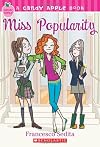
Cassie Knight is devastated when she moves cross-country and finds that her new schoolmates don't love her as much as her old ones do. Nevertheless, she resolves to remain true to her self and hopes to find some friends who will appreciate her for who she is.
While visiting a local library, I noticed a display with some popular series in the children's section and saw a series called "Candy Apple" books. There's a young one in my family who's an advanced reader, and I thought these books show more might be up her alley. I decided to check them out first before making any such recommendation and I'm certainly glad I did as this book was an absolute travesty.
The basic premise sounds all good on face value with the moral of being true to one's self, even if that means you aren't automatically popular. There are certainly admirable things about Cassie - for instance, she is very polite and considerate - and there are definitely horrible things about some of her new classmates - like how they make fun of Cassie because of her accent. But the problem is that the Cassie's "true character" is someone who is obsessed with fashion and make-up, and these are the overriding concerns in her life. At least once every couple of paragraphs, there has to be a reference to hairspray, mascara, lip gloss, manicures/pedicures, designer-name clothing and shoes, etc. Even when she gets upset about how her new classmates treat her, it isn't simply that they are rude, it's that they are un-manicured, blandly dressed, and impolite. The one person Cassie meets and becomes friendly with only catches her eye because she appears to have a bit of "fashion sense" herself.
Considering that Cassie is in the sixth grade and children usually read about kids a little older than themselves, the target audience for this book is likely girls in the third and fourth grades. With that in mind, it was just disgusting to me to read passages like this one:
"Third period was gym class. Dreaded, hated, hideous, and horrible gym class. It's not that Cassie had any problems with sweating and running and being healthy and stuff. Of course not. Duh, being healthy, like, makes you live longer. (This was not yet a Life Rule, but she realized she needed to make it one soon. She just needed to work out the exact language.) And she loved her gym outfits. Today's featured two wristbands, left arm white, right arm blue, her Grid Propel Plus Sauconys with delicious blue laces, and her peal Danskin unitard with her midnight Cobweb Crop Tie-Front Sweater and matching skirt. And matching leg warmers, of course.
But here were the things, and there a lot:
1. Getting all sweaty.
2. Getting all sweaty with other people. Especially boys. They really get all sweaty.
3. The things you have to do! Like swinging a bat, or running in circles, of the worst: throwing a ball.
4. I mean, hair!!! What's a girl supposed to do with her hair when she has, like, ten minutes to de-sweat, re-glamor, and bejewel?
4. Feeling kind of clammy and sticking for the rest of the day. So not cute."
Early on in the book, I was hoping that maybe all this over-the-top glamorization was set up so that the main character might eventually learn that being herself didn't require changing everything about her physical appearance with costly products, but nope. The book continues in the same vein throughout. The only thing that ever changes is that the main character switches from using aerosol hair spray when she realizes it's bad for the environment, opting instead for a hair spray mist.
Another passage later on highlights the problems of this book. Cassie eventually convinces her new classmates to hold a charity fashion show, and one of her nemeses joins on as a model. At the dress rehearsal, Cassie is "super-wowed by Lynn, who worked the runway better than any supermodel could hope to. She was the perfect combination of confidence and nerves, and her long legs cut perfect, sharp angles. Maybe it was time to give up on her nickname. No Nightmare could ever be so beautiful!" That's right: this book is suggesting - not very subtly at that - only ugly people can be mean while beautiful people are always good. (You'll also note from this passage how slapdash the writing here is. It's children literature so no one's expecting Dostoevsky, but ending a sentence with a preposition and using the word "perfect" twice in the same sentence is just lazy.)
So to sum up, the moral of this book is that you should be true to yourself, so long as that true self includes using designer accessories and three tons of make-up to ensure that you don't have a single blemish showing. Because beautiful automatically equals good. And that's the message we want to be sending to girls ages 8 to 12? Not in my opinion ...
Since the Candy Apple series are apparently all written by different authors, I would hope this one is anomaly. But this book included the first chapters of two other titles in the series, and they both sound almost as bad as this one. Stay away from this series if you want anything even remotely empowering for young girls. show less
While visiting a local library, I noticed a display with some popular series in the children's section and saw a series called "Candy Apple" books. There's a young one in my family who's an advanced reader, and I thought these books show more might be up her alley. I decided to check them out first before making any such recommendation and I'm certainly glad I did as this book was an absolute travesty.
The basic premise sounds all good on face value with the moral of being true to one's self, even if that means you aren't automatically popular. There are certainly admirable things about Cassie - for instance, she is very polite and considerate - and there are definitely horrible things about some of her new classmates - like how they make fun of Cassie because of her accent. But the problem is that the Cassie's "true character" is someone who is obsessed with fashion and make-up, and these are the overriding concerns in her life. At least once every couple of paragraphs, there has to be a reference to hairspray, mascara, lip gloss, manicures/pedicures, designer-name clothing and shoes, etc. Even when she gets upset about how her new classmates treat her, it isn't simply that they are rude, it's that they are un-manicured, blandly dressed, and impolite. The one person Cassie meets and becomes friendly with only catches her eye because she appears to have a bit of "fashion sense" herself.
Considering that Cassie is in the sixth grade and children usually read about kids a little older than themselves, the target audience for this book is likely girls in the third and fourth grades. With that in mind, it was just disgusting to me to read passages like this one:
"Third period was gym class. Dreaded, hated, hideous, and horrible gym class. It's not that Cassie had any problems with sweating and running and being healthy and stuff. Of course not. Duh, being healthy, like, makes you live longer. (This was not yet a Life Rule, but she realized she needed to make it one soon. She just needed to work out the exact language.) And she loved her gym outfits. Today's featured two wristbands, left arm white, right arm blue, her Grid Propel Plus Sauconys with delicious blue laces, and her peal Danskin unitard with her midnight Cobweb Crop Tie-Front Sweater and matching skirt. And matching leg warmers, of course.
But here were the things, and there a lot:
1. Getting all sweaty.
2. Getting all sweaty with other people. Especially boys. They really get all sweaty.
3. The things you have to do! Like swinging a bat, or running in circles, of the worst: throwing a ball.
4. I mean, hair!!! What's a girl supposed to do with her hair when she has, like, ten minutes to de-sweat, re-glamor, and bejewel?
4. Feeling kind of clammy and sticking for the rest of the day. So not cute."
Early on in the book, I was hoping that maybe all this over-the-top glamorization was set up so that the main character might eventually learn that being herself didn't require changing everything about her physical appearance with costly products, but nope. The book continues in the same vein throughout. The only thing that ever changes is that the main character switches from using aerosol hair spray when she realizes it's bad for the environment, opting instead for a hair spray mist.
Another passage later on highlights the problems of this book. Cassie eventually convinces her new classmates to hold a charity fashion show, and one of her nemeses joins on as a model. At the dress rehearsal, Cassie is "super-wowed by Lynn, who worked the runway better than any supermodel could hope to. She was the perfect combination of confidence and nerves, and her long legs cut perfect, sharp angles. Maybe it was time to give up on her nickname. No Nightmare could ever be so beautiful!" That's right: this book is suggesting - not very subtly at that - only ugly people can be mean while beautiful people are always good. (You'll also note from this passage how slapdash the writing here is. It's children literature so no one's expecting Dostoevsky, but ending a sentence with a preposition and using the word "perfect" twice in the same sentence is just lazy.)
So to sum up, the moral of this book is that you should be true to yourself, so long as that true self includes using designer accessories and three tons of make-up to ensure that you don't have a single blemish showing. Because beautiful automatically equals good. And that's the message we want to be sending to girls ages 8 to 12? Not in my opinion ...
Since the Candy Apple series are apparently all written by different authors, I would hope this one is anomaly. But this book included the first chapters of two other titles in the series, and they both sound almost as bad as this one. Stay away from this series if you want anything even remotely empowering for young girls. show less
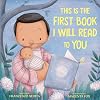
First sentence: This is the first book I will read to you, my sweet child. After we take our bath, I'll put you in your softest pajamas. And wrap you in your blanket. You'll wiggle your feet and squirm as I hold you. And I'll be nervous--to share this moment that only you and I will be a part of. You might not want to listen at first. Maybe you'll want to be doing something else. But then we'll find our way together.
Premise/plot: A father reads a book to his baby. It is written in second show more person, directly to the baby--child.
My thoughts: It is a sweet, sensitive. It isn't trying to be funny--just sincere. It stars a father--not a mother. The only two we meet in the book are father and child (baby). There are folks in picture frames, but no details given. (Nor should there have to be.)
I'm torn. Part of me is trying to restrain from overthinking a single page. The other part is finding it difficult not to overthink. For example, all the MANY positions the dad is in that would make me actual reading from a book difficult. When you've got a tiny one still needing swaddling, it's probably not best to walk around reading a book. How will you turn pages with just one hand free? And while I'm sure that plenty of the spreads are more metaphorical than literal--a father goes from walking into a nursery with a wooden floor to being outside in the woods--the scene where he's walking up hill reading the book while cradling the baby in his other arm--it just seems hazardous with all the trees about. Again, I know it's imaginative and creative--not literal.
But I think the sweetness, the tenderness, the emotional journey of this one outweighs even my overthinking. show less
Premise/plot: A father reads a book to his baby. It is written in second show more person, directly to the baby--child.
My thoughts: It is a sweet, sensitive. It isn't trying to be funny--just sincere. It stars a father--not a mother. The only two we meet in the book are father and child (baby). There are folks in picture frames, but no details given. (Nor should there have to be.)
I'm torn. Part of me is trying to restrain from overthinking a single page. The other part is finding it difficult not to overthink. For example, all the MANY positions the dad is in that would make me actual reading from a book difficult. When you've got a tiny one still needing swaddling, it's probably not best to walk around reading a book. How will you turn pages with just one hand free? And while I'm sure that plenty of the spreads are more metaphorical than literal--a father goes from walking into a nursery with a wooden floor to being outside in the woods--the scene where he's walking up hill reading the book while cradling the baby in his other arm--it just seems hazardous with all the trees about. Again, I know it's imaginative and creative--not literal.
But I think the sweetness, the tenderness, the emotional journey of this one outweighs even my overthinking. show less
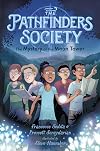
I don't know what to do with this.
1: I'm glad there's a diverse group of kids on the cover, and that they all have different, cool abilities, but it still centers the white kid as the main character who brings them all together. The authors even have personal stories that they could use but choose not to.
2: The very confusing dream sequence? Memory? at the beginning of the book makes it seem like it's possible that the entire experience is all in Kyle's head, or the plot to a graphic novel show more he is writing. So maybe all the other characters don't even exist? And the white kid is the only real person?
3: The artwork draws all of the kids with such similar body types and faces, it is often hard to keep the characters separate, especially the boys. And they don't have enough personality to really overcome that.
4: Yes! this is a fantasy with puzzles! Cool! Wait, the set up is ridiculous. They are at camp and somehow manage to find the clearly marked tile trail markers that NO ONE has ever found before that will lead them to undiscovered treasure and save the camp/mansion/town. Really?
I get that this book is intended for kids, but c'mon now. show less
1: I'm glad there's a diverse group of kids on the cover, and that they all have different, cool abilities, but it still centers the white kid as the main character who brings them all together. The authors even have personal stories that they could use but choose not to.
2: The very confusing dream sequence? Memory? at the beginning of the book makes it seem like it's possible that the entire experience is all in Kyle's head, or the plot to a graphic novel show more he is writing. So maybe all the other characters don't even exist? And the white kid is the only real person?
3: The artwork draws all of the kids with such similar body types and faces, it is often hard to keep the characters separate, especially the boys. And they don't have enough personality to really overcome that.
4: Yes! this is a fantasy with puzzles! Cool! Wait, the set up is ridiculous. They are at camp and somehow manage to find the clearly marked tile trail markers that NO ONE has ever found before that will lead them to undiscovered treasure and save the camp/mansion/town. Really?
I get that this book is intended for kids, but c'mon now. show less

I bought this for my teenage son because I caught sight of it (when I was raiding a bookshop) and I had already bought him a T-shirt with this character covered by a bacon 'blanket' on it (he loves bacon & eggs). It's a short, sweet picture book where each page has a Gudetama picture on one side with the caption on the other. Whether you look at it from the point of view of the egg (where it's hanging on to its shell for dear life) or a teenage boy ('Seriously, I just can't' says the egg, show more with half its shell covering its face) it works quite well. Fun.
June 2022
3.5 stars show less
June 2022
3.5 stars show less
Awards

You May Also Like


Associated Authors
Statistics
- Works
- 19
- Also by
- 1
- Members
- 892
- Popularity
- #28,723
- Rating
- 3.7
- Reviews
- 19
- ISBNs
- 60
- Languages
- 3