
Pamela M. Lee
Author of Object to Be Destroyed: The Work of Gordon Matta-Clark
About the Author
Pamela M. Lee is Assistant Professor in the Department of Art and Art History at Stanford University
Works by Pamela M. Lee
Associated Works
Tagged
Common Knowledge
- Gender
- female
Members
Reviews
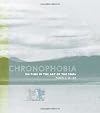
In the 1960s art fell out of time; both artists and critics lost their temporal bearings in response to what E. M. Cioran called "not being entitled to time." This anxiety and uneasiness about time, which Pamela Lee calls "chronophobia," cut across movements, media, and genres, and was figured in works ranging from kinetic sculptures to Andy Warhol films. Despite its pervasiveness, the subject of time and 1960s art has gone largely unexamined in historical accounts of the period. show more Chronophobia is the first critical attempt to define this obsession and analyze it in relation to art and technology.
Lee discusses the chronophobia of art relative to the emergence of the Information Age in postwar culture. The accompanying rapid technological transformations, including the advent of computers and automation processes, produced for many an acute sense of historical unknowing; the seemingly accelerated pace of life began to outstrip any attempts to make sense of the present. Lee sees the attitude of 1960s art to time as a historical prelude to our current fixation on time and speed within digital culture. Reflecting upon the 1960s cultural anxiety about temporality, she argues, helps us historicize our current relation to technology and time.
After an introductory framing of terms, Lee discusses such topics as "presentness" with repect to the interest in systems theory in 1960s art; kinetic sculpture and new forms of global media; the temporality of the body and the spatialization of the visual image in the paintings of Bridget Riley and the performance art of Carolee Schneemann; Robert Smithson's interest in seriality and futurity, considered in light of his reading of George Kubler's important work The Shape of Time: Remarks on the History of Things and Norbert Wiener's discussion of cybernetics; and the endless belaboring of the present in sixties art, as seen in Warhol's Empire and the work of On Kawara. show less
Lee discusses the chronophobia of art relative to the emergence of the Information Age in postwar culture. The accompanying rapid technological transformations, including the advent of computers and automation processes, produced for many an acute sense of historical unknowing; the seemingly accelerated pace of life began to outstrip any attempts to make sense of the present. Lee sees the attitude of 1960s art to time as a historical prelude to our current fixation on time and speed within digital culture. Reflecting upon the 1960s cultural anxiety about temporality, she argues, helps us historicize our current relation to technology and time.
After an introductory framing of terms, Lee discusses such topics as "presentness" with repect to the interest in systems theory in 1960s art; kinetic sculpture and new forms of global media; the temporality of the body and the spatialization of the visual image in the paintings of Bridget Riley and the performance art of Carolee Schneemann; Robert Smithson's interest in seriality and futurity, considered in light of his reading of George Kubler's important work The Shape of Time: Remarks on the History of Things and Norbert Wiener's discussion of cybernetics; and the endless belaboring of the present in sixties art, as seen in Warhol's Empire and the work of On Kawara. show less
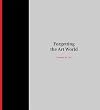
The work of art's mattering and materialization in a globalized world, with close readings of works by Takahashi Murakami, Andreas Gursky, Thomas Hirschhorn, and others.
It may be time to forget the art world―or at least to recognize that a certain historical notion of the art world is in eclipse. Today, the art world spins on its axis so quickly that its maps can no longer be read; its borders blur. In Forgetting the Art World, Pamela Lee connects the current state of this world to show more globalization and its attendant controversies. Contemporary art has responded to globalization with images of movement and migration, borders and multitudes, but Lee looks beyond iconography to view globalization as a world process. Rather than think about the “global art world” as a socioeconomic phenomenon, or in terms of the imagery it stages and sponsors, Lee considers “the work of art's world” as a medium through which globalization takes place. She argues that the work of art is itself both object and agent of globalization.
Lee explores the ways that art actualizes, iterates, or enables the processes of globalization, offering close readings of works by artists who have come to prominence in the last two decades. She examines the “just in time” managerial ethos of Takahashi Murakami; the production of ethereal spaces in Andreas Gursky's images of contemporary markets and manufacture; the logic of immanent cause dramatized in Thomas Hirschhorn's mixed-media displays; and the “pseudo-collectivism” in the contemporary practice of the Atlas Group, the Raqs Media Collective, and others.
To speak of “the work of art's world,” Lee says, is to point to both the work of art's mattering and its materialization, to understand the activity performed by the object as utterly continuous with the world it at once inhabits and creates. show less
It may be time to forget the art world―or at least to recognize that a certain historical notion of the art world is in eclipse. Today, the art world spins on its axis so quickly that its maps can no longer be read; its borders blur. In Forgetting the Art World, Pamela Lee connects the current state of this world to show more globalization and its attendant controversies. Contemporary art has responded to globalization with images of movement and migration, borders and multitudes, but Lee looks beyond iconography to view globalization as a world process. Rather than think about the “global art world” as a socioeconomic phenomenon, or in terms of the imagery it stages and sponsors, Lee considers “the work of art's world” as a medium through which globalization takes place. She argues that the work of art is itself both object and agent of globalization.
Lee explores the ways that art actualizes, iterates, or enables the processes of globalization, offering close readings of works by artists who have come to prominence in the last two decades. She examines the “just in time” managerial ethos of Takahashi Murakami; the production of ethereal spaces in Andreas Gursky's images of contemporary markets and manufacture; the logic of immanent cause dramatized in Thomas Hirschhorn's mixed-media displays; and the “pseudo-collectivism” in the contemporary practice of the Atlas Group, the Raqs Media Collective, and others.
To speak of “the work of art's world,” Lee says, is to point to both the work of art's mattering and its materialization, to understand the activity performed by the object as utterly continuous with the world it at once inhabits and creates. show less
An examination of the pervasive anxiety about and fixation with time seen in 1960s art.
In the 1960s art fell out of time; both artists and critics lost their temporal bearings in response to what E. M. Cioran called "not being entitled to time." This anxiety and uneasiness about time, which Pamela Lee calls "chronophobia," cut across movements, media, and genres, and was figured in works ranging from kinetic sculptures to Andy Warhol films. Despite its pervasiveness, the subject of time and show more 1960s art has gone largely unexamined in historical accounts of the period. Chronophobia is the first critical attempt to define this obsession and analyze it in relation to art and technology.
Lee discusses the chronophobia of art relative to the emergence of the Information Age in postwar culture. The accompanying rapid technological transformations, including the advent of computers and automation processes, produced for many an acute sense of historical unknowing; the seemingly accelerated pace of life began to outstrip any attempts to make sense of the present. Lee sees the attitude of 1960s art to time as a historical prelude to our current fixation on time and speed within digital culture. Reflecting upon the 1960s cultural anxiety about temporality, she argues, helps us historicize our current relation to technology and time.
After an introductory framing of terms, Lee discusses such topics as "presentness" with repect to the interest in systems theory in 1960s art; kinetic sculpture and new forms of global media; the temporality of the body and the spatialization of the visual image in the paintings of Bridget Riley and the performance art of Carolee Schneemann; Robert Smithson's interest in seriality and futurity, considered in light of his reading of George Kubler's important work The Shape of Time: Remarks on the History of Things and Norbert Wiener's discussion of cybernetics; and the endless belaboring of the present in sixties art, as seen in Warhol's Empire and the work of On Kawara. show less
In the 1960s art fell out of time; both artists and critics lost their temporal bearings in response to what E. M. Cioran called "not being entitled to time." This anxiety and uneasiness about time, which Pamela Lee calls "chronophobia," cut across movements, media, and genres, and was figured in works ranging from kinetic sculptures to Andy Warhol films. Despite its pervasiveness, the subject of time and show more 1960s art has gone largely unexamined in historical accounts of the period. Chronophobia is the first critical attempt to define this obsession and analyze it in relation to art and technology.
Lee discusses the chronophobia of art relative to the emergence of the Information Age in postwar culture. The accompanying rapid technological transformations, including the advent of computers and automation processes, produced for many an acute sense of historical unknowing; the seemingly accelerated pace of life began to outstrip any attempts to make sense of the present. Lee sees the attitude of 1960s art to time as a historical prelude to our current fixation on time and speed within digital culture. Reflecting upon the 1960s cultural anxiety about temporality, she argues, helps us historicize our current relation to technology and time.
After an introductory framing of terms, Lee discusses such topics as "presentness" with repect to the interest in systems theory in 1960s art; kinetic sculpture and new forms of global media; the temporality of the body and the spatialization of the visual image in the paintings of Bridget Riley and the performance art of Carolee Schneemann; Robert Smithson's interest in seriality and futurity, considered in light of his reading of George Kubler's important work The Shape of Time: Remarks on the History of Things and Norbert Wiener's discussion of cybernetics; and the endless belaboring of the present in sixties art, as seen in Warhol's Empire and the work of On Kawara. show less
You May Also Like


Associated Authors
Statistics
- Works
- 8
- Also by
- 1
- Members
- 237
- Popularity
- #95,613
- Rating
- 2.9
- Reviews
- 3
- ISBNs
- 17