
Bruce Lewis
Author of Aircrew: The Story of the Men Who Flew the Bombers
About the Author
Series
Works by Bruce Lewis
A Few of the First: The True Stories of the Men who Flew in and before the First World War (1996) 9 copies
Draw Manga 2 copies
Associated Works
Cricket Magazine, Vol. 6, No. 4, December 1978 — Contributor — 1 copy
Tagged
Common Knowledge
- Gender
- male
Members
Reviews
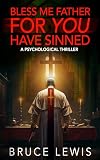
A dying man confronts a Catholic priest in the confessional, seeking revenge for his father's murder decades ago in a taut psychological thriller about justice and redemption.
What an interesting concept...the story is told from a priest's view and from a cop's view. You find yourself accepting both points of view, in spite of the evidence.
The author has managed to give us both a family mystery and a meditation on grief. At the heart of the story is the wrecked and wounded soul of a son who show more lost his father in an act of violence and has never fully recovered. We follow him decades later as he wrestles with the memory, the anger, and the unanswered questions that has haunted his entire life. There are honesty and depth here, and it pulls you into the realities between seeking justice and learning to live with loss.
No matter what your religious afflictions are, you will quickly see that it's the Catholic imagery and formation that shapes the story. Memories of catechism, confessions, penances, and prayers are woven into the lives of the characters, in different degrees. Passages from the scripture remind us that vengeance belongs to God alone. Even knowing that the main character feels that he is estranged from the Church, you can see how deeply that his "Catholic imagination" has formed him into the person he has become. For him priests, confessions, and the language of mercy are never far from the surface, and they give the book a moral depth that’s rare in most books of this type.
My one small compliant is that at times too much backstory slows the book down way too much...however in other ways, that adds to its charm showing how memory really works; sometimes messy and often times layered. This isn’t just a murder mystery. It’s deep thoughts on sin, forgiveness, and the hope of redemption, reminding us that there is a power that can heal what human justice never completely can.
4.5 stars for a good story, excellent writing and great characters, but at times I found myself losing the context of it. show less
What an interesting concept...the story is told from a priest's view and from a cop's view. You find yourself accepting both points of view, in spite of the evidence.
The author has managed to give us both a family mystery and a meditation on grief. At the heart of the story is the wrecked and wounded soul of a son who show more lost his father in an act of violence and has never fully recovered. We follow him decades later as he wrestles with the memory, the anger, and the unanswered questions that has haunted his entire life. There are honesty and depth here, and it pulls you into the realities between seeking justice and learning to live with loss.
No matter what your religious afflictions are, you will quickly see that it's the Catholic imagery and formation that shapes the story. Memories of catechism, confessions, penances, and prayers are woven into the lives of the characters, in different degrees. Passages from the scripture remind us that vengeance belongs to God alone. Even knowing that the main character feels that he is estranged from the Church, you can see how deeply that his "Catholic imagination" has formed him into the person he has become. For him priests, confessions, and the language of mercy are never far from the surface, and they give the book a moral depth that’s rare in most books of this type.
My one small compliant is that at times too much backstory slows the book down way too much...however in other ways, that adds to its charm showing how memory really works; sometimes messy and often times layered. This isn’t just a murder mystery. It’s deep thoughts on sin, forgiveness, and the hope of redemption, reminding us that there is a power that can heal what human justice never completely can.
4.5 stars for a good story, excellent writing and great characters, but at times I found myself losing the context of it. show less
Review of eBook
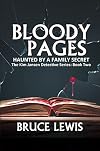
A survivor of his father’s brutal beatings, Colin Byrne is now a wealthy vintner. Haunted by nightmares of his father’s savage attack that cost him an eye, Colin often wonders why his father had beaten him with such rage. The discovery of his great-grandfather’s hidden journals reveals a long-held family secret that gives Colin the answer he thought he’d never receive . . . an answer that sends him into a rage.
Portland Police Bureau Detective Kim Jansen, sent to show more investigate an attack on a guard at the Central branch of the Multnomah County Library, discovers the theft of several volumes rare books. The perpetrator had no difficulty accessing the library’s rare book room [which housed the John Wilson Special Collections] and making off with the rare volumes. As Jansen searches for the thief, contradictory evidence hampers her investigation.
Ultimately, when several suspects emerge, will she find the thief? And why would anyone steal only a portion of a priceless series?
=========
Although “Bloody Pages” is the second book in the Detective Kim Jansen series [following “Bloody Paws”], it works well as a stand-alone with sufficient backstory for readers new to the series. A strong sense of place, believable characters, an intriguing plot, and some unforeseen twists all combine to keep the pages turning.
Readers know both the identity of the thief and the reason for his actions, but the overriding motivation remains hidden until late in the telling of the tale. This, however, does not lessen the suspense that builds throughout the narrative.
With several cringeworthy scenes that are dark, grim, and brutal, the author speaks to the consequences of intergenerational violence, shining a light on the essential need for addressing the cycle of trauma and cruelty. Although the passages are integral to the unfolding story, readers are likely to find them difficult to read.
Recommended, especially for readers who enjoy police procedurals.
I received a free copy of this book through the LibraryThing Early Readers program show less
A survivor of his father’s brutal beatings, Colin Byrne is now a wealthy vintner. Haunted by nightmares of his father’s savage attack that cost him an eye, Colin often wonders why his father had beaten him with such rage. The discovery of his great-grandfather’s hidden journals reveals a long-held family secret that gives Colin the answer he thought he’d never receive . . . an answer that sends him into a rage.
Portland Police Bureau Detective Kim Jansen, sent to show more investigate an attack on a guard at the Central branch of the Multnomah County Library, discovers the theft of several volumes rare books. The perpetrator had no difficulty accessing the library’s rare book room [which housed the John Wilson Special Collections] and making off with the rare volumes. As Jansen searches for the thief, contradictory evidence hampers her investigation.
Ultimately, when several suspects emerge, will she find the thief? And why would anyone steal only a portion of a priceless series?
=========
Although “Bloody Pages” is the second book in the Detective Kim Jansen series [following “Bloody Paws”], it works well as a stand-alone with sufficient backstory for readers new to the series. A strong sense of place, believable characters, an intriguing plot, and some unforeseen twists all combine to keep the pages turning.
Readers know both the identity of the thief and the reason for his actions, but the overriding motivation remains hidden until late in the telling of the tale. This, however, does not lessen the suspense that builds throughout the narrative.
With several cringeworthy scenes that are dark, grim, and brutal, the author speaks to the consequences of intergenerational violence, shining a light on the essential need for addressing the cycle of trauma and cruelty. Although the passages are integral to the unfolding story, readers are likely to find them difficult to read.
Recommended, especially for readers who enjoy police procedurals.
I received a free copy of this book through the LibraryThing Early Readers program show less
 This review was written for LibraryThing Early Reviewers.
I picked this book up because the premise intrigued me. There's no easier way to get a mystery fan in the book business to read your book than to write a biblio mystery. In this case the crime is the theft of Curtis' North American Indian, a famous, and extremely expensive piece of Americana. Bloody Pages generally gets the underlying facts of the book and of the book world correct, so I did not find myself struggling through a bunch of factual errors. Instead I struggled with the confusing show more behavior of almost everyone on the large cast.
It feels like nothing they do is something a real human being would do, from shouting "You've killed me!" when getting your neck slashed, to calling their spouses by their (different) last names like they're buddy cops instead of a married couple, to the whole motive behind the crime to begin with.
At one point a character comes into a restaurant and it's described like so:"Nino Parducci saw Detective Jansen approaching the front door of his restaurant. She was moving quickly, her jacket swinging open, revealing her badge and gun. Parducci grabbed the door and yanked it open, as if Jansen might crash through the glass like super woman. 'The man you are looking for is in the back,' said Parducci. 'Thanks,' she said, moving around the counter and into the dining area. 'Don’t get up,' she admonished, pushing the man back into his seat. Nearby diners appeared startled at the appearance of an armed Portland Police Bureau detective issuing a warning. To their shock, she grabbed the man behind the head and pulled him into a kiss. 'I love you, Briggs,' she said, following with a hug. He hugged her back. She looked around and told other diners that he was her husband. There was a collective sigh of relief."
Who does this? The story goes on to explain that Jansen does this every time she shares a meal out with her husband. The intention does not appear to be to make her seem like a complete weirdo. All of the characters behave in similarly weird ways that call to mind B movie scripts.
There are a handful of moments where the author seems to realize he's written something that doesn't make much sense and just decides to keep it in. Take for example this moment in the same scene, as Jansen is ordering from this restaurant. "'I’ve got your favorite, detective. Spaghetti and meatballs. The sauce is made of sauteed baby spinach, plum tomatoes, and marinara.' He had described the menu item as if Jansen hadn’t ordered it a dozen times before."
The author seems to know that if Jansen goes to this restaurant all the time and the waiter knows her well that his behavior is odd, but rather than change the line he just acknowledges that yeah, that was kind of weird, and moves on.
At one point a character goes up to a guy performing a Native American chant and goes "Siri, identify the music," which is where I finally lost it. A couple of instances of this and it's quirky behavior. Everyone doing stuff like this all the time and it's a mess.
The weirdness of everyone's behavior has an effect on the quality of the mystery. We as readers already have all the answers as we're taken along for the crime at the beginning of the book. We can therefore see how every move the players make after is either dumb or contrived. For example, a suspect is brought in to be interrogated. He's told that he is a suspect because he walks with a cane, and that he is extra suspicious because he does not currently have a cane on his person. He insists that he didn't need it at the moment and that the cane was in his car. One might think that either the suspect, who feels incentivized to prove his innocence, or the detective, who is trying to figure out the case, might then decide to go out to the car and see if the cane is actually there. This does not occur to anyone and the story moves along with the detective thinking that this suspect is extra suspicious because he did not have his cane at the station, a detail that comes up again and again after. The more I read the more I got the sense that rather than observing a battle of wits between the detectives and the criminals I was watching a contest to see who was the most idiotic of them all.
Somehow, despite all this, I was entertained. Perhaps not in the way that the author intended, but this book was just so silly that I ended up having fun looking forward to what stupid thing someone would do next, and by the end of the book there were some serious doozies. show less
It feels like nothing they do is something a real human being would do, from shouting "You've killed me!" when getting your neck slashed, to calling their spouses by their (different) last names like they're buddy cops instead of a married couple, to the whole motive behind the crime to begin with.
At one point a character comes into a restaurant and it's described like so:"Nino Parducci saw Detective Jansen approaching the front door of his restaurant. She was moving quickly, her jacket swinging open, revealing her badge and gun. Parducci grabbed the door and yanked it open, as if Jansen might crash through the glass like super woman. 'The man you are looking for is in the back,' said Parducci. 'Thanks,' she said, moving around the counter and into the dining area. 'Don’t get up,' she admonished, pushing the man back into his seat. Nearby diners appeared startled at the appearance of an armed Portland Police Bureau detective issuing a warning. To their shock, she grabbed the man behind the head and pulled him into a kiss. 'I love you, Briggs,' she said, following with a hug. He hugged her back. She looked around and told other diners that he was her husband. There was a collective sigh of relief."
Who does this? The story goes on to explain that Jansen does this every time she shares a meal out with her husband. The intention does not appear to be to make her seem like a complete weirdo. All of the characters behave in similarly weird ways that call to mind B movie scripts.
There are a handful of moments where the author seems to realize he's written something that doesn't make much sense and just decides to keep it in. Take for example this moment in the same scene, as Jansen is ordering from this restaurant. "'I’ve got your favorite, detective. Spaghetti and meatballs. The sauce is made of sauteed baby spinach, plum tomatoes, and marinara.' He had described the menu item as if Jansen hadn’t ordered it a dozen times before."
The author seems to know that if Jansen goes to this restaurant all the time and the waiter knows her well that his behavior is odd, but rather than change the line he just acknowledges that yeah, that was kind of weird, and moves on.
At one point a character goes up to a guy performing a Native American chant and goes "Siri, identify the music," which is where I finally lost it. A couple of instances of this and it's quirky behavior. Everyone doing stuff like this all the time and it's a mess.
The weirdness of everyone's behavior has an effect on the quality of the mystery. We as readers already have all the answers as we're taken along for the crime at the beginning of the book. We can therefore see how every move the players make after is either dumb or contrived. For example, a suspect is brought in to be interrogated. He's told that he is a suspect because he walks with a cane, and that he is extra suspicious because he does not currently have a cane on his person. He insists that he didn't need it at the moment and that the cane was in his car. One might think that either the suspect, who feels incentivized to prove his innocence, or the detective, who is trying to figure out the case, might then decide to go out to the car and see if the cane is actually there. This does not occur to anyone and the story moves along with the detective thinking that this suspect is extra suspicious because he did not have his cane at the station, a detail that comes up again and again after. The more I read the more I got the sense that rather than observing a battle of wits between the detectives and the criminals I was watching a contest to see who was the most idiotic of them all.
Somehow, despite all this, I was entertained. Perhaps not in the way that the author intended, but this book was just so silly that I ended up having fun looking forward to what stupid thing someone would do next, and by the end of the book there were some serious doozies. show less
This review was written for LibraryThing Early Reviewers.Bloody Paws: Plight of the Missing Human Strays (A Kim Jansen Detective Novel Book 1) by Bruce Lewis

Unlike the last mobile vet mystery I read...oh, wait--there are no others! Bruce Lewis's characters and plot are unique and he kenneled me into a weekend of reading with Bloody Paws. Ethical dilemmas, dark humor, and suspense--what more could you ask for? Looking forward to reading more from this author.
You May Also Like


Associated Authors
Statistics
- Works
- 16
- Also by
- 4
- Members
- 186
- Popularity
- #116,757
- Rating
- 3.6
- Reviews
- 21
- ISBNs
- 23
