
Lysa TerKeurst
Author of Uninvited: Living Loved When You Feel Less Than, Left Out, and Lonely
About the Author
Lysa TerKeurst is an author and speaker who encourages women to live a Christian life through their faith in Jesus Christ. She is President of Proverbs 31 Ministries, which can be seen online at www.proverbs31.org. Lysa is married to Art TerKeurst. They have three children by birth and adopted two show more teenage boys from a war-torn orphanage in Liberia, Africa. When they adopted these boys it started a domino effect within their community and other families adopted over 45 children from the same orphanage! She lives with her family near Charlotte, NC. Her books include, Made to Crave: Satisfying Your Deepest Desire With God, Not Food, and Embraced: 100 Devotions to Know God's Love Right Where You Are, and It's Not Supposed to Be This Way: Finding Unexpected Strength When Disappointments Leave You Shattered. (Bowker Author Biography) show less
Image credit: Ralph Melvin & Associates
Series
Works by Lysa TerKeurst
Uninvited: Living Loved When You Feel Less Than, Left Out, and Lonely (2016) 1,618 copies, 16 reviews
It's Not Supposed to Be This Way: Finding Unexpected Strength When Disappointments Leave You Shattered (2018) 1,086 copies, 7 reviews
Forgiving What You Can't Forget: Discover How to Move On, Make Peace with Painful Memories, and Create a Life That’s Beautiful Again (2020) 857 copies, 8 reviews
It Will be Okay: Trusting God Through Fear and Change (Little Seed & Little Fox) (2014) 341 copies, 4 reviews
Good Boundaries and Goodbyes: Loving Others Without Losing the Best of Who You Are (2022) 307 copies, 2 reviews
Twelve Women of the Bible Study Guide: Life-Changing Stories for Women Today (2012) 161 copies, 2 reviews
Finding I AM - Bible Study Book: How Jesus Fully Satisfies the Cry of Your Heart (2016) 157 copies, 1 review
It's Not Supposed to Be This Way Study Guide: Finding Unexpected Strength When Disappointments Leave You Shattered (2018) 146 copies
Uninvited Study Guide: Living Loved When You Feel Less Than, Left Out, and Lonely (2016) 138 copies, 1 review
Made to Crave Participant's Guide: Satisfying Your Deepest Desire with God, Not Food (2011) 135 copies
I'll Start Again Monday: Break the Cycle of Unhealthy Eating Habits with Lasting Spiritual Satisfaction (2022) 132 copies, 4 reviews
Seeing Beautiful Again: 50 Devotions to Find Redemption in Every Part of Your Story (2021) 121 copies, 2 reviews
I Want to Trust You, but I Don't: Moving Forward When You’re Skeptical of Others, Afraid of What God Will Allow, and Doubtful of Your Own Discernment (2024) 94 copies, 1 review
You're Going to Make It: 50 Morning and Evening Devotions to Unrush Your Mind, Uncomplicate Your Heart, and Experience Healing Today (2023) 80 copies
Forgiving What You Can't Forget Study Guide: Discover How to Move On, Make Peace with Painful Memories, and Create a Life That's Beautiful Again (2020) 61 copies
Becoming More Than a Good Bible Study Girl Participant's Guide: Living the Faith after Bible Class Is Over (2009) 60 copies
What Happens When Women Say Yes to God Interactive Workbook: Experiencing Life in Extraordinary Ways (2011) 52 copies
Made to Crave Satisfying Your Deepest Desire with God Not Food (2011) (DVD) (2011) 47 copies, 2 reviews
What Happens When Young Women Say Yes to God: Embracing God's Amazing Adventure for You (2013) 30 copies
Clear Mind, Peaceful Heart: 50 Devotions for Sleeping Well in a World Full of Worry (2024) 26 copies, 1 review
Radically Obedient, Radically Blessed: Experiencing God in Extraordinary Ways (Focus on the Family) (2003) 25 copies
30 Days with Jesus Bible Study Guide: Experiencing His Presence throughout the Old and New Testaments (2023) 25 copies
It's Not Supposed to Be This Way Video Study: Finding Unexpected Strength When Disappointments Leave You Shattered (2018) 22 copies
What Happens When Women Say Yes to God: Six Motivating Sessions to Change Your Life Forever (Video) (2011) 15 copies
The Trust Journey: Heal from Broken Trust with Others, Yourself, and God (A Guided Journal to Use Alongside I Want to Trust You, but I Don’t) (2025) 10 copies
Made to Crave Study Guide with DVD: Satisfying Your Deepest Desire with God, Not Food (2012) 9 copies
Uninvited Bible Study Guide plus Streaming Video: Living Loved When You Feel Less Than, Left Out, and Lonely (2022) 4 copies
Surviving an Unwanted Divorce: A Biblical, Practical Guide to Letting Go While Holding Yourself Together (2025) 3 copies
Perdona lo que no puedes olvidar: Descubre cómo seguir adelante, hacer las paces con recuerdos dolorosos y crear una vida nuevamente hermosa (2020) 3 copies
Límites saludables, despedidas necesarias: Ama a los demás sin perder lo mejor de ti (Spanish Edition) (2023) 2 copies
Sin invitación / Uninvited: Vivir amada cuando se sienta menos, abandonada y sola (Spanish Edition) (2017) 2 copies
Uninvited Study Guide with DVD: Living Loved When You Feel Less Than, Left Out, and Lonely (2016) 2 copies
Wenn du glücklich sein willst, such nicht im Kühlschrank: Was du wirklich brauchst, wenn die Seele Hunger hat. (2017) 2 copies
Redescobrindo a beleza da vida: Devocionais incríveis que encorajam, inspiram e curam a alma (Portuguese Edition) (2021) 1 copy
Unplugged 1 copy
Uninvited Book 2 1 copy
Lysa TerKeurst - Unglued Full Set - Unglued: Making Wise Choices in the Midst of Raw Emotions (Book Study Guide DVD) (2012) 1 copy
The Best Yes Study Set (Book DVD Study Guide): Making Wise Decisions in the Midst of Endless Demands by Lysa TerKeurst (1810) 1 copy, 1 review
Não Era Para Ser Assim - Encontrando Forcas Para Caminhar Quando As Decepcoes Nos Deixam Devastados (Em Portugues do Brasil) (2019) 1 copy
Tagged
Common Knowledge
- Birthdate
- 1969-07-21
- Gender
- female
- Places of residence
- Charlotte, North Carolina, USA
- Map Location
- USA
Members
Reviews
Good Boundaries and Goodbyes: Loving Others Without Losing the Best of Who You Are by Lysa TerKeurst
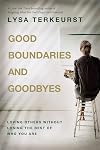
I confess to a bit of introvert fatigue. What I mean is I’m weary of the relentless celebration of introversion on social media. And I say that even though I classify myself that way: I’m happiest alone, I need to recharge after being sociable, and I love love LOVE when plans cancel.
No one ever believes me on this, so I jokingly call myself a high-functioning introvert. I’ve worked at this because there’s a danger of using introversion as an excuse to avoid the challenges of show more community. I believe giving yourself to others is deeply necessary to being human. We aren’t built to walk alone, even if it feels pretty good to some of us.
The hard thing is knowing when to stop giving, especially if you’ve got a Christian starting point of bearing one another’s burdens, loving others as limitlessly as God does, and forgiving up to seventy times seven. Is it necessary to give until there’s nothing left, to take it until you break?
Lysa TerKeurst grapples with this question from her own hard-won experience trying to salvage relationships with people who see no division between their desires and your responsibility. The fact that she ended her marriage over this will rub some Christians the wrong way, so I’ll come back to that.
Lysa’s core message is not unique to her, but it’s important: that we should never grant more access than another person can responsibly handle. This may mean setting clear expectations in terms of boundaries backed by consequences. For those who persistently betray those boundaries, demanding more access than they can responsibly handle, the consequence may be the end of the relationship.
I especially appreciate Lysa’s grounding of boundary and consequence in Scripture. Two supporting insights in particular spoke to me. First, God himself sets boundaries. He gave temple, priesthood, and sacrifice as boundaries to the ancient Hebrews. We come today to the Father through the Son, not any which way we please. We suffer a break in our relationship with God if we persist in unconfessed and unrepentant sin. He does not grant access to those who abuse his grace, so why should we?
Second, we may confuse our own self-absorbed idolatry with a God-honoring ethic of service. If we don’t believe in our deepest hearts that Christ is sufficient, we may try to round out his deficiency with the approval of others. Fear of losing that approval tempts us to validate sinful habits in others by caving to unreasonable demands, which is nothing short of cruelty to them in service to ourselves.
Lysa builds a strong biblical case for drawing clear boundaries where needed without surrendering the principle of sacrificial service. The point is not that you should never sacrifice or serve, but that giving too much of yourself to the habitually ungrateful and abusive is no service to them, and sacrifices everything precious about you. One might say there is no call to cast pearls before swine.
Now, some Christians will find it controversial that Lysa ended her marriage to a man who couldn’t or wouldn’t give up his addictions over the course of years. You can find no end of criticisms online, whether it’s the fact of her divorce, the fact that she speaks openly about its causes, or the fact that divorce is messy and partisans of either party can always find reasons for blame.
I don’t want to weigh in on any of that. I understand the criticisms, and respect those who in good faith have concerns. I do want to say this: one of my bedrock ethical principles is that the Sabbath was made for man, and not man for the Sabbath. Few infractions of the Mosaic Law were punished more severely than Sabbath-breaking, and yet Jesus subordinated even this to human welfare. If keeping the Sabbath means going hungry, then bend the Sabbath and meet the need.
The Law was always meant to help, never to harm. I see no reason to limit this to the Sabbath. It’s true that God hates divorce, that marriage must be honored by all, and that we must not separate what God has joined. Normally, these are part and parcel of the law of liberty. But if marriage itself becomes a source of harm with little reason to hope for better days, then I have a hard time imagining God would waive the Sabbath over food but enforce a marriage no matter how thoroughly it shatters its participants.
Your mileage on that may vary, and I don’t want my digression to distract. You don’t need to follow either Lysa or me all the way down that road to benefit from her book. She writes in a chatty girltalk style, woman to woman. Usually that doesn’t do much for me, but in this case I’m glad the ladies let me eavesdrop. They gave me a lot to think about in my efforts to love people who are just as complicated as I am, without compromising the best of either of us. show less
No one ever believes me on this, so I jokingly call myself a high-functioning introvert. I’ve worked at this because there’s a danger of using introversion as an excuse to avoid the challenges of show more community. I believe giving yourself to others is deeply necessary to being human. We aren’t built to walk alone, even if it feels pretty good to some of us.
The hard thing is knowing when to stop giving, especially if you’ve got a Christian starting point of bearing one another’s burdens, loving others as limitlessly as God does, and forgiving up to seventy times seven. Is it necessary to give until there’s nothing left, to take it until you break?
Lysa TerKeurst grapples with this question from her own hard-won experience trying to salvage relationships with people who see no division between their desires and your responsibility. The fact that she ended her marriage over this will rub some Christians the wrong way, so I’ll come back to that.
Lysa’s core message is not unique to her, but it’s important: that we should never grant more access than another person can responsibly handle. This may mean setting clear expectations in terms of boundaries backed by consequences. For those who persistently betray those boundaries, demanding more access than they can responsibly handle, the consequence may be the end of the relationship.
I especially appreciate Lysa’s grounding of boundary and consequence in Scripture. Two supporting insights in particular spoke to me. First, God himself sets boundaries. He gave temple, priesthood, and sacrifice as boundaries to the ancient Hebrews. We come today to the Father through the Son, not any which way we please. We suffer a break in our relationship with God if we persist in unconfessed and unrepentant sin. He does not grant access to those who abuse his grace, so why should we?
Second, we may confuse our own self-absorbed idolatry with a God-honoring ethic of service. If we don’t believe in our deepest hearts that Christ is sufficient, we may try to round out his deficiency with the approval of others. Fear of losing that approval tempts us to validate sinful habits in others by caving to unreasonable demands, which is nothing short of cruelty to them in service to ourselves.
Lysa builds a strong biblical case for drawing clear boundaries where needed without surrendering the principle of sacrificial service. The point is not that you should never sacrifice or serve, but that giving too much of yourself to the habitually ungrateful and abusive is no service to them, and sacrifices everything precious about you. One might say there is no call to cast pearls before swine.
Now, some Christians will find it controversial that Lysa ended her marriage to a man who couldn’t or wouldn’t give up his addictions over the course of years. You can find no end of criticisms online, whether it’s the fact of her divorce, the fact that she speaks openly about its causes, or the fact that divorce is messy and partisans of either party can always find reasons for blame.
I don’t want to weigh in on any of that. I understand the criticisms, and respect those who in good faith have concerns. I do want to say this: one of my bedrock ethical principles is that the Sabbath was made for man, and not man for the Sabbath. Few infractions of the Mosaic Law were punished more severely than Sabbath-breaking, and yet Jesus subordinated even this to human welfare. If keeping the Sabbath means going hungry, then bend the Sabbath and meet the need.
The Law was always meant to help, never to harm. I see no reason to limit this to the Sabbath. It’s true that God hates divorce, that marriage must be honored by all, and that we must not separate what God has joined. Normally, these are part and parcel of the law of liberty. But if marriage itself becomes a source of harm with little reason to hope for better days, then I have a hard time imagining God would waive the Sabbath over food but enforce a marriage no matter how thoroughly it shatters its participants.
Your mileage on that may vary, and I don’t want my digression to distract. You don’t need to follow either Lysa or me all the way down that road to benefit from her book. She writes in a chatty girltalk style, woman to woman. Usually that doesn’t do much for me, but in this case I’m glad the ladies let me eavesdrop. They gave me a lot to think about in my efforts to love people who are just as complicated as I am, without compromising the best of either of us. show less
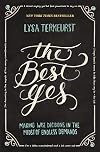
I don't know Lysa Terkeurst in real life, but I find her very readable. She is a Christian author and teacher whose books are targeted to women, particularly moms. Terkeurst has a way of coming across as relatably imperfect and she's been fairly transparent about her marriage and parenting struggles, which is refreshing.
The subtitle pretty much sums up what this book is about, but I'd add this nuance:
Particularly for Christian women, there seems to be struggle with discerning asks of us that show more are worthy, but not right for what God is calling us to do either in a particular season of our lives, or period. Taking on too much - even if the commitment is a good thing - can prevent us from focusing on what God wants us to do or where He wants us to be.
That is continuous struggle for many of us who are asked to help out in our kids' classrooms, to take on one more ministry project on behalf of our local church, to volunteer a few hours on behalf of a very deserving non-profit, etc. It's a demand struggle and before we know it, we're time-strapped, resentful, and saying yes too often to too much is not resulting in our best.
This book deals with that scripturally, practically, and without overt judgment. It's a little overlong like it's longform blog article or series that got stretched into a book, but there's enough value that it's worth the time if it's calling to you. show less
The subtitle pretty much sums up what this book is about, but I'd add this nuance:
Particularly for Christian women, there seems to be struggle with discerning asks of us that show more are worthy, but not right for what God is calling us to do either in a particular season of our lives, or period. Taking on too much - even if the commitment is a good thing - can prevent us from focusing on what God wants us to do or where He wants us to be.
That is continuous struggle for many of us who are asked to help out in our kids' classrooms, to take on one more ministry project on behalf of our local church, to volunteer a few hours on behalf of a very deserving non-profit, etc. It's a demand struggle and before we know it, we're time-strapped, resentful, and saying yes too often to too much is not resulting in our best.
This book deals with that scripturally, practically, and without overt judgment. It's a little overlong like it's longform blog article or series that got stretched into a book, but there's enough value that it's worth the time if it's calling to you. show less
It's Not Supposed to Be This Way: Finding Unexpected Strength When Disappointments Leave You Shattered by Lysa TerKeurst
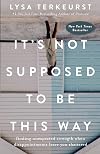
This book absolutely shattered my heart. I read it after a friend lost her baby, while my brother-in-law was in the final stages of his battle with cancer, and I'm well acquainted with Lysa's personal story. I love the title because I think it's almost the exact phrase every single human heart screams at some point in our lives--and it's true. None of this--the hurt, pain, disease, suffering, etc.--is supposed to exist. God's design didn't originally include death or suffering or sin. And show more yet, man fell and here we are. The amazing thing about all of it, and what Lysa highlights so beautifully, is that God is with us through it all. He didn't want this for us, but He carries us through. I love this book and will return to it time and again I'm sure. It's incredibly comforting and helped reframe the way I view personal suffering. Highly recommend! show less
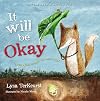
It Will Be Okay by Lysa TerKeurst, illustrated by Natalia Moore, is a picture book that explores the central theme of hope and reassurance during times of fear and uncertainty. The story follows a young fox who experiences worry, which serves as the main conflict, and throughout the narrative, the fox learns to trust that he is safe and supported. This character development is shown through gentle dialogue and repeated affirmations, emphasizing emotional growth and resilience. The author show more uses simple yet meaningful language to convey figurative reassurance, while the warm, soft-toned illustrations act as visual symbolism for comfort and security. As a picture book, the integration of text and illustration enhances the emotional impact and supports young readers’ comprehension. The book fits well within the social-emotional learning genre by teaching children how to cope with anxiety and build trust. This story resonates with children because it normalizes fear while offering healthy emotional tools to manage it. As someone passionate about supporting children’s emotional well-being, I appreciate how this book encourages reassurance, faith, and inner strength. show less
Lists
Awards


Embraced: 100 Devotions to Know God Is Holding You Close (Winner – Christian Book of the Year – 2019)
Good Boundaries and Goodbyes: Loving Others Without Losing the Best of Who You Are (Winner – Audiobook – 2024)
You May Also Like


Associated Authors
Statistics
- Works
- 118
- Members
- 11,658
- Popularity
- #2,019
- Rating
- 4.0
- Reviews
- 86
- ISBNs
- 282
- Languages
- 7
- Favorited
- 4