
Phil Bildner
Author of A Whole New Ballgame: A Rip and Red Book
About the Author
Phil Bildner received a B. A. in political science from Johns Hopkins University in 1990 and a J. D. from New York University School of Law in 1993. He was admitted to the bar in both New York and New Jersey and got a job as an associate at a large Manhattan law firm. After practicing law for a show more year, he decided to pursue a career in education. He received a master's degree in early childhood and elementary education from Long Island University in 1995. He stopped teaching in 2006 in order to write full time. His picture books include Shoeless Joe and Black Betsy, The Shot Heard 'Round the World, Twenty-One Elephants, Turkey Bowl, The Hallelujah Flight, and The Soccer Fence. Marvelous Cornelius won the 2016 Margaret Wise Brown Prize in Children's Literature. His young adult novels include Playing the Field and Busted. He also co-created the Sluggers series with Loren Long. In 2007, he began chaperoning student-volunteer trips to Hurricane Katrina-ravaged New Orleans. He co-founded The NOLA Tree, a non-profit service organization. (Bowker Author Biography) show less
Image credit: By Frypie
Series
Works by Phil Bildner
The Soccer Fence: A story of friendship, hope, and apartheid in South Africa (2014) 76 copies, 8 reviews
The Unforgettable Season: Joe DiMaggio, Ted Williams and the Record-Setting Summer of1941 (2011) 70 copies, 3 reviews
Tagged
Common Knowledge
- Gender
- male
- Relationships
- Lewis, Kevin (husband)
Members
Reviews
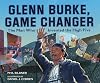
I honestly had never considered that the high-five gesture had an inventor, someone who did it for the very first time. Fascinating, then, to learn about the man behind the high-five, about how he made his mark in history, but also the heartbreaking truth of how the world treated him as a gay Black man in American professional sports. The story and the art don't shy away from the painful parts; I don't think I've ever seen a picture book state directly that a person died of AIDS (let alone show more the central subject of the book). But it's an important fact, as were the details about particular other people who were involved in driving Burke out of what he loved. The author's note and bibliography are wonderful additions. show less
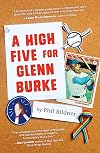
Agay black baseball player posthumously inspires a sixth grade white boy who is ready-ish to come out.
Baseball enthusiast Silas Wade opens the book by giving a colorful class presentation about Glenn Burke. Burke was a once-well-known major league player who invented the high-five and eventually left the sport after enduring isolation and harassment for being gay. Silas leaves that last part out, but heralding his hero in front of a crowd is the silent start of his own coming out. Further show more testing the waters, he tells his best friend, Zoey (a champion robot builder), he’s gay and finds that there’s a bouncy kind of freedom that comes from saying who he really is. Inspirational YouTube videos encourage Silas to come out to Coach Webb, an adult who embodies the understanding, guidance, protection, and encouragement that all queer kids should have. But when Silas gets nervous about everything changing and wants to backpedal into the closet, circumstances put him at a crossroads: continue to lie for self-preservation or live out loud like Glenn Burke wasn’t able to. Silas is white, but Zoey has a Spanish surname, and his baseball teammates and one coach are black and brown. (One notable moment includes an explanation from the coaches about why monkey insults are racist.) As the narrative foundation is established, there are overt explanations of settings and characters that aren’t additive, but these superfluous tendencies dissolve about 50 pages in. Insights into Silas’ home life feel bittersweet and real with parents fumbling to do the best they can, but Silas’ struggle is the central story.
Beleaguered tolerance strikes out; loud, proud love wins the game. (Fiction. 10-12)
-Kirkus Review show less
Baseball enthusiast Silas Wade opens the book by giving a colorful class presentation about Glenn Burke. Burke was a once-well-known major league player who invented the high-five and eventually left the sport after enduring isolation and harassment for being gay. Silas leaves that last part out, but heralding his hero in front of a crowd is the silent start of his own coming out. Further show more testing the waters, he tells his best friend, Zoey (a champion robot builder), he’s gay and finds that there’s a bouncy kind of freedom that comes from saying who he really is. Inspirational YouTube videos encourage Silas to come out to Coach Webb, an adult who embodies the understanding, guidance, protection, and encouragement that all queer kids should have. But when Silas gets nervous about everything changing and wants to backpedal into the closet, circumstances put him at a crossroads: continue to lie for self-preservation or live out loud like Glenn Burke wasn’t able to. Silas is white, but Zoey has a Spanish surname, and his baseball teammates and one coach are black and brown. (One notable moment includes an explanation from the coaches about why monkey insults are racist.) As the narrative foundation is established, there are overt explanations of settings and characters that aren’t additive, but these superfluous tendencies dissolve about 50 pages in. Insights into Silas’ home life feel bittersweet and real with parents fumbling to do the best they can, but Silas’ struggle is the central story.
Beleaguered tolerance strikes out; loud, proud love wins the game. (Fiction. 10-12)
-Kirkus Review show less
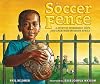
Hector, a young boy growing up in South Africa, loves soccer but isn't able to play with the boys in the neighborhood where his mother works because of racial segregation. As time goes by, changes in the government give Hector and his family hope. But will he ever get to play soccer with the white boys?
This was a compelling story for young readers to engage them on the topic of racial injustice. It's a bit of historical fiction with a side of sports to keep readers engaged -- particularly show more for readers for whom sports are a particular interest. However, as a non-fan of sports, I still found this a very engrossing read. I appreciate how the book's tone tries to stay cautiously optimistic while also being realistic. Victories on the field make their way to victories in Hector's life, but it's neither quick nor easy. All is done in an age-appropriate way for elementary school students. The book ends with a historical note about apartheid and a timeline of South African history from 1910 through 2010.
The illustrations are absolutely gorgeous. No blank white pages here; every page is covered with a bold background -- vibrant yellows, purples, greens, and blues -- from top to bottom. Oftentimes, headlines from newspaper covers are faded into the background as well. Then the focus of the page is always the people. Expressive emotional faces and pronounced lines are prominent features of these paintings. The effect is eye-catching and striking.
Highly recommend for young readers. show less
This was a compelling story for young readers to engage them on the topic of racial injustice. It's a bit of historical fiction with a side of sports to keep readers engaged -- particularly show more for readers for whom sports are a particular interest. However, as a non-fan of sports, I still found this a very engrossing read. I appreciate how the book's tone tries to stay cautiously optimistic while also being realistic. Victories on the field make their way to victories in Hector's life, but it's neither quick nor easy. All is done in an age-appropriate way for elementary school students. The book ends with a historical note about apartheid and a timeline of South African history from 1910 through 2010.
The illustrations are absolutely gorgeous. No blank white pages here; every page is covered with a bold background -- vibrant yellows, purples, greens, and blues -- from top to bottom. Oftentimes, headlines from newspaper covers are faded into the background as well. Then the focus of the page is always the people. Expressive emotional faces and pronounced lines are prominent features of these paintings. The effect is eye-catching and striking.
Highly recommend for young readers. show less
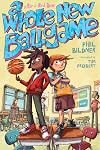
This book was an excellent read and I felt like it really captured the experience of being and being friends with people whom aren't neurotypical. The friendships themselves feel distinctly real, the kinds of bonds that are developed by people who aren't necessarily wired exactly the same. My favorite thing about this one is that it teaches kids about the subject in a way that doesn't reduce or trivialize it's impact- it's a pervasive part of the story, without being a negative part of the show more story. show less
Lists
Awards


You May Also Like


Associated Authors
Statistics
- Works
- 28
- Members
- 2,677
- Popularity
- #9,591
- Rating
- 4.0
- Reviews
- 102
- ISBNs
- 131
- Languages
- 1