
Christopher Wilson (1) (–2024)
Author of Cotton
For other authors named Christopher Wilson, see the disambiguation page.
Christopher Wilson (1) has been aliased into Christopher P. Wilson.
Works by Christopher Wilson
Works have been aliased into Christopher P. Wilson.
Tagged
Common Knowledge
- Date of death
- 2024-08-09
- Gender
- male
- Short biography
- For full author info, see the author page for Christopher P. Wilson-1.
Members
Reviews
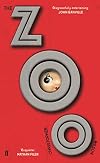
I have a thing for books that are set in Communist era Eastern Europe. Maybe it’s because I have people close to me that lived through it, maybe it’s just me being nosey. Whatever the reason, give me a book set there and I’ll devour it. I don’t think The Zoo was in my possession more than 24 hours before I’d slipped it into my handbag to read at any convenient break.
The Zoo is a quirky satire of the last days of Stalin’s regime in the Soviet Union. All the details are a bit show more obscure, but if you know some Communist history, you will find several familiar faces and actions. To lighten the mood, the story is told in the first person by Yuri, a 12 year old boy who is broken. Not in spirit, but in body. Yuri has to be the unluckiest little boy in the Kapital after being hit by multiple things. There’s a part of his brain that doesn’t quite work, but he’s all heart. Plus, Yuri’s father has given him rules to live by including never to mention politics and changing your underwear. When Yuri and his father are suddenly taken from the apartment at the Kapital Zoo, they are naturally frightened. Yuri’s father has been asked to treat someone who is, but definitely isn’t, Comrade Iron-Man. Uncle Joe. The problem is that Yuri’s dad is a vet, not a human doctor. But Comrade Iron-Man takes a special liking to Yuri and his bald, but well-meaning questions. He makes Yuri his official food taster, which means he sees a lot of the Kapital’s finest at their not so fine…
The Zoo is a cleverly written satire with both obvious and not-so-obvious clues and symbols as to life in the 1950s Soviet Union. I loved how Yuri exchanged a zoo of animals for a zoo of politicians (maybe there’s something to say about the current political climate). Uncle Joe is a character that you can’t love, but you can’t quite hate either. At this point, he’s a broken, dying man who occasionally shows a flicker of compassion in Yuri’s presence. With his subordinates, he tries desperately to hold the fort, forcing his staff to do a lot of degrading things. But he never quite reaches the heights of power that Yuri tells us. And as for his fate…I found the ending not quite surprising as I knew these people were capable of everything, but a little sad. Yes, sad for Stalin. Or not Stalin. Because he was never there, you see.
Christopher Wilson adds to the satire by including some tender scenes that come almost out of the blue. I don’t mean that in a bad way, but they are unexpected and bring a tear to the eye. He reminds us that beyond the drinking, eating and drunken humiliation lies something more sinister in the Kapital. The casual references and actual violence of some of the inner members of the Kapital take the reader backwards to remind us that this wasn’t all fun and awkward questions from Yuri. Yuri is adorable, but the darker parts of the book help to make the story feel a bit more personal rather than a caricature.
Overall, The Zoo was equal parts dry wit and satire. Definitely worth reading if you like your books razor sharp!
Thank you to Allen & Unwin for the copy of this book. My review is honest.
http://samstillreading.wordpress.com show less
The Zoo is a quirky satire of the last days of Stalin’s regime in the Soviet Union. All the details are a bit show more obscure, but if you know some Communist history, you will find several familiar faces and actions. To lighten the mood, the story is told in the first person by Yuri, a 12 year old boy who is broken. Not in spirit, but in body. Yuri has to be the unluckiest little boy in the Kapital after being hit by multiple things. There’s a part of his brain that doesn’t quite work, but he’s all heart. Plus, Yuri’s father has given him rules to live by including never to mention politics and changing your underwear. When Yuri and his father are suddenly taken from the apartment at the Kapital Zoo, they are naturally frightened. Yuri’s father has been asked to treat someone who is, but definitely isn’t, Comrade Iron-Man. Uncle Joe. The problem is that Yuri’s dad is a vet, not a human doctor. But Comrade Iron-Man takes a special liking to Yuri and his bald, but well-meaning questions. He makes Yuri his official food taster, which means he sees a lot of the Kapital’s finest at their not so fine…
The Zoo is a cleverly written satire with both obvious and not-so-obvious clues and symbols as to life in the 1950s Soviet Union. I loved how Yuri exchanged a zoo of animals for a zoo of politicians (maybe there’s something to say about the current political climate). Uncle Joe is a character that you can’t love, but you can’t quite hate either. At this point, he’s a broken, dying man who occasionally shows a flicker of compassion in Yuri’s presence. With his subordinates, he tries desperately to hold the fort, forcing his staff to do a lot of degrading things. But he never quite reaches the heights of power that Yuri tells us. And as for his fate…I found the ending not quite surprising as I knew these people were capable of everything, but a little sad. Yes, sad for Stalin. Or not Stalin. Because he was never there, you see.
Christopher Wilson adds to the satire by including some tender scenes that come almost out of the blue. I don’t mean that in a bad way, but they are unexpected and bring a tear to the eye. He reminds us that beyond the drinking, eating and drunken humiliation lies something more sinister in the Kapital. The casual references and actual violence of some of the inner members of the Kapital take the reader backwards to remind us that this wasn’t all fun and awkward questions from Yuri. Yuri is adorable, but the darker parts of the book help to make the story feel a bit more personal rather than a caricature.
Overall, The Zoo was equal parts dry wit and satire. Definitely worth reading if you like your books razor sharp!
Thank you to Allen & Unwin for the copy of this book. My review is honest.
http://samstillreading.wordpress.com show less
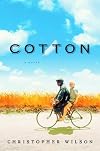
In which a wonderful child is born white to a black mother, gifted with clairvoyance, and cast adrift into a world where he wanders about making wise and folksy observations about the human condition. The first half of this novel is a pearl of great price, with its Huck Finn-meets-Candide succession of brilliant little twistings of everyday situations and extraordinary events. Alas and alack, after that midpoint a plot twist led the book into some territory which this reviewer felt was show more substantially less fecund, as well as bringing plot more to the forefront, and it was easier to hear a few gears grinding. show less
SLJ Reviews 2006 February
Website: http://www.schoollibraryjournal.com
Adult/High School -Before he is 30, Lee Cotton experiences life as a black boy, a white man, a white woman, and a black woman. The son of a black woman and a white Icelandic sailor, he was born in 1950 in Eureka, MS. White skin and blond hair notwithstanding, he was raised to know his place in the world. When he has a relationship with the daughter of a local bigot at age 15, he is beaten up by the Ku Klux Klan and left show more for dead. The staff at the St. Louis hospital to which he is transferred knows him only as a brain-damaged John Doe, and he gets his first taste of life as a white person. His memory returns just in time to be drafted for the Vietnam War. A car accident and misplaced whiskey bottle result in a sex-change operation by a disbarred physician, and, after several years as a white woman, his genes catch up with him and his skin slowly darkens. Farfetched though the plot may be, Wilson writes with an easy grace and humor that make Lee a thoroughly delightful protagonist. The author paints such a compelling picture of the South in the mid-20th century that it is hard to believe that he is British. In introducing Lee, he does far more than spin an irresistible tragicomedy that combines history with flights of fancy-he challenges us to look at what truly defines us if it is not our race, gender, or socioeconomic status.-Kim Dare, Fairfax County Public Library System, VA show less
Website: http://www.schoollibraryjournal.com
Adult/High School -Before he is 30, Lee Cotton experiences life as a black boy, a white man, a white woman, and a black woman. The son of a black woman and a white Icelandic sailor, he was born in 1950 in Eureka, MS. White skin and blond hair notwithstanding, he was raised to know his place in the world. When he has a relationship with the daughter of a local bigot at age 15, he is beaten up by the Ku Klux Klan and left show more for dead. The staff at the St. Louis hospital to which he is transferred knows him only as a brain-damaged John Doe, and he gets his first taste of life as a white person. His memory returns just in time to be drafted for the Vietnam War. A car accident and misplaced whiskey bottle result in a sex-change operation by a disbarred physician, and, after several years as a white woman, his genes catch up with him and his skin slowly darkens. Farfetched though the plot may be, Wilson writes with an easy grace and humor that make Lee a thoroughly delightful protagonist. The author paints such a compelling picture of the South in the mid-20th century that it is hard to believe that he is British. In introducing Lee, he does far more than spin an irresistible tragicomedy that combines history with flights of fancy-he challenges us to look at what truly defines us if it is not our race, gender, or socioeconomic status.-Kim Dare, Fairfax County Public Library System, VA show less
1.5*
Originally published in the United Kingdom as The Ballad Of Lee Cotton
Leifur Nils Kristjansson Saint Marie du Cotton (called Lee) is born to a mixed-race mother and an Icelandic fisherman father. From his father he gets his white complexion, blond-white hair and startling blue eyes. From his mother he gets his identity as black. Born in segregated Mississippi in 1950, it’s the “black” that counts, not his white skin. Lee also inherits a gift for “seeing” from his Grandmother show more Celeste. He can hear other people’s thoughts and while this sometimes helps him it mostly confuses him.
I was intrigued by this idea of a “white-skinned black boy” in the segregated South of the mid-20th century. I wanted to see how his special gifts would help him as he moved through life. But the novel took a decided turn for the weird.
After he is nearly beaten to death, Lee awakens in a Missouri hospital. He’s without identification and his head injury makes him rather incoherent. Going along with the assumptions of the hospital staff, Lee begins life as a white man. Until another accident …. Let’s just say that Lee changes skin color and/or gender like some women change hair color. Oh, wait ... he does that, too.
Wilson is a British man, living in London. I’m not sure how – or why – he chose to write about America’s segregated South. While the premise was intriguing, for me, the execution failed to deliver. I will say this about the writing. Wilson gives Lee a unique voice – with an odd mixture of local dialect and educated English. Lee’s a great reader and student of literature, sprinkling his observations of life with references to a variety of works from Huckleberry Finn to Madame Bovary.
On the whole, however, I found this just too fantastically absurd to be believed. I never warmed up to Lee or any of the other characters, and I found it a chore to finish. show less
Originally published in the United Kingdom as The Ballad Of Lee Cotton
Leifur Nils Kristjansson Saint Marie du Cotton (called Lee) is born to a mixed-race mother and an Icelandic fisherman father. From his father he gets his white complexion, blond-white hair and startling blue eyes. From his mother he gets his identity as black. Born in segregated Mississippi in 1950, it’s the “black” that counts, not his white skin. Lee also inherits a gift for “seeing” from his Grandmother show more Celeste. He can hear other people’s thoughts and while this sometimes helps him it mostly confuses him.
I was intrigued by this idea of a “white-skinned black boy” in the segregated South of the mid-20th century. I wanted to see how his special gifts would help him as he moved through life. But the novel took a decided turn for the weird.
After he is nearly beaten to death, Lee awakens in a Missouri hospital. He’s without identification and his head injury makes him rather incoherent. Going along with the assumptions of the hospital staff, Lee begins life as a white man. Until another accident …. Let’s just say that Lee changes skin color and/or gender like some women change hair color. Oh, wait ... he does that, too.
Wilson is a British man, living in London. I’m not sure how – or why – he chose to write about America’s segregated South. While the premise was intriguing, for me, the execution failed to deliver. I will say this about the writing. Wilson gives Lee a unique voice – with an odd mixture of local dialect and educated English. Lee’s a great reader and student of literature, sprinkling his observations of life with references to a variety of works from Huckleberry Finn to Madame Bovary.
On the whole, however, I found this just too fantastically absurd to be believed. I never warmed up to Lee or any of the other characters, and I found it a chore to finish. show less
Lists
Awards


You May Also Like
Associated Authors
Statistics
- Works
- 3
- Members
- 387
- Popularity
- #62,498
- Rating
- 3.5
- Reviews
- 20
- ISBNs
- 62
- Languages
- 4