
John Shaw (1) (1944–)
Author of John Shaw's Nature Photography Field Guide
For other authors named John Shaw, see the disambiguation page.
About the Author
John Shaw is an internationally acclaimed nature photographer whose work has been published in a variety of magazines, including Outdoor Photographer, National Wildlife, Natural History, Sierra, and Audubon
Works by John Shaw
Fotografia di paesaggio 1 copy
Tagged
Common Knowledge
- Canonical name
- Shaw, John
- Birthdate
- 1944
- Gender
- male
- Occupations
- nature photographer
- Nationality
- USA
- Associated Place (for map)
- USA
Members
Reviews
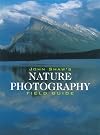
When I got my DSLR this book was a source for a lot of valuable practical information for me. Shaw covers all kinds of equipment issues from lenses to filters to tripods, composition, exposure, field techniques and more. Plus it is filled with his gorgeous photography which serves as good inspiration to get out there and put the theory to practice. Experienced photographers won't find much new in here, but for those new to nature photography or even any sort of outdoor photography this is a show more fantastic resource. show less
How do you take great photographs of the big natural world? Many of us love to take photos today and one of our favorite subjects is nature.
Often, however, our photos are disappointing. What are we doing wrong? How can we take better pictures?
This book is an excellent place to start. About half of the book tells about ways to better ways to use the equipment and better ways to compose photos. In the section on equipment, I learned about filters and flashes and metering and tripods and lenses show more and exposures. I’m a new photographer, so much of the information about ways to use the equipment was new to me, and some of it was over my head. But if you have more experience as a photographer, it will probably be perfect for you. For me, my favorite part of the book was about ways to better compose the photos. In this section, I learned about lighting, framing, close-ups, and learning to see “photo-graphically.”
I’ve had this book for several months, and I’ve read over it many times, in preparation for my trip this summer to Yellowstone Park. Here are some of the photos I took using ideas from this book: show less
Often, however, our photos are disappointing. What are we doing wrong? How can we take better pictures?
This book is an excellent place to start. About half of the book tells about ways to better ways to use the equipment and better ways to compose photos. In the section on equipment, I learned about filters and flashes and metering and tripods and lenses show more and exposures. I’m a new photographer, so much of the information about ways to use the equipment was new to me, and some of it was over my head. But if you have more experience as a photographer, it will probably be perfect for you. For me, my favorite part of the book was about ways to better compose the photos. In this section, I learned about lighting, framing, close-ups, and learning to see “photo-graphically.”
I’ve had this book for several months, and I’ve read over it many times, in preparation for my trip this summer to Yellowstone Park. Here are some of the photos I took using ideas from this book: show less
I find little more frustrating than downloading a series of photographs, only to find my “masterpieces” will serve as examples of mistakes to avoid.
Over-exposed. Under-exposed. Poor f-stop selection. Vibration. You name the problem; I have a “masterpiece” to illustrate it.
This book of beautiful nature photographs was written for me. It promises to teach me to shoot impressive results every time my camera is focused in the great outdoors. Using his own exceptional work as examples, show more John Shaw discusses natural subjects and how to approach photographing them. He offers specific advice on equipment and lenses selection; shot composition; close-ups. The range of techniques to enrich various nature photographs makes for great reading and dreaming.
My hunch is this field guide will serve any photographer -- beginner, serious amateur, semi-pro, and pro—who encounters field challenges. John Shaw is an internationally acclaimed nature photographer. His work has been published in Outdoor Photographer, National Wildlife, Natural History, Sierra and Audubon.
Only time will tell, however, if it has the desired effect on my photographs.
Penned by the Pointed Pundit
August 19, 2006
10:51:19 AM show less
Over-exposed. Under-exposed. Poor f-stop selection. Vibration. You name the problem; I have a “masterpiece” to illustrate it.
This book of beautiful nature photographs was written for me. It promises to teach me to shoot impressive results every time my camera is focused in the great outdoors. Using his own exceptional work as examples, show more John Shaw discusses natural subjects and how to approach photographing them. He offers specific advice on equipment and lenses selection; shot composition; close-ups. The range of techniques to enrich various nature photographs makes for great reading and dreaming.
My hunch is this field guide will serve any photographer -- beginner, serious amateur, semi-pro, and pro—who encounters field challenges. John Shaw is an internationally acclaimed nature photographer. His work has been published in Outdoor Photographer, National Wildlife, Natural History, Sierra and Audubon.
Only time will tell, however, if it has the desired effect on my photographs.
Penned by the Pointed Pundit
August 19, 2006
10:51:19 AM show less
“This book isn’t about point-and-shoot cameras or smartphone cameras. It’s about digital single-lens-reflex (DSLR) photography.”
I was naïve to not realize this, and so was a little bummed out. Since my camera has so many built-in features, I hoped I could apply some of the ideas in this book, but without a DSLR camera, there is not much left to work with. If I gain access to such equipment, though, this book will see me well prepared.
This is a very technical guide. The first chapter show more is on gear, jumping right into the heavy. The reason why most “extremely competent” people that feel they don’t know how to operate a camera is probably because the terms and numbers are like another language – if you don’t know what anything is, how can you make effective use of it? So, a glossary would be nice, or parenthetical notes each time a new abbreviation is introduced. However, if you do already know the jargon, this book tells you what you can do to take control of the technology. And, if you stick with it, the terms become clearer in meaning, as in any craft. This really is geared towards more professional photographers, or at least people who can afford expensive photography equipment, and can go to destinations. Not that there isn’t an abundance of photo-worthy subjects without having to travel, but that’s another discussion. The chapter on composition is most relevant to the general user, and for any non-photographer, the photos in this book are very nice to look at.
Note: I received a free copy of this title through BloggingForBooks in exchange for an honest review. For more reviews, follow my blog at http://matt-stats.blogspot.com/ show less
I was naïve to not realize this, and so was a little bummed out. Since my camera has so many built-in features, I hoped I could apply some of the ideas in this book, but without a DSLR camera, there is not much left to work with. If I gain access to such equipment, though, this book will see me well prepared.
This is a very technical guide. The first chapter show more is on gear, jumping right into the heavy. The reason why most “extremely competent” people that feel they don’t know how to operate a camera is probably because the terms and numbers are like another language – if you don’t know what anything is, how can you make effective use of it? So, a glossary would be nice, or parenthetical notes each time a new abbreviation is introduced. However, if you do already know the jargon, this book tells you what you can do to take control of the technology. And, if you stick with it, the terms become clearer in meaning, as in any craft. This really is geared towards more professional photographers, or at least people who can afford expensive photography equipment, and can go to destinations. Not that there isn’t an abundance of photo-worthy subjects without having to travel, but that’s another discussion. The chapter on composition is most relevant to the general user, and for any non-photographer, the photos in this book are very nice to look at.
Note: I received a free copy of this title through BloggingForBooks in exchange for an honest review. For more reviews, follow my blog at http://matt-stats.blogspot.com/ show less
You May Also Like


Statistics
- Works
- 11
- Members
- 1,172
- Popularity
- #21,960
- Rating
- 4.0
- Reviews
- 5
- ISBNs
- 117
- Languages
- 5
- Favorited
- 1