
Guro Dimmen
Author of White Chrysanthemum
Works by Guro Dimmen
Associated Works
Tagged
Common Knowledge
There is no Common Knowledge data for this author yet. You can help.
Members
Reviews
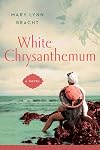
This is a harrowing story of two Korean sisters under the Japanese occupation. Hana is a haenyeo, one of the female divers like her mother on their beautiful island of Jeju. The divers enjoy an independence that other Koreans do not. They catch their own food and are allowed to sell the surplus in the market. Hana has a younger sister, Emi who waits on the shore keeping the birds from eating their catch. Their mother entrusts Hana with the safety of her little sister at all times. They live show more a happy and productive life in spite of the occupation until one day as Hana comes up from under the sea, she sees a Japanese soldier heading towards the beach where Emi sits. To save her little sister, Hana swims quickly ashore and attracts the attention of the soldier while telling her sister to stay quiet and hidden. Hana is captured and transported to Manchuria and forced to become a "comfort woman" to the Japanese soldiers...at age 16. As we read about this, we are also reading in the present time about Emi. She has spent more than sixty years living with the guilt over her sister's sacrifice. The lives of both sisters are both heroic, tragic and completely spellbinding. I read this book in one sitting last night. The author's notes are not to be missed. She explains the history behind the story telling us that between 50,000 and 200,000 of South Korean women were kidnapped and forced to become comfort women to the Japanese army. Most of the time their parents did not know what happened to them. The history of these "comfort women" was unknown until 1991 when one brave woman, Kim Hak-sun told her story and filed a lawsuit against the Japanese government. A book not to be missed. show less
White Chrysanthemum is such an incredibly sad and difficult book to read. It is also unforgettable and hard to put down when one has begun to read. Now it's been a while since I finished the book, but I remember how gripping the book was and how much I learned about Korea during and after World War II.
I found that the book's story, the sisters' fates touched my soul. Hana is captured by Japanese soldiers and Emi has to live with the feeling of guilt of seeing her sister sacrifice herself for show more her. We then get to follow them through their different lives. Hana who struggles to be free, but she's increasingly losing hope as she is put through ordeal after ordeal. Then, we have Emi who looks back on his life, also filled with tragedy. The ending, well let's say it's a very strong ending.
White Chrysanthemum is an incredibly good book, terribly hard to read, but I promise you will feel enriched after you have read it.
Thanks to Bookmark Förlag for the review copy! show less
I found that the book's story, the sisters' fates touched my soul. Hana is captured by Japanese soldiers and Emi has to live with the feeling of guilt of seeing her sister sacrifice herself for show more her. We then get to follow them through their different lives. Hana who struggles to be free, but she's increasingly losing hope as she is put through ordeal after ordeal. Then, we have Emi who looks back on his life, also filled with tragedy. The ending, well let's say it's a very strong ending.
White Chrysanthemum is an incredibly good book, terribly hard to read, but I promise you will feel enriched after you have read it.
Thanks to Bookmark Förlag for the review copy! show less
White Chrysanthemum is the story of two sisters, Hana and Emi, separated by war. Born on the Korean island of Jeju, they are haenyeo, the famously independent women of the sea. In 1943, when Emi was still a child sitting on shore to watch the catch while Hana and their mother dived, Hana noticed some Japanese occupation soldiers walking toward Emi. She swam to shore and showed herself so they would not see Emi, sacrificing herself to save her sister. She was taken away and shipped north to show more Manchuria as a comfort woman. The Japanese military thought they would be stronger in battle if they slept with a woman before battle, so the military stole women away to service the men.
We see Emi again as she prepares to visit her son and daughter in Seoul. They have left Jeju and her daughter refused to continue the generations of haenyeo to pursue an academic career. She lives a life of self-denial in many ways, continuing to dive, living in a shack. She has shut herself off from pain by refusing to remember, but of course, her memories are always there.
White Chrysanthemumis told as two narratives, Hana’s story in the past and Emi’s story in the present, though we learn what happened to her and her family since that day on the beach. While she is visiting her children, she insists on going to the march to remember the comfort women, including her sister.
The story was inspired by the comfort women monuments that were so thoughtfully designed to remember and to heal. It is heartbreaking. Both Hana and Emi suffered incredible hardships because of war, but more particularly because how governments use women as a way to wage war. Rape and stealing woman is a way of changing the population of a country, a level of war that can amount to ethnic cleansing. This story also highlights how much Jeju, in particular, suffered, not just in the Japanese occupation, but in the Korean War as well, as those fleeing the north moved into the south and oppressed those perceived as too independent or possibly sympathetic to the Communists.
I feel guilty that I did not like White Chrysanthemum more. I liked Emi’s story a lot and admired Hana’s grit and determination. For me, there’s this balance with stories of rape and abuse that is hard to define and achieve. How much abuse and rape is enough to make sure we understand the pain and horror that Hana endured and how much is sick-making. This went to sick-making for me in its detail and relentlessness. Sure, I am only reading about it, it’s not happening to me, but it was still too much for me.
Other people will find the important story, the history and the humanity too important to cavil at too much detail. It is an important story and sheds light on a little mentioned time in history and not just on the comfort women but on the people of Jeju and what happened to them. It is full of drama and well-written. Most people will probably love it.
I received a copy of White Chrysanthemum from the publisher through NetGalley
White Chrysanthemum at G. P. Putnam’s Sons | Penguin Random House
Mary Lynn Bracht author site
★★★
https://tonstantweaderreviews.wordpress.com/2018/07/07/9780735214439/ show less
We see Emi again as she prepares to visit her son and daughter in Seoul. They have left Jeju and her daughter refused to continue the generations of haenyeo to pursue an academic career. She lives a life of self-denial in many ways, continuing to dive, living in a shack. She has shut herself off from pain by refusing to remember, but of course, her memories are always there.
White Chrysanthemumis told as two narratives, Hana’s story in the past and Emi’s story in the present, though we learn what happened to her and her family since that day on the beach. While she is visiting her children, she insists on going to the march to remember the comfort women, including her sister.
The story was inspired by the comfort women monuments that were so thoughtfully designed to remember and to heal. It is heartbreaking. Both Hana and Emi suffered incredible hardships because of war, but more particularly because how governments use women as a way to wage war. Rape and stealing woman is a way of changing the population of a country, a level of war that can amount to ethnic cleansing. This story also highlights how much Jeju, in particular, suffered, not just in the Japanese occupation, but in the Korean War as well, as those fleeing the north moved into the south and oppressed those perceived as too independent or possibly sympathetic to the Communists.
I feel guilty that I did not like White Chrysanthemum more. I liked Emi’s story a lot and admired Hana’s grit and determination. For me, there’s this balance with stories of rape and abuse that is hard to define and achieve. How much abuse and rape is enough to make sure we understand the pain and horror that Hana endured and how much is sick-making. This went to sick-making for me in its detail and relentlessness. Sure, I am only reading about it, it’s not happening to me, but it was still too much for me.
Other people will find the important story, the history and the humanity too important to cavil at too much detail. It is an important story and sheds light on a little mentioned time in history and not just on the comfort women but on the people of Jeju and what happened to them. It is full of drama and well-written. Most people will probably love it.
I received a copy of White Chrysanthemum from the publisher through NetGalley
White Chrysanthemum at G. P. Putnam’s Sons | Penguin Random House
Mary Lynn Bracht author site
★★★
https://tonstantweaderreviews.wordpress.com/2018/07/07/9780735214439/ show less
Accidentally inhaled this in one bedtime reading sitting. The title refers to the flowers of mourning in Korea, as this is a tale of tragedy, viewed through the past as it was happening to Hana, the older sister, and from a contemporary point of view as Emi, the younger sister, nears the end of her life but is determined to find out what happened to Hana.
It's upsetting that it wasn't until 1991 that survivors began to speak about their "comfort women" experiences, and that part of why this show more was largely buried from the public mind was 50 years of purity culture shame. A riveting story, and as the author notes at the end, a reminder that war atrocities on women still continue to this day. show less
It's upsetting that it wasn't until 1991 that survivors began to speak about their "comfort women" experiences, and that part of why this show more was largely buried from the public mind was 50 years of purity culture shame. A riveting story, and as the author notes at the end, a reminder that war atrocities on women still continue to this day. show less
Lists
Review 4 (1)
Awards


You May Also Like
Associated Authors
Statistics
- Works
- 1
- Also by
- 3
- Members
- 489
- Popularity
- #50,497
- Rating
- 4.1
- Reviews
- 32
- ISBNs
- 42
- Languages
- 11