
Steven Arntson
Author of The Wrap-Up List
Works by Steven Arntson
Tagged
Common Knowledge
- Gender
- male
- Agent
- Jenni Ferrari-Adler
- Relationships
- Mathews, Anne (spouse)
Members
Reviews
Steven Arntson's The Wrap-Up List is a sweet story about a girl whose life is coming to a tragic early end. Set in a world on the verge of war, this is a place where Death selects people at random, accounting for a small percent of fatalities. An interesting concept to say the least, but what I really like about The Wrap-Up List is its diverse cast of characters and inclusion of sensitive subjects into a modern story of friendships, family, kindness, and acceptance.
Although the book is show more about death and dying, the book isn't heavy-hearted or tragic. Gabriela's story focuses on the celebration of life in the now, in accomplishing her wrap-up list, and largely helping others to find love, happiness, and hope regardless of whether or not she earns a Pardon from Death.
However it is the characters that interested me most. Gabriela learns her best friend is gay and feeling confused, speaks to her priest about it. The priest tells Gabriela that it is less offensive to God for a woman to be gay than it is for a man. And while my hackles were raised at these archaic opinions, Gabriela's definitive decision that her priest was wrong suddenly changed everything. Well done, Steven Arntson. Thank you for having a modern teen disagree with such an outrageously offensive statement.
Other sensitive subjects include racism (Gabriela has never met her mother's parents as they shunned their own daughter for marrying a Mexican man), and the book's heavy use of religion. Gabriela attends Mass, prays, and God comes up quite often.
Although some of the content may be objectionable for some parents or educators, I quite enjoyed the story. It was refreshing to see sexuality, religion, race, etc. all bound up in a story about life and death. Gabriela's "wrap-up list" is enormously generous to others and her choices and actions are self-sacrificing, brave, and kind. In the end, there is only kindness, love, and generosity.
This is a great novel for middle grade readers and an excellent choice to spark some discussion about character, the world, and the nature of life, death, and the afterlife.
3.5 Stars show less
Although the book is show more about death and dying, the book isn't heavy-hearted or tragic. Gabriela's story focuses on the celebration of life in the now, in accomplishing her wrap-up list, and largely helping others to find love, happiness, and hope regardless of whether or not she earns a Pardon from Death.
However it is the characters that interested me most. Gabriela learns her best friend is gay and feeling confused, speaks to her priest about it. The priest tells Gabriela that it is less offensive to God for a woman to be gay than it is for a man. And while my hackles were raised at these archaic opinions, Gabriela's definitive decision that her priest was wrong suddenly changed everything. Well done, Steven Arntson. Thank you for having a modern teen disagree with such an outrageously offensive statement.
Other sensitive subjects include racism (Gabriela has never met her mother's parents as they shunned their own daughter for marrying a Mexican man), and the book's heavy use of religion. Gabriela attends Mass, prays, and God comes up quite often.
Although some of the content may be objectionable for some parents or educators, I quite enjoyed the story. It was refreshing to see sexuality, religion, race, etc. all bound up in a story about life and death. Gabriela's "wrap-up list" is enormously generous to others and her choices and actions are self-sacrificing, brave, and kind. In the end, there is only kindness, love, and generosity.
This is a great novel for middle grade readers and an excellent choice to spark some discussion about character, the world, and the nature of life, death, and the afterlife.
3.5 Stars show less
The Short of It:
The world that Arnston creates is both scary and magical but most of all…fun.
The Rest of It:
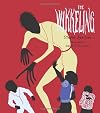
Many of you following me on Facebook or Twitter have probably heard me say (more than once) that The Wikkeling was “strange.” When I first started to read it, I could not shake the creep factor. The cover is freaky and the book itself is not a traditional size. It’s wider, includes lots of handwrtitten script and has creepy illustrations of people without faces. BUT, once I got show more past the slightly, unsettling feel of the book itself, I found myself liking the story quite a bit.
The story is set in the future. Henrietta lives in a world where every move is tracked. She sleeps in a room with a BedCam and her mother is able to find her via the GPS locator on her phone. When taking a test in school, the results are immediately tabulated and sent straight to her parents for review. Even her bus ride home is monitored. Her world is a world of gadgets, yet she lives in an “old” house. Her house is one of the few old houses left. Nearly every other one is pre-fab and made of plastic. This old house gives her “house sickness” which causes tremendous headaches. The headaches she has in common with two new friends, Gary and Rose. They too, suffer or have suffered with house sickness so they quickly form a bond.
However, when Henrietta discovers that her attic is a secret passageway into the past and is home to a giant house cat by the name of Mister Lady, she and her friends begin to explore the past by visiting it regularly. With the help of a Bestiary (a compendium of beasts), they discover the true nature of their headaches and set out to find the truth.
The Wikkeling is marketed as a children’s book but adult readers who enjoy magical worlds and creatures will also enjoy this book. The secrecy surrounding the attic is fun and the fascination and preservation of real books held my attention. As ads are screamed at them at every opportunity, their escape to the attic is comforting. It’s warm and inviting and full of books.
My copy of The Wikkeling includes entries for these magical creatures and they are written in script on gray colored pages. The book I received was an ARC, so perhaps the issue was addressed with the final copy, but I had a hard time reading that script on such a dark, gray background. The fact that I wanted to, is a testament to how much I enjoyed this aspect of the book. Including it made me feel as if I were flipping through my very own Bestiary, which I’m sure was the point.
What fascinates me about this book is that the technology discussed within it, is technology that we are currently using today. GPS trackers and cell phones are everywhere and although advertisements are not streamed to us via our automobiles, I’m sure it’s just around the corner. As we become more high tech, we lose something in the process and that’s really what this book is about.
I think older kids, 10-12 will enjoy this book, but anyone younger might not be able to get over the creep factor of those faceless drawings and long-fingered creatures. Overall, a fun read! show less
The world that Arnston creates is both scary and magical but most of all…fun.
The Rest of It:
Many of you following me on Facebook or Twitter have probably heard me say (more than once) that The Wikkeling was “strange.” When I first started to read it, I could not shake the creep factor. The cover is freaky and the book itself is not a traditional size. It’s wider, includes lots of handwrtitten script and has creepy illustrations of people without faces. BUT, once I got show more past the slightly, unsettling feel of the book itself, I found myself liking the story quite a bit.
The story is set in the future. Henrietta lives in a world where every move is tracked. She sleeps in a room with a BedCam and her mother is able to find her via the GPS locator on her phone. When taking a test in school, the results are immediately tabulated and sent straight to her parents for review. Even her bus ride home is monitored. Her world is a world of gadgets, yet she lives in an “old” house. Her house is one of the few old houses left. Nearly every other one is pre-fab and made of plastic. This old house gives her “house sickness” which causes tremendous headaches. The headaches she has in common with two new friends, Gary and Rose. They too, suffer or have suffered with house sickness so they quickly form a bond.
However, when Henrietta discovers that her attic is a secret passageway into the past and is home to a giant house cat by the name of Mister Lady, she and her friends begin to explore the past by visiting it regularly. With the help of a Bestiary (a compendium of beasts), they discover the true nature of their headaches and set out to find the truth.
The Wikkeling is marketed as a children’s book but adult readers who enjoy magical worlds and creatures will also enjoy this book. The secrecy surrounding the attic is fun and the fascination and preservation of real books held my attention. As ads are screamed at them at every opportunity, their escape to the attic is comforting. It’s warm and inviting and full of books.
My copy of The Wikkeling includes entries for these magical creatures and they are written in script on gray colored pages. The book I received was an ARC, so perhaps the issue was addressed with the final copy, but I had a hard time reading that script on such a dark, gray background. The fact that I wanted to, is a testament to how much I enjoyed this aspect of the book. Including it made me feel as if I were flipping through my very own Bestiary, which I’m sure was the point.
What fascinates me about this book is that the technology discussed within it, is technology that we are currently using today. GPS trackers and cell phones are everywhere and although advertisements are not streamed to us via our automobiles, I’m sure it’s just around the corner. As we become more high tech, we lose something in the process and that’s really what this book is about.
I think older kids, 10-12 will enjoy this book, but anyone younger might not be able to get over the creep factor of those faceless drawings and long-fingered creatures. Overall, a fun read! show less
Life is carefully programmed and supervised, the constantly gridlocked traffic belches flowery fumes and everything is smooth and moves without disruption. Students practice for their Competency Exams on a daily basis, and are completely protected from danger. Henrietta is at the bottom of her competative class, and is considered unlikeable by all her classmates. Her headaches also make her stand out, which only makes her more miserable. But then one night, Henrietta finds a wounded cat in show more her attic (completely forbidden and against the rules and dangerous!), and then Henrietta meets Gary and Rose, who also have headaches, and who also see the shadowy figure following them around. Together they might just solve the mystery of the figure, their headaches, and what a cat really is.
This is a brilliant book. Arntson weaves a cautionary tale about the dangers of being completely protected, and the hazards of being in a totally homogenized and automatic society into a gripping story about three children who learn to trust each other, and the wild housecat which they name Mister Lady. There are some disturbing bits, and I wouldn’t recommend it for kids under twelve or thirteen, but I would recommend it to anybody who has felt out of step with the world around them, and definitely to anyone who loves books.
“Henrietta is the main character of this story. This whole book will be about her – and it’s worth mentioning at the outset a few things that aren’t going to happen to her.
She will not become beautiful when someone gives her a new hairstyle.
She will not find a miracle cure for her pimples when an angel sees she’s a good girl inside.
She will not find out that she’s actually a princess, and she won’t become happy forever when a prince marries her.
Those books are out there, and your school librarian can help you find one. This isn’t it.” show less
This is a brilliant book. Arntson weaves a cautionary tale about the dangers of being completely protected, and the hazards of being in a totally homogenized and automatic society into a gripping story about three children who learn to trust each other, and the wild housecat which they name Mister Lady. There are some disturbing bits, and I wouldn’t recommend it for kids under twelve or thirteen, but I would recommend it to anybody who has felt out of step with the world around them, and definitely to anyone who loves books.
“Henrietta is the main character of this story. This whole book will be about her – and it’s worth mentioning at the outset a few things that aren’t going to happen to her.
She will not become beautiful when someone gives her a new hairstyle.
She will not find a miracle cure for her pimples when an angel sees she’s a good girl inside.
She will not find out that she’s actually a princess, and she won’t become happy forever when a prince marries her.
Those books are out there, and your school librarian can help you find one. This isn’t it.” show less
This was a book that was a library discard, purchased for a a dollar. It looked interesting, but sat on my shelf for awhile, until I finally pulled it out for something easy to read, but interesting. And this book certainly satisfies those requirements.
Its a book aimed at children, I'd probably say 8 to 13 crowd. The story has a fairy tale-like quality, but instead of a world filled with scariness, this world is aimed at ultimate protection, for example, everything is plastic with no show more corners, or that parents are notified whenever a child moves locations. However, safety is taken to a point where the entire world is sanitized, from history to literature. Add in the focus on test scores, where that is the only thing that matters in school, to the point where class, and school rankings are updated each day.
The story itself is about taking risks, and learning from them. From climbing a pile of chairs into a magical attic, or even crossing the street. As for the Wikkeling, he's actually a scary figure, and in true fairy tale fashion, never explained. The ending is not a surprise, the children in the story learn something, the Wikkeling is vanquished, and life is changed.
As an adult reading this book, I felt like I was missing out - just who was Henrift AndI, and how did this world become what it is? Or why is the Wikkeling the only reason there is a such a focus on safety? But for a kid, I suspect they quite like it. show less
Its a book aimed at children, I'd probably say 8 to 13 crowd. The story has a fairy tale-like quality, but instead of a world filled with scariness, this world is aimed at ultimate protection, for example, everything is plastic with no show more corners, or that parents are notified whenever a child moves locations. However, safety is taken to a point where the entire world is sanitized, from history to literature. Add in the focus on test scores, where that is the only thing that matters in school, to the point where class, and school rankings are updated each day.
The story itself is about taking risks, and learning from them. From climbing a pile of chairs into a magical attic, or even crossing the street. As for the Wikkeling, he's actually a scary figure, and in true fairy tale fashion, never explained. The ending is not a surprise, the children in the story learn something, the Wikkeling is vanquished, and life is changed.
As an adult reading this book, I felt like I was missing out - just who was Henrift AndI, and how did this world become what it is? Or why is the Wikkeling the only reason there is a such a focus on safety? But for a kid, I suspect they quite like it. show less
Awards


You May Also Like


Statistics
- Works
- 4
- Members
- 289
- Popularity
- #80,897
- Rating
- 3.4
- Reviews
- 18
- ISBNs
- 13