
William Y. Arms
Author of Digital Libraries
About the Author
William Y. Arms is Professor of Computer Science at Cornell University
Works by William Y. Arms
Tagged
Common Knowledge
- Gender
- male
Members
Reviews
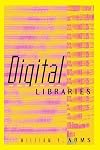
The emergence of the Internet and the wide availability of affordable computing equipment have created tremendous interest in digital libraries and electronic publishing. This book is the first to provide an integrated overview of the field, including a historical perspective, the state of the art, and current research. The term "digital libraries" covers the creation and distribution of all types of information over networks, ranging from converted historical materials to kinds of show more information that have no analogues in the physical world. In some ways digital libraries and traditional libraries are very different, yet in other ways they are remarkably similar. People still create information that has to be organized, stored, and distributed, and they still need to find and use information that others have created. An underlying theme of this book is that no aspect of digital libraries can be understood in isolation or without attention to the needs of the people who create and use information. Although the book covers a wide range of technical, economic, social, and organizational topics, the focus is on the actual working components of a digital library. show less
The emergence of the Internet and the wide availability of affordable computing equipment have created tremendous interest in digital libraries and electronic publishing. This book is the first to provide an integrated overview of the field, including a historical perspective, the state of the art, and current research. The term "digital libraries" covers the creation and distribution of all types of information over networks, ranging from converted historical materials to kinds of show more information that have no analogues in the physical world. In some ways digital libraries and traditional libraries are very different, yet in other ways they are remarkably similar. People still create information that has to be organized, stored, and distributed, and they still need to find and use information that others have created. An underlying theme of this book is that no aspect of digital libraries can be understood in isolation or without attention to the needs of the people who create and use information. Although the book covers a wide range of technical, economic, social, and organizational topics, the focus is on the actual working components of a digital library. show less
The emergence of the Internet and the wide availability of affordable computing equipment have created tremendous interest in digital libraries and electronic publishing. This book is the first to provide an integrated overview of the field, including a historical perspective, the state of the art, and current research. The term "digital libraries" covers the creation and distribution of all types of information over networks, ranging from converted historical materials to kinds of show more information that have no analogues in the physical world. In some ways digital libraries and traditional libraries are very different, yet in other ways they are remarkably similar. People still create information that has to be organized, stored, and distributed, and they still need to find and use information that others have created. An underlying theme of this book is that no aspect of digital libraries can be understood in isolation or without attention to the needs of the people who create and use information. Although the book covers a wide range of technical, economic, social, and organizational topics, the focus is on the actual working components of a digital library. show less
The emergence of the Internet and the wide availability of affordable computing equipment have created tremendous interest in digital libraries and electronic publishing. This book is the first to provide an integrated overview of the field, including a historical perspective, the state of the art, and current research. The term "digital libraries" covers the creation and distribution of all types of information over networks, ranging from converted historical materials to kinds of show more information that have no analogues in the physical world. In some ways digital libraries and traditional libraries are very different, yet in other ways they are remarkably similar. People still create information that has to be organized, stored, and distributed, and they still need to find and use information that others have created. An underlying theme of this book is that no aspect of digital libraries can be understood in isolation or without attention to the needs of the people who create and use information. Although the book covers a wide range of technical, economic, social, and organizational topics, the focus is on the actual working components of a digital library. show less
You May Also Like


Statistics
- Works
- 4
- Members
- 163
- Popularity
- #129,734
- Rating
- 3.4
- Reviews
- 35
- ISBNs
- 9