

José Luís Peixoto
Author of The Implacable Order of Things
About the Author
Works by José Luís Peixoto
Minto até ao dizer que minto 7 copies
Contos que Contam — Author — 3 copies
Os novos Maias - 4 3 copies
Os Lusíadas para toda a família 2 copies
Sen, Bende Öldün 1 copy
Os novos Maias 1 copy
Mestece Galveias 1 copy
Psi iz Galveiasa 1 copy
Creditos documentarios 1 copy
Évora ao Espelho 1 copy
A mulher que sonhava 1 copy
Associated Works
Tagged
Common Knowledge
- Canonical name
- Peixoto, José Luís
- Birthdate
- 1974-09-04
- Gender
- male
- Awards and honors
- Prémio José Saramago (2001)
- Short biography
- José Luís Peixoto è nato in Alentejo, a Galveias, nel 1974. Molto presto ha iniziato a scrivere testi in prosa e in versi che gli hanno permesso di vincere per due anni consecutivi (1997 e 1998) il Premio Giovani Scrittori. Nel 2000 ha pubblicato un lungo racconto intitolato Questa terra ora crudele e l’anno successivo ha raccolto la sua produzione poetica nel volume A Criança em Ruínas.
È autore di testi teatrali e collabora abitualmente con diversi quotidiani e prestigiose riviste portoghesi. Nel 2001 – dopo la pubblicazione del romanzo Nessuno Sguardo, considerato dalla critica e dal pubblico uno dei migliori romanzi dell’anno e immediatamente tradotto in spagnolo – gli è stato conferito il prestigioso Premio José Saramago, attribuito ogni due anni al miglior giovane scrittore del Portogallo. - Nationality
- Portugal
- Birthplace
- Galveias, Portalegre, Portugal
- Places of residence
- Galveias, Alentejo, Portugal
- Associated Place (for map)
- Portugal
Members
Reviews
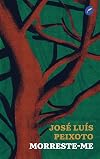
Se pudesse tinha-te protegido. A esperança, pai. De três em três semanas, cinco manhãs seguidas viam-te ir ao tratamento; eu, teu filho, via-te ir ao tratamento e doía-me a vida, doía-me a vida que em ti se negava, a vida a gastar-te, ainda que a amasses, a vida a derrubar-te, ainda que a amasses.
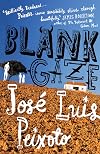
I think: perhaps the sky is a huge sea of fresh water and we, instead of walking under it, walk on top of it; perhaps we see everything upside down and earth is a kind of sky, so that when we die, we fall and sink into the sky.
I think: perhaps suffering is tossed by handfuls over the multitudes, with most of it falling on some people and little or none of it on others.
This surreal, haunting and bleak novel interspersed with glimpses of tender beauty is set in an unnamed small town in the show more arid interior region of Alentejo in southern Portugal. Life is a daily battle for its poor residents, who battle poverty and the whims of nature to eke out a hardscrabble existence in a village beset with jealousy, violence and tragedy, with little hope for a better future.
Blank Gaze is centered around several memorable and sometimes fantastic characters over two generations of village life. The most influential character is the devil, who conducts infrequent services and occasional weddings at the abandoned and decrepit town church, while taunting several men in the local bar run by Judas about the infidelities of their wives while the men are working away from home. Gabriel is an ever present 120 year old wise man, whose good advice is rarely followed. Moíses and Elias are Siamese twins joined by a common pinky finger. An old blind prostitute whose mother and grandmother are similarly afflicted services men on a regular basis, and a giant regularly torments a sheepherder and his wife.
The novel consists of snapshots of these characters over a 30+ year period, and consists of third person observations and first person accounts, which resemble haunted confessions by people who are overwhelmed by the untoward events affecting their lives and the ones of those closest to them. Brief periods of tenderness and joy are soon squelched by tragedy, which ultimately consumes everyone, including the devil, under an unforgiving blazing hot sun.
I found Blank Gaze to be a stunning and unforgettable novel, whose rich images outweighed the ethereal portrayals of its characters. Reading this was akin to watching a play on a stage covered in fog, as characters spoke initially hidden from sight, who subsequently appeared and were sometimes different from the one I thought was speaking. Although the points and themes that Peixoto were trying to express eluded me, I enjoyed reading this short book, and I will definitely look for more of his work in the near future. show less
I think: perhaps suffering is tossed by handfuls over the multitudes, with most of it falling on some people and little or none of it on others.
This surreal, haunting and bleak novel interspersed with glimpses of tender beauty is set in an unnamed small town in the show more arid interior region of Alentejo in southern Portugal. Life is a daily battle for its poor residents, who battle poverty and the whims of nature to eke out a hardscrabble existence in a village beset with jealousy, violence and tragedy, with little hope for a better future.
Blank Gaze is centered around several memorable and sometimes fantastic characters over two generations of village life. The most influential character is the devil, who conducts infrequent services and occasional weddings at the abandoned and decrepit town church, while taunting several men in the local bar run by Judas about the infidelities of their wives while the men are working away from home. Gabriel is an ever present 120 year old wise man, whose good advice is rarely followed. Moíses and Elias are Siamese twins joined by a common pinky finger. An old blind prostitute whose mother and grandmother are similarly afflicted services men on a regular basis, and a giant regularly torments a sheepherder and his wife.
The novel consists of snapshots of these characters over a 30+ year period, and consists of third person observations and first person accounts, which resemble haunted confessions by people who are overwhelmed by the untoward events affecting their lives and the ones of those closest to them. Brief periods of tenderness and joy are soon squelched by tragedy, which ultimately consumes everyone, including the devil, under an unforgiving blazing hot sun.
I found Blank Gaze to be a stunning and unforgettable novel, whose rich images outweighed the ethereal portrayals of its characters. Reading this was akin to watching a play on a stage covered in fog, as characters spoke initially hidden from sight, who subsequently appeared and were sometimes different from the one I thought was speaking. Although the points and themes that Peixoto were trying to express eluded me, I enjoyed reading this short book, and I will definitely look for more of his work in the near future. show less
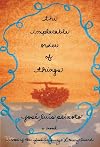
I had been on a bit of a discovery voyage of Portuguese literature, riding waves of Saramago, Camões, and Pessoa, when I happened across José Luís Piexoto’s first novel, The Implacable Order of Things, which suddenly and effectively sank it. It’s not that Piexoto, a poetical author of great skill and dexterity, is not a good writer; he is. This musing of one of his characters is one of the most beautiful ideas I’ve read in a long time:
“I think: perhaps the sky is a huge sea of show more fresh water and we, instead of walking under it, walk on top of it; perhaps we see everything upside down and earth is a kind of sky, so that when we die, when we die, we fall and sink into the sky.”
It’s not that I was unfamiliar with the fatalistic tendencies of my peeps, either; I am. Intimately. After all, the Portuguese invented fado, the saddest music on the whole planet. The space that Piexoto creates, however, is a whole ’nother sun-scorched ball of … well, dirt.
In Piexoto’s world, the sun itself is more than the beneficent stellar body that we know and love, it is an omnipresent, malicious torturer, drying up even the smallest hope in an oppressive blast furnace of despair. In this dying, grindingly poor village, even the devil seems trapped, forced to downscale his machinations to petty manipulations of the insecurities and jealousies of simple villagers. God himself has already caught the last ass out of town, abandoning the church and ecclesiastical duties to the devil who, to his credit, attends to all weddings and funerals with a huge grin, knowing all too well that no matter what people do, they are fated only to become more miserable as the days drag on.
Peixoto employs a bit of magical realism that gives the whole book the feel of fable or of some sort of black scripture. The story starts out with the devil hinting very strongly to a shepherd that his wife is having an affair with a giant (who in reality has been raping her since her father died). The shepherd tells him to let the giant know that if he sees him around, he is going to smash in his face. This leads, predictably, to the shepherd getting beaten to within an inch of his life. As soon as the shepherd is well enough to walk again, he is right back downtown looking for trouble, and the giant, once again, beats him within an inch of his life.
The miserable denizens of Peixoto’s world are lacking any sense of free will and often are dragged toward their unhappy fates by limbs that seem to be driven by nothing but a howling sense of entropy. The only character who takes matters into its own … well, teeth, in this case, is the shepherd’s faithful dog. When its master finally confronts the horror of his situation and hangs himself, the dog rounds up all the other dogs in the village and tears the giant limb from limb. Score one for the dog.
By the second half of the book, we have burned through the first generation and are on to watching their progeny wither in the brutal heat. When we get to the one-legged, one-armed carpenter who grasps at happiness by marrying a blind prostitute after getting her pregnant—only to lose them both in childbirth, saw off his own leg, and burn down his (now no-legged) self and his shop for good measure—I started to get the sense that this book had become no more than misery porn. How much worse could things get? Worse. Implacably worse. Worse until the world itself (mercifully for the reader, but without a shred of pity for anyone else) grinds to a halt. Score one for the devil. show less
“I think: perhaps the sky is a huge sea of show more fresh water and we, instead of walking under it, walk on top of it; perhaps we see everything upside down and earth is a kind of sky, so that when we die, when we die, we fall and sink into the sky.”
It’s not that I was unfamiliar with the fatalistic tendencies of my peeps, either; I am. Intimately. After all, the Portuguese invented fado, the saddest music on the whole planet. The space that Piexoto creates, however, is a whole ’nother sun-scorched ball of … well, dirt.
In Piexoto’s world, the sun itself is more than the beneficent stellar body that we know and love, it is an omnipresent, malicious torturer, drying up even the smallest hope in an oppressive blast furnace of despair. In this dying, grindingly poor village, even the devil seems trapped, forced to downscale his machinations to petty manipulations of the insecurities and jealousies of simple villagers. God himself has already caught the last ass out of town, abandoning the church and ecclesiastical duties to the devil who, to his credit, attends to all weddings and funerals with a huge grin, knowing all too well that no matter what people do, they are fated only to become more miserable as the days drag on.
Peixoto employs a bit of magical realism that gives the whole book the feel of fable or of some sort of black scripture. The story starts out with the devil hinting very strongly to a shepherd that his wife is having an affair with a giant (who in reality has been raping her since her father died). The shepherd tells him to let the giant know that if he sees him around, he is going to smash in his face. This leads, predictably, to the shepherd getting beaten to within an inch of his life. As soon as the shepherd is well enough to walk again, he is right back downtown looking for trouble, and the giant, once again, beats him within an inch of his life.
The miserable denizens of Peixoto’s world are lacking any sense of free will and often are dragged toward their unhappy fates by limbs that seem to be driven by nothing but a howling sense of entropy. The only character who takes matters into its own … well, teeth, in this case, is the shepherd’s faithful dog. When its master finally confronts the horror of his situation and hangs himself, the dog rounds up all the other dogs in the village and tears the giant limb from limb. Score one for the dog.
By the second half of the book, we have burned through the first generation and are on to watching their progeny wither in the brutal heat. When we get to the one-legged, one-armed carpenter who grasps at happiness by marrying a blind prostitute after getting her pregnant—only to lose them both in childbirth, saw off his own leg, and burn down his (now no-legged) self and his shop for good measure—I started to get the sense that this book had become no more than misery porn. How much worse could things get? Worse. Implacably worse. Worse until the world itself (mercifully for the reader, but without a shred of pity for anyone else) grinds to a halt. Score one for the devil. show less
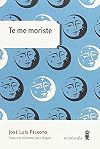
Es un libro absolutamente personal, crudo, escrito desde la víscera del dolor de un hijo que se enfrenta al duelo, la muerte de su padre. Una especie de carta de despedida -sin ganas de decir adiós-al tiempo que parece iniciar una nueva forma de comunicación entre ellos.
Empaticé con él todo el tiempo, principalmente en aquellos espacios que dejan ver una especie de pensamiento mágico y que le ayuda a comunicarse, a confirmar sus emociones como si el padre las pudiera ver, sentir, show more saber.
Lloré con él (literalmente) desde la primera página hasta la última. Me dejó agotada (Afortunadamente sólo son 57 páginas); me habría encantado escribirlo yo.
Un libro hermoso y potente. Una belleza total.
*Y se me clava en el pecho no poderte oír ver tocar nunca más, Padre. (...) Ha quedado tu sonrisa en lo que no olvido, te has quedado entero en mi...* show less
Empaticé con él todo el tiempo, principalmente en aquellos espacios que dejan ver una especie de pensamiento mágico y que le ayuda a comunicarse, a confirmar sus emociones como si el padre las pudiera ver, sentir, show more saber.
Lloré con él (literalmente) desde la primera página hasta la última. Me dejó agotada (Afortunadamente sólo son 57 páginas); me habría encantado escribirlo yo.
Un libro hermoso y potente. Una belleza total.
*Y se me clava en el pecho no poderte oír ver tocar nunca más, Padre. (...) Ha quedado tu sonrisa en lo que no olvido, te has quedado entero en mi...* show less
Awards


You May Also Like


Associated Authors
Statistics
- Works
- 60
- Also by
- 2
- Members
- 1,079
- Popularity
- #23,833
- Rating
- 3.9
- Reviews
- 26
- ISBNs
- 143
- Languages
- 14
- Favorited
- 3