
Margaret McMullan
Author of When I Crossed No-Bob
Works by Margaret McMullan
Every Father's Daughter: Twenty-four Women Writers Remember Their Fathers (2015) — Editor — 11 copies
Tagged
Common Knowledge
- Gender
- female
Members
Reviews
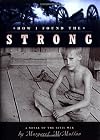
Margaret McMullan packs a remarkable amount of incident and information into her brief, powerful, and sometimes graphic children’s novel about the American Civil War. As the book opens, Frank “Shanks” Russell’s fourteen-year-old brother, Henry, and their father, Jack, are preparing to leave the Russell farm to fight alongside the other Confederate soldiers of Smith County, Mississippi. In the days that lead up to their departure, they sit on the porch, cleaning their rifles and show more discussing strategy. Mr. Lincoln has just declared war, and the understanding of the county’s men is that this war isn’t about slavery so much as the Yankees’ desire to destroy the South’s way of life, take over its ports, and rob the people of the region of their honour and independence.
Frank laments the fact that at ten, he’s two years too young to be even an army drummer. He’s also fair haired and skinny, taking after his mother’s people, and he feels Pa doesn’t respect or love him because of this. Left behind, Frank and the family’s young slave, Buck, who is around Henry’s age, take on the heavy labour of the farm. They run errands, including one to a makeshift field hospital in a schoolhouse to deliver bandages. This is a gruesome outing in which the boys witness the horrible injuries of war—soldiers with viscera exposed, their wounds seething with maggots; many handless, armless, and legless. The stench is overpowering.
The seasons pass; the family becomes more destitute. The land is laid to waste. Livestock are stolen, and there’s drought. Women, children, and the slaves who remain work together to scratch what they can from the land. Not much. Hunger is a constant companion. Frank’s relationship with Buck strengthens. He finds himself wondering increasingly about the young slave’s life and thoughts.Bucks’s mother drowned in a storm on the Mississippi when the two were being transported by boat from Mobile, Alabama, and it’s evident that he’s been permanently altered by the trauma. For a time, Frank bothers his grandfather with questions about slavery and the war. Not quite a pacifist, Grandpa has been clear from the beginning that he’s not one for fighting, and this war in particular is not his war. Soon enough, the old man leaves for Texas, attracted by rumours of a freer life there. His wife, Frank’s cranky, corncob-pipe-smoking grandmother dies soon after.
Before the war’s end, Frank’s father returns without Henry. Now white-haired and missing an arm, he limps onto the farm, a broken man. It is clear that the Union is winning. Mississippi is mostly under federal control. When the Emancipation Proclamation freed slaves, the vast majority of those in Smith County fled north to Chicago. With Mississippi now mostly under federal control, enraged local men scapegoat the few coloured folks who remain. Buck is targeted. This is when Frank faces the ultimate test in moral courage.He and his father accompany Buck through dangerous territory, where there are still active skirmishes, to the Strong River. Pa gives Buck his freedom papers and instructions about travelling north.
In an afterward, the author explains that Frank Russell was a real person, her grandmother’s great uncle. Before he died, someone interviewed him and recorded his memories. The real Frank had been notably silent about his experiences on the family farm during the war. McMullan has capably filled them in, creating a credible protagonist and a convincing depiction of the devastation of war and the moral quandaries of a boy becoming a man. She ends her novel on a hopeful note, having Frank observe: “Our country fell apart, and for a time, so did we. But some of us are still left, and we are strong enough to put ourselves and our world back together.” show less
Frank laments the fact that at ten, he’s two years too young to be even an army drummer. He’s also fair haired and skinny, taking after his mother’s people, and he feels Pa doesn’t respect or love him because of this. Left behind, Frank and the family’s young slave, Buck, who is around Henry’s age, take on the heavy labour of the farm. They run errands, including one to a makeshift field hospital in a schoolhouse to deliver bandages. This is a gruesome outing in which the boys witness the horrible injuries of war—soldiers with viscera exposed, their wounds seething with maggots; many handless, armless, and legless. The stench is overpowering.
The seasons pass; the family becomes more destitute. The land is laid to waste. Livestock are stolen, and there’s drought. Women, children, and the slaves who remain work together to scratch what they can from the land. Not much. Hunger is a constant companion. Frank’s relationship with Buck strengthens. He finds himself wondering increasingly about the young slave’s life and thoughts.
Before the war’s end, Frank’s father returns without Henry. Now white-haired and missing an arm, he limps onto the farm, a broken man. It is clear that the Union is winning. Mississippi is mostly under federal control. When the Emancipation Proclamation freed slaves, the vast majority of those in Smith County fled north to Chicago. With Mississippi now mostly under federal control, enraged local men scapegoat the few coloured folks who remain. Buck is targeted. This is when Frank faces the ultimate test in moral courage.
In an afterward, the author explains that Frank Russell was a real person, her grandmother’s great uncle. Before he died, someone interviewed him and recorded his memories. The real Frank had been notably silent about his experiences on the family farm during the war. McMullan has capably filled them in, creating a credible protagonist and a convincing depiction of the devastation of war and the moral quandaries of a boy becoming a man. She ends her novel on a hopeful note, having Frank observe: “Our country fell apart, and for a time, so did we. But some of us are still left, and we are strong enough to put ourselves and our world back together.” show less

Set in 1962 in Jackson, Mississippi, this is a well-written young-adult historical novel about one girl’s experience of the American civil rights movement. The story focuses on Samantha “Sam” Thomas, a high-school freshman whose Mississippi-born father died the previous year in Vietnam when his military helicopter was shot down. Sam has moved to the South from Pittsburgh with her unconventional and outspoken mother, who has just landed a job as an art history professor at a small show more all-white college. Mother and daughter remain in close contact with Sam’s dad’s family, who live in Franklin, not far from Jackson. They enjoy a particularly close relationship with Sam’s wise and supportive grandmother, Thelma Addy.
Initially, all Sam wants to do is fit in at her new school. This is hard to manage when you still wear your cousin’s hand-me-downs and when you’ve been raised with a set of values about race and women’s roles that don’t match those of your very conservative classmates and their parents. One route to acceptance is to cozy up to the pretty, popular, queen bee, Mary Alice McLemore, even if she’s a repugnant airhead. If she’s got a handsome and chivalrous older brother, Stone, who happens to like you, though, you might be motivated to put your distaste aside for a while..
Sam’s mother becomes romantically involved with an appealing young photography instructor, Perry Walker, who also works at the college and who has begun to make a name for himself. Some of his Korean War photography and his images highlighting racial injustice have made it into Life Magazine, and a publisher is interested in producing a book of his critically acclaimed photos. Even Sam, who’s initially wary of him, falls under Perry’s spell. He gives her one of his cameras, shows her how to use it, and teaches her how to develop the pictures she’s snapped. Sam produces what is probably the most unusual State-of-Mississippi project submission her small-minded teacher has ever seen.
Perry is an activist dedicated to voter registration of African Americans. His main role is to create a photographic record of demonstrations, which are regularly met with anger and violence from stick-and billy-club-carrying white men. Under Perry’s tutelage, Sam is soon taking her own photos of the racial injustice around her. After her mother dares to give a lecture to students at a local all-black college, making the front page of the local newspaper for doing so, the Thomases’ home is vandalized. Sam snaps pictures of the fallout. A trip downtown with their African-American housekeeper provides a further opportunity for Sam to create her own record of Jackson’s racial turbulence. It’s a real wake-up call for the girl to learn that while she might be able to buy a Coke for Willa Mae at the drugstore, the black woman won’t be allowed to drink it indoors with Sam. A lunch counter sit-in occurs that same day, and Sam takes multiple photos of the mob violence that ensues. The hatred she sees on the faces of the whites shocks her.
Stone and Mary Alice McLemore’s affluent parents extend gracious Southern hospitality to Sam and her mother. It’s hard for the girl to reconcile their seeming generosity and kindness with Mr. McLemore’s prominent role in a citizens’ group that is committed to maintaining the status quo and fiercely opposed to racial integration and basic human rights for blacks. As evidence surfaces that Mr. McLemore engages in violent acts against both black and white activists, Sam struggles even more with her feelings towards the McLemore’s son. However, her greatest test comes when Perry is brutally attacked and hospitalized.He dies of his injuries, but Sam—in a coincidence I did not have to strain too much to accept—finds his camera in the place where he was savaged. Perry’s last act had been to create a visual record of the violence against him and those who perpetrated it. What Sam discovers when she develops Perry’s last roll of film leads to the arrest of Mr. McLemore. Stone himself is involved in turning his father in to police.
Margaret McMullan has taken some liberties with the civil rights timeline. She’s included a few well-known events that actually occurred a full year after the time in which her novel is set. One of these events is the death of a 13-year-old black boy,Virgil Ware, who was shot in the chest and face while riding on the handlebars of his brother's bicycle. His shooter was a 16-year-old white teenager. The other incident is Mayor Bull Connor’s infamous direction to local police to use force—including fire hoses, clubs, and dogs—on young civil rights demonstrators in Birmingham, Alabama. Why the author has been loose with dates isn’t clear to me. It seems she wanted to have some key events of John F. Kennedy’s presidency—his commitment to space exploration and his handling of the Cuban Missile Crisis, in particular—jostle against the South’s growing racial turmoil. I’m not convinced that the novel really demanded this sacrifice of historical accuracy. That criticism aside, Sources of Light is a fine book with a credible, relatable protagonist. It’s a novel that raises important issues that are still pertinent to young adults. I think McMullan, herself a native of Mississippi, was pretty brave to even write it. show less
Initially, all Sam wants to do is fit in at her new school. This is hard to manage when you still wear your cousin’s hand-me-downs and when you’ve been raised with a set of values about race and women’s roles that don’t match those of your very conservative classmates and their parents. One route to acceptance is to cozy up to the pretty, popular, queen bee, Mary Alice McLemore, even if she’s a repugnant airhead. If she’s got a handsome and chivalrous older brother, Stone, who happens to like you, though, you might be motivated to put your distaste aside for a while..
Sam’s mother becomes romantically involved with an appealing young photography instructor, Perry Walker, who also works at the college and who has begun to make a name for himself. Some of his Korean War photography and his images highlighting racial injustice have made it into Life Magazine, and a publisher is interested in producing a book of his critically acclaimed photos. Even Sam, who’s initially wary of him, falls under Perry’s spell. He gives her one of his cameras, shows her how to use it, and teaches her how to develop the pictures she’s snapped. Sam produces what is probably the most unusual State-of-Mississippi project submission her small-minded teacher has ever seen.
Perry is an activist dedicated to voter registration of African Americans. His main role is to create a photographic record of demonstrations, which are regularly met with anger and violence from stick-and billy-club-carrying white men. Under Perry’s tutelage, Sam is soon taking her own photos of the racial injustice around her. After her mother dares to give a lecture to students at a local all-black college, making the front page of the local newspaper for doing so, the Thomases’ home is vandalized. Sam snaps pictures of the fallout. A trip downtown with their African-American housekeeper provides a further opportunity for Sam to create her own record of Jackson’s racial turbulence. It’s a real wake-up call for the girl to learn that while she might be able to buy a Coke for Willa Mae at the drugstore, the black woman won’t be allowed to drink it indoors with Sam. A lunch counter sit-in occurs that same day, and Sam takes multiple photos of the mob violence that ensues. The hatred she sees on the faces of the whites shocks her.
Stone and Mary Alice McLemore’s affluent parents extend gracious Southern hospitality to Sam and her mother. It’s hard for the girl to reconcile their seeming generosity and kindness with Mr. McLemore’s prominent role in a citizens’ group that is committed to maintaining the status quo and fiercely opposed to racial integration and basic human rights for blacks. As evidence surfaces that Mr. McLemore engages in violent acts against both black and white activists, Sam struggles even more with her feelings towards the McLemore’s son. However, her greatest test comes when Perry is brutally attacked and hospitalized.
Margaret McMullan has taken some liberties with the civil rights timeline. She’s included a few well-known events that actually occurred a full year after the time in which her novel is set. One of these events is the death of a 13-year-old black boy,Virgil Ware, who was shot in the chest and face while riding on the handlebars of his brother's bicycle. His shooter was a 16-year-old white teenager. The other incident is Mayor Bull Connor’s infamous direction to local police to use force—including fire hoses, clubs, and dogs—on young civil rights demonstrators in Birmingham, Alabama. Why the author has been loose with dates isn’t clear to me. It seems she wanted to have some key events of John F. Kennedy’s presidency—his commitment to space exploration and his handling of the Cuban Missile Crisis, in particular—jostle against the South’s growing racial turmoil. I’m not convinced that the novel really demanded this sacrifice of historical accuracy. That criticism aside, Sources of Light is a fine book with a credible, relatable protagonist. It’s a novel that raises important issues that are still pertinent to young adults. I think McMullan, herself a native of Mississippi, was pretty brave to even write it. show less

Twelve-Year-Old Addy O’Donnell feels a mixture of pride and shame about being a member of “the meanest family on God’s green earth”. Hers has been a rough, hardscrabble existence on a tract of land belonging the lawless, violent O’Donnell clan of Smith County, Mississippi. Addy’s home territory is commonly known as “No-Bob”—so named after a freed black man made a fatal navigational error: he stepped onto O’Donnell land and never stepped off. A search party was sent to show more comb the O’Donnell woods for him. When those searching finally emerged from among the trees, they called out that there was “no Bob” to be found there. Bob had disappeared for good, but the words to mark his disappearance stuck.
This is McMullan’s second young-adult novel dealing with the American South’s Civil War experience. As it opens, Addy and her mother arrive at the wedding of a popular young couple, Irene and Frank Russell. The O’Donnells are filthy but hungry enough not to care if they’re seen eating at a wedding feast to which they haven’t been invited. Although it’s 1875, a full decade after the end of the war, the southern states remain in ruins. It’s not uncommon to stumble on bones of the war dead in the forest. Bandits regularly threaten travellers. Many people are still starving. Even the light is different now; the Yankees burned so much down that people are deprived of something as natural and basic as the shade from trees.
Confederate soldiers were supposed to turn in their weapons at war’s end, but most didn’t do so. Now many families are armed to the hilt at a time when resentments simmer, and it takes barely a spark of anger to produce a conflagration, especially among the volatile O’Donnells. (McMullen seems to suggest that the American South’s love affair with firearms was born during this period.) After the war, Addy’s father, Mark O’Donnell, returned to Smith County, but he apparently didn’t stay for long. As far as Addy and her mother know, he’s gone to Texas. He was supposed to send for them, but Addy is doubtful this will ever happen. At the Russells’ wedding, her mother meets a man with a mule who’s bound for Texas. She seizes the opportunity to go with him, hoping to locate the husband who deserted her. Addy is abandoned.
Frank and Irene Russell take Addy in. Frank is reluctant, having had his own troubles with the O’Donnells, but his tenderhearted wife prevails. Addy proceeds to make herself indispensable to the Russells. Rough as her Pappy may have been, he taught Addy a lot. She can manage chores as well as any man, and she knows how to survive. In time, Frank, a teacher, is won over by the girl, and he arranges for her to attend school. She becomes fast friends with Frank’s younger sister. These are Addy’s first steps in crossing from lawless No-Bob with its primitive code of honour and loyalty to a kinder, more civilized life. Additional hard steps will be demanded of her.
Soon a geography project has Addy and her friend mapping an unfamiliar patch of land where a dual-purpose church/school house for coloured folks stands. One evening the two girls witness an attack on the schoolhouse during a church service. Hooded men arrive on horseback while members of the congregation sing hymns inside. A flaming cross falls on the schoolhouse, setting it ablaze. Addy rushes inside in an attempt to save her younger friend, a little black boy, Jess Still. He dies, and Addy knows who is responsible.
McMullan’s book explores Addy’s struggle to do the right thing, muster the courage to inform on her own people. The girl finds herself back in No-Bob for a time, after her father comes to collect her. It turns out that he was not in Texas at all, only hiding in the woods. He’s been instrumental in the formation the local Ku Klux Klan, which he views as a tool for “cleaning up” the county. Later, Addy wanders in the wilderness for several weeks and then spends some interesting time with the displaced Choctaw Indians, whose culture and mythology McMullan deftly and economically weaves into the story. (I was surprised to learn that “Little People”, tiny mythical beings who may trick or assist humans, figure in Choctaw lore, just as they do in the stories of Canada’s Inuit people.)
I was impressed with McMullan’s first novel, and I am almost as impressed with her second— for the information it provides about southern culture and history and for a narrative that hinges on a protagonist’s intense moral dilemma. However, the author has trouble bringing this second novel to a satisfying conclusion. In its last third, she expects her reader to swallow a few too many good things. The Russells’ fondness for Addy is convincing enough, but Frank’s restored relationship with another member of the O’Donnell clan is just a bridge too far. More significantly, by the end, Addy no longer sounds or acts much like the girl the reader has come to know. There really is such a thing as becoming too much of a heroine. show less
This is McMullan’s second young-adult novel dealing with the American South’s Civil War experience. As it opens, Addy and her mother arrive at the wedding of a popular young couple, Irene and Frank Russell. The O’Donnells are filthy but hungry enough not to care if they’re seen eating at a wedding feast to which they haven’t been invited. Although it’s 1875, a full decade after the end of the war, the southern states remain in ruins. It’s not uncommon to stumble on bones of the war dead in the forest. Bandits regularly threaten travellers. Many people are still starving. Even the light is different now; the Yankees burned so much down that people are deprived of something as natural and basic as the shade from trees.
Confederate soldiers were supposed to turn in their weapons at war’s end, but most didn’t do so. Now many families are armed to the hilt at a time when resentments simmer, and it takes barely a spark of anger to produce a conflagration, especially among the volatile O’Donnells. (McMullen seems to suggest that the American South’s love affair with firearms was born during this period.) After the war, Addy’s father, Mark O’Donnell, returned to Smith County, but he apparently didn’t stay for long. As far as Addy and her mother know, he’s gone to Texas. He was supposed to send for them, but Addy is doubtful this will ever happen. At the Russells’ wedding, her mother meets a man with a mule who’s bound for Texas. She seizes the opportunity to go with him, hoping to locate the husband who deserted her. Addy is abandoned.
Frank and Irene Russell take Addy in. Frank is reluctant, having had his own troubles with the O’Donnells, but his tenderhearted wife prevails. Addy proceeds to make herself indispensable to the Russells. Rough as her Pappy may have been, he taught Addy a lot. She can manage chores as well as any man, and she knows how to survive. In time, Frank, a teacher, is won over by the girl, and he arranges for her to attend school. She becomes fast friends with Frank’s younger sister. These are Addy’s first steps in crossing from lawless No-Bob with its primitive code of honour and loyalty to a kinder, more civilized life. Additional hard steps will be demanded of her.
Soon a geography project has Addy and her friend mapping an unfamiliar patch of land where a dual-purpose church/school house for coloured folks stands. One evening the two girls witness an attack on the schoolhouse during a church service. Hooded men arrive on horseback while members of the congregation sing hymns inside. A flaming cross falls on the schoolhouse, setting it ablaze. Addy rushes inside in an attempt to save her younger friend, a little black boy, Jess Still. He dies, and Addy knows who is responsible.
McMullan’s book explores Addy’s struggle to do the right thing, muster the courage to inform on her own people. The girl finds herself back in No-Bob for a time, after her father comes to collect her.
I was impressed with McMullan’s first novel, and I am almost as impressed with her second— for the information it provides about southern culture and history and for a narrative that hinges on a protagonist’s intense moral dilemma. However, the author has trouble bringing this second novel to a satisfying conclusion. In its last third, she expects her reader to swallow a few too many good things. The Russells’ fondness for Addy is convincing enough, but Frank’s restored relationship with another member of the O’Donnell clan is just a bridge too far. More significantly, by the end, Addy no longer sounds or acts much like the girl the reader has come to know. There really is such a thing as becoming too much of a heroine. show less

In Sources of Light, Margaret McMullan revisits a tumultuous time in American history – the south in the early 1960s. Some might say that the Civil Rights movement and the struggle for racial equality that are the center events of this novel are not relevant in our modern world. They should consider recent events such as United States Congressmen being spat upon and the target of racial epithets hurled by an angry mob on the steps of the U.S. Capitol or the President of the United States show more being shouted at and called a liar during a State of the Union address. The bigotry and ignorance of Mississippi in the 1960s seem to be alive and well in society today.
McMullan deals with these volatile topics in a skilled and insightful manner. Samantha and her mother move to Jackson, Mississippi just before Sam begins high school as a ninth grader. Sam’s father, who is from Jackson, has been killed in action in Viet Nam, and her mother feels it’s important for Sam to be near her remaining family, his parents. Neither Sam nor her mother is used to the open prejudice that exists in the community. Both of them find themselves engaging in activities that would stamp them as outcasts if it weren’t for Sam’s father’s reputation.
Sam and her mother both fall in love, but the relationships are thwarted by the social upheaval in the community. When Sam’s mother’s boyfriend teaches her to take photographs, she begins to see the world in a different light. Her photography sets her apart from the events taking place in the community and allows her to see them more clearly.
McMullan creates likeable and believable characters and imbues the novel with a true feeling of life in the South during this period. The reader is able to understand how civil rights divided not only communities, but also families. The novel deals with conflicts both large (civil rights) and small (Sam typical adolescent angst – wanting to be accepted by the “in” crowd but not wanting to compromise who she is).
There are some minor problems with flow in this story. Great leaps in time take place with little explanation. There are also some instances of characters acting without realistic motivation. Sam’s mother will only allow her to attend the well-chaperoned school dance with the older and handsome Stone McLemore if she returns home with her mother at the end of the evening, yet she allows Sam to go stargazing with Stone a short time later, totally unchaperoned. It also seems odd that a high school student has only one teacher. These flaws do not detract from the story as a whole, nor do they decrease the appeal of this novel. show less
McMullan deals with these volatile topics in a skilled and insightful manner. Samantha and her mother move to Jackson, Mississippi just before Sam begins high school as a ninth grader. Sam’s father, who is from Jackson, has been killed in action in Viet Nam, and her mother feels it’s important for Sam to be near her remaining family, his parents. Neither Sam nor her mother is used to the open prejudice that exists in the community. Both of them find themselves engaging in activities that would stamp them as outcasts if it weren’t for Sam’s father’s reputation.
Sam and her mother both fall in love, but the relationships are thwarted by the social upheaval in the community. When Sam’s mother’s boyfriend teaches her to take photographs, she begins to see the world in a different light. Her photography sets her apart from the events taking place in the community and allows her to see them more clearly.
McMullan creates likeable and believable characters and imbues the novel with a true feeling of life in the South during this period. The reader is able to understand how civil rights divided not only communities, but also families. The novel deals with conflicts both large (civil rights) and small (Sam typical adolescent angst – wanting to be accepted by the “in” crowd but not wanting to compromise who she is).
There are some minor problems with flow in this story. Great leaps in time take place with little explanation. There are also some instances of characters acting without realistic motivation. Sam’s mother will only allow her to attend the well-chaperoned school dance with the older and handsome Stone McLemore if she returns home with her mother at the end of the evening, yet she allows Sam to go stargazing with Stone a short time later, totally unchaperoned. It also seems odd that a high school student has only one teacher. These flaws do not detract from the story as a whole, nor do they decrease the appeal of this novel. show less
Awards


You May Also Like


Statistics
- Works
- 12
- Members
- 519
- Popularity
- #47,859
- Rating
- 3.8
- Reviews
- 23
- ISBNs
- 24