
Richard Askwith
Author of Feet in the Clouds: A Tale of Fell-Running and Obsession
About the Author
Richard Askwith is the author of Feet in the Clouds, which was shortlisted for the William Hill and Boardman-Tasker prizes and was named by Runner's World as one of the three best running books of all time. He is also the author of Running Free, which was short-listed for the Thwaites-Wainwright show more Prize, and Today We Die a Little, a biography of Emil Ztopek. show less
Image credit: The Independent
Works by Richard Askwith
Today We Die a Little!: The Inimitable Emil Zátopek, the Greatest Olympic Runner of All Time (2016) 57 copies
Unbreakable: The Woman Who Defied the Nazis in the World's Most Dangerous Horse Race (2019) 40 copies
The Indypendium, Part 1 1986-1995: A celebration of 20 years of independent journalism (2006) 14 copies
The Indypendium, Part 2 1996-2006: A celebration of 20 years of independent journalism (2006) 12 copies
Ein unmögliches Leben: Die außergewöhnliche Geschichte einer Frau, die die Regeln der Männer brach und ihren eigenen Weg ging (German Edition) (2020) 2 copies
Tagged
Common Knowledge
Members
Reviews
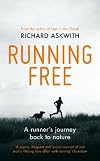
Askwith had reached the point where he had had enough with running. Not the actual act, but the way that the sport had been hijacked by global brands whe were only interested in selling you more expensive pointless kit, the never ending drive to better yourself incrementally and the proliferation of heavily marketed extreme challenges. He wanted to return to what made him love running in the first place. A move to Northampton meant that he had the opportunity to change.
He stopped pounding show more the pavements, set aside his watch and headphones and liberated himself. He found new routes through muddy fields and over the fells, got utterly soaked and mud splattered regularly and frequently got very lost. A chance encounter in a car park ended up with him being chased on a regular basis by bloodhounds, all for fun of course, but mostly he discovered whilst running for the sheer pleasure of it, the delights of wildlife and nature. He has many practical tips for those wishing to avoid the relentless expense and just get back to the simpler art of running, as well as key pointers for rural running.
This is not a book I would have normally selected; preferring two wheels to two legs, but as it was one of the books that had appeared on the Wainwright Prize longlist last year so it has got to be worth reading, right? And it was. Askwith has endless passion for what he now calls running free. For example, rather than run with shoes that cost the earth; he now uses a lightweight shoe, almost glove like and has changed his running style to suit. What really comes across in the book is his discovery of the wildlife and nature as he runs, but not having headphones jammed in his ears, he hears the bird song and water in streams, and even as he runs early in the morning with his dog, Nutmeg, they still come across deer and raptors out early. 3.5 stars overall. Well worth reading, even if the last time you ran anywhere was at school. show less
He stopped pounding show more the pavements, set aside his watch and headphones and liberated himself. He found new routes through muddy fields and over the fells, got utterly soaked and mud splattered regularly and frequently got very lost. A chance encounter in a car park ended up with him being chased on a regular basis by bloodhounds, all for fun of course, but mostly he discovered whilst running for the sheer pleasure of it, the delights of wildlife and nature. He has many practical tips for those wishing to avoid the relentless expense and just get back to the simpler art of running, as well as key pointers for rural running.
This is not a book I would have normally selected; preferring two wheels to two legs, but as it was one of the books that had appeared on the Wainwright Prize longlist last year so it has got to be worth reading, right? And it was. Askwith has endless passion for what he now calls running free. For example, rather than run with shoes that cost the earth; he now uses a lightweight shoe, almost glove like and has changed his running style to suit. What really comes across in the book is his discovery of the wildlife and nature as he runs, but not having headphones jammed in his ears, he hears the bird song and water in streams, and even as he runs early in the morning with his dog, Nutmeg, they still come across deer and raptors out early. 3.5 stars overall. Well worth reading, even if the last time you ran anywhere was at school. show less
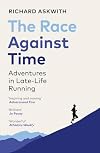
I'm not overly sure why I actively put this book on my wish list given I don't really run anymore, but for some reason I do enjoy reading about other people running, and I thought there might be some general titbits of advice for generally keeping going with exercise as you get older.
The book centres very heavily on the stories of a number of older runners, particularly those running in their 70s, 80s, 90s and 100s. One or two of these stories would probably have been inspiration enough, but show more Askwith uses them to pad out his book a fair bit. However, they were incredible stories to read about, such as the New Yorker Ida Keeling who only started running at 67, tricked into it by her daughter to help lift her from a black depression, and kept running until running her last competitive race at the age of 102.
Inspiring as these stories were, I'd hoped the book would have more in the way of tips to avoid injury, etc. as an older athlete, or ways to adjust your training regime. These are mentioned in passing, and I'm guessing the truth is there isn't any secret sauce out there.
I therefore probably wouldn't go out of my way to recommend this book, as it did become repetitive at times, but there were some good lessons for life for any of us to take away as we age - keep moving, it's never too late to start, and it's never too late to have a go competing, even if you've never competed in sports in your life before.
3.5 stars - interesting enough, but I'd have appreciated less anecdotes and more training advice. show less
The book centres very heavily on the stories of a number of older runners, particularly those running in their 70s, 80s, 90s and 100s. One or two of these stories would probably have been inspiration enough, but show more Askwith uses them to pad out his book a fair bit. However, they were incredible stories to read about, such as the New Yorker Ida Keeling who only started running at 67, tricked into it by her daughter to help lift her from a black depression, and kept running until running her last competitive race at the age of 102.
Inspiring as these stories were, I'd hoped the book would have more in the way of tips to avoid injury, etc. as an older athlete, or ways to adjust your training regime. These are mentioned in passing, and I'm guessing the truth is there isn't any secret sauce out there.
I therefore probably wouldn't go out of my way to recommend this book, as it did become repetitive at times, but there were some good lessons for life for any of us to take away as we age - keep moving, it's never too late to start, and it's never too late to have a go competing, even if you've never competed in sports in your life before.
3.5 stars - interesting enough, but I'd have appreciated less anecdotes and more training advice. show less
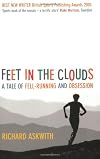
Like one of the many fell runs it describes, 'Feet in the Clouds' starts out slowly. In the middle it's exhilarating. But I feel better now it's over.
Richard Askwith is a fell-runner and his book is a homage to the sport and its heroes written from the middle of the pack, for though he's no slouch he's no contender either. It catalogues a fell-running season, punctuating the year with tales from the long and parochial history of the sport.
It's a history of quiet heroism because fell running show more is a sport that tests the individual to his limits. Distances, gradients, terrain, weather, and remoteness vary from the merely challenging to the extreme and life threatening. Yet the glory and riches that reward round the world boat racers, say, is absent from fell-running. Theirs is a story of passion, commitment and obsession just like any other, but until a film about Joss Naylor, and now 'Feet in the Clouds' it was largely unreported outside valleys in the remoter parts of England, Scotland and Wales.
Mr Askwith's a "Southern Yuppie" adopted into the fell-running family. He lionises its heroes; Joss Naylor, Eddie Campbell, Helene Diamantedes, vividly portraying the mental and physical torment of the fell run. But in his enthusiasm he underplays the privations that underpin it; the training, the exhaustion that can stay with a runner for a lifetime, the crippling injuries, and what it must feel like being the spouse, or child of a dedicated fell runner. This is the story of the winners, not those who fell by the fell side.
He also underplays his own achievement in completing the Bob Graham Round. An arbitrary challenge to climb 42 Lake District peaks separated by 74 miles in 24 hours. Barely more than a thousand people have completed a Bob Graham Round yet he is so in thrall to the greats (the record is just shy of 13 hours) that he describes his victory at the fourth attempt (in 23 and a half hours) apologetically.
It's a shame, because by the latter stages of the book I was flagging. There's only so many times you can read about lost, fog-bound, famished runners, their backsides gouged on sharp Snowdownia scree without anticipating what happens next.
If you've ever pushed yourself to the limit and aren't in a hurry to do it again, this is a painless way to relive the experience. If you're seeking inspiration, you'll find it. But towards the end 'Feet in the Clouds' was, appropriately in a way, relentless. show less
Richard Askwith is a fell-runner and his book is a homage to the sport and its heroes written from the middle of the pack, for though he's no slouch he's no contender either. It catalogues a fell-running season, punctuating the year with tales from the long and parochial history of the sport.
It's a history of quiet heroism because fell running show more is a sport that tests the individual to his limits. Distances, gradients, terrain, weather, and remoteness vary from the merely challenging to the extreme and life threatening. Yet the glory and riches that reward round the world boat racers, say, is absent from fell-running. Theirs is a story of passion, commitment and obsession just like any other, but until a film about Joss Naylor, and now 'Feet in the Clouds' it was largely unreported outside valleys in the remoter parts of England, Scotland and Wales.
Mr Askwith's a "Southern Yuppie" adopted into the fell-running family. He lionises its heroes; Joss Naylor, Eddie Campbell, Helene Diamantedes, vividly portraying the mental and physical torment of the fell run. But in his enthusiasm he underplays the privations that underpin it; the training, the exhaustion that can stay with a runner for a lifetime, the crippling injuries, and what it must feel like being the spouse, or child of a dedicated fell runner. This is the story of the winners, not those who fell by the fell side.
He also underplays his own achievement in completing the Bob Graham Round. An arbitrary challenge to climb 42 Lake District peaks separated by 74 miles in 24 hours. Barely more than a thousand people have completed a Bob Graham Round yet he is so in thrall to the greats (the record is just shy of 13 hours) that he describes his victory at the fourth attempt (in 23 and a half hours) apologetically.
It's a shame, because by the latter stages of the book I was flagging. There's only so many times you can read about lost, fog-bound, famished runners, their backsides gouged on sharp Snowdownia scree without anticipating what happens next.
If you've ever pushed yourself to the limit and aren't in a hurry to do it again, this is a painless way to relive the experience. If you're seeking inspiration, you'll find it. But towards the end 'Feet in the Clouds' was, appropriately in a way, relentless. show less
Fell-running: a very British sport, where the pleasure is in taking part, not necessarily winning. Where the ability to punish yourself, through choice, is one of the motivations. The need to have that stiff upper lip, the hardness of mind over matter and the sheer determination not to yield to almost anything nature can throw at you. These are just some of the attributes fell runners need, and the best bits in this book, which is mostly about the sport and those who have thrived in it, are show more when the author tells about his own experiences of competing against the elements and himself. It is insane. Running in the dark over hills at three in the morning. Running in weather that can, and does, kill the participants. Careening down hills at speeds that mean control is handed to your Maker. Running until you lose voluntary control of your bowels, vomiting all over your shirt and shorts, but running on anyway. Running until you literally drop. Unfortunately, the book is about a hundred pages too long, but is worth a read despite the slog through some chapters. show less
Awards


You May Also Like


Statistics
- Works
- 18
- Members
- 397
- Popularity
- #61,077
- Rating
- 3.8
- Reviews
- 8
- ISBNs
- 49
- Languages
- 2