
Shirley Sterling (1948–2005)
Author of My Name is Seepeetza
Works by Shirley Sterling
Associated Works
This Land : A Cross-Country Anthology of Canadian Fiction for Young Readers (1998) — Contributor — 39 copies, 1 review
Tagged
Common Knowledge
- Canonical name
- Sterling, Shirley
- Legal name
- Seepeetza
- Other names
- Sterling, Shirley Anne
- Birthdate
- 1948
- Date of death
- 2005-04-03
- Gender
- female
- Education
- University of British Columbia
- Occupations
- teacher
writer - Short biography
- A member of Nlakapamux First Nation of the Interior Salish.
- Nationality
- Canada
- Birthplace
- Joeyaska Reserve, Merritt, British Columbia, Canada
- Places of residence
- Kamloops, British Columbia, Canada
Moricetown, British Columbia, Canada
Vancouver, British Columbia, Canada - Place of death
- British Columbia, Canada
- Associated Place (for map)
- British Columbia, Canada
Members
Reviews
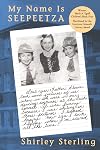
This is a moving account of life in a BC residential school - the story of a First Nations child pulled from her family, and forced to assume a foreign language and culture. Seepeetza, forbidden to use her own name, and instead answering to 'Martha Stone', keeps a journal for one year. This period covers her time in grade 6 at the mandatory boarding school she hates, as well as wonderful holidays at home with her family. It's based the author's personal experience, and there are rich details show more of her life at school and at home, you can nearly taste the food!
This isn't a pleasant story to read, as Seepeetza is miserable at school, and the nuns treat the children dreadfully. Her time at home with her family is so happy, that it hurts to read how she dreads her holidays coming to an end.
I think this would be particularly interesting for people the same age who are growing up in BC, as it is a story that has happened locally, not far away, and it brings a dreadful part of Canada's history to life very vividly.
It was interesting to see the Irish words scattered throughout the story. Terms I usually associate with happy storytelling are used here in malice. show less
This isn't a pleasant story to read, as Seepeetza is miserable at school, and the nuns treat the children dreadfully. Her time at home with her family is so happy, that it hurts to read how she dreads her holidays coming to an end.
I think this would be particularly interesting for people the same age who are growing up in BC, as it is a story that has happened locally, not far away, and it brings a dreadful part of Canada's history to life very vividly.
It was interesting to see the Irish words scattered throughout the story. Terms I usually associate with happy storytelling are used here in malice. show less
Novel, but based on her own experiences at Residential School, in journal format. Feels like a very authentic child voice, telling her own story. Not super heavy in plot, but I don't think it's meant to be. While the stories of Residential school life are heartbreaking, the portrait of the community, the ranch, and the way her family interacts and supports each other is a lovely remembrance of a time past. I really enjoyed it.
There isn't much of a plot here, but the writing is skillfully done. The story is told in the form of twelve-year-old Seepeetza's diary, which she keeps over the course of one year while attending an Indian boarding school in British Columbia in the 1950s. At the time, the law mandated that all Native American children should be sent to their schools, where they were given Anglo names (hers was Martha) and punished if they spoke their native languages. Seepeetza's school, run by nuns, was a show more bleak institution where the children's physical needs were taken care of and they got a decent education, but they were bullied and generally treated harshly by the nuns. But she did get to go home on vacations.
It's hard to write a novel in diary format and keep it realistic. Most writers go overboard and put way too much details in the diary, which moves the story along and lets the reader know what's going on, but you know nobody would write like that in their diary in real life. But Shirley Sterling struck the right balance here: Seepeetza's diary was detailed enough to be interesting, but short enough to pass for a real diary. It sounds like it really could have been written by a twelve-year-old girl. show less
It's hard to write a novel in diary format and keep it realistic. Most writers go overboard and put way too much details in the diary, which moves the story along and lets the reader know what's going on, but you know nobody would write like that in their diary in real life. But Shirley Sterling struck the right balance here: Seepeetza's diary was detailed enough to be interesting, but short enough to pass for a real diary. It sounds like it really could have been written by a twelve-year-old girl. show less
My Name is Seepeetza is the diary of 12 year old girl’s experiences as a sixth grader at the Kalamak (Kamloops) Indian Residential School in British Columbia in 1958. The entries, based on the author’s own experiences at the school, give the reader an idea of what everyday life was like for Indigenous students forced to attend these schools. Diary entries capture the confusion and fear of first being admitted to the school, and the cold, and often cruel, nuns. They detail the taunts of show more fellow students due to her whiter skin, and the indoctrination of Christian theology over the complete denial of her Indigenous culture. The entries also include the times where she is at home on the family’s ranch in BC’s Cariboo region, living with multiple generations of her family, exploring the land and just being a kid.
The entries will provide young readers with examples of how these schools tried to eradicate Indigenous culture. There are also examples of intergenerational trauma as many relations attended the school. Her father, who struggles with alcoholism, speaks six Indigenous languages, but won’t teach her them because he knows she will be punished for speaking them at school as he was.
The entries allude to other abuses but do not go into detail, so it is a good entry point for younger readers to understand residential schools. For adults, and older students, there is Behind Closed Doors, where adult survivors of the same Kamloops Residential School share their legacy of trauma, including physical, sexual and emotional abuse. show less
The entries will provide young readers with examples of how these schools tried to eradicate Indigenous culture. There are also examples of intergenerational trauma as many relations attended the school. Her father, who struggles with alcoholism, speaks six Indigenous languages, but won’t teach her them because he knows she will be punished for speaking them at school as he was.
The entries allude to other abuses but do not go into detail, so it is a good entry point for younger readers to understand residential schools. For adults, and older students, there is Behind Closed Doors, where adult survivors of the same Kamloops Residential School share their legacy of trauma, including physical, sexual and emotional abuse. show less
Lists
Awards

You May Also Like


Associated Authors
Statistics
- Works
- 2
- Also by
- 1
- Members
- 194
- Popularity
- #112,876
- Rating
- 3.6
- Reviews
- 9
- ISBNs
- 12