
Duncan Crary
Author of The KunstlerCast: Conversations with James Howard Kunstler
About the Author
Works by Duncan Crary
Tagged
Common Knowledge
- Canonical name
- Duncan Crary
- Gender
- male
Members
Reviews
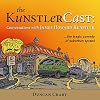
This book provides an excellent overview of James Kunstler and his work, particularly in connecting his earlier work on suburbs and urban planning with his later work on peak oil and impending economic reduction. The interview method works very well here. It's not used here to interrogate Kunstler, but to draw out and organize his thinking in ways that Duncan's listeners (and readers) can easily consume and digest. It's really a very low key and friendly sort of discussion, which I show more personally like because it means that the conversations are relaxed and don't feel forced. You get a real sense of what James is like as a person as well as who he is as a thinker. In general I found myself liking him even when I disagree with him. And I do disagree with him on several main points, though probably not the same points most people disagree with him on. And although I think most everyone will disagree with him on something, he offers a lot of food for thought that should challenge the thinking of anyone who approaches this book. I should also say that Duncan Crary has done a very good job editing this work as well as in conducting the interviews, and I appreciate his work here. show less
 This review was written for LibraryThing Early Reviewers.
The Internet is now the home of much of the intellectual content we make use of every day. This may have all kinds of implications, not all of them good.
In the particular case of podcasting there is a lot of wonderful material out there, particularly the alternative, non-mainstream, non-status quo voices. The KunstlerCast, a weekly offering featuring James Howard Kunstler, an American public intellectual and social critic with a powerful angle on all things suburban, is a terrific example show more of the upside of the Internet.
Almost from the first show we’ve been listening to the KunstlerCast and loving it. The dry humour and conversational enjoyability tops off a tasty demolition job on the American automotive/suburban complex. Each week, host Duncan Crary sets up Jim Kunstler with a topical angle on where the hell life in North America is going with all its consumer culture, the ageing strip malls, its massive energy requirements, car dependence, suburban cul-de-sac houses by the zillion, its completely whacked economics and increasingly questionable popular culture. It’s rarely ever pretty.
Now, there’s a book based on the podcasts. It may help bring the wit and wisdom out to a wider audience and preserve it for the future. Both truly worthy things!
You get eight side-bar loaded chapters culled from the podcasts. There’s also notes and an index and a set of quirky title headers by comic artist Ken Avidor. Exactly the type of thing one could read on a local light rail vehicle, or a Euro-styled high speed train, gawd, even a kinda-medium speed train would do the trick.
The conversational tone and good naturedness of the Kunstlercast and the book often belie the serious nature of the topics at hand. Above all, Kunstler calls for a renewed and closer relationship with reality in America, a country that’s been acting like a demented rock star for decades now, squandering its wealth and talent on decadent insanities like brutalist city halls, starchitecture and megamalls.
This is like talking with friends, intellectual cousins. When I was reading KunstlerCast it felt a bit like David Byrne’s 2009 book Bicycle Diairies wherein the artist riffs on his bike based explorations of some of the world’s major cities. No sooner had this thought occurred to me than I came across a line in which Crary makes a reference to the Talking Heads song Nothing But Flowers.
I don’t know about you but I love little moments of cross connection between ideas and feelings like that. They are kind of like the feeling one gets in the kind of public place that Kunstler and Crary advocate, the healthy, walkable, finely detailed, organic, cohesive, localized and self-respecting communities that have become too hard to find but which we better learn to rediscover. Anybody who remotely cares about where this continent is going or ever wondered if there was something wrong with the way we inhabit our world here needs this book.
I found my way to this book in the interest of understanding suburbia specifically because it is the newest frontier of poverty. This book helped with that and more by aiding my understanding of the "tragic comedy of urban sprawl."
Cheers,
Stephen
http://suburban-poverty.com/ show less
In the particular case of podcasting there is a lot of wonderful material out there, particularly the alternative, non-mainstream, non-status quo voices. The KunstlerCast, a weekly offering featuring James Howard Kunstler, an American public intellectual and social critic with a powerful angle on all things suburban, is a terrific example show more of the upside of the Internet.
Almost from the first show we’ve been listening to the KunstlerCast and loving it. The dry humour and conversational enjoyability tops off a tasty demolition job on the American automotive/suburban complex. Each week, host Duncan Crary sets up Jim Kunstler with a topical angle on where the hell life in North America is going with all its consumer culture, the ageing strip malls, its massive energy requirements, car dependence, suburban cul-de-sac houses by the zillion, its completely whacked economics and increasingly questionable popular culture. It’s rarely ever pretty.
Now, there’s a book based on the podcasts. It may help bring the wit and wisdom out to a wider audience and preserve it for the future. Both truly worthy things!
You get eight side-bar loaded chapters culled from the podcasts. There’s also notes and an index and a set of quirky title headers by comic artist Ken Avidor. Exactly the type of thing one could read on a local light rail vehicle, or a Euro-styled high speed train, gawd, even a kinda-medium speed train would do the trick.
The conversational tone and good naturedness of the Kunstlercast and the book often belie the serious nature of the topics at hand. Above all, Kunstler calls for a renewed and closer relationship with reality in America, a country that’s been acting like a demented rock star for decades now, squandering its wealth and talent on decadent insanities like brutalist city halls, starchitecture and megamalls.
This is like talking with friends, intellectual cousins. When I was reading KunstlerCast it felt a bit like David Byrne’s 2009 book Bicycle Diairies wherein the artist riffs on his bike based explorations of some of the world’s major cities. No sooner had this thought occurred to me than I came across a line in which Crary makes a reference to the Talking Heads song Nothing But Flowers.
I don’t know about you but I love little moments of cross connection between ideas and feelings like that. They are kind of like the feeling one gets in the kind of public place that Kunstler and Crary advocate, the healthy, walkable, finely detailed, organic, cohesive, localized and self-respecting communities that have become too hard to find but which we better learn to rediscover. Anybody who remotely cares about where this continent is going or ever wondered if there was something wrong with the way we inhabit our world here needs this book.
I found my way to this book in the interest of understanding suburbia specifically because it is the newest frontier of poverty. This book helped with that and more by aiding my understanding of the "tragic comedy of urban sprawl."
Cheers,
Stephen
http://suburban-poverty.com/ show less
James Howard Kunstler would like a time machine so that he could travel back to 1946 and warn Americans of the cultural poverty that will be brought about by suburban sprawl. In the present he extorts us to consider what we are doing to the landscape. Duncan Crary, author, friend and confidant of Kunstler has edited several podcasts with Kunstler and put them together in this small and highly readable and often provocative series of discussions. His first and most interesting chapter, "The show more Geography of Nowhere", connects suburban sprawl to obesity where food, especially large amounts of food become the major form of available entertainment. He is clearly at his best when he is thinking and reflecting on the relation of architecture to human development and behavior. He falls somewhat short when considering the evils of tattooing (Although I basically agree with his take here) I was hoping for more on culture in general). However, he is provocative, often quite humorous,full of critique and innovative ideas despite making some fairly dire predictions for our collective future. I will be listening to future podcasts. show less
This review was written for LibraryThing Early Reviewers.The Kunstler Cast--more or less a series of interviews (conversations) conducted by the author Duncan Crary with social critic James Howard Kunstler. To be honest I'd never heard of either before getting the book. It sounded interesting however and it was--and not that I agree all that much with some of Kunstler's opinions but there is still plenty to chew over. In a way I like reading books such as this that challenge your own preconceptions of many of the things you might take for show more granted.
A point of view but Crary does strike me as at least slightly sycophantic. Some of his observations are construable as soft ball pitches that Kunstler can just knock out of the park all day long. Even so--the two of them do make their point that America waking up from its suburban happy/parking lots all over the place/ automobile happy dream/nightmare might in fact be a good thing because IMHO I have nothing against globalism once we take oil/banks and multi-nationals (and all the rest of the exploiters) out of the equation. Kunstler's opinion anyway is that we cannot as a nation sustain the kind of lifestyles that most Americans have grown up with for that much longer and it's hard to argue with that. That he sees a happier, more community oriented society evolving out of the wreckage I suppose we'll just have to wait and see but I think it's very possible.
Some of his social criticisms such as people getting tattoo's, clothing styles etc. I found to be a bit off-putting. Lots of people may be embarrassed looking back at themselves some 20-30 years ago but the trendy stuff comes and gets replaced by other trendy stuff--and gets replaced again and sometimes even retro trendy stuff. Mostly it's a who cares.
Generally the book looks towards the future however and the visions therein seem realistic even if they are going to upset a lot of apple carts. I think it expanded some ideas for me and for that I'm always grateful. show less
A point of view but Crary does strike me as at least slightly sycophantic. Some of his observations are construable as soft ball pitches that Kunstler can just knock out of the park all day long. Even so--the two of them do make their point that America waking up from its suburban happy/parking lots all over the place/ automobile happy dream/nightmare might in fact be a good thing because IMHO I have nothing against globalism once we take oil/banks and multi-nationals (and all the rest of the exploiters) out of the equation. Kunstler's opinion anyway is that we cannot as a nation sustain the kind of lifestyles that most Americans have grown up with for that much longer and it's hard to argue with that. That he sees a happier, more community oriented society evolving out of the wreckage I suppose we'll just have to wait and see but I think it's very possible.
Some of his social criticisms such as people getting tattoo's, clothing styles etc. I found to be a bit off-putting. Lots of people may be embarrassed looking back at themselves some 20-30 years ago but the trendy stuff comes and gets replaced by other trendy stuff--and gets replaced again and sometimes even retro trendy stuff. Mostly it's a who cares.
Generally the book looks towards the future however and the visions therein seem realistic even if they are going to upset a lot of apple carts. I think it expanded some ideas for me and for that I'm always grateful. show less
This review was written for LibraryThing Early Reviewers.Statistics
- Works
- 2
- Members
- 32
- Popularity
- #430,837
- Rating
- 3.6
- Reviews
- 15
- ISBNs
- 2
