
Makiko Itoh
Author of The Just Bento Cookbook: Everyday Lunches to Go
Works by Makiko Itoh
Associated Works
Enchanting Embroidery Designs: Whimsical Animal and Plant Motifs to Stitch (2020) — Translator, some editions — 22 copies
Tagged
Common Knowledge
- Canonical name
- Itoh, Makiko
- Other names
- 伊藤牧子
- Birthdate
- 20th century
- Gender
- female
- Relationships
- Wyss, Max (spouse)
- Nationality
- Japan
- Birthplace
- Tokyo, Tokyo-to, Japan
- Places of residence
- Yokohama, Japan
New York, New York, USA
Zurich, Zurich, Switzerland - Map Location
- Japan
Members
Reviews
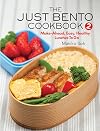
I calculate at the rate of 12 years x 40 weeks x 5 days, that I ate 2400 lunches at school, every one of them prepared by my mother. My superhuman mother had four children, so she made going on for 10000 of these damn (as she may have thought) lunches, on top of working full time and studying almost full time. Every single one had the same components: a sandwich - if it was cheese it was Kraft, that one wrapped in alfoil in a box - fruit, and for morning tea either a simple cake or biscuits show more she made herself. Definitely the highlight. On Mondays, lack of fresh bread meant that they were cold toasted sandwiches, an ugh for we children who critiqued our basic lunchtime fare. At some point she started making them in bulk and freezing them. It didn't seem to make much difference to us, defrosted or fresh. And in the waste not, want not way of the world back then, once she started using gladwrap, we would bring it home, she'd wash it, hang it out on the line and it would get used again. And again.
So for me, the idea of a bento lunch is fantasy world. I love the occasional lunchtime bento restaurant outing as a grownup, but I look at it and think 'all that trouble', 'all that time'. Who can do that? Maybe people like S-L, who makes her own lunch to take to work and introduced me to Makiko Itoh's blog. But my mother? Surely not.
Having said that, the thing that is most striking about Itoh's writings is that they are dominated by the pragmatism of saving time, eliminating trouble. She manages to walk some very fine line between this and maintaining the aesthetics of food that are so important to Japanese culture. Each bento box section addresses the following:
1) the things to save time - so much can be cooked and frozen ahead of time, or prepared and kept in the fridge for a few days
2) the things that need to be done in the morning
3) things that need to be done to ensure eating safety
4) the aesthetics of how to pack the box
She also constantly stresses health considerations, both specific - if you need low salt then....if you need sugar free then.... - and general - variety is the key to healthy eating, the more colours you have on the plate the more balanced and healthy your eating will be.
One of the things that attracted me to the Just Bento blog was that Itoh lives in the French countryside, not so far from me. This lends itself to thinking out of the box (so to speak), being adaptable, using what is available in one's local area. Itoh's pragmatism is seen in her flexibility as to what one can put in a bento box. She isn't constrained by ideas of being true to tradition. She suggests lots of dishes which start off as a dinner dish, with the left-overs becoming part of the bento lunch, and Western dishes find places in her suggested menus. Buy pre-cut and packaged vegetables, tinned fruit - she is not judgemental about these things.
In any case, what is tradition? We see through this book, that the idea of 'bento' in Japan is no fixed, timeless thing. Hence her section on 'Rice Sandwiches', introduced with the comment that
For those overwhelmed by the idea of having to prepare several things, involving lots of ingredients, even if much of it has been done beforehand, there is a section on one-dish bentos, ranging from yakisoba and fried rice, to rather Western ideas like 'Chicken, Chickpea and Swiss Chard'
I don't have an excuse as an adult to even consider going bento, as I've (almost) never worked away from home. However, I use the recipes and ideas for cooking at home, nothing is beautiful, nothing is bento, but it all tastes good. Not surprising since, as mentioned, she suggests using left-overs as part of the bento box menu.
On my first trip to Japan I discovered the most foreign place I'd ever visited. Not least that applied to the cookbooks I'd buy to bring back home. Although they had the comfort of being in English, there any sense of familiarity ended. They were organised in ways I didn't understand. The ingredients were often completely unintelligible and unobtainable, with no idea what one might do as a substitute. I'd come back from my trips to Japan full of enthusiasm, buy a bunch of mysterious things at a Japanese grocer, and before long none of them would have any meaning at all for me.
The Just Bento Cookbook 2, like its predecessor, is quite the opposite of these sometimes challenging experiences. Itoh uses basic ingredients which are obtainable anywhere. As luck would have it I have a couple of excellent Japanese grocery shops close to hand, but most supermarkets these days stock the basics called for here - miso, soy, sesame, mirin, sake, Japanese rice, a couple of vinegars, oyster sauce. There are a few more esoteric ingredients, but nothing that the ideas stand and fall by. It is worth pointing out that she uses the microwave a lot, but as far as I can see, not having one doesn't matter, most things are straightforward to make without.
There is a vast amount packed into the pages of this nicely laid out and organised book, covering a lot of ground. To end with an example, I love the sound of this, 'Miso Soup Balls'.
rest here: https://alittleteaalittlechat.wordpress.com/2018/07/29/the-just-bento-cookbook-2... show less
So for me, the idea of a bento lunch is fantasy world. I love the occasional lunchtime bento restaurant outing as a grownup, but I look at it and think 'all that trouble', 'all that time'. Who can do that? Maybe people like S-L, who makes her own lunch to take to work and introduced me to Makiko Itoh's blog. But my mother? Surely not.
Having said that, the thing that is most striking about Itoh's writings is that they are dominated by the pragmatism of saving time, eliminating trouble. She manages to walk some very fine line between this and maintaining the aesthetics of food that are so important to Japanese culture. Each bento box section addresses the following:
1) the things to save time - so much can be cooked and frozen ahead of time, or prepared and kept in the fridge for a few days
2) the things that need to be done in the morning
3) things that need to be done to ensure eating safety
4) the aesthetics of how to pack the box
She also constantly stresses health considerations, both specific - if you need low salt then....if you need sugar free then.... - and general - variety is the key to healthy eating, the more colours you have on the plate the more balanced and healthy your eating will be.
One of the things that attracted me to the Just Bento blog was that Itoh lives in the French countryside, not so far from me. This lends itself to thinking out of the box (so to speak), being adaptable, using what is available in one's local area. Itoh's pragmatism is seen in her flexibility as to what one can put in a bento box. She isn't constrained by ideas of being true to tradition. She suggests lots of dishes which start off as a dinner dish, with the left-overs becoming part of the bento lunch, and Western dishes find places in her suggested menus. Buy pre-cut and packaged vegetables, tinned fruit - she is not judgemental about these things.
In any case, what is tradition? We see through this book, that the idea of 'bento' in Japan is no fixed, timeless thing. Hence her section on 'Rice Sandwiches', introduced with the comment that
A recent bento revolution in Japan is the rice sandwich, known as an onigirazu, meaning 'not pressed (into a ball),' a play on words on the traditional onigiri rice ball. The advantage of a rice sandwich over a rice ball is that you can vary the fillings a lot more, and put in a lot more filling too, making a satisfying lunch.
For those overwhelmed by the idea of having to prepare several things, involving lots of ingredients, even if much of it has been done beforehand, there is a section on one-dish bentos, ranging from yakisoba and fried rice, to rather Western ideas like 'Chicken, Chickpea and Swiss Chard'
I don't have an excuse as an adult to even consider going bento, as I've (almost) never worked away from home. However, I use the recipes and ideas for cooking at home, nothing is beautiful, nothing is bento, but it all tastes good. Not surprising since, as mentioned, she suggests using left-overs as part of the bento box menu.
On my first trip to Japan I discovered the most foreign place I'd ever visited. Not least that applied to the cookbooks I'd buy to bring back home. Although they had the comfort of being in English, there any sense of familiarity ended. They were organised in ways I didn't understand. The ingredients were often completely unintelligible and unobtainable, with no idea what one might do as a substitute. I'd come back from my trips to Japan full of enthusiasm, buy a bunch of mysterious things at a Japanese grocer, and before long none of them would have any meaning at all for me.
The Just Bento Cookbook 2, like its predecessor, is quite the opposite of these sometimes challenging experiences. Itoh uses basic ingredients which are obtainable anywhere. As luck would have it I have a couple of excellent Japanese grocery shops close to hand, but most supermarkets these days stock the basics called for here - miso, soy, sesame, mirin, sake, Japanese rice, a couple of vinegars, oyster sauce. There are a few more esoteric ingredients, but nothing that the ideas stand and fall by. It is worth pointing out that she uses the microwave a lot, but as far as I can see, not having one doesn't matter, most things are straightforward to make without.
There is a vast amount packed into the pages of this nicely laid out and organised book, covering a lot of ground. To end with an example, I love the sound of this, 'Miso Soup Balls'.
rest here: https://alittleteaalittlechat.wordpress.com/2018/07/29/the-just-bento-cookbook-2... show less
I calculate at the rate of 12 years x 40 weeks x 5 days, that I ate 2400 lunches at school, every one of them prepared by my mother. My superhuman mother had four children, so she made going on for 10000 of these damn (as she may have thought) lunches, on top of working full time and studying almost full time. Every single one had the same components: a sandwich - if it was cheese it was Kraft, that one wrapped in alfoil in a box - fruit, and for morning tea either a simple cake or biscuits show more she made herself. Definitely the highlight. On Mondays, lack of fresh bread meant that they were cold toasted sandwiches, an ugh for we children who critiqued our basic lunchtime fare. At some point she started making them in bulk and freezing them. It didn't seem to make much difference to us, defrosted or fresh. And in the waste not, want not way of the world back then, once she started using gladwrap, we would bring it home, she'd wash it, hang it out on the line and it would get used again. And again.
So for me, the idea of a bento lunch is fantasy world. I love the occasional lunchtime bento restaurant outing as a grownup, but I look at it and think 'all that trouble', 'all that time'. Who can do that? Maybe people like S-L, who makes her own lunch to take to work and introduced me to Makiko Itoh's blog. But my mother? Surely not.
Having said that, the thing that is most striking about Itoh's writings is that they are dominated by the pragmatism of saving time, eliminating trouble. She manages to walk some very fine line between this and maintaining the aesthetics of food that are so important to Japanese culture. Each bento box section addresses the following:
1) the things to save time - so much can be cooked and frozen ahead of time, or prepared and kept in the fridge for a few days
2) the things that need to be done in the morning
3) things that need to be done to ensure eating safety
4) the aesthetics of how to pack the box
She also constantly stresses health considerations, both specific - if you need low salt then....if you need sugar free then.... - and general - variety is the key to healthy eating, the more colours you have on the plate the more balanced and healthy your eating will be.
One of the things that attracted me to the Just Bento blog was that Itoh lives in the French countryside, not so far from me. This lends itself to thinking out of the box (so to speak), being adaptable, using what is available in one's local area. Itoh's pragmatism is seen in her flexibility as to what one can put in a bento box. She isn't constrained by ideas of being true to tradition. She suggests lots of dishes which start off as a dinner dish, with the left-overs becoming part of the bento lunch, and Western dishes find places in her suggested menus. Buy pre-cut and packaged vegetables, tinned fruit - she is not judgemental about these things.
In any case, what is tradition? We see through this book, that the idea of 'bento' in Japan is no fixed, timeless thing. Hence her section on 'Rice Sandwiches', introduced with the comment that
For those overwhelmed by the idea of having to prepare several things, involving lots of ingredients, even if much of it has been done beforehand, there is a section on one-dish bentos, ranging from yakisoba and fried rice, to rather Western ideas like 'Chicken, Chickpea and Swiss Chard'
I don't have an excuse as an adult to even consider going bento, as I've (almost) never worked away from home. However, I use the recipes and ideas for cooking at home, nothing is beautiful, nothing is bento, but it all tastes good. Not surprising since, as mentioned, she suggests using left-overs as part of the bento box menu.
On my first trip to Japan I discovered the most foreign place I'd ever visited. Not least that applied to the cookbooks I'd buy to bring back home. Although they had the comfort of being in English, there any sense of familiarity ended. They were organised in ways I didn't understand. The ingredients were often completely unintelligible and unobtainable, with no idea what one might do as a substitute. I'd come back from my trips to Japan full of enthusiasm, buy a bunch of mysterious things at a Japanese grocer, and before long none of them would have any meaning at all for me.
The Just Bento Cookbook 2, like its predecessor, is quite the opposite of these sometimes challenging experiences. Itoh uses basic ingredients which are obtainable anywhere. As luck would have it I have a couple of excellent Japanese grocery shops close to hand, but most supermarkets these days stock the basics called for here - miso, soy, sesame, mirin, sake, Japanese rice, a couple of vinegars, oyster sauce. There are a few more esoteric ingredients, but nothing that the ideas stand and fall by. It is worth pointing out that she uses the microwave a lot, but as far as I can see, not having one doesn't matter, most things are straightforward to make without.
There is a vast amount packed into the pages of this nicely laid out and organised book, covering a lot of ground. To end with an example, I love the sound of this, 'Miso Soup Balls'.
rest here: https://alittleteaalittlechat.wordpress.com/2018/07/29/the-just-bento-cookbook-2... show less
So for me, the idea of a bento lunch is fantasy world. I love the occasional lunchtime bento restaurant outing as a grownup, but I look at it and think 'all that trouble', 'all that time'. Who can do that? Maybe people like S-L, who makes her own lunch to take to work and introduced me to Makiko Itoh's blog. But my mother? Surely not.
Having said that, the thing that is most striking about Itoh's writings is that they are dominated by the pragmatism of saving time, eliminating trouble. She manages to walk some very fine line between this and maintaining the aesthetics of food that are so important to Japanese culture. Each bento box section addresses the following:
1) the things to save time - so much can be cooked and frozen ahead of time, or prepared and kept in the fridge for a few days
2) the things that need to be done in the morning
3) things that need to be done to ensure eating safety
4) the aesthetics of how to pack the box
She also constantly stresses health considerations, both specific - if you need low salt then....if you need sugar free then.... - and general - variety is the key to healthy eating, the more colours you have on the plate the more balanced and healthy your eating will be.
One of the things that attracted me to the Just Bento blog was that Itoh lives in the French countryside, not so far from me. This lends itself to thinking out of the box (so to speak), being adaptable, using what is available in one's local area. Itoh's pragmatism is seen in her flexibility as to what one can put in a bento box. She isn't constrained by ideas of being true to tradition. She suggests lots of dishes which start off as a dinner dish, with the left-overs becoming part of the bento lunch, and Western dishes find places in her suggested menus. Buy pre-cut and packaged vegetables, tinned fruit - she is not judgemental about these things.
In any case, what is tradition? We see through this book, that the idea of 'bento' in Japan is no fixed, timeless thing. Hence her section on 'Rice Sandwiches', introduced with the comment that
A recent bento revolution in Japan is the rice sandwich, known as an onigirazu, meaning 'not pressed (into a ball),' a play on words on the traditional onigiri rice ball. The advantage of a rice sandwich over a rice ball is that you can vary the fillings a lot more, and put in a lot more filling too, making a satisfying lunch.
For those overwhelmed by the idea of having to prepare several things, involving lots of ingredients, even if much of it has been done beforehand, there is a section on one-dish bentos, ranging from yakisoba and fried rice, to rather Western ideas like 'Chicken, Chickpea and Swiss Chard'
I don't have an excuse as an adult to even consider going bento, as I've (almost) never worked away from home. However, I use the recipes and ideas for cooking at home, nothing is beautiful, nothing is bento, but it all tastes good. Not surprising since, as mentioned, she suggests using left-overs as part of the bento box menu.
On my first trip to Japan I discovered the most foreign place I'd ever visited. Not least that applied to the cookbooks I'd buy to bring back home. Although they had the comfort of being in English, there any sense of familiarity ended. They were organised in ways I didn't understand. The ingredients were often completely unintelligible and unobtainable, with no idea what one might do as a substitute. I'd come back from my trips to Japan full of enthusiasm, buy a bunch of mysterious things at a Japanese grocer, and before long none of them would have any meaning at all for me.
The Just Bento Cookbook 2, like its predecessor, is quite the opposite of these sometimes challenging experiences. Itoh uses basic ingredients which are obtainable anywhere. As luck would have it I have a couple of excellent Japanese grocery shops close to hand, but most supermarkets these days stock the basics called for here - miso, soy, sesame, mirin, sake, Japanese rice, a couple of vinegars, oyster sauce. There are a few more esoteric ingredients, but nothing that the ideas stand and fall by. It is worth pointing out that she uses the microwave a lot, but as far as I can see, not having one doesn't matter, most things are straightforward to make without.
There is a vast amount packed into the pages of this nicely laid out and organised book, covering a lot of ground. To end with an example, I love the sound of this, 'Miso Soup Balls'.
rest here: https://alittleteaalittlechat.wordpress.com/2018/07/29/the-just-bento-cookbook-2... show less

Description: Bento fever has recently swept across the West, fuelled not just by an interest in cute, decorative food, but by the desire for an economical, healthy approach to eating in these times of recession. A leading light in the popularization of bento has been Makiko Itoh, whose blog, Just Bento, has nearly 160,000 subscribers in the U.S. alone, all of whom love her delicious recipes and practical bento-making tips.
Now, for the first time, Itoh's expertise has been packaged in book show more form. The Just Bento Cookbook contains 25 attractive bento menus and more than 150 recipes, all of which have been specially created for this book and are divided into two main sections, Japanese and Not-so-Japanese. The Japanese section includes classic bento menus such as Salted Salmon Bento and Chicken Karaage Bento, while the Not-so-Japanese section shows how Western food can be adapted to the bento concept, with delicious menus such as Summer Vegetable Gratin Bento and Everyone Loves a Pie Bento.
In addition to the recipes, Itoh includes sections on bento-making equipment, bento staples to make and stock, basic cooking techniques, and a glossary. A planning-chart section is included, showing readers how they might organize their weekly bento making.
In a market full of bento books that emphasize the cute and the decorative, this book stands out for its emphasis on the health and economic benefits of the bento, and for the very practical guidelines on how to ensure that a daily bento lunch is something that can easily be incorporated into anyone's lifestyle. This is the perfect book for the bento beginner, but will also provide a wealth of new bento recipe ideas and tips for Just Bento aficionados.
Thoughts: Going back to working outside of my home has presented several challenges, not the least of which has been the food issue. My food rules for myself are pretty specific and I'm not typically inclined to break them for reasons as wimpy as convenience. That said, the first few weeks of work found me struggling to make lunches work, whether that meant taking something hastily made in with me or hunting around town for something I wouldn't regret eating. It was not fun.
I decided to carry my lunch most days, but my ideas for healthy, appetizing, office friendly lunches were really few. So, I started scouring Amazon and the internet for cookbooks and ideas. I was aware of bento and tiffin, but I didn't really know how to execute it for myself. That's when I found The Just Bento Cookbook.
Since I just received this today, I can't comment on whether the recipes are any good yet. What I can say is that this is a GREAT introduction to bento style packed lunches. It's about 1/2 Japanese styled bentos and 1/2 American (including sandwiches, salads, soups, even homemade chicken nuggets) and International (such as Mediterranian, meat pies, and even curry) styles. The recipes are laid out basically as meal plans: all include veg, protein, and carbs (usually rice), and often also have fruit or other snacks.
Here's an example of how things are arranged:
Mini-hamburger Bento
Contents:
Mini-hamburgers
red onion and parsley salad
blanched snow peas
white rice with sesame salt
fruit
carrot and cheese flowers (a tasty garnish because eating with your eyes is important in Japanese cooking)
The section includes all the recipes you need, a FANTASTIC timeline to help you get your lunch done super efficiently and quickly in the morning, ideas for ways you can prepare some things ahead of time, and several recipe variations, including: nori-wrapped mini-hamburgers, spicy pork mini-burgers, bacon- wrapped mini-burgers, tuna mini-burgers, fresh salmon mini-burgers, and vegan black-bean mini-burgers. That's AWESOME! Go check the preview on Amazon to see the layout in action (page 15).
Also AWESOME are the many tips on how to make things you might think you needed to buy at home instead. A great example of this is a recipe for salted salmon, which sounds ridiculously easy and will save a lot of money.
Basically, I am thrilled with this bento cookbook and can't wait to try some recipes out. My conscience, wallet, and tummy will thank me for picking this up.
http://www.librarything.com/topic/138183#3530033 show less
Now, for the first time, Itoh's expertise has been packaged in book show more form. The Just Bento Cookbook contains 25 attractive bento menus and more than 150 recipes, all of which have been specially created for this book and are divided into two main sections, Japanese and Not-so-Japanese. The Japanese section includes classic bento menus such as Salted Salmon Bento and Chicken Karaage Bento, while the Not-so-Japanese section shows how Western food can be adapted to the bento concept, with delicious menus such as Summer Vegetable Gratin Bento and Everyone Loves a Pie Bento.
In addition to the recipes, Itoh includes sections on bento-making equipment, bento staples to make and stock, basic cooking techniques, and a glossary. A planning-chart section is included, showing readers how they might organize their weekly bento making.
In a market full of bento books that emphasize the cute and the decorative, this book stands out for its emphasis on the health and economic benefits of the bento, and for the very practical guidelines on how to ensure that a daily bento lunch is something that can easily be incorporated into anyone's lifestyle. This is the perfect book for the bento beginner, but will also provide a wealth of new bento recipe ideas and tips for Just Bento aficionados.
Thoughts: Going back to working outside of my home has presented several challenges, not the least of which has been the food issue. My food rules for myself are pretty specific and I'm not typically inclined to break them for reasons as wimpy as convenience. That said, the first few weeks of work found me struggling to make lunches work, whether that meant taking something hastily made in with me or hunting around town for something I wouldn't regret eating. It was not fun.
I decided to carry my lunch most days, but my ideas for healthy, appetizing, office friendly lunches were really few. So, I started scouring Amazon and the internet for cookbooks and ideas. I was aware of bento and tiffin, but I didn't really know how to execute it for myself. That's when I found The Just Bento Cookbook.
Since I just received this today, I can't comment on whether the recipes are any good yet. What I can say is that this is a GREAT introduction to bento style packed lunches. It's about 1/2 Japanese styled bentos and 1/2 American (including sandwiches, salads, soups, even homemade chicken nuggets) and International (such as Mediterranian, meat pies, and even curry) styles. The recipes are laid out basically as meal plans: all include veg, protein, and carbs (usually rice), and often also have fruit or other snacks.
Here's an example of how things are arranged:
Mini-hamburger Bento
Contents:
Mini-hamburgers
red onion and parsley salad
blanched snow peas
white rice with sesame salt
fruit
carrot and cheese flowers (a tasty garnish because eating with your eyes is important in Japanese cooking)
The section includes all the recipes you need, a FANTASTIC timeline to help you get your lunch done super efficiently and quickly in the morning, ideas for ways you can prepare some things ahead of time, and several recipe variations, including: nori-wrapped mini-hamburgers, spicy pork mini-burgers, bacon- wrapped mini-burgers, tuna mini-burgers, fresh salmon mini-burgers, and vegan black-bean mini-burgers. That's AWESOME! Go check the preview on Amazon to see the layout in action (page 15).
Also AWESOME are the many tips on how to make things you might think you needed to buy at home instead. A great example of this is a recipe for salted salmon, which sounds ridiculously easy and will save a lot of money.
Basically, I am thrilled with this bento cookbook and can't wait to try some recipes out. My conscience, wallet, and tummy will thank me for picking this up.
http://www.librarything.com/topic/138183#3530033 show less
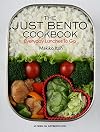
Concise review of supplies, ingredients, and methods of cooking and creating a variety of (relatively) healthy bento lunches; each style of bento often lists several alternative versions with multiple takes on donburi, sukiyaki, teriyaki, etc. Making onigiri, dumplings, tamagoyaki, fast "pickled" veggies, kinpira, and other common Japanese style foods are covered in an off-hand natural manner as well. You come away with a good grasp on how to shop for, plan, schedule, and improvise these show more meals.
A few of the recipes were unappealing to me (e.g. ham wrapped cream cheese with a few slices of green beans/carrots; lots of meat or tofu "nuggets"), and the author seems more inclined to use a microwave, frozen vegetables, or other shortcuts than I would prefer...
But overall the book is worth perusing especially if you are unfamiliar with Japanese food or simply want to step up your brown bagging. show less
A few of the recipes were unappealing to me (e.g. ham wrapped cream cheese with a few slices of green beans/carrots; lots of meat or tofu "nuggets"), and the author seems more inclined to use a microwave, frozen vegetables, or other shortcuts than I would prefer...
But overall the book is worth perusing especially if you are unfamiliar with Japanese food or simply want to step up your brown bagging. show less
Awards

You May Also Like


Statistics
- Works
- 4
- Also by
- 1
- Members
- 539
- Popularity
- #46,219
- Rating
- 3.9
- Reviews
- 7
- ISBNs
- 12
- Languages
- 1