
Heather Anastasiu
Author of Glitch
Series
Works by Heather Anastasiu
Tagged
Common Knowledge
- Gender
- female
- Places of residence
- Texas, USA
Minneapolis, Minnesota, USA - Associated Place (for map)
- USA
Members
Reviews
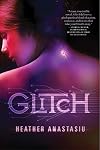
Originally reviewed on A Reader of Fictions.
Going into this, I had already seen the negative reviews rolling in from trusted sources. I am really grateful for that, because, had I not known, I'm pretty sure this would have been an even worse reading experience for me. Since I knew not to expect anything at all, I was better able to appreciate the few things that entertained me.
The society set up in Glitch is, at least, dystopian, not just marketed as such, so that is good. It is not, show more however, particularly original, feeling from before the first page like so many others. In a little section before you begin the book itself, it says that secrets "started the wars and almost destroyed the planet. Secrets and lies and destructive passions. But we were saved from all that. We were logical. Orderly." This pretty much sets the tone for Glitch. I feel like a quarter at least of the dystopias I read are built around this basic premise: X causes terrible wars, so we have eliminated X with this drug/technology/whatever.
The very first issue I encountered as I began to read Glitch was the awkwardness of the first person storytelling for this kind of tale. Zoel is glitching, meaning that her connection to the Link intermittently crashes. During these times, she can think for herself and feel emotions and see colors. Ordinarily, she is completely logical, which apparently also means zoned out and zombiefied. Anyway, moving past that, I could not deal with narration that would tell me the Link had just reasserted control and she was no longer capable of thinking, followed by numerous emotion-fraught thoughts. Anastasiu never successfully made the Link sound like it was working on Zoe.
The next problem I noticed was Zoe. She is one of those heroines that is eternally surprised by everything. She has no survival skills. Like none. She does whatever people tell her to do, except when her telekinesis kicks in and does things FOR her. She spots Adrien following her everywhere and is all like, hey, that's vaguely creepy. Then, she gets taken by some official to a room where he generally is horrifying. Adrien breaks in and takes out the official and drags her up above ground, even though she doesn't know him and he won't answer any damn questions. Girl, don't even.
Heather Anastasiu decided to create new swear words for this future: "shuntin'," "crackin'" and "godlam'd." Certainly, swear words do often change with time (as some words used in my parents' day, for example, have lost impact or ceased use), so I totally get why she did this. However, they didn't come off as authentically belonging to these characters or this world: they read like obvious substitutions for the words we use now and made me immediately dislike Adrien, the one who said them all the time. Most irritating to me was godlam'd, which seems to exist solely to make it clear that it means goddamned. I mean, what would the longer word be if you reinserted the part now replaced by the apostrophe? Godlambed? Godlaminated? Godlamaaed? I can't think of anything that would make any sort of sense. Also, would a logical, emotionless society really still cling to religion enough to use an epithet built around God? These words might have worked better had there been any other changes between our modern terms and theirs, because they would not have stood out as much. The only other original word I noticed: "gnangy."
Yet again, I was disappointed to be reading a dystopia where the good guys and the bad guys are precisely who you think they are from the outset. Seriously, why is this the case with so many dystopias? Haven't you heard of twists? Or shades of grey? (Note: not 50 Shades of Grey)
At this juncture, the review is going to be entering spoiler territory, so continue at your own discretion.
Now, I have to talk about the 'romance' in this book. We have both instalove and a creepy stalker/rapist. Awesome, right? The instalove bothered me, but really pales in comparison to the other issue. Still, let's start there. Adrien has been crushing on Zoe ever since he saw her in his visions of the future. He takes her to his mom's house after breaking her out of school, where they make out and declare undying devotion to one another. Then they have to wipe her memory so she can return safely to school.
Up to this point, I wasn't in love with the book, but it was steaming along at a fairly respectable 2.5. The book had issues, boring and uninspired, but meh. Then things happen. It gets so much worse.
Back at school, with no memory of Adrien, Max, who Zoe tutors, requests additional study sessions at his house. Conveniently, parents work until ten PM, giving them lots of alone time in his bedroom. Max promptly confesses that he glitches too, can look like any other person, and that he wants to see her genitals (no joke...this scene was mad awkward). Teen boy new emotions seeing porn by accident = ATTEMPTED RAPIST. He proceeds to force many make out sessions on Zoe, and she lets him even though she's not enjoying them, because, obviously, it's nice to let boys do things with you, unless you're COMPLETELY sure you like some other boy better. Only then should you stop them. (Note: FALSE)
When Adrien comes back into the picture, Max begins to get insanely jealous, which means more forced kisses, some grabbing and lots of yelling. Finally, Zoe figures out that she's in OMG TRU LURV with Adrien. Note that all of this takes place with lots of sneaking into bedrooms, despite this being against the rules, surveillance and Regulators everywhere. Max sees them kissing and reacts in precisely the way you would expect: shoving her up against the wall, forcing a kiss on her again, and saying she WILL BE WITH HIM SOMEDAY.
All of this happens, plus Zoe finds out that Max was spying for the enemy. Still, SHE DOESN'T HATE MAX AND WANTS TO BE FRIENDS. Even Pinkie Pie would not want to be friends at this juncture. Honestly, I feel like I have a better understanding for Max's character than I do Zoe's. I mean, he at least has a reason for behaving the way he does. Her actions make no sense. She has no motivations. AAAAAGHHHH.
Summing up, Glitch is as filled with glitches as the heroine. I suspect some people will like it, but most will be disgusted by the lack of personality in the heroine as well as the lackluster plotting and writing. show less
Going into this, I had already seen the negative reviews rolling in from trusted sources. I am really grateful for that, because, had I not known, I'm pretty sure this would have been an even worse reading experience for me. Since I knew not to expect anything at all, I was better able to appreciate the few things that entertained me.
The society set up in Glitch is, at least, dystopian, not just marketed as such, so that is good. It is not, show more however, particularly original, feeling from before the first page like so many others. In a little section before you begin the book itself, it says that secrets "started the wars and almost destroyed the planet. Secrets and lies and destructive passions. But we were saved from all that. We were logical. Orderly." This pretty much sets the tone for Glitch. I feel like a quarter at least of the dystopias I read are built around this basic premise: X causes terrible wars, so we have eliminated X with this drug/technology/whatever.
The very first issue I encountered as I began to read Glitch was the awkwardness of the first person storytelling for this kind of tale. Zoel is glitching, meaning that her connection to the Link intermittently crashes. During these times, she can think for herself and feel emotions and see colors. Ordinarily, she is completely logical, which apparently also means zoned out and zombiefied. Anyway, moving past that, I could not deal with narration that would tell me the Link had just reasserted control and she was no longer capable of thinking, followed by numerous emotion-fraught thoughts. Anastasiu never successfully made the Link sound like it was working on Zoe.
The next problem I noticed was Zoe. She is one of those heroines that is eternally surprised by everything. She has no survival skills. Like none. She does whatever people tell her to do, except when her telekinesis kicks in and does things FOR her. She spots Adrien following her everywhere and is all like, hey, that's vaguely creepy. Then, she gets taken by some official to a room where he generally is horrifying. Adrien breaks in and takes out the official and drags her up above ground, even though she doesn't know him and he won't answer any damn questions. Girl, don't even.
Heather Anastasiu decided to create new swear words for this future: "shuntin'," "crackin'" and "godlam'd." Certainly, swear words do often change with time (as some words used in my parents' day, for example, have lost impact or ceased use), so I totally get why she did this. However, they didn't come off as authentically belonging to these characters or this world: they read like obvious substitutions for the words we use now and made me immediately dislike Adrien, the one who said them all the time. Most irritating to me was godlam'd, which seems to exist solely to make it clear that it means goddamned. I mean, what would the longer word be if you reinserted the part now replaced by the apostrophe? Godlambed? Godlaminated? Godlamaaed? I can't think of anything that would make any sort of sense. Also, would a logical, emotionless society really still cling to religion enough to use an epithet built around God? These words might have worked better had there been any other changes between our modern terms and theirs, because they would not have stood out as much. The only other original word I noticed: "gnangy."
Yet again, I was disappointed to be reading a dystopia where the good guys and the bad guys are precisely who you think they are from the outset. Seriously, why is this the case with so many dystopias? Haven't you heard of twists? Or shades of grey? (Note: not 50 Shades of Grey)
At this juncture, the review is going to be entering spoiler territory, so continue at your own discretion.
Now, I have to talk about the 'romance' in this book. We have both instalove and a creepy stalker/rapist. Awesome, right? The instalove bothered me, but really pales in comparison to the other issue. Still, let's start there. Adrien has been crushing on Zoe ever since he saw her in his visions of the future. He takes her to his mom's house after breaking her out of school, where they make out and declare undying devotion to one another. Then they have to wipe her memory so she can return safely to school.
Up to this point, I wasn't in love with the book, but it was steaming along at a fairly respectable 2.5. The book had issues, boring and uninspired, but meh. Then things happen. It gets so much worse.
Back at school, with no memory of Adrien, Max, who Zoe tutors, requests additional study sessions at his house. Conveniently, parents work until ten PM, giving them lots of alone time in his bedroom. Max promptly confesses that he glitches too, can look like any other person, and that he wants to see her genitals (no joke...this scene was mad awkward). Teen boy new emotions seeing porn by accident = ATTEMPTED RAPIST. He proceeds to force many make out sessions on Zoe, and she lets him even though she's not enjoying them, because, obviously, it's nice to let boys do things with you, unless you're COMPLETELY sure you like some other boy better. Only then should you stop them. (Note: FALSE)
When Adrien comes back into the picture, Max begins to get insanely jealous, which means more forced kisses, some grabbing and lots of yelling. Finally, Zoe figures out that she's in OMG TRU LURV with Adrien. Note that all of this takes place with lots of sneaking into bedrooms, despite this being against the rules, surveillance and Regulators everywhere. Max sees them kissing and reacts in precisely the way you would expect: shoving her up against the wall, forcing a kiss on her again, and saying she WILL BE WITH HIM SOMEDAY.
All of this happens, plus Zoe finds out that Max was spying for the enemy. Still, SHE DOESN'T HATE MAX AND WANTS TO BE FRIENDS. Even Pinkie Pie would not want to be friends at this juncture. Honestly, I feel like I have a better understanding for Max's character than I do Zoe's. I mean, he at least has a reason for behaving the way he does. Her actions make no sense. She has no motivations. AAAAAGHHHH.
Summing up, Glitch is as filled with glitches as the heroine. I suspect some people will like it, but most will be disgusted by the lack of personality in the heroine as well as the lackluster plotting and writing. show less
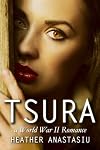
This is definitely an emotional ride. Tsura is such a passionate, heart-on-sleeve, and vibrant personality that the reader can’t help but be drawn into her journey. We feel her every soar of passion and romance, all her betrayals, her sorrows, and her struggle to survive. It’s an out-of-control train ride all the way up to the end, ratcheting up the emotional tension with each turn of the page.
At first, I wasn’t that impressed with Tsura. The actions she took in the beginning of the show more novel struck me the wrong way. Anybody willing to risk the life of those hiding them for a quickie against the outside wall of the house reads as selfish and ungrateful to me.
Yet, once she’s married and in Bucharest, away from Andrei really, I started to like her more and more. She grew as a character, maturing as the war and time progressed. She started to see that not everything is in shades of black or white and that the world is a crueler place than her dreams of married bliss with Andrei. Sometimes she would back slide into two-dimensional snap judgments and immature thought patterns, but those lessened in frequency as the book progressed.
I found the setting different from your usual WWII story. Nazi ally Romania isn’t an often written about spot. Seeing how they oppressed and persecuted their Jewish population, propagating huge pogroms like the Iasi pogrom and deporting to Transnistria yet refusing to give their Jews to the Nazis to send to the death camps was an interesting point. I also liked exploring the small resistance movement in Romania through Mihai’s and Tsura’s forging and spying activities.
I do have to say, though, that I ended the book ticked off rather than satisfied. It wasn’t a cliffhanger exactly; the reader isn’t left wondering if Tsura will survive a predicament or if Mihai will escape a situation.
However, there’s such a huge uptick in the emotional tension that builds and builds up to the very end with absolutely no resolution to come down from it. The emotions are of the gut-wrenching, soul-searing, heart-breaking variety. I was to the point of screaming at my Kindle with tears streaming down my cheeks.
And then suddenly: The End. Wait! What?!?!!? That was my reaction. The ending almost felt like emotional blackmail to get you to go get the second book right away. It worked on this reader; I’ve already gotten book two on my Kindle and have started it (thank God for Kindle Unlimited!). But that lack of any emotional resolution whatsoever really kills this book’s final impressions.
Great characters, emotional resonance that are off the charts, and an intriguing setting/timeframe of WWII make this an interesting read. Only the ending kills it; hopefully book two will end differently and give me a better impression of this duology. I’d recommend the book to lovers of romances and character studies in WWII; just have that second book prepared for instant reading and pretend that they’re all one book. Do that and I don’t think the abrupt ending will have as much power. show less
At first, I wasn’t that impressed with Tsura. The actions she took in the beginning of the show more novel struck me the wrong way. Anybody willing to risk the life of those hiding them for a quickie against the outside wall of the house reads as selfish and ungrateful to me.
Yet, once she’s married and in Bucharest, away from Andrei really, I started to like her more and more. She grew as a character, maturing as the war and time progressed. She started to see that not everything is in shades of black or white and that the world is a crueler place than her dreams of married bliss with Andrei. Sometimes she would back slide into two-dimensional snap judgments and immature thought patterns, but those lessened in frequency as the book progressed.
I found the setting different from your usual WWII story. Nazi ally Romania isn’t an often written about spot. Seeing how they oppressed and persecuted their Jewish population, propagating huge pogroms like the Iasi pogrom and deporting to Transnistria yet refusing to give their Jews to the Nazis to send to the death camps was an interesting point. I also liked exploring the small resistance movement in Romania through Mihai’s and Tsura’s forging and spying activities.
I do have to say, though, that I ended the book ticked off rather than satisfied. It wasn’t a cliffhanger exactly; the reader isn’t left wondering if Tsura will survive a predicament or if Mihai will escape a situation.
However, there’s such a huge uptick in the emotional tension that builds and builds up to the very end with absolutely no resolution to come down from it. The emotions are of the gut-wrenching, soul-searing, heart-breaking variety. I was to the point of screaming at my Kindle with tears streaming down my cheeks.
And then suddenly: The End. Wait! What?!?!!? That was my reaction. The ending almost felt like emotional blackmail to get you to go get the second book right away. It worked on this reader; I’ve already gotten book two on my Kindle and have started it (thank God for Kindle Unlimited!). But that lack of any emotional resolution whatsoever really kills this book’s final impressions.
Great characters, emotional resonance that are off the charts, and an intriguing setting/timeframe of WWII make this an interesting read. Only the ending kills it; hopefully book two will end differently and give me a better impression of this duology. I’d recommend the book to lovers of romances and character studies in WWII; just have that second book prepared for instant reading and pretend that they’re all one book. Do that and I don’t think the abrupt ending will have as much power. show less
This review appears on my blog, Starting the Next Chapter.
I'm not even sure where to start with this review. Glitch left me a confused, frustrated mess as I did my best to finish the entire book. I did so, but upon finishing I realized that very few things struck me as enjoyable. Some of the quirks and occurrences gave me much pause and I debated whether or not I wanted to continue. So much was uncomfortable to read and I couldn't help but wonder why such a thing would be included, show more especially since the main character never really realized the severity of the situation. She didn't seem to learn from it, so why? I still don't know the answer to that question, but perhaps someone with different insight than me can share their opinion with me.
I was not at all impressed with the main character, Zoe. She just rubbed me the wrong way from the beginning. If she's not freaking out about the spores found above ground, she's allowing herself to be treated like a possession by her wannabe boyfriend, Max. He practically marked his "territory" and acted like a huge horse's behind. I know Zoe is inexperienced in real human emotion, but you would think such behavior would frighten even the most naive girl. As if that wasn't enough, she didn't seem to take anything away from the experience. What was the point of including a verbally abusive, possessive ahole if she isn't going to realize the situation and impart a warning. She just goes along with Max's constant bursts of anger. It all left me with a sour taste in my mouth. Adrien was the only character with even a shred of common sense, but one character just isn't enough to carry the whole plot, especially when that character is a supporting one.
I had several more questions in regard to the logistics of the plot. For instance, the citizens of the Community are supposed to be continually wired in to an internet-like network that keeps them complacent. This whole thing starts because Zoe is becoming more and more prone to disconnecting and acting "anomalous." What I wonder is just how does she manage to fly under the radar when she gives herself away in many ways throughout the story? It just didn't seem very consistent with the idea behind the plot. The only piece that truly evoked interest in me were the powers that began to manifest when Zoe glitched more and more. That part was actually kind of fun and lead to the one moment that I actually liked her.
Overall, I just wasn't a fan of Glitch. It just didn't manage to suspend disbelief, which is a fatal flaw in any book. If you don't often get hung up on small details, you may enjoy this book provided you don't mind the character's personality and behaviors. As for myself, I wasn't very enthusiastic about it and don't yet know if I will continue with the series. If the second book continues in the same vein as the last 2 or 3 chapters, I would consider it, but I just can't deal with a repeat experience. show less
I'm not even sure where to start with this review. Glitch left me a confused, frustrated mess as I did my best to finish the entire book. I did so, but upon finishing I realized that very few things struck me as enjoyable. Some of the quirks and occurrences gave me much pause and I debated whether or not I wanted to continue. So much was uncomfortable to read and I couldn't help but wonder why such a thing would be included, show more especially since the main character never really realized the severity of the situation. She didn't seem to learn from it, so why? I still don't know the answer to that question, but perhaps someone with different insight than me can share their opinion with me.
I was not at all impressed with the main character, Zoe. She just rubbed me the wrong way from the beginning. If she's not freaking out about the spores found above ground, she's allowing herself to be treated like a possession by her wannabe boyfriend, Max. He practically marked his "territory" and acted like a huge horse's behind. I know Zoe is inexperienced in real human emotion, but you would think such behavior would frighten even the most naive girl. As if that wasn't enough, she didn't seem to take anything away from the experience. What was the point of including a verbally abusive, possessive ahole if she isn't going to realize the situation and impart a warning. She just goes along with Max's constant bursts of anger. It all left me with a sour taste in my mouth. Adrien was the only character with even a shred of common sense, but one character just isn't enough to carry the whole plot, especially when that character is a supporting one.
I had several more questions in regard to the logistics of the plot. For instance, the citizens of the Community are supposed to be continually wired in to an internet-like network that keeps them complacent. This whole thing starts because Zoe is becoming more and more prone to disconnecting and acting "anomalous." What I wonder is just how does she manage to fly under the radar when she gives herself away in many ways throughout the story? It just didn't seem very consistent with the idea behind the plot. The only piece that truly evoked interest in me were the powers that began to manifest when Zoe glitched more and more. That part was actually kind of fun and lead to the one moment that I actually liked her.
Overall, I just wasn't a fan of Glitch. It just didn't manage to suspend disbelief, which is a fatal flaw in any book. If you don't often get hung up on small details, you may enjoy this book provided you don't mind the character's personality and behaviors. As for myself, I wasn't very enthusiastic about it and don't yet know if I will continue with the series. If the second book continues in the same vein as the last 2 or 3 chapters, I would consider it, but I just can't deal with a repeat experience. show less
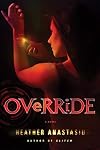
I would describe the first book in this series as a fairly average YA dystopian. However, I think this second book has risen well beyond that to become some of the best of YA dystopian. I love when these books begin to raise more complex ethical questions, instead of just asking should the few be allowed the power to make decisions for the good of the many. This book definitely does that, reminding me very much of Partials in that it questions everything down to what it means to be human. It show more also reminded me of Partials because our heroine has some pretty clear morals of her own and isn’t willing to sacrifice them for others. And (final Partials comparison, I promise), both books also allow our protagonist to drive events in a believable way, through good leadership, instead of by doing everything herself.
In addition to the above improvements, many of the good things from Glitch stuck around. Heather Anastasiu’s fabulous writing skills still kept me reading late into the night and her ability to imagine what a character with Zoe’s life experiences might think impressed me throughout. I also thought the pacing was spot on in this one, with action happening almost from page one. Given the love-triangle set-up in the first one, I was afraid in this book we’d get some frustrating stupid-teenager-in-love behavior, but that never materialized (yeah!). In fact, the only bad thing about the book, was the terrible cliff-hanger ending. It is possible to end a book with room for a sequel without leaving your reader feeling like you just punched them in the face. Unfortunately this book falls squarely into the I-just-got-punched category, with an ending that felt shockingly abrupt. I also thought it was a little anti-climatic, but can’t say much more without giving things away. However, even the ending wasn’t enough to spoil my enjoyment of Override. I loved this book, thought it was a huge improvement over the first, and look forward to even more great things in the final book of the trilogy
This review first published at Doing Dewey. show less
In addition to the above improvements, many of the good things from Glitch stuck around. Heather Anastasiu’s fabulous writing skills still kept me reading late into the night and her ability to imagine what a character with Zoe’s life experiences might think impressed me throughout. I also thought the pacing was spot on in this one, with action happening almost from page one. Given the love-triangle set-up in the first one, I was afraid in this book we’d get some frustrating stupid-teenager-in-love behavior, but that never materialized (yeah!). In fact, the only bad thing about the book, was the terrible cliff-hanger ending. It is possible to end a book with room for a sequel without leaving your reader feeling like you just punched them in the face. Unfortunately this book falls squarely into the I-just-got-punched category, with an ending that felt shockingly abrupt. I also thought it was a little anti-climatic, but can’t say much more without giving things away. However, even the ending wasn’t enough to spoil my enjoyment of Override. I loved this book, thought it was a huge improvement over the first, and look forward to even more great things in the final book of the trilogy
This review first published at Doing Dewey. show less
Awards

You May Also Like


Statistics
- Works
- 8
- Members
- 669
- Popularity
- #37,727
- Rating
- 3.6
- Reviews
- 48
- ISBNs
- 24
- Languages
- 3