

Rachel Joyce
Author of The Unlikely Pilgrimage of Harold Fry
About the Author
Rachel Joyce is an author who was born in London in 1962. She started her career writing plays for the BBC Radio Four. She was part of the duo that won the 2007 Tinnis wood Award for "To Be A Pilgrim". She was longlisted for the 2012 Man Booker Prize with her debut novel The Unlikely Pilgrimage of show more Harold Fry. She later won the New Writer of the Year Award in 2012 from the National Book Awards for this same title. Her other works include: Perfect, The Love Song of Miss. Queenie Hennessy, A Snow Garden and Other Stories and The Music Shop. (Bowker Author Biography) show less
Series
Works by Rachel Joyce
Tagged
Common Knowledge
- Birthdate
- 1962
- Gender
- female
- Occupations
- actor
playwright
novelist - Agent
- Alexander Cochran (C&W Agency)
- Nationality
- UK
- Birthplace
- London, England, UK
- Places of residence
- Gloucestershire, England, UK
- Map Location
- England, UK
Members
Discussions
The Unlikely Pilgrimage of Harold Fry by Rachel Joyce in Booker Prize (February 2015)
Reviews
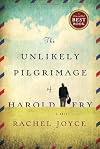
This charming novel is somewhat reminiscent of The 100-Year-Old Man Who Climbed Out the Window and Disappeared, in that it deals with someone embarking almost accidentally on an unlikely journey. But where 100-Year-Old Man dealt with whimsy, Rachel Joyce delves into deeper and meatier territory.
All Harold Fry intends to do, really, is to post a brief note in response to a letter from a former co-worker delivering sad news. And before he really understands his own motivations, he finds show more himself having decided to deliver his message of hope by hand -- at the end of a 600 mile walk.
The novel alternates between following him, step by step,was he discovers both inerior and exterior landscapes, and dealing with the thoughts and responses of his wife, Maureen, who remains at home, puzzled, then fearful, then angry, at the actions of the man to whom she has been married for decades but who she is not sure she even knows any longer.
Bit by bit, as slowly as the miles unwind under Harold's unsuitable shoes, the story of these two people reveals itself. Ultimately, it's a testament to love and loss and the potential of reconciliation and rebirth.
Highly recommended. show less
All Harold Fry intends to do, really, is to post a brief note in response to a letter from a former co-worker delivering sad news. And before he really understands his own motivations, he finds show more himself having decided to deliver his message of hope by hand -- at the end of a 600 mile walk.
The novel alternates between following him, step by step,was he discovers both inerior and exterior landscapes, and dealing with the thoughts and responses of his wife, Maureen, who remains at home, puzzled, then fearful, then angry, at the actions of the man to whom she has been married for decades but who she is not sure she even knows any longer.
Bit by bit, as slowly as the miles unwind under Harold's unsuitable shoes, the story of these two people reveals itself. Ultimately, it's a testament to love and loss and the potential of reconciliation and rebirth.
Highly recommended. show less
Rating: 3.5* of five
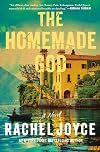
The Publisher Says: Family is everything, even when it falls apart.
After the sudden death of a renowned artist, his four adult children travel to Italy to sort out his affairs with his much-younger wife, in this moving novel from the bestselling author of The Unlikely Pilgrimage of Harold Fry.
World-famous artist Vic Kemp has relied on his four children ever since their mother died when they were young. Netta, the oldest, is a litigator who often serves as co-parent to her show more siblings; Susan, a housewife who cooks and cleans for both her husband and her father; Goose's own thwarted artistic ambitions have left him resigned to a job in Vic's studio; and Iris, the baby, drops everything the moment her father calls.
When Vic summons the siblings with the promise of big news, they hope their father is about to tell them he has finished the mysterious masterpiece he claims will be the capstone to his career. Instead, he announces he’s getting remarried. Bella-Mae, his wife to be, is apparently beautiful, a fellow artist—and twenty-seven to his seventy-six years. When his children dare to express concern, Vic decamps with Bella-Mae to his summer home in Italy. Six weeks later, he is found dead. There is no sign of his will, or his promised final painting.
Netta, Susan, Goose, and Iris gather at the house on Lake Orta to piece together what happened and prepare to bring their father’s body home. They spend the summer in a waiting game, living under the same roof as Bella-Mae, and forced to confront Vic's legacy and the buried wounds they have incurred as his children. So who is Bella-Mae? Is she the woman their father believed her to be? Or is she the force that will destroy the family for good? How long can their old bonds hold?
With sparkling wit, compassion and tender insight, The Homemade God explores memory, identity, grief, healing, and the bonds of siblinghood—what happens when they splinter, and what it might take to find a new way forward.
I RECEIVED A DRC FROM THE PUBLISHER VIA NETGALLEY. THANK YOU.
My Review: My very unloved father remarried (I liked my stepmother, big loud lady she was) shortly after my equally unloved mother left him. The central problem for these spoiled, neglected twits is they're afraid they won't get revenge on the old man by having all his worldly goods. The role of Cordelia in this remake of King Lear is played by Goose, the brother, denied the life he wanted for being not what his father demanded.
Big, noisy drama ensues, the young widow gets a real working-over by these bratty twits. I finished it because I love some sudsy silliness. I'm not sure I'll remember much about it tomorrow, but it did its job by distracting me from the world for six hours.
The Dial Press will lighten your wallet by $13.99 for an ebook. Libraries are, for now, still free. show less
The Publisher Says: Family is everything, even when it falls apart.
After the sudden death of a renowned artist, his four adult children travel to Italy to sort out his affairs with his much-younger wife, in this moving novel from the bestselling author of The Unlikely Pilgrimage of Harold Fry.
World-famous artist Vic Kemp has relied on his four children ever since their mother died when they were young. Netta, the oldest, is a litigator who often serves as co-parent to her show more siblings; Susan, a housewife who cooks and cleans for both her husband and her father; Goose's own thwarted artistic ambitions have left him resigned to a job in Vic's studio; and Iris, the baby, drops everything the moment her father calls.
When Vic summons the siblings with the promise of big news, they hope their father is about to tell them he has finished the mysterious masterpiece he claims will be the capstone to his career. Instead, he announces he’s getting remarried. Bella-Mae, his wife to be, is apparently beautiful, a fellow artist—and twenty-seven to his seventy-six years. When his children dare to express concern, Vic decamps with Bella-Mae to his summer home in Italy. Six weeks later, he is found dead. There is no sign of his will, or his promised final painting.
Netta, Susan, Goose, and Iris gather at the house on Lake Orta to piece together what happened and prepare to bring their father’s body home. They spend the summer in a waiting game, living under the same roof as Bella-Mae, and forced to confront Vic's legacy and the buried wounds they have incurred as his children. So who is Bella-Mae? Is she the woman their father believed her to be? Or is she the force that will destroy the family for good? How long can their old bonds hold?
With sparkling wit, compassion and tender insight, The Homemade God explores memory, identity, grief, healing, and the bonds of siblinghood—what happens when they splinter, and what it might take to find a new way forward.
I RECEIVED A DRC FROM THE PUBLISHER VIA NETGALLEY. THANK YOU.
My Review: My very unloved father remarried (I liked my stepmother, big loud lady she was) shortly after my equally unloved mother left him. The central problem for these spoiled, neglected twits is they're afraid they won't get revenge on the old man by having all his worldly goods. The role of Cordelia in this remake of King Lear is played by Goose, the brother, denied the life he wanted for being not what his father demanded.
Big, noisy drama ensues, the young widow gets a real working-over by these bratty twits. I finished it because I love some sudsy silliness. I'm not sure I'll remember much about it tomorrow, but it did its job by distracting me from the world for six hours.
The Dial Press will lighten your wallet by $13.99 for an ebook. Libraries are, for now, still free. show less
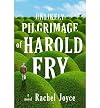
First things first, The Unlikely Pilgrimage of Harold Fry by Rachel Joyce was a delightful surprise.
This is one of those instances where the cover perfectly captures the essence of the story. (Trust me when I say that I appreciate this cover design for its brilliance even more now that I've read the book.) The reader follows Harold Fry, recently retired from the local brewery, who receives news that a friend from his past (as in distant past) is dying from cancer. So naturally he decides to show more mail her a letter but then he passes by the mailbox...and the next one...and the next one...until suddenly he's on a journey across the length of England firm in his belief that she will stay alive until he gets there. On his journey (or pilgrimage as it comes to be known) he examines moments from his past that he had repressed (his tumultuous home life, distant relationship with his son, and his strained marriage to name a few) while also discovering his inner strength and fortitude. It's a beautiful (and at times tragic) story about love, loss, and faith. If you enjoy reflective tales with lots of descriptive prose then this book is a great way to spend a lazy afternoon or maybe take on a trip. ;-) 9/10 show less
This is one of those instances where the cover perfectly captures the essence of the story. (Trust me when I say that I appreciate this cover design for its brilliance even more now that I've read the book.) The reader follows Harold Fry, recently retired from the local brewery, who receives news that a friend from his past (as in distant past) is dying from cancer. So naturally he decides to show more mail her a letter but then he passes by the mailbox...and the next one...and the next one...until suddenly he's on a journey across the length of England firm in his belief that she will stay alive until he gets there. On his journey (or pilgrimage as it comes to be known) he examines moments from his past that he had repressed (his tumultuous home life, distant relationship with his son, and his strained marriage to name a few) while also discovering his inner strength and fortitude. It's a beautiful (and at times tragic) story about love, loss, and faith. If you enjoy reflective tales with lots of descriptive prose then this book is a great way to spend a lazy afternoon or maybe take on a trip. ;-) 9/10 show less

Harold Fry has recently retired after working as a salesman for a local brewery for many years. He was competent but quiet, nondescript and largely anonymous to his co-workers. He lives with his wife Maureen in a modest home in Kingsbridge, a small village in South West England. Their marriage has been strained for years, as Maureen harbors bitterness and a deep seated hostility toward Harold, although she does not openly express a desire to leave him.
On one ordinary day Harold receives a show more letter from his former colleague Queenie Hennessy, who resides in a hospice in Berwick-upon-Tweed, the northernmost town in England. She informs him that she has end-stage cancer, and writes to say goodbye to him. Harold is deeply affected by this news, and he immediately writes a letter of sympathy to her. He leaves home to mail the letter, and in doing so he encounters a teenage girl who works at a garage. After Harold informs her of the purpose of his trip, she tells him about her aunt's case of cancer. He is led to believe that the girl's belief led her aunt to overcome her terminal illness. He is greatly inspired by this, and he spontaneously decides to walk from Kingsbridge to Berwick-upon-Tweed, a journey of over 500 miles, in the hope that doing so will cure Queenie.
As Harold walks, wearing only the street clothes, rain jacket and yachting shoes that he wore when he initially left the house, he reflects on his past mistakes in his relationship with his wife, their son David, and Queenie, who was fired from her job at the brewery in an incident that also involved him. He soon realizes that he has been an indifferent and reserved husband and father, unknowable to them, or to himself:
It occurred to him it was Maureen who spoke to David and told him their news. It was Maureen who had always written Harold's name ("Dad") in the letters and cards. It was even Maureen who had found the nursing home for his father. And it raised the question—as he pushed the button at the pelican crossing—that if she was, in effect, Harold, “then who am I?”
He encounters a variety of people on his journey, most of whom support and encourage him once he tells them his story, and they eagerly share their experiences with him. Maureen is initially furious at him after she learns about his decision, but later her feelings transform to jealousy, despair, concern, and longing for him.
As the journey becomes more arduous and the constant walking takes a toll on his mid-sixties body, his spirit begins to flag, and he wonders if he should have undertaken this foolhardy journey.
The Unlikely Pilgrimage of Harold Fry is meant to be an inspiring story of secular faith, self-discovery and love. However, I found it to be a banal and saccharine novel, which was largely pleasant but not one which was affecting or filled with wisdom, although the ending was easily the best part of the book. It, like Harold before his journey, was largely forgettable and mildly annoying in spots, and although it wasn't a bad book, it was the least favorite of the 2012 Booker Prize longlisted books I've read so far. show less
On one ordinary day Harold receives a show more letter from his former colleague Queenie Hennessy, who resides in a hospice in Berwick-upon-Tweed, the northernmost town in England. She informs him that she has end-stage cancer, and writes to say goodbye to him. Harold is deeply affected by this news, and he immediately writes a letter of sympathy to her. He leaves home to mail the letter, and in doing so he encounters a teenage girl who works at a garage. After Harold informs her of the purpose of his trip, she tells him about her aunt's case of cancer. He is led to believe that the girl's belief led her aunt to overcome her terminal illness. He is greatly inspired by this, and he spontaneously decides to walk from Kingsbridge to Berwick-upon-Tweed, a journey of over 500 miles, in the hope that doing so will cure Queenie.
As Harold walks, wearing only the street clothes, rain jacket and yachting shoes that he wore when he initially left the house, he reflects on his past mistakes in his relationship with his wife, their son David, and Queenie, who was fired from her job at the brewery in an incident that also involved him. He soon realizes that he has been an indifferent and reserved husband and father, unknowable to them, or to himself:
It occurred to him it was Maureen who spoke to David and told him their news. It was Maureen who had always written Harold's name ("Dad") in the letters and cards. It was even Maureen who had found the nursing home for his father. And it raised the question—as he pushed the button at the pelican crossing—that if she was, in effect, Harold, “then who am I?”
He encounters a variety of people on his journey, most of whom support and encourage him once he tells them his story, and they eagerly share their experiences with him. Maureen is initially furious at him after she learns about his decision, but later her feelings transform to jealousy, despair, concern, and longing for him.
As the journey becomes more arduous and the constant walking takes a toll on his mid-sixties body, his spirit begins to flag, and he wonders if he should have undertaken this foolhardy journey.
The Unlikely Pilgrimage of Harold Fry is meant to be an inspiring story of secular faith, self-discovery and love. However, I found it to be a banal and saccharine novel, which was largely pleasant but not one which was affecting or filled with wisdom, although the ending was easily the best part of the book. It, like Harold before his journey, was largely forgettable and mildly annoying in spots, and although it wasn't a bad book, it was the least favorite of the 2012 Booker Prize longlisted books I've read so far. show less
Lists
Favourite Books (1)
Booker Prize (1)
A Novel Cure (1)
To Read (1)
Best Audiobooks (1)
Five star books (2)
Carole's List (2)
Read in 2016 (1)
World Books (1)
Allie's Wishlist (1)
Music (1)
Awards


You May Also Like


Associated Authors
Statistics
- Works
- 17
- Members
- 11,290
- Popularity
- #2,082
- Rating
- 3.9
- Reviews
- 958
- ISBNs
- 265
- Languages
- 18
- Favorited
- 10

