
Maureen Doyle McQuerry
Author of The Peculiars
About the Author
Series
Works by Maureen Doyle McQuerry
Time out of Time 1 copy
Tagged
Common Knowledge
- Gender
- female
Members
Reviews
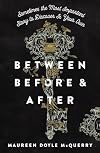
"The best stories can be as unpredictable as miracles. They can surprise you, even when you think you know them by heart."
Fourteen-year-old Molly is inquisitive by nature- a writer, like her mother Elaine, Molly seeks out the truth. When her mother's secrets begin to tear apart Molly's family, she decides to seek out the truth from Elaine's past. Molly starts with her Uncle Stephen for some clues, however, soon Stephen's life is turned upside down as the church begins to investigate him for show more performing a miracle. With the attention that Stephen's miracle brings, Molly and her brother Angus begin to see a different side of their mother, making Molly more anxious for the secrets that her mother is hiding from 1918. While investigating her mother's past, Molly might just create a miracle of her own.
Between Before & After is a heartwarming and gorgeously written story that examines family, secrets and a little bit of magic. Told in a dual narrative switching between Elaine and Stephen's childhood in 1918 Brooklyn and Molly and Angus' in 1955 San Jose, the differences between their lives is highlighted as well as the mental stress of Elaine's secrets. I felt equally drawn to both timeline stories as Elaine's life in Brooklyn quickly changes after the Spanish Flu epidemic and she becomes responsible for her little brother and running the household. The 1918 timeline also had the story of Hansel and Gretel woven throughout that added a fabulous fairy-tale element that strangely connected to Elaine and Stephen's story perfectly. In Molly's timeline the possibility of miracles and exposing of secrets creates mild suspense and drama that slowly teases out the consequences of Elaine's secret. With an emotionally driven story line and seamless writing, Between Before & After will capture your heart.
This book was received for free in return for an honest review. show less
Fourteen-year-old Molly is inquisitive by nature- a writer, like her mother Elaine, Molly seeks out the truth. When her mother's secrets begin to tear apart Molly's family, she decides to seek out the truth from Elaine's past. Molly starts with her Uncle Stephen for some clues, however, soon Stephen's life is turned upside down as the church begins to investigate him for show more performing a miracle. With the attention that Stephen's miracle brings, Molly and her brother Angus begin to see a different side of their mother, making Molly more anxious for the secrets that her mother is hiding from 1918. While investigating her mother's past, Molly might just create a miracle of her own.
Between Before & After is a heartwarming and gorgeously written story that examines family, secrets and a little bit of magic. Told in a dual narrative switching between Elaine and Stephen's childhood in 1918 Brooklyn and Molly and Angus' in 1955 San Jose, the differences between their lives is highlighted as well as the mental stress of Elaine's secrets. I felt equally drawn to both timeline stories as Elaine's life in Brooklyn quickly changes after the Spanish Flu epidemic and she becomes responsible for her little brother and running the household. The 1918 timeline also had the story of Hansel and Gretel woven throughout that added a fabulous fairy-tale element that strangely connected to Elaine and Stephen's story perfectly. In Molly's timeline the possibility of miracles and exposing of secrets creates mild suspense and drama that slowly teases out the consequences of Elaine's secret. With an emotionally driven story line and seamless writing, Between Before & After will capture your heart.
This book was received for free in return for an honest review. show less
Originally posted at The Wandering Fangirl.
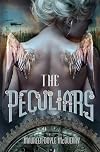
The Peculiars is a novel that seems like tons of fun and could be host to a thrilling adventure and a journey of self-discovery, but it simply falls flat.
The story starts off strong as we’re introduced to Lena Mattacascar, who has extra knuckles in her hands and feet, something she believes to be a sign of goblinism, which might make her a Peculiar and thus unacceptable to society and herself. Most of the novel centers on Lena’s growing struggle show more with herself, what being part goblin might mean, and how she can accept herself for what she is — if she can even reach acceptance in the first place. The only real excitement happens in the first big set piece of the novel, as Lena meets Jimson Quiggley on a train, and their train is stopped by someone breaking a hostage free. Excitement! Action! Intrigue!
Then we spend a huge chunk of the middle of the novel with Lena and Jimson getting to know each other, getting to know Mr. Beasley and his library, and Lena moving into Too Stupid To Live territory.
I truly wanted to like Lena after we first meet her, but I liked her less and less with every stupid decision, rash action or conclusion jump. It’s obvious to us as readers that she’s seeing everything wrong, but she’s so willfully stubborn about everything, so caught up in her own self-loathing and her view on Peculiars that she can’t grow as a person. What little growth we do see happens in the last 50 or so pages of the novel, and that’s too little too late.
Jimson Quiggley and Mr. Beasley, along with Marshall Sartre and a whole host of secondary characters didn’t feel drawn in enough. With the novel focusing on Lena’s internal struggles it makes sense that the other characters wouldn’t be as prominent, but there can be more to a character than “he’s very rational and likes books” and “he has drawn on eyebrows for some reason.”
As for the steampunk element, there wasn’t much of it. There is an aerocopter, yes, and some other attributes that would put this novel in the steampunk genre, but it doesn’t have the feel of steampunk; it simply feels like historical fiction with some slight alterations.
Overall, The Peculiars showed some promise in the ideas and basic story. While a part of Lena’s story is interesting, it doesn’t hold up to the poor execution of the novel as a whole. show less
The Peculiars is a novel that seems like tons of fun and could be host to a thrilling adventure and a journey of self-discovery, but it simply falls flat.
The story starts off strong as we’re introduced to Lena Mattacascar, who has extra knuckles in her hands and feet, something she believes to be a sign of goblinism, which might make her a Peculiar and thus unacceptable to society and herself. Most of the novel centers on Lena’s growing struggle show more with herself, what being part goblin might mean, and how she can accept herself for what she is — if she can even reach acceptance in the first place. The only real excitement happens in the first big set piece of the novel, as Lena meets Jimson Quiggley on a train, and their train is stopped by someone breaking a hostage free. Excitement! Action! Intrigue!
Then we spend a huge chunk of the middle of the novel with Lena and Jimson getting to know each other, getting to know Mr. Beasley and his library, and Lena moving into Too Stupid To Live territory.
I truly wanted to like Lena after we first meet her, but I liked her less and less with every stupid decision, rash action or conclusion jump. It’s obvious to us as readers that she’s seeing everything wrong, but she’s so willfully stubborn about everything, so caught up in her own self-loathing and her view on Peculiars that she can’t grow as a person. What little growth we do see happens in the last 50 or so pages of the novel, and that’s too little too late.
Jimson Quiggley and Mr. Beasley, along with Marshall Sartre and a whole host of secondary characters didn’t feel drawn in enough. With the novel focusing on Lena’s internal struggles it makes sense that the other characters wouldn’t be as prominent, but there can be more to a character than “he’s very rational and likes books” and “he has drawn on eyebrows for some reason.”
As for the steampunk element, there wasn’t much of it. There is an aerocopter, yes, and some other attributes that would put this novel in the steampunk genre, but it doesn’t have the feel of steampunk; it simply feels like historical fiction with some slight alterations.
Overall, The Peculiars showed some promise in the ideas and basic story. While a part of Lena’s story is interesting, it doesn’t hold up to the poor execution of the novel as a whole. show less

3.5/5 stars
In The Peculiars, McQuerry has created a fascinating steampunk, alternate history of the American western frontier. In this new time line, some people are born with genetic abnormalities like wings or elongated hands and feet. Rumors abound about a strange land to the north – a land filled with vast natural resources, beasts, criminals and such peculiar people. These stories are often dismissed by law-abiding, non-peculiar citizens as fantastical tales and the superstitions of show more gullible and unenlightened people. But Lena Mattacascar knows better.
Lena herself displays physical signs of what her family doctor and grandmother both call “goblinism” in her thin hands and feet with their extra knuckles and stretched out appearance. Suspecting that the father who contributed to her peculiarities and who abandoned she and her mother long ago was in fact a treacherous, morally bankrupt goblin, Lena fears what she might become. As wicked as her father? Craving adventure and riches?
When she receives a letter that her father, Saul, left to her for her 18th birthday, Lena decides to set out on her own for Scree to search for her long-lost parent. However, as she journeys northward, she gets more than she ever bargained for – adventure, danger and romance in the wilds of Scree.
Lena. Though interested in her story and the eventual outcome, I just couldn’t bring myself to like her. Actually, that’s not exactly true. In the beginning, I thought her very intriguing and was beginning to build that oh-so-important character-reader connection, but then it just kind of fizzled. When the reader is introduced to Lena, she is cautious and distrustful which befits her background and how she views the world. She is someone who is extremely conscious of her abnormalities, and has never felt comfortable in her own skin, especially given that her skin has been cursed with that dreaded genetic trait of “goblinism.” Curious stares and whispers have followed her throughout her life, and besides her mother and grandmother, she’s never closely associated with anyone else because of the barrier her perceived difference creates. She seems strong, extremely curious about the world around her, independent, and appears to have a good head on her shoulders. Good so far. Lena is starting to grow on me.
Then… it starts heading downhill. Lena strikes up an association with a certain character, giving them her trust in a gesture that seems out of step with how her character has been established thus far. It just doesn’t sit well. Her association with this character causes her to make some horrible decisions that have devastating results. The situation that Lena finds herself in could potentially have lent itself to some amazing opportunities for character development, but sadly there are virtually no consequences for Lena’s character. In fact, her rash actions rather serve to further her personal aims. It should matter – what her decisions lead to – but the weightiness of the situation is glossed over and almost forgotten. I guess in the end, I just felt like Lena’s character was really building toward something big – a revelation, an epiphany, maturation – and in my opinion, that didn’t happen. Despite her trials and tribulations, she comes across as shallow, naïve, and perhaps a bit self-centered. Don’t get me wrong, I love flawed characters. I don’t like when those characters show little growth.
Jimson. I found him to be an extremely enjoyable character. His passion for life, for knowledge, his curiosity as to how things work, how he can lose himself in a scientific concept made him interesting. Add in his optimism, friendliness, loyalty and his willingness to see a person for who they are rather than what they are, and he becomes incredibly endearing. He’s braver and more cool-headed in the face of danger than one might initially suspect; just an all-around decent kind of guy who I liked getting to know over the course of the novel.
The world of The Peculiars I found to be a curious one that I’m dying to discover more about. McQuerry drops hints, names and factoids that link our world and Lena’s world very closely. And yet, it’s very different. Little mentions of things here and there that couldn’t or didn’t exist within our history. It’s a strange world that doesn’t lack for description but that also remains frustratingly vague. It is as descriptive and as in-depth as it needs to be, and yet I found myself wanting and needing more explanation behind Scree and why and how these people exist… and also, possibly wanting a map. Add to this the political climate with its slight dystopian vibes and the various social issues the Peculiars raise by simply being, and this odd American frontier with its very peculiar people had my undivided attention.
McQuerry also weaves through the novel several thought-provoking themes. Specifically, that of the question of tolerance, humanity, self-worth, and even civil rights. There are a lot of issues regarding the Peculiars and the treatment of them as second class citizens and sometimes even less that. Because of the setting of the American frontier it made me wonder more than once if McQuerry is making a statement on the United States’ past mistreatment of indigenous peoples and minorities, or if she’s just making a broader statement about how humans treat the things they don’t understand. Either way it’s interesting. Also, an ongoing question in the books revolves around the soul, the nature of the soul, the existence of the soul and who possesses one. Both themes spark some interesting, though perhaps at times forced, philosophical discourse and thought.
Overall, though I couldn’t connect with the heroine in the way I wished to,The Peculiars was still an intriguing story with an endearing male lead, an appealing alternate history, and a world that piques the curiosity. show less
In The Peculiars, McQuerry has created a fascinating steampunk, alternate history of the American western frontier. In this new time line, some people are born with genetic abnormalities like wings or elongated hands and feet. Rumors abound about a strange land to the north – a land filled with vast natural resources, beasts, criminals and such peculiar people. These stories are often dismissed by law-abiding, non-peculiar citizens as fantastical tales and the superstitions of show more gullible and unenlightened people. But Lena Mattacascar knows better.
Lena herself displays physical signs of what her family doctor and grandmother both call “goblinism” in her thin hands and feet with their extra knuckles and stretched out appearance. Suspecting that the father who contributed to her peculiarities and who abandoned she and her mother long ago was in fact a treacherous, morally bankrupt goblin, Lena fears what she might become. As wicked as her father? Craving adventure and riches?
When she receives a letter that her father, Saul, left to her for her 18th birthday, Lena decides to set out on her own for Scree to search for her long-lost parent. However, as she journeys northward, she gets more than she ever bargained for – adventure, danger and romance in the wilds of Scree.
Lena. Though interested in her story and the eventual outcome, I just couldn’t bring myself to like her. Actually, that’s not exactly true. In the beginning, I thought her very intriguing and was beginning to build that oh-so-important character-reader connection, but then it just kind of fizzled. When the reader is introduced to Lena, she is cautious and distrustful which befits her background and how she views the world. She is someone who is extremely conscious of her abnormalities, and has never felt comfortable in her own skin, especially given that her skin has been cursed with that dreaded genetic trait of “goblinism.” Curious stares and whispers have followed her throughout her life, and besides her mother and grandmother, she’s never closely associated with anyone else because of the barrier her perceived difference creates. She seems strong, extremely curious about the world around her, independent, and appears to have a good head on her shoulders. Good so far. Lena is starting to grow on me.
Then… it starts heading downhill. Lena strikes up an association with a certain character, giving them her trust in a gesture that seems out of step with how her character has been established thus far. It just doesn’t sit well. Her association with this character causes her to make some horrible decisions that have devastating results. The situation that Lena finds herself in could potentially have lent itself to some amazing opportunities for character development, but sadly there are virtually no consequences for Lena’s character. In fact, her rash actions rather serve to further her personal aims. It should matter – what her decisions lead to – but the weightiness of the situation is glossed over and almost forgotten. I guess in the end, I just felt like Lena’s character was really building toward something big – a revelation, an epiphany, maturation – and in my opinion, that didn’t happen. Despite her trials and tribulations, she comes across as shallow, naïve, and perhaps a bit self-centered. Don’t get me wrong, I love flawed characters. I don’t like when those characters show little growth.
Jimson. I found him to be an extremely enjoyable character. His passion for life, for knowledge, his curiosity as to how things work, how he can lose himself in a scientific concept made him interesting. Add in his optimism, friendliness, loyalty and his willingness to see a person for who they are rather than what they are, and he becomes incredibly endearing. He’s braver and more cool-headed in the face of danger than one might initially suspect; just an all-around decent kind of guy who I liked getting to know over the course of the novel.
The world of The Peculiars I found to be a curious one that I’m dying to discover more about. McQuerry drops hints, names and factoids that link our world and Lena’s world very closely. And yet, it’s very different. Little mentions of things here and there that couldn’t or didn’t exist within our history. It’s a strange world that doesn’t lack for description but that also remains frustratingly vague. It is as descriptive and as in-depth as it needs to be, and yet I found myself wanting and needing more explanation behind Scree and why and how these people exist… and also, possibly wanting a map. Add to this the political climate with its slight dystopian vibes and the various social issues the Peculiars raise by simply being, and this odd American frontier with its very peculiar people had my undivided attention.
McQuerry also weaves through the novel several thought-provoking themes. Specifically, that of the question of tolerance, humanity, self-worth, and even civil rights. There are a lot of issues regarding the Peculiars and the treatment of them as second class citizens and sometimes even less that. Because of the setting of the American frontier it made me wonder more than once if McQuerry is making a statement on the United States’ past mistreatment of indigenous peoples and minorities, or if she’s just making a broader statement about how humans treat the things they don’t understand. Either way it’s interesting. Also, an ongoing question in the books revolves around the soul, the nature of the soul, the existence of the soul and who possesses one. Both themes spark some interesting, though perhaps at times forced, philosophical discourse and thought.
Overall, though I couldn’t connect with the heroine in the way I wished to,The Peculiars was still an intriguing story with an endearing male lead, an appealing alternate history, and a world that piques the curiosity. show less
All her life, Lena has been ashamed of her unusually long hands and feet, which her family doctor claimed were evidence of a Peculiar (part-goblin) heritage. Since Lena's father disappeared from her life when she was a young child, she doesn't know if there's any truth to the doctor's supposition or not. When she receives a letter and an inheritance that he left for her on her eighteenth birthday, she sets out for the north, in hopes of discovering the truth about her father. Along the way, show more she meets Jimson, who has just taken a job organizing the library of the mysterious Mr. Beasley, who may have some dealings with Peculiars himself. Is Mr. Beasley to be trusted, or is he performing unspeakable atrocities in his hidden laboratory? Perhaps Lena would be better off trusting charming lawman Thomas Saltre, who seems to have her best interests at heart -- and may know something about Lena's father, as well. . . .
This story reminded me a little bit of Thirteenth Child by Patricia C. Wrede, and a little bit of Chime by Franny Billingsley, so fans of either of those books might like this one. Lena has a few Too Stupid To Live moments, but it's not her defining characteristic. Her growing friendship with Jimson is easily the best part of the story. The ending of this book, while somewhat conclusive, left an opening for a possible sequel -- if so, I look forward to seeing what happens with these characters. show less
This story reminded me a little bit of Thirteenth Child by Patricia C. Wrede, and a little bit of Chime by Franny Billingsley, so fans of either of those books might like this one. Lena has a few Too Stupid To Live moments, but it's not her defining characteristic. Her growing friendship with Jimson is easily the best part of the story. The ending of this book, while somewhat conclusive, left an opening for a possible sequel -- if so, I look forward to seeing what happens with these characters. show less
Awards


You May Also Like


Associated Authors
Statistics
- Works
- 8
- Members
- 463
- Popularity
- #53,108
- Rating
- 3.4
- Reviews
- 44
- ISBNs
- 19