
Francis Brett Young (1884–1954)
Author of Portrait of a Village
About the Author
Image credit: Courtesy of the NYPL Digital Gallery (image use requires permission from the New York Public Library)
Works by Francis Brett Young
Four Sensational Adventure Novels 4 copies
The Christmas Box 3 copies
A man about the house, a play in two acts, adapted from the book by Francis Brett Young. (1947) 1 copy
Tanga Letters to Jessie 1 copy
Five Degrees South 1 copy
A Busman's Holiday 1 copy
The key of life 1 copy
The Happy Highway 1 copy
The red knight; a romance 1 copy
A Message to Laura 1 copy
Associated Works
American Aphrodite: A Quarterly for the Fancy-Free (Volume 3, Number 9) (2013) — Contributor — 2 copies
Tagged
Common Knowledge
- Canonical name
- Young, Francis Brett
- Other names
- Young, F. Brett
- Birthdate
- 1884-06-29
- Date of death
- 1954-03-28
- Gender
- male
- Education
- Epsom College
University of Birmingham - Occupations
- physician
novelist
poet
playwright
composer - Organizations
- Medical Corps (WWI)
- Relationships
- Young, Eric Brett (brother)
- Nationality
- UK
- Birthplace
- Halesowen, West Midlands, England, UK
- Places of residence
- Brixham, Devon, England, UK
Capri, Italy
Fladbury, Worcestershire, England, UK
Montague, Lesser Karoo, South Africa
Lake District, England, UK - Place of death
- Cape Town, South Africa
- Associated Place (for map)
- England, UK
Members
Reviews

“And then, of a sudden, the trees seem to fall back on either side, disclosing with the effect of a fanfare of trumpets breaking through a murmur of muted strings, above, an enormous expanse of blue sky, and below, a wide sward of turf, most piercingly green within the woods’ dense circlet. And in the midst of the green sward stood a house.”
That house was White Ladies, and it quite captivated Arabella Tinsley III. It became her passion, but it quickly turned into her obsession. And show more obsession can be such a destructive emotion…
But I had been reading for quite some time before Bella and I laid eyes on White Ladies. Francis Brett Young offered up every detail of Bella’s family background and early life, in a wonderful piece of storytelling, wrapped up in quite lovely prose. It began with Jasper Mortimer, who left his home in Shropshire to seek his fortune. He hadn’t travelled far when he met Arabella I, who had become the son her father never had and took on his family business with great aplomb. Jasper married her, and built an even bigger business, seizing so many opportunities that industrialisation presented. One day Arabella III would inherit the fortune, and the business, that he created. But she didn’t know that. Indeed she didn’t know them. Because Arabella II ran away with a young man who had been employed in her father’s drawing office. And then she died when her daughter was still an infant, and Arabella III’s father gave her to his parents to bring up, while he struck out alone.
Bella grew; she was educated; she lost her grandparents; she found a friend who offered help, but at a very high price; she found employment; she fell in love; she had her heart broken; she lost her job; she learned some very hard lessons. Then, quite unexpectedly, she inherited her fortune. And she learned a great deal that she hadn’t known about her background.
It was very soon after that Bella saw White Ladies, and that story of passion and obsession began. She went to extraordinary lengths to track down the house’s absentee owner, to take possession, to raise the house to the status that she knew it deserved. But she couldn’t understand that others didn’t see her house as she did, and that they had dreams, ideas, lives of their own. That would be her downfall. But it wouldn’t be her end.
Bella was a wonderful character. She wasn’t always likeable, indeed she was often maddening, but I could see what made her the woman she became, and I never stopped loving her spirit and her determination.
And what a story! So many wonderful settings. Factory floors. Schools. A town house. A Greek island. And that wonderful house in the country. They were all so wonderfully evoked, so beautifully described that I could have been there. And so many wonderful characters. Far too many to list, but I have to mention a few. A teacher who takes an interest but in the end expects a little too much. An employer who will be benevolent, but who will turn when her rules are broken. A long-serving housekeeper who guards her house jealously. There really is so much there, but there is nothing that isn’t a vital part of the story. And it’s all woven together beautifully, into an utterly engaging and utterly readable story, with lovely themes and details echoing all of the way through.
I believe that Francis Brett Young paid just as much attention to the details of his novel as Bella did to her beloved White Ladies. It’s a big, rather old-fashioned book, and I loved it. I’ve had to take it back to the library, but I’ve ordered a couple more books by Francis Brett Young from reserve stock to fill the gap that it left behind, and I am hoping that he will become an author to cherish. show less
That house was White Ladies, and it quite captivated Arabella Tinsley III. It became her passion, but it quickly turned into her obsession. And show more obsession can be such a destructive emotion…
But I had been reading for quite some time before Bella and I laid eyes on White Ladies. Francis Brett Young offered up every detail of Bella’s family background and early life, in a wonderful piece of storytelling, wrapped up in quite lovely prose. It began with Jasper Mortimer, who left his home in Shropshire to seek his fortune. He hadn’t travelled far when he met Arabella I, who had become the son her father never had and took on his family business with great aplomb. Jasper married her, and built an even bigger business, seizing so many opportunities that industrialisation presented. One day Arabella III would inherit the fortune, and the business, that he created. But she didn’t know that. Indeed she didn’t know them. Because Arabella II ran away with a young man who had been employed in her father’s drawing office. And then she died when her daughter was still an infant, and Arabella III’s father gave her to his parents to bring up, while he struck out alone.
Bella grew; she was educated; she lost her grandparents; she found a friend who offered help, but at a very high price; she found employment; she fell in love; she had her heart broken; she lost her job; she learned some very hard lessons. Then, quite unexpectedly, she inherited her fortune. And she learned a great deal that she hadn’t known about her background.
It was very soon after that Bella saw White Ladies, and that story of passion and obsession began. She went to extraordinary lengths to track down the house’s absentee owner, to take possession, to raise the house to the status that she knew it deserved. But she couldn’t understand that others didn’t see her house as she did, and that they had dreams, ideas, lives of their own. That would be her downfall. But it wouldn’t be her end.
Bella was a wonderful character. She wasn’t always likeable, indeed she was often maddening, but I could see what made her the woman she became, and I never stopped loving her spirit and her determination.
And what a story! So many wonderful settings. Factory floors. Schools. A town house. A Greek island. And that wonderful house in the country. They were all so wonderfully evoked, so beautifully described that I could have been there. And so many wonderful characters. Far too many to list, but I have to mention a few. A teacher who takes an interest but in the end expects a little too much. An employer who will be benevolent, but who will turn when her rules are broken. A long-serving housekeeper who guards her house jealously. There really is so much there, but there is nothing that isn’t a vital part of the story. And it’s all woven together beautifully, into an utterly engaging and utterly readable story, with lovely themes and details echoing all of the way through.
I believe that Francis Brett Young paid just as much attention to the details of his novel as Bella did to her beloved White Ladies. It’s a big, rather old-fashioned book, and I loved it. I’ve had to take it back to the library, but I’ve ordered a couple more books by Francis Brett Young from reserve stock to fill the gap that it left behind, and I am hoping that he will become an author to cherish. show less
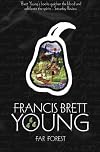
An excellent read. In fact, so absorbing that, when I got to a particularly exciting bit yesterday morning, I nearly missed my bus to work!
A Hardyesque chronicle covering the early years of a girl, Jenny Wilden, born into poverty and hard physical work in the Black Country. She is hived off to her grandfather who lives in an Edenic, pastoral, forest landscape in Shropshire. Although more hard work and poverty is her due, she learns to love and identify with her rural landscape, and to see show more its older values in contrast to the urban environments of the industrial Black Country. Her cousin David and his dad Jem in turn contrast Far Forest with the grimy excitements of North Bromwich (our Birmingham!) and the coal and smoke ridden valleys of South Wales.
Jenny and David have a hard few years of it, separately, as they learn about love and life, hardship and loss. Connected by more than their family, they lose track of each other as they follow the paths available to people of their class and time. The Boer War impacts but it's mainly environment and family that affect their lives.
A little melodramatic and Mary Webb-like at times, but this is no problem - it's an older and slower read with intricate descriptions of nature and town and the events fit in with the characters and their time. As mentioned above, at times I couldn't put it down. If Jenny and David survive all the onslaughts on their characters and very survival, then surely they deserve some respite...? show less
A Hardyesque chronicle covering the early years of a girl, Jenny Wilden, born into poverty and hard physical work in the Black Country. She is hived off to her grandfather who lives in an Edenic, pastoral, forest landscape in Shropshire. Although more hard work and poverty is her due, she learns to love and identify with her rural landscape, and to see show more its older values in contrast to the urban environments of the industrial Black Country. Her cousin David and his dad Jem in turn contrast Far Forest with the grimy excitements of North Bromwich (our Birmingham!) and the coal and smoke ridden valleys of South Wales.
Jenny and David have a hard few years of it, separately, as they learn about love and life, hardship and loss. Connected by more than their family, they lose track of each other as they follow the paths available to people of their class and time. The Boer War impacts but it's mainly environment and family that affect their lives.
A little melodramatic and Mary Webb-like at times, but this is no problem - it's an older and slower read with intricate descriptions of nature and town and the events fit in with the characters and their time. As mentioned above, at times I couldn't put it down. If Jenny and David survive all the onslaughts on their characters and very survival, then surely they deserve some respite...? show less

This is in no way a happy story, but it is a brilliant novel, and I loved every page. First published in 1928 it is wiritten in FBY usual rather flowery style, but is hugely readable and I engaged with the characters instantly. It paints an amazingly clear picture of medicine and general practice in the early twentieth century, before the NHS. The living conditions of the poor in the Black Country of this period are discribed with unflinching honesty - and that alone could make this a very show more memorable book. However there are so many dramatic twists and turns in the telling of the story of Dr Jonathan Dakers life, over about 600 pages, that it is amazing that this book has ceased to be printed. I finished this book a few hours ago, and I can't get these characters out of my head. I loved it, but it left me feeling sad. show less
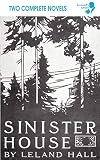
Two books in one volume isn't odd, but two books in one volume where the books are upside down from each other is a bit of weird setup. It works; it's just a bit disorienting. The two books in this particular volume, Sinister House, by Leland Hall and Cold Harbour, by Francis Brett Young, are from a series by Hippocampus Press called "Lovecraft's Library" which features nine volumes -- three doubles, like this one, and six novels -- all of which, according to the Hippocampus website, offers show more "the modern reader a selection of works that Lovecraft himself read and admired, and that he commented upon in his letters or elsewhere." This is my first foray into the series, and it was a bit of spooky, creepy fun -- best suited for reading after dark or during a night when you're all tucked up in bed and thunder, lightning and rain are all rampaging outside.
First: Cold Harbour, by Francis Brett Young. Originally published in 1924, most of this haunted-house story takes place in the West Midlands area of England. As the story opens, a group of friends are together on a terrace somewhere on the Italian Island of Capri. While they are enjoying the night, two of the guests, Ronald and Evelyn Wake, reveal their strange adventures at an old house in England's Black Country, keeping their friends spellbound with their eerie tale.
Cold Harbour is an old-fashioned and atmospheric haunted house story with a twist. It may seem pretty tame to today's horror readers who thrive on gore and grossouts, but for an old-fashioned tale of hauntings, it's pretty scary -- especially when all is finally revealed. And it's fun.
Coming now to Leland Hall's Sinister House, this book is another haunted house story, which takes place in an old house on a cliff. Published originally in 1919, it is the story of two young newlyweds who have come to live in the Hudson Valley. Rather than follow the lead of their very good friends Pierre and Annette Smith who have settled nearby in a more modern housing development built especially for commuters, Eric and Julia Grier decide to take residence in an eerie old house in the woods that stands on a cliffside. Eric has to commute for work; when he is away he can't stand being apart from his wife; while she misses him when he's gone, she is more worried about him returning. It isn't long until Pierre realizes what's going on -- there's some sort of force within the house that wants to separate Pierre from anyone who cares about him, making them feel uneasy in his presence, and this includes his wife Julia and his friends. Pierre's little son is hypersensitive to these haunted goings-on, so much so that before long Pierre must tell Eric he can no longer come to the Smith's home. But there's more to this presence than just its isolation of Eric -- and soon Julia realizes that her very life is in danger.
Sinister House has it all -- a creepy old house with a locked room where no one dares to go, dark woods that hide it from the outside, and an ongoing sense of impending doom that creeps under your skin. At the same time, the book is also a product of its times -- while the author is great at building and maintaining a chilling atmosphere, sometimes the story heads off in a direction reminiscent of a romantic melodrama. There are also a few issues about his ghosts that make no sense if spirits are the ethereal creatures they're supposed to be -- can ghosts really trip and stumble over each other?
In spite of a few misses, Sinister House is a fun read; together with Cold Harbour there are a few hours of hair-raising entertainment to be found.If you're into old ghostly tales that depend heavily on atmosphere, you'll like this book; if that's not your thing and you prefer brain-eating zombies or other more in-your-face kind of horror, you'll definitely want to pass. I liked it, but I'm much more into creating scary scenes in my head than having them already splashed all over the pages with not much left to the imagination.
(read June, 2012) show less
First: Cold Harbour, by Francis Brett Young. Originally published in 1924, most of this haunted-house story takes place in the West Midlands area of England. As the story opens, a group of friends are together on a terrace somewhere on the Italian Island of Capri. While they are enjoying the night, two of the guests, Ronald and Evelyn Wake, reveal their strange adventures at an old house in England's Black Country, keeping their friends spellbound with their eerie tale.
Cold Harbour is an old-fashioned and atmospheric haunted house story with a twist. It may seem pretty tame to today's horror readers who thrive on gore and grossouts, but for an old-fashioned tale of hauntings, it's pretty scary -- especially when all is finally revealed. And it's fun.
Coming now to Leland Hall's Sinister House, this book is another haunted house story, which takes place in an old house on a cliff. Published originally in 1919, it is the story of two young newlyweds who have come to live in the Hudson Valley. Rather than follow the lead of their very good friends Pierre and Annette Smith who have settled nearby in a more modern housing development built especially for commuters, Eric and Julia Grier decide to take residence in an eerie old house in the woods that stands on a cliffside. Eric has to commute for work; when he is away he can't stand being apart from his wife; while she misses him when he's gone, she is more worried about him returning. It isn't long until Pierre realizes what's going on -- there's some sort of force within the house that wants to separate Pierre from anyone who cares about him, making them feel uneasy in his presence, and this includes his wife Julia and his friends. Pierre's little son is hypersensitive to these haunted goings-on, so much so that before long Pierre must tell Eric he can no longer come to the Smith's home. But there's more to this presence than just its isolation of Eric -- and soon Julia realizes that her very life is in danger.
Sinister House has it all -- a creepy old house with a locked room where no one dares to go, dark woods that hide it from the outside, and an ongoing sense of impending doom that creeps under your skin. At the same time, the book is also a product of its times -- while the author is great at building and maintaining a chilling atmosphere, sometimes the story heads off in a direction reminiscent of a romantic melodrama. There are also a few issues about his ghosts that make no sense if spirits are the ethereal creatures they're supposed to be -- can ghosts really trip and stumble over each other?
In spite of a few misses, Sinister House is a fun read; together with Cold Harbour there are a few hours of hair-raising entertainment to be found.If you're into old ghostly tales that depend heavily on atmosphere, you'll like this book; if that's not your thing and you prefer brain-eating zombies or other more in-your-face kind of horror, you'll definitely want to pass. I liked it, but I'm much more into creating scary scenes in my head than having them already splashed all over the pages with not much left to the imagination.
(read June, 2012) show less
Lists
Awards

You May Also Like


Associated Authors
Statistics
- Works
- 50
- Also by
- 9
- Members
- 420
- Popularity
- #58,059
- Rating
- 3.7
- Reviews
- 19
- ISBNs
- 47
- Languages
- 2
- Favorited
- 1