
Charles Stephenson (1)
Author of Zeppelins: German Airships 1900-40 (New Vanguard)
For other authors named Charles Stephenson, see the disambiguation page.
About the Author
Charles Stephenson is a military historian, whose books include: Moel Famau and the Jubilee Tower of King George III (2008); Servant to the King for his Fortifications: Paul Ive and the Practise of Fortification (2008); The Admiral's Secret Weapon, published by Boydell in 2006; The Channel Islands, show more 1941-45: Hitler's Impregnable Fortress (2006); The Fortifications of Malta, 1530-1945 (2004); and Zeppelins: German Airships, 1900-1940 (2004). show less
Works by Charles Stephenson
Tagged
Common Knowledge
- Gender
- male
- Occupations
- historian
- Nationality
- UK
- Places of residence
- Flintshire, North Wales, UK
- Associated Place (for map)
- North Wales, UK
Members
Reviews
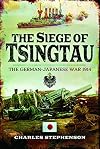
The 19th century was the time of colonialism; all the European powers felt they had to get into the act. Germany was a little late to the game, so basically got stuck with leftovers; little bits of Africa and Oceania and China (it’s noted that Chancellor Bismarck was opposed to the idea of colonies, thinking that Germany had no need for them and that they would just be liabilities in case of war – as usual, the Iron Chancellor was on top of things). The little bit of China was the port show more of Tsingtau (now Qingdao); in 1897 Germany demanded the port as reparation for the murder of two German missionaries and the Chinese government was in no position to resist. Germany developed the city and hinterlands and founded a naval base for the East Asiatic Cruiser Squadron.
When WWI came in 1914, Japan quickly joined the Allies. Apparently the British were under the impression that Japan would commit troops to Europe. The Japanese had other ideas.
Although the Germans had built some fortifications and deployed some troops, there really wasn’t much of a chance to hold off the Japanese and a token British force. The campaign did mark the earliest use of Japanese airpower, mostly for artillery spotting. (The Germans had a single operational Rumpler Taube which did remarkably well by flying off the Tsingtau racecourse). The East Asiatic Cruiser Squadron, under Admiral Graf Spee, fled to try and make it back to Germany; they had some success at the Battle of Coronel and with the detached cruiser Dresden, but were eventually wiped out at the Battle of the Falkland Islands. The Japanese and Australians occupied the rest of Germany’s Pacific possession without difficulty.
Author Charles Stephenson writes a straightforward account of the land and sea battles. Stephenson engages in some reasonable speculation about “what-ifs”: what if von Spee had used his force for commerce raiding instead of trying to get back to Germany; and long-term geopolitical results: did the acquisition of the former German Pacific islands embolden Japan and change US doctrine?
Appropriate illustrations. Good maps of the tactical situation at Tsingtau but the strategic maps could be better; there’s no detailed map showing Tsingtau’s position in China and only vague ones of the German Pacific island possessions. Lots of endnotes. Worth a read to learn about a little-known WWI campaign. Oh, and German brewery knowledge made “Tsingtau” China’s number one beer export. show less
When WWI came in 1914, Japan quickly joined the Allies. Apparently the British were under the impression that Japan would commit troops to Europe. The Japanese had other ideas.
Although the Germans had built some fortifications and deployed some troops, there really wasn’t much of a chance to hold off the Japanese and a token British force. The campaign did mark the earliest use of Japanese airpower, mostly for artillery spotting. (The Germans had a single operational Rumpler Taube which did remarkably well by flying off the Tsingtau racecourse). The East Asiatic Cruiser Squadron, under Admiral Graf Spee, fled to try and make it back to Germany; they had some success at the Battle of Coronel and with the detached cruiser Dresden, but were eventually wiped out at the Battle of the Falkland Islands. The Japanese and Australians occupied the rest of Germany’s Pacific possession without difficulty.
Author Charles Stephenson writes a straightforward account of the land and sea battles. Stephenson engages in some reasonable speculation about “what-ifs”: what if von Spee had used his force for commerce raiding instead of trying to get back to Germany; and long-term geopolitical results: did the acquisition of the former German Pacific islands embolden Japan and change US doctrine?
Appropriate illustrations. Good maps of the tactical situation at Tsingtau but the strategic maps could be better; there’s no detailed map showing Tsingtau’s position in China and only vague ones of the German Pacific island possessions. Lots of endnotes. Worth a read to learn about a little-known WWI campaign. Oh, and German brewery knowledge made “Tsingtau” China’s number one beer export. show less
A book with a narrow focus: the Japanese siege of Tsingtau. Tsingtau was besiged by the Japanese in the early days of WWI. This area was Imperial Germany's foothold in China. Japan, however, was interested in gaining its own foothold as well as acquiring Germany's territories in the Pacific. The book is an interesting read and relativly short given the limited scope. Worth a look if you are interested in WWI, the role Japan played in that conflict and how this action contributed to the later show more developments in WWII. Recommend. show less
A single map listing all the geographic names, regardless of when they came into existence, would be really helpful.
Lossid ja kindlused : vanaaja, keskaja ja uusaja kindlustatud ehitiste ajalugu by Charles Stephenson

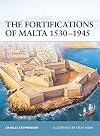
Kummaline teos. Puder und kapsad. Arusaadav on autorite soov anda kõike edasi jooniste ja plaanidega, kuid elementaarne - põhjasuuna ja lõikejoonte näitamine on ununenud. Terminoloogiat kasutatakse segamini koos lauseliste seletustega (ja tõlkes läheb asi veel hullemaks), samas järgmisel leheküljel on vaid enne mittekasutatud termin ja sõnastikus see puudub. Eeldatavasti peaks lugeja seda kasutama kui teatmeteost, mitte kui juturaamatut. Seetõttu võiks olla ühtlustatud terminid show more ja kvaliteetne sõnastik. Aga ei. Ja milles need Lähis-Ida, Põhja-Ameerika, Hiina ja Jaapani objektid süüdi on, et nad sellesse raamatusse sattusid? show less
Nov 19, 2018Estonian
You May Also Like


Statistics
- Works
- 11
- Members
- 354
- Popularity
- #67,647
- Rating
- 3.5
- Reviews
- 4
- ISBNs
- 40
- Languages
- 2