

Katherine Scholes
Author of Peace Begins With You
About the Author
Image credit: Katherine Scholes
Works by Katherine Scholes
O Anjo de Pedra 2 copies
Associated Works
Het beste boek, #277 [Tegenspel; Caleidoscoop; De roep van de olifant; Het kerstlijstje] — some editions — 1 copy
Reader's Digest Auswahlbücher 278 - Der Canyon. Die Heideärztin. Gambling. Die Sturmfängerin (2008) — Author — 1 copy
Tagged
Common Knowledge
- Legal name
- Scholes, Katherine Anne
- Birthdate
- 1959-07-05
- Gender
- female
- Nationality
- Australia
- Birthplace
- Dodoma Region, Tanzania
- Places of residence
- Tasmania, Australia
- Associated Place (for map)
- Australia
Members
Reviews

"It goes without saying that she looks and smells delightful. But this is not enough. The Perfect Wife is always available to offer comfort and reassurance. She never criticises, and avoids offering advice. Her home is a sanctuary for her husband, who has been hard at work all day..."
Leaving scandal behind her in England, Australian born Kitty Hamilton is hoping for a fresh start for herself and her aristocratic husband in Tanganyika (Tanzania). With World War II at an end, Theo has accepted show more an position in Africa with the British Government Groundnut Scheme and Kitty intends to be nothing less than the perfect executive wife. Having taken instruction in Swahili and basic nursing care before leaving England, Kitty intends to fill her days with useful volunteer work in the colony, and her nights rebuilding her relationship with Theo, recapturing the closeness they shared before the war, and Kitty's mistake. Kitty's modest dreams are soon dashed however, Theo is reluctant to spend time with her, busy with the failures plaguing the Scheme and he insists Kitty join the other 'Groundnut' wives whose daily routine consists of little more than gossiping at the Londoni Club. As tensions rise, both within the marriage and amongst the employees of the Scheme, Kitty finds herself torn between duty and passion.
Katherine Scholes was born in Tanzania, East Africa, the daughter of a missionary doctor and an artist. Now settled in Melbourne, her novels most often reflect her connection with Africa and The Perfect Wife draws on, in part, her family's history and experience in the country.
I enjoyed this novel which is set in the late 1940's and explores the theme of being true to oneself. Kitty is a likeable protagonist, the daughter of a hardworking Tasmanian cattle farmer given the chance to escape to England and study art when she inherits a modest sum from an aunt. There, she fortunately attracts the attention of Prince Yuri, a professor at the Slade, and becomes both his muse and his student before meeting the man who will become her husband, Theo Hamilton, a wealthy war pilot. Though largely content, Kitty struggles with her insecurities stemming from her limited knowledge of the world and upper society, and then with guilt when she inadvertently causes a scandal that leaves Theo feeling betrayed. Desperate to save her marriage, Kitty accedes to his demand that she give up art and vows to be a perfect wife, hoping that Tanganyika will be a chance for she and Theo to reconnect but it soon becomes clear that her marriage will never be what she hoped. Scholes thoughtfully examines the conflict Kitty is faced with when she is expected to deny her own needs and desires for so little in return and forced to consider if it is something she can live with.
I had never heard of the Groundnut Scheme and found it a fascinating folly of the British Government. It seems incredible that they chose to try and farm peanuts (for their oil) in the middle of the African desert, managed largely by soldiers, post-war, without any agricultural experience. While their husbands dealt with the inevitable issues of the scheme doomed to failure, most of the wives of the executives, like Kitty, spent their days idly socialising while servants cooked, cleaned and cared for their children. I thought Scholes captured this unique community well including the strict social hierarchy and the attitudes of both the interlopers and locals to the scheme.
There is much more of interest within this novel from the Catholic Mission where Kitty offers her assistance to the recognition of post traumatic stress disorder in returned soldiers. Scholes also touches on the beliefs and culture of the locals, and the corruption of both the land and its people by the British.
As one of Penguin Australia's first titles to be a "Guaranteed Great Read", you can't go wrong by choosing The Perfect Wife. With a full and interesting plot combined with well developed characters set in an exotic location, this novel is interesting and entertaining. show less
Leaving scandal behind her in England, Australian born Kitty Hamilton is hoping for a fresh start for herself and her aristocratic husband in Tanganyika (Tanzania). With World War II at an end, Theo has accepted show more an position in Africa with the British Government Groundnut Scheme and Kitty intends to be nothing less than the perfect executive wife. Having taken instruction in Swahili and basic nursing care before leaving England, Kitty intends to fill her days with useful volunteer work in the colony, and her nights rebuilding her relationship with Theo, recapturing the closeness they shared before the war, and Kitty's mistake. Kitty's modest dreams are soon dashed however, Theo is reluctant to spend time with her, busy with the failures plaguing the Scheme and he insists Kitty join the other 'Groundnut' wives whose daily routine consists of little more than gossiping at the Londoni Club. As tensions rise, both within the marriage and amongst the employees of the Scheme, Kitty finds herself torn between duty and passion.
Katherine Scholes was born in Tanzania, East Africa, the daughter of a missionary doctor and an artist. Now settled in Melbourne, her novels most often reflect her connection with Africa and The Perfect Wife draws on, in part, her family's history and experience in the country.
I enjoyed this novel which is set in the late 1940's and explores the theme of being true to oneself. Kitty is a likeable protagonist, the daughter of a hardworking Tasmanian cattle farmer given the chance to escape to England and study art when she inherits a modest sum from an aunt. There, she fortunately attracts the attention of Prince Yuri, a professor at the Slade, and becomes both his muse and his student before meeting the man who will become her husband, Theo Hamilton, a wealthy war pilot. Though largely content, Kitty struggles with her insecurities stemming from her limited knowledge of the world and upper society, and then with guilt when she inadvertently causes a scandal that leaves Theo feeling betrayed. Desperate to save her marriage, Kitty accedes to his demand that she give up art and vows to be a perfect wife, hoping that Tanganyika will be a chance for she and Theo to reconnect but it soon becomes clear that her marriage will never be what she hoped. Scholes thoughtfully examines the conflict Kitty is faced with when she is expected to deny her own needs and desires for so little in return and forced to consider if it is something she can live with.
I had never heard of the Groundnut Scheme and found it a fascinating folly of the British Government. It seems incredible that they chose to try and farm peanuts (for their oil) in the middle of the African desert, managed largely by soldiers, post-war, without any agricultural experience. While their husbands dealt with the inevitable issues of the scheme doomed to failure, most of the wives of the executives, like Kitty, spent their days idly socialising while servants cooked, cleaned and cared for their children. I thought Scholes captured this unique community well including the strict social hierarchy and the attitudes of both the interlopers and locals to the scheme.
There is much more of interest within this novel from the Catholic Mission where Kitty offers her assistance to the recognition of post traumatic stress disorder in returned soldiers. Scholes also touches on the beliefs and culture of the locals, and the corruption of both the land and its people by the British.
As one of Penguin Australia's first titles to be a "Guaranteed Great Read", you can't go wrong by choosing The Perfect Wife. With a full and interesting plot combined with well developed characters set in an exotic location, this novel is interesting and entertaining. show less
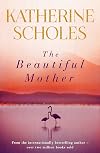
Set in Tanzania during the 1970’s The Beautiful Mother by Katherine Scholes centre’s around archaeologist Essie, who has lived at the Magadi Research Camp since her marriage to fellow archaeologist Ian Lawrence, five years earlier. The Camp, first founded by Ian’s father, and still home to his mother, Julia, has been the source of a number of valuable finds, but with no recent significant discoveries, funds are beginning to dry up. The situation is already tense as the Lawrence’s show more attempt to secure a new patron to continue their search for Homo Erectus, so when Essie inexplicably returns from a scouting trip with an orphaned Hadza infant whom she is to take care of for four months, the future of the Camp is threatened.
Scholes explores a number of themes in The Beautiful Mother. One of the most significant examines universal questions about motherhood as Essie cares for the baby girl she names Mara. It’s a joy to be part of her journey as she opens her heart to Mara, and gains new perspective about who she is and what she wants.
Essie’s relationship with Mara also allows the author to delve into the dynamics of marriage and family as the infant’s presence drives a wedge between Essie, Ian, and Julia. The baby stirs up repressed feelings about the loss of Julia’s youngest son who disappeared as a toddler at Magadi, and Ian resents the changes Mara effects in his previously pliant wife.
Also of importance in the novel is the author’s exploration of home and belonging. This is particularly shown through the character of Essie’s assistant, Simon, who is torn between his perception of himself as a ‘modern’ Tanzanian, and his birthright as as a member of the Hadza.
Scholes descriptions of the Tanzanian landscape are breathtakingly vivid from the red rocky desert plains of Magadi to the majesty of Ol Doinyo Lengai, an ever grumbling volcano. I found it easy to visualise the layout of the Camp, it’s work tables cluttered with tools and specimens, and the careful grids of the nearby the dig sites. The people too are easy to imagine from Mara’s bright eyes, to the African Camp workers, and the women of the nearby Maasai village.
A well told, evocative novel The Beautiful Mother is sure to engage both interest and emotion. show less
Scholes explores a number of themes in The Beautiful Mother. One of the most significant examines universal questions about motherhood as Essie cares for the baby girl she names Mara. It’s a joy to be part of her journey as she opens her heart to Mara, and gains new perspective about who she is and what she wants.
Essie’s relationship with Mara also allows the author to delve into the dynamics of marriage and family as the infant’s presence drives a wedge between Essie, Ian, and Julia. The baby stirs up repressed feelings about the loss of Julia’s youngest son who disappeared as a toddler at Magadi, and Ian resents the changes Mara effects in his previously pliant wife.
Also of importance in the novel is the author’s exploration of home and belonging. This is particularly shown through the character of Essie’s assistant, Simon, who is torn between his perception of himself as a ‘modern’ Tanzanian, and his birthright as as a member of the Hadza.
Scholes descriptions of the Tanzanian landscape are breathtakingly vivid from the red rocky desert plains of Magadi to the majesty of Ol Doinyo Lengai, an ever grumbling volcano. I found it easy to visualise the layout of the Camp, it’s work tables cluttered with tools and specimens, and the careful grids of the nearby the dig sites. The people too are easy to imagine from Mara’s bright eyes, to the African Camp workers, and the women of the nearby Maasai village.
A well told, evocative novel The Beautiful Mother is sure to engage both interest and emotion. show less
This book tells the story of Kitty Hamilton and her husband Theo. Kitty and Theo go to Africa to escape a scandal caused by Kitty, with hopes for a fresh start. It is a chance in a new environment where they are not known for Kitty to become 'the perfect wife' and thus save their marriage. Theo is a member of the English aristocracy, and former air force pilot, sent over there in the 1940s to work on the British groundnut scheme. Kitty is the daughter of a Tasmanian cattle farmer who met show more Theo in England. She finds it difficult to fit in with the role expected of a British woman in Africa. It is a very different life from what she is used to and she wants to do more that just socialise with other women in the club. She had learnt some of the language and studied nursing before she went with the aim of making herself useful in the community. Theo cannot understand that this is not enough for her and their relationship suffers. Kitty begins to do voluntary work at the Catholic mission which she enjoys but which angers Theo. The groundnut scheme has not been thought through carefully - having ex soldiers with no experience trying to farm peanuts in a country unknown to them with no consideration fo the beliefs and culture of the locals. It is doomed to failure and the inevitable confrontaion with the locals comes.I enjoyed the book. It created a detailed and effective picture of life at the time for the British community. I liked the character of KItty. Couldn't say the same for Theo though. show less

A well-written "forbidden love" love story with some depth. I enjoyed the 1960s Tanzanian setting and local culture as much as the story itself. Very enjoyable story, although the ending was a little too trite for my liking especially when the rest of the novel had been so interesting.
Awards


You May Also Like


Associated Authors
Statistics
- Works
- 18
- Also by
- 3
- Members
- 995
- Popularity
- #25,893
- Rating
- 3.7
- Reviews
- 19
- ISBNs
- 138
- Languages
- 10
- Favorited
- 1