
Henry Mancini (1924–1994)
Author of Sounds and Scores : A Practical Guide to Professional Orchestration
About the Author
Image credit: wikimedia.org
Works by Henry Mancini
Pure Gold [sound recording] 11 copies
Music from Peter Gunn (1958) 5 copies
Touch Of Evil: Original Motion Picture Soundtrack — Composer — 4 copies
Days of Wine and Roses Sheet Music 4 copies
Two for the Road [sheet music] — Composer — 4 copies
The Pink Panther And Other Hits 4 copies
Uniquely Mancini 3 copies
The Party 3 copies
The Music of Henry Mancini, Plus One: 20 Great Songs to Play With Orchestral Accompaniment Cd : Clarinet (1998) 3 copies
The Concert Sound Of Henry Mancini 3 copies
Jazz From "Peter Gunn" 3 copies
Mr. Hobbs Takes a Vacation (1962) 3 copies
In the Pink 3 copies
In the Pink [sound recording] — Composer — 3 copies
Penelope (1966) / Bachelor in Paradise (1961) — Composer — 3 copies
Mancini '67 LP 2 copies
Darling Lili 2 copies
Sunflower (1970) 2 copies
The Moneychangers (1976) 2 copies
This Is Henry Mancini 2 copies
Romantic Movie Themes 2 copies
Latin Sound Of [LP record] 2 copies
Visions of Eight (1973) 2 copies
Pink Panther: Piano Solo 2 copies
Combo! [audio CD] 2 copies
The Thief who came to Dinner (1973) 2 copies
Sometimes a Great Notion (1972) 2 copies
Pink Panther (Original Soundtrack) 2 copies
The Pink Panther 2 copies
The Big Latin Band of Henry Mancini 2 copies
The Days of Wine & Roses 2 copies
The Mancini Touch (Mono) 2 copies
Simply Mancini: The Music of Henry Mancini -- 21 of His Memorable Melodies (Simply Series) (2007) 2 copies
The Music of Henry Mancini Plus One: Alto Saxophone : 20 Great Songs to Play With Orchestral Accompaniment Cd (1998) 2 copies
Gunn...Number One! (Mono) 2 copies
Songs and Themes by Mancini; Ten Outstanding Compositions from Motion Pictures [songbook] (1964) 2 copies
Six Hours Past Sunset 1 copy
Till the End of Time 1 copy
The Theme Scene 1 copy
The Latin Sound (1965) (CD) 1 copy
Peter Gunn for Piano 1 copy
Fear (Original Soundtrack) 1 copy
Gaily, Gaily 1 copy
"10" 1 copy
W.C. Fields and Me 1 copy
Condorman 1 copy
The White Dawn 1 copy
Birth of Hollywood Cool 1 copy
Romantic Piano & Orchestra 1 copy
The Prisoner Of Zenda 1 copy
Bachelor In Paradise 1 copy
Nightwing 1 copy
Mommy Dearest 1 copy
Breakfast At Tiffany's (1961) (Ost) / Moon River And Me (2012) (CD) — Composer — 1 copy
Blind Date 1 copy
Platinum & Gold Collection 1 copy
Days of Wine and Roses: Original Motion Picture Soundtrack — Composer — 1 copy
The Ultimate Collection 1 copy
Our Man In Hollywood 1 copy
The Cop Show Themes 1 copy
Arabesque 1 copy
Mancini Concert 1 copy
High Time 1 copy
The Best Of Mancini-Volume 2 1 copy
Big Screen-Little Screen 1 copy
A Concert Of Film Music 1 copy
Country Gentleman 1 copy
The Mancini Generation 1 copy
Hangin' Out 1 copy
Dream Of You 1 copy
Great Music From The Movies 1 copy
The Glass Menagerie 1 copy
Everybody's Favorite 1 copy
Experiment In Terror 1 copy
Milestones Of A Legend 1 copy
Santa Claus-The Movie 1 copy
March Step In Hi Fi (Mono) 1 copy
Mancini's Monster Hits 1 copy
Revenge Of The Pink Panther 1 copy
Film Music By Mancini 1 copy
Oklahoma Crude 1 copy
The Molly Maguires 1 copy
Me, Natalie 1 copy
Frenzy [soundtrack] — Composer — 1 copy
Mancini's Angels 1 copy
The Mancini Sound 1 copy
Mancini Salutes Sousa 1 copy
Mancini Plays Mancini 1 copy
Martinis With Mancini 1 copy
Mancini Marches 1 copy
Reader's Digest: Henry Mancini Plays Great Favorites of the 60s and 70s by Unknown (1989-01-01? (1989) 1 copy
Prisoner of Zenda (1979) 1 copy
Legends 1 copy
Pink Panther, The 1 copy
Fluters' ball 1 copy
The Pink Panther Piano Solo 1 copy
Music of 1 copy
Peter Gunn 1 copy
Pantera Cor-de-Rosa (DVD) 1 copy
Newhart 1 copy
Monica Mancini 1 copy
The Sweetheart Tree (From Warner Bros. Pictures 'The Great Race') — Music — 1 copy
the versatile henry mancini 1 copy
sousa's greatest marches 1 copy
Dear Heart [sheet music] 1 copy
The Blues and the Beat 1 copy
Hatari 1 copy
Ultimate Mancini (Music CD) 1 copy
Henry Mancini Collection 1 copy
The Thief Who Came To Dinner 1 copy
Moon River/Peter Gunn Theme 1 copy
Ravel's Bolero [single] 1 copy
Driftwood and dreams [lp,uk] 1 copy
hangin' out with 1 copy
Mancini Magic [LP] 1 copy
Mancini country 1 copy
The Great Race (1965) 1 copy
Married to It (1991) 1 copy
99 44/100% DEAD! (1974) 1 copy
Silver Streak (1976) 1 copy
Mommie Dearest (1981) 1 copy
Harry & Son (1984) 1 copy
Sunset (1988) 1 copy
Instrumental Favorites 1 copy
Associated Works
Born On The Fourth Of July: Motion Picture Soundtrack Album — Contributor — 6 copies
Bella luna [Starbucks] — Contributor — 2 copies
The Score: 20 Ultra-Cool Soundtracks From The Producers Of Mojo — Contributor — 1 copy
Tagged
Common Knowledge
- Canonical name
- Mancini, Henry
- Legal name
- Mancini, Enrico Nicola
- Birthdate
- 1924-04-16
- Date of death
- 1994-06-14
- Gender
- male
- Occupations
- composer
- Organizations
- Glenn Miller Orchestra
Universal Studios - Awards and honors
- Grammy Awards (20)
Academy Award (4) - Relationships
- Edwards, Blake (collaborator)
- Cause of death
- pancreatic cancer
- Nationality
- USA
- Birthplace
- Maple Heights, Ohio, USA
- Place of death
- Los Angeles, California, USA
- Associated Place (for map)
- USA
Members
Reviews
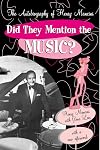
Henry Mancini’s autobiography is perhaps a reflection of the man himself, in that it’s understated, humble, and fair. It reflects what a nice man he was, both warm and caring, but imperfect. He doesn’t gloss over his own failings, albeit family or professional, but neither does he delve too deeply into them. Nor does he delve too deeply into the private lives of others. It wasn’t Mancini’s style. Yet what he doesn’t say comes through loud and clear, so much so, that once we reach show more the postscript, we feel a deep remorse that he’s gone, even though we know he passed some years ago.
There is a lot about the music here, the films scored, his relationships with Blake Edwards, Peter Sellers, David Niven, and of course, Mancini’s wife, singer Ginny O’Conner. But there is also a lot about family, Mancini’s own, certainly, including his son, Chris, and twin daughters, and the grandchild Hank and Ginny raised. But it all goes back to his humble — and in some ways horrific — beginnings, which Mancini never forgot. Mancini was Italian, but his father was actually from the old country, had led a very difficult life. He was a man unable to display affection for his son, but worse, one prone to great and brutal violence. Perhaps it was only the intervention at times by his diminutive mother, who loved both Hank and her husband, that kept it from getting worse.
And yet, Mancini makes clear that his father loved him, in a manner. He was the one who made certain that Hank got an education in music, so that he would not be tied to the mills and factories of Pittsburg, and his hometown, Aliquippa. He wanted his son to get out. Mancini struggled his entire life, quietly trying to understand his father, and yet not be like him with his own children. Mancini recalls an argument between his father and mother, in which his father took a bottle of pills away from her, perhaps to prevent her from great harm. Yet his father seemed as incapable of affection with his mother, as he was with Hank.
Though this sounds dark and dreary — as it should — everything Mancini writes about is conversational, matter-of-fact; just a tall, sophisticated gent with a nice demeanor, sitting in an elegant cocktail lounge, sipping on an apple martini, while a small jazz trio begins playing Lujon. Henry will, of course, smile and say quietly, but with pride, “I wrote that one. Let me tell you how it came about.”
In essence, that’s what you get here, a very nice, incredibly talented man, recalling both his life, and his life in music. A perfect example of the memoir’s style — and Mancini’s style — is his sometime funny, yet quietly appalling account of his time in the War. He was lucky, as he is the first to tell you. His biggest piece of luck was being drafted once he went to New York. Had he been drafted in Aliquippa, he would have ended up a tail-gunner, but instead caught some breaks, ending up in the bands. He even got to Nice. But he also was a driver for a chaplain who was so despicable that he stole stained glass from churches, and cases of champagne, selling them for profit, either to the soldiers, or sending them overseas. And in the theater in Europe, he saw former prisoners with rifles, forcing the SS soldiers to give the remaining dead a proper burial. Mancini writes of the Mautausen concentration camp:
“The smell of quicklime was everywhere. The cremation ovens were still warm, with traces of smoke rising from the chimneys.”
And then this:
“At the end of the day we left, and as we drove back to our camp I saw the villagers through different eyes than I had a few hours before. Within a mile of them, unspeakable horror had occurred; here, life went on as usual. Some of them must have known. No one could convince me otherwise.”
And then suddenly — the next paragraph! — the War is over, and Hank is recalling how beautiful the Rhone Valley and its lush countryside were, and how he joined up with some musicians in search of a flute player. A nice man who couldn’t hide the truth, yet didn’t want the reader of his autobiography to dwell on the horror of war. It was bad enough that he’d seen it, he felt lucky that he’d survived — with another shout out to Glenn Miller, who had put in a word. There is no trash here, no taking swipes at people, even when they deserve it. It’s mostly about the people who helped him most, like Max Adkins, and the wonderful people he worked with, the films he scored. Even when there are disagreements, he glosses over them. Perhaps the closest we get to that are a few comments about Benny Goodman, but the fact that Goodman was a cold cat — many have called him a jerk — is hardly news.
Actor Jeff Chandler was a good pal, and his tragic and needless death at a young age is given a moment. So is the wreck which took the eye of Mancini’s friend, Sammy Davis Jr. So is racism within the film music industry, something I’d honestly not considered much within the context Mancini places it. Mancini bristles when he recalls receiving a phone call from a studio asking if he thought Quincy Jones capable of scoring a film — because he was black. He got the gig because of Mancini. He also states how hyped Sammy was when Mancini wanted him to come out and do a song for a film. Sammy and his guys were tired of staying at the shanties; he wasn’t allowed as a guest in many of the places he was playing — even though he was getting big.
The great Johnny Mercer is in here a lot, of course, as is Mancini’s wife. But a huge amount really is about the music. From Peter Gunn to Breakfast at Tiffany’s, from Days of Wine and Roses to Charade, all the stuff surrounding the songs, and the pictures, is here. Moon River was almost cut from Tiffany’s, and might have been if not for Audrey and Blake. My favorite piece of Mancini’s music, Lujon, is never mentioned, but Hatari, The Pink Panther and so many others are, it’s only a personal quibble. I would be shocked, however, if everyone who reads this is not as surprised as I was to discover Hank’s favorite score, the one which always makes his eyes watery. Who knew?
Sophisticated yet down to earth, Mancini was a guy who never forget his time at Julliard. Once the allowance his father sent him was gone each month, he survived on a three-square diet of Hershey bars. Later, when the first royalty for the Peter Gunn soundtrack arrived, Mancini and his wife had 5 bucks in their account. The check was for $32,000. No wonder he marveled at his life, and tried to give back as much as he was able. So did his wife, Ginny. In the preface by Gene Lees, who is the former editor of Down Beat, there are two great stories. One shows Mancini’s off-beat sense of humor, the other, his quiet kindness and charity.
After the postscript, there is an appendix of awards, accomplishments, and a discography. It is a staggering body of work. Being a huge Mancini fan, I have a lot of the music. When I’m writing, more often than not, I have Mancini’s music playing quietly in the background. Writing is about mood, and no one ever did that better than Mancini. The only caveat here is that people have become so used to salacious revelations in biographies and autobiographies, some might view this as a bit too vanilla. But this is written by a guy with class, so you aren’t going to find that here in any way, shape, or form.
On a technical note, the Kindle version has quite a number of typos. It’s not enough to be distracting, but more than the three or four I’d normally allow — and expect — for a book with this page count. Mancini deserves better. This is a nice read, written by a nice man. The effect of time with Mancini is cumulative. When we reach the postscript by Gene Lees, we feel deep sadness, as though we’ve lost someone. Maybe it’s because there aren’t enough nice people like Mancini around any more, especially in the music business. Mancini’s passing was a terrible loss, but I’m sure somewhere in heaven, something pretty is being composed at this very moment, with Johnny Mercer adding some great lyrics… show less
There is a lot about the music here, the films scored, his relationships with Blake Edwards, Peter Sellers, David Niven, and of course, Mancini’s wife, singer Ginny O’Conner. But there is also a lot about family, Mancini’s own, certainly, including his son, Chris, and twin daughters, and the grandchild Hank and Ginny raised. But it all goes back to his humble — and in some ways horrific — beginnings, which Mancini never forgot. Mancini was Italian, but his father was actually from the old country, had led a very difficult life. He was a man unable to display affection for his son, but worse, one prone to great and brutal violence. Perhaps it was only the intervention at times by his diminutive mother, who loved both Hank and her husband, that kept it from getting worse.
And yet, Mancini makes clear that his father loved him, in a manner. He was the one who made certain that Hank got an education in music, so that he would not be tied to the mills and factories of Pittsburg, and his hometown, Aliquippa. He wanted his son to get out. Mancini struggled his entire life, quietly trying to understand his father, and yet not be like him with his own children. Mancini recalls an argument between his father and mother, in which his father took a bottle of pills away from her, perhaps to prevent her from great harm. Yet his father seemed as incapable of affection with his mother, as he was with Hank.
Though this sounds dark and dreary — as it should — everything Mancini writes about is conversational, matter-of-fact; just a tall, sophisticated gent with a nice demeanor, sitting in an elegant cocktail lounge, sipping on an apple martini, while a small jazz trio begins playing Lujon. Henry will, of course, smile and say quietly, but with pride, “I wrote that one. Let me tell you how it came about.”
In essence, that’s what you get here, a very nice, incredibly talented man, recalling both his life, and his life in music. A perfect example of the memoir’s style — and Mancini’s style — is his sometime funny, yet quietly appalling account of his time in the War. He was lucky, as he is the first to tell you. His biggest piece of luck was being drafted once he went to New York. Had he been drafted in Aliquippa, he would have ended up a tail-gunner, but instead caught some breaks, ending up in the bands. He even got to Nice. But he also was a driver for a chaplain who was so despicable that he stole stained glass from churches, and cases of champagne, selling them for profit, either to the soldiers, or sending them overseas. And in the theater in Europe, he saw former prisoners with rifles, forcing the SS soldiers to give the remaining dead a proper burial. Mancini writes of the Mautausen concentration camp:
“The smell of quicklime was everywhere. The cremation ovens were still warm, with traces of smoke rising from the chimneys.”
And then this:
“At the end of the day we left, and as we drove back to our camp I saw the villagers through different eyes than I had a few hours before. Within a mile of them, unspeakable horror had occurred; here, life went on as usual. Some of them must have known. No one could convince me otherwise.”
And then suddenly — the next paragraph! — the War is over, and Hank is recalling how beautiful the Rhone Valley and its lush countryside were, and how he joined up with some musicians in search of a flute player. A nice man who couldn’t hide the truth, yet didn’t want the reader of his autobiography to dwell on the horror of war. It was bad enough that he’d seen it, he felt lucky that he’d survived — with another shout out to Glenn Miller, who had put in a word. There is no trash here, no taking swipes at people, even when they deserve it. It’s mostly about the people who helped him most, like Max Adkins, and the wonderful people he worked with, the films he scored. Even when there are disagreements, he glosses over them. Perhaps the closest we get to that are a few comments about Benny Goodman, but the fact that Goodman was a cold cat — many have called him a jerk — is hardly news.
Actor Jeff Chandler was a good pal, and his tragic and needless death at a young age is given a moment. So is the wreck which took the eye of Mancini’s friend, Sammy Davis Jr. So is racism within the film music industry, something I’d honestly not considered much within the context Mancini places it. Mancini bristles when he recalls receiving a phone call from a studio asking if he thought Quincy Jones capable of scoring a film — because he was black. He got the gig because of Mancini. He also states how hyped Sammy was when Mancini wanted him to come out and do a song for a film. Sammy and his guys were tired of staying at the shanties; he wasn’t allowed as a guest in many of the places he was playing — even though he was getting big.
The great Johnny Mercer is in here a lot, of course, as is Mancini’s wife. But a huge amount really is about the music. From Peter Gunn to Breakfast at Tiffany’s, from Days of Wine and Roses to Charade, all the stuff surrounding the songs, and the pictures, is here. Moon River was almost cut from Tiffany’s, and might have been if not for Audrey and Blake. My favorite piece of Mancini’s music, Lujon, is never mentioned, but Hatari, The Pink Panther and so many others are, it’s only a personal quibble. I would be shocked, however, if everyone who reads this is not as surprised as I was to discover Hank’s favorite score, the one which always makes his eyes watery. Who knew?
Sophisticated yet down to earth, Mancini was a guy who never forget his time at Julliard. Once the allowance his father sent him was gone each month, he survived on a three-square diet of Hershey bars. Later, when the first royalty for the Peter Gunn soundtrack arrived, Mancini and his wife had 5 bucks in their account. The check was for $32,000. No wonder he marveled at his life, and tried to give back as much as he was able. So did his wife, Ginny. In the preface by Gene Lees, who is the former editor of Down Beat, there are two great stories. One shows Mancini’s off-beat sense of humor, the other, his quiet kindness and charity.
After the postscript, there is an appendix of awards, accomplishments, and a discography. It is a staggering body of work. Being a huge Mancini fan, I have a lot of the music. When I’m writing, more often than not, I have Mancini’s music playing quietly in the background. Writing is about mood, and no one ever did that better than Mancini. The only caveat here is that people have become so used to salacious revelations in biographies and autobiographies, some might view this as a bit too vanilla. But this is written by a guy with class, so you aren’t going to find that here in any way, shape, or form.
On a technical note, the Kindle version has quite a number of typos. It’s not enough to be distracting, but more than the three or four I’d normally allow — and expect — for a book with this page count. Mancini deserves better. This is a nice read, written by a nice man. The effect of time with Mancini is cumulative. When we reach the postscript by Gene Lees, we feel deep sadness, as though we’ve lost someone. Maybe it’s because there aren’t enough nice people like Mancini around any more, especially in the music business. Mancini’s passing was a terrible loss, but I’m sure somewhere in heaven, something pretty is being composed at this very moment, with Johnny Mercer adding some great lyrics… show less
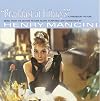
1 Moon River
Accordion – Carl Fortina
Bass – Red Mitchell
Chorus – Chorus*
Drums – Larry Bunker, Shelly Manne
Guitar – Alton Hendrickson*, Bob Bain, Laurindo Almeida
Harmonica – Toots Thielemans
Lyrics By – Johnny Mercer
Organ – Victor Piemonte
Piano – Jimmy Rowles
2:41
2 Something For Cat
Bass – Red Mitchell
Drums – Larry Bunker, Milton Holland*, Ralph Collier, Shelly Manne
Guitar – Robert Bain*
Piano – Jimmy Rowles
Reeds – Gene Cipriano, Justin Gordon, Ronald Langinger, Wilbur show more Schwartz
Trombone – Richard Nash*, George Roberts, James Priddy*, James Halliburton*
Trumpet – Frank Beach, Joseph Triscari*, Pete Candoli, Raymond Triscari*
3:07
3 Sally's Tomato
Bass – Red Mitchell
Chorus – Chorus*
Drums – Larry Bunker, Milton Holland*, Ralph Collier, Shelly Manne
Guitar – Robert Bain*
Piano – Jimmy Rowles
Reeds – Gene Cipriano, Justin Gordon, Ronald Langinger, Wilbur Schwartz
Trombone – Richard Nash*, George Roberts, James Priddy*, James Halliburton*
Trumpet – Frank Beach, Joseph Triscari*, Pete Candoli, Raymond Triscari*
3:05
4 Mr. Yunioshi
Bass – Red Mitchell
Drums – Shelly Manne
Guitar – Robert Bain*
Percussion – Louis Singer*
Piano – Jimmy Rowles
Reeds – Gene Cipriano, Justin Gordon, Ronald Langinger, Wilbur Schwartz
Trombone – Richard Nash*, James Priddy*, James Halliburton*, Karl DeKarske*
Vibraphone – Larry Bunker
2:29
5 The Big Blow Out
Bass – Red Mitchell
Drums – Larry Bunker, Milton Holland*, Ralph Collier, Shelly Manne
Guitar – Robert Bain*
Piano – Jimmy Rowles
Reeds – Gene Cipriano, Justin Gordon, Ronald Langinger, Wilbur Schwartz
Trombone – Richard Nash*, George Roberts, James Priddy*, James Halliburton*
Trumpet – Frank Beach, Joseph Triscari*, Pete Candoli, Raymond Triscari*
2:26
6 Hub Caps And Tail Lights
Bass – Red Mitchell
Drums – Shelly Manne
Guitar – Robert Bain*
Percussion – Louis Singer*
Piano – Jimmy Rowles
Reeds – Gene Cipriano, Justin Gordon, Ronald Langinger, Wilbur Schwartz
Trombone – Richard Nash*, James Priddy*, James Halliburton*, Karl DeKarske*
Vibraphone – Larry Bunker
2:24
7 Breakfast At Tiffany's
Bass – Red Mitchell
Drums – Shelly Manne
Guitar – Robert Bain*
Percussion – Louis Singer*
Piano – Jimmy Rowles
Reeds – Gene Cipriano, Justin Gordon, Ronald Langinger, Wilbur Schwartz
Trombone – Richard Nash*, James Priddy*, James Halliburton*, Karl DeKarske*
Vibraphone – Larry Bunker
2:45
8 Latin Golightly
Bass – Red Mitchell
Chorus – Chorus*
Drums – Larry Bunker, Milton Holland*, Ralph Collier, Shelly Manne
Guitar – Robert Bain*
Piano – Jimmy Rowles
Reeds – Gene Cipriano, Justin Gordon, Ronald Langinger, Wilbur Schwartz
Trombone – Richard Nash*, George Roberts, James Priddy*, James Halliburton*
Trumpet – Frank Beach, Joseph Triscari*, Pete Candoli, Raymond Triscari*
2:57
9 Holly
Bass – Red Mitchell
Drums – Shelly Manne
Guitar – Robert Bain*
Percussion – Louis Singer*
Piano – Jimmy Rowles
Reeds – Gene Cipriano, Justin Gordon, Ronald Langinger, Wilbur Schwartz
Trombone – Richard Nash*, James Priddy*, James Halliburton*, Karl DeKarske*
Vibraphone – Larry Bunker
3:18
10 Loose Caboose
Bass – Red Mitchell
Chorus – Chorus*
Drums – Larry Bunker, Milton Holland*, Ralph Collier, Shelly Manne
Guitar – Robert Bain*
Piano – Jimmy Rowles
Reeds – Gene Cipriano, Justin Gordon, Ronald Langinger, Wilbur Schwartz
Trombone – Richard Nash*, George Roberts, James Priddy*, James Halliburton*
Trumpet – Frank Beach, Joseph Triscari*, Pete Candoli, Raymond Triscari*
3:08
11 The Big Heist
Bass – Red Mitchell
Drums – Shelly Manne
Guitar – Robert Bain*
Percussion – Louis Singer*
Piano – Jimmy Rowles
Reeds – Gene Cipriano, Justin Gordon, Ronald Langinger, Wilbur Schwartz
Trombone – Richard Nash*, James Priddy*, James Halliburton*, Karl DeKarske*
Vibraphone – Larry Bunker
3:07
12 Moon River Cha Cha
Bass – Red Mitchell
Chorus – Chorus*
Drums – Larry Bunker, Milton Holland*, Ralph Collier, Shelly Manne
Guitar – Robert Bain*
Lyrics By – Johnny Mercer
Piano – Jimmy Rowles
Reeds – Gene Cipriano, Justin Gordon, Ronald Langinger, Wilbur Schwartz
Trombone – Richard Nash*, George Roberts, James Priddy*, James Halliburton*
Trumpet – Frank Beach, Joseph Triscari*, Pete Candoli, Raymond Triscari*
2:35 show less
Accordion – Carl Fortina
Bass – Red Mitchell
Chorus – Chorus*
Drums – Larry Bunker, Shelly Manne
Guitar – Alton Hendrickson*, Bob Bain, Laurindo Almeida
Harmonica – Toots Thielemans
Lyrics By – Johnny Mercer
Organ – Victor Piemonte
Piano – Jimmy Rowles
2:41
2 Something For Cat
Bass – Red Mitchell
Drums – Larry Bunker, Milton Holland*, Ralph Collier, Shelly Manne
Guitar – Robert Bain*
Piano – Jimmy Rowles
Reeds – Gene Cipriano, Justin Gordon, Ronald Langinger, Wilbur show more Schwartz
Trombone – Richard Nash*, George Roberts, James Priddy*, James Halliburton*
Trumpet – Frank Beach, Joseph Triscari*, Pete Candoli, Raymond Triscari*
3:07
3 Sally's Tomato
Bass – Red Mitchell
Chorus – Chorus*
Drums – Larry Bunker, Milton Holland*, Ralph Collier, Shelly Manne
Guitar – Robert Bain*
Piano – Jimmy Rowles
Reeds – Gene Cipriano, Justin Gordon, Ronald Langinger, Wilbur Schwartz
Trombone – Richard Nash*, George Roberts, James Priddy*, James Halliburton*
Trumpet – Frank Beach, Joseph Triscari*, Pete Candoli, Raymond Triscari*
3:05
4 Mr. Yunioshi
Bass – Red Mitchell
Drums – Shelly Manne
Guitar – Robert Bain*
Percussion – Louis Singer*
Piano – Jimmy Rowles
Reeds – Gene Cipriano, Justin Gordon, Ronald Langinger, Wilbur Schwartz
Trombone – Richard Nash*, James Priddy*, James Halliburton*, Karl DeKarske*
Vibraphone – Larry Bunker
2:29
5 The Big Blow Out
Bass – Red Mitchell
Drums – Larry Bunker, Milton Holland*, Ralph Collier, Shelly Manne
Guitar – Robert Bain*
Piano – Jimmy Rowles
Reeds – Gene Cipriano, Justin Gordon, Ronald Langinger, Wilbur Schwartz
Trombone – Richard Nash*, George Roberts, James Priddy*, James Halliburton*
Trumpet – Frank Beach, Joseph Triscari*, Pete Candoli, Raymond Triscari*
2:26
6 Hub Caps And Tail Lights
Bass – Red Mitchell
Drums – Shelly Manne
Guitar – Robert Bain*
Percussion – Louis Singer*
Piano – Jimmy Rowles
Reeds – Gene Cipriano, Justin Gordon, Ronald Langinger, Wilbur Schwartz
Trombone – Richard Nash*, James Priddy*, James Halliburton*, Karl DeKarske*
Vibraphone – Larry Bunker
2:24
7 Breakfast At Tiffany's
Bass – Red Mitchell
Drums – Shelly Manne
Guitar – Robert Bain*
Percussion – Louis Singer*
Piano – Jimmy Rowles
Reeds – Gene Cipriano, Justin Gordon, Ronald Langinger, Wilbur Schwartz
Trombone – Richard Nash*, James Priddy*, James Halliburton*, Karl DeKarske*
Vibraphone – Larry Bunker
2:45
8 Latin Golightly
Bass – Red Mitchell
Chorus – Chorus*
Drums – Larry Bunker, Milton Holland*, Ralph Collier, Shelly Manne
Guitar – Robert Bain*
Piano – Jimmy Rowles
Reeds – Gene Cipriano, Justin Gordon, Ronald Langinger, Wilbur Schwartz
Trombone – Richard Nash*, George Roberts, James Priddy*, James Halliburton*
Trumpet – Frank Beach, Joseph Triscari*, Pete Candoli, Raymond Triscari*
2:57
9 Holly
Bass – Red Mitchell
Drums – Shelly Manne
Guitar – Robert Bain*
Percussion – Louis Singer*
Piano – Jimmy Rowles
Reeds – Gene Cipriano, Justin Gordon, Ronald Langinger, Wilbur Schwartz
Trombone – Richard Nash*, James Priddy*, James Halliburton*, Karl DeKarske*
Vibraphone – Larry Bunker
3:18
10 Loose Caboose
Bass – Red Mitchell
Chorus – Chorus*
Drums – Larry Bunker, Milton Holland*, Ralph Collier, Shelly Manne
Guitar – Robert Bain*
Piano – Jimmy Rowles
Reeds – Gene Cipriano, Justin Gordon, Ronald Langinger, Wilbur Schwartz
Trombone – Richard Nash*, George Roberts, James Priddy*, James Halliburton*
Trumpet – Frank Beach, Joseph Triscari*, Pete Candoli, Raymond Triscari*
3:08
11 The Big Heist
Bass – Red Mitchell
Drums – Shelly Manne
Guitar – Robert Bain*
Percussion – Louis Singer*
Piano – Jimmy Rowles
Reeds – Gene Cipriano, Justin Gordon, Ronald Langinger, Wilbur Schwartz
Trombone – Richard Nash*, James Priddy*, James Halliburton*, Karl DeKarske*
Vibraphone – Larry Bunker
3:07
12 Moon River Cha Cha
Bass – Red Mitchell
Chorus – Chorus*
Drums – Larry Bunker, Milton Holland*, Ralph Collier, Shelly Manne
Guitar – Robert Bain*
Lyrics By – Johnny Mercer
Piano – Jimmy Rowles
Reeds – Gene Cipriano, Justin Gordon, Ronald Langinger, Wilbur Schwartz
Trombone – Richard Nash*, George Roberts, James Priddy*, James Halliburton*
Trumpet – Frank Beach, Joseph Triscari*, Pete Candoli, Raymond Triscari*
2:35 show less
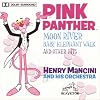
The Pink Panther
1 The Pink Panther Theme 2:36
2 Royal Blue 3:11
3 Champagne And Quail 2:45
4 The Lonely Princess 2:26
5 It Had Better Be Tonight
Lyrics By – Migliacci*, Mercer*
Vocals – Meglio Stasera*
1:56
Charade
6 Charade
Lyrics By – Johnny Mercer
2:36
7 Mégève 2:59
8 Latin Snowfall 2:32
9 Bateau Mouche 2:53
10 Bistro 1:48
Hatari!
11 Theme From "Hatari!" 2:56
12 Baby Elephant Walk 2:43
13 Night Shade 3:24
14 Your Father's Feathers 3:31
15 The Sounds Of Hatari 6:44
Breakfast At Tiffany's
16 Breakfast show more At Tiffany's 2:47
17 Something For Cat 3:09
18 Sally's Tomato 3:07
19 Holly 3:20
20 Latin Golightly 2:58
21 Moon River
Lyrics By – Johnny Mercer
2:42 show less
1 The Pink Panther Theme 2:36
2 Royal Blue 3:11
3 Champagne And Quail 2:45
4 The Lonely Princess 2:26
5 It Had Better Be Tonight
Lyrics By – Migliacci*, Mercer*
Vocals – Meglio Stasera*
1:56
Charade
6 Charade
Lyrics By – Johnny Mercer
2:36
7 Mégève 2:59
8 Latin Snowfall 2:32
9 Bateau Mouche 2:53
10 Bistro 1:48
Hatari!
11 Theme From "Hatari!" 2:56
12 Baby Elephant Walk 2:43
13 Night Shade 3:24
14 Your Father's Feathers 3:31
15 The Sounds Of Hatari 6:44
Breakfast At Tiffany's
16 Breakfast show more At Tiffany's 2:47
17 Something For Cat 3:09
18 Sally's Tomato 3:07
19 Holly 3:20
20 Latin Golightly 2:58
21 Moon River
Lyrics By – Johnny Mercer
2:42 show less
1 Moon River 2:39
2 Days Of Wine And Roses 2:05
3 Charade 2:34
4 Moment To Moment 2:53
5 Love Theme From "Romeo & Juliet" 2:31
6 The Pink Panther Theme 2:36
7 Mr. Lucky 2:11
8 Baby Elephant Walk 2:40
9 Peter Gunn 2:04
10 It Had Better Be Tonight (Meglio Stasera) 1:44
2 Days Of Wine And Roses 2:05
3 Charade 2:34
4 Moment To Moment 2:53
5 Love Theme From "Romeo & Juliet" 2:31
6 The Pink Panther Theme 2:36
7 Mr. Lucky 2:11
8 Baby Elephant Walk 2:40
9 Peter Gunn 2:04
10 It Had Better Be Tonight (Meglio Stasera) 1:44
Awards

You May Also Like


Associated Authors
Statistics
- Works
- 303
- Also by
- 47
- Members
- 752
- Popularity
- #33,828
- Rating
- 3.8
- Reviews
- 8
- ISBNs
- 54
- Languages
- 2