
Clara Parkes
Author of The Knitter's Book of Yarn: The Ultimate Guide to Choosing, Using, and Enjoying Yarn
About the Author
Image credit: via Penguin Random House
Series
Works by Clara Parkes
The Knitter's Book of Yarn: The Ultimate Guide to Choosing, Using, and Enjoying Yarn (2007) 923 copies, 15 reviews
The Knitter's Book of Wool: The Ultimate Guide to Understanding, Using, and Loving this Most Fabulous Fiber (2009) 409 copies, 5 reviews
The Knitter's Book of Socks: The Yarn Lover's Ultimate Guide to Creating Socks That Fit Well, Feel Great, and Last a Lifetime (2011) 284 copies, 5 reviews
A Stash of One's Own: Knitters on Loving, Living with, and Letting Go of Yarn (2017) 172 copies, 12 reviews
Associated Works
Tagged
Common Knowledge
- Birthdate
- 1969
- Gender
- female
- Education
- Mills College
- Occupations
- author
yarn critic
wool expert
wool classer
narrator - Organizations
- American Sheep Industry Association
Knitter's Review - Nationality
- USA
- Places of residence
- Portland, Maine, USA
California, USA - Associated Place (for map)
- USA
Members
Reviews
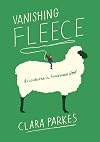
Clara Parkes buys a 676-pound bale of raw wool and sees it through to the finished yarn stage, by means of several differing mills and dye shops. Kind of the Michael Pollan of yarn. Basically, this book should have been titled, "Hey, Chris, Over Here".
Clara buys her wool on shearing day from a farm in New York state. She sends some of it to Bartlett Yarn in Maine, some to Blackberry Ridge in Wisconsin, some to a big mill called S&D, some to a precious-sounding two-person natural dye studio show more in California, some to a big chemical dye company in Biddeford, Maine. It's FUN!
The mills and shops are all wildly different, and give her wildly different results, almost all of them wonderful. Bartlett gives her a pleasing yarn she describes as being like "oatmeal," in contrast to the lovely yarn Blackberry gives her, which she compares to "jasmine rice." I thought those were knockout descriptions.
Clara's excitement is palpable. On the floor of one vast spinning mill, she says she feels like she's been shrunk to miniature size and let loose inside her Mom's Singer sewing machine. Another great description!
I liked that Clara is based in Maine and visits places I'm familiar with, like the dyeing company in Biddeford - haven't visited them per se, but I do think I was in a brewery next door last summer.
I may try more of her books - she seems like a super-fun fellow-wool-traveler! show less
Clara buys her wool on shearing day from a farm in New York state. She sends some of it to Bartlett Yarn in Maine, some to Blackberry Ridge in Wisconsin, some to a big mill called S&D, some to a precious-sounding two-person natural dye studio show more in California, some to a big chemical dye company in Biddeford, Maine. It's FUN!
The mills and shops are all wildly different, and give her wildly different results, almost all of them wonderful. Bartlett gives her a pleasing yarn she describes as being like "oatmeal," in contrast to the lovely yarn Blackberry gives her, which she compares to "jasmine rice." I thought those were knockout descriptions.
Clara's excitement is palpable. On the floor of one vast spinning mill, she says she feels like she's been shrunk to miniature size and let loose inside her Mom's Singer sewing machine. Another great description!
I liked that Clara is based in Maine and visits places I'm familiar with, like the dyeing company in Biddeford - haven't visited them per se, but I do think I was in a brewery next door last summer.
I may try more of her books - she seems like a super-fun fellow-wool-traveler! show less
I have no idea where I heard about this one, and now I am wondering if it was an Audible Daily Deal at some point. It's fascinating and completely charming. The author narrates it herself and does and excellent job - and I am very picky about my narrators. This is an examination of the American wool industry and why it is slowly vanishing. She starts with the sheep, and takes you all the way through her journey of turning a bale of fleece into marketable yarn. She divides up her fleece and show more some it goes through independent mills and some through highly commercial ones. She does the same thing when it comes to dying it. She asks great questions and makes you care about what the answers are, all the while making the journey a highly entertaining one. show less

Clara Parkes is well-known in the fiber arts world for her knowledge of fibers used to make yarn, and the process of spinning and dyeing fiber. Her books, The Knitter’s Book of Yarn and The Knitter’s Book of Socks, are on my reference shelf. Parkes has emerged as an advocate for the wool industry, no doubt influenced by the experiences chronicled in Vanishing Fleece.
Clara Parkes spent about a year working with different spinners and dyers to turn a 676-pound bale of fleece into yarn. show more The bale was divided into fourths with different partners processing each portion. Working with both small- and large-scale operations, she took an active role in production and was able to observe the process, get to know the people involved, and learn about the challenges facing the American wool and textile industries. Four very different types of yarn emerged, each with its own benefits and flaws. I really enjoyed her narrative style and the way she brought the process to life.
Since publishing this book Parkes has launched The Wool Channel, a free newsletter with more perks available for patrons. While wool remains a declining industry worldwide, there are glimmers of hope as new uses are found, and as consumers begin to appreciate the benefits of moving away from synthetic fibers, for the environment as well as overall comfort. show less
Clara Parkes spent about a year working with different spinners and dyers to turn a 676-pound bale of fleece into yarn. show more The bale was divided into fourths with different partners processing each portion. Working with both small- and large-scale operations, she took an active role in production and was able to observe the process, get to know the people involved, and learn about the challenges facing the American wool and textile industries. Four very different types of yarn emerged, each with its own benefits and flaws. I really enjoyed her narrative style and the way she brought the process to life.
Since publishing this book Parkes has launched The Wool Channel, a free newsletter with more perks available for patrons. While wool remains a declining industry worldwide, there are glimmers of hope as new uses are found, and as consumers begin to appreciate the benefits of moving away from synthetic fibers, for the environment as well as overall comfort. show less
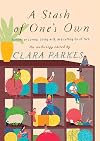
I really enjoyed this collection. 4.5 stars. Eminently readable for a lover of yarn, the essays run the gamut from humorous to serious, the collections described from minimalist to SABLE-level, and the stashes from yarn to fiber to fabric.
Some of my favorites essays: I loved the beautiful and generous spirit behind Jillian' Moreno's fiber stash, and how easily it flows into her own creativity and to others. I appreciated Eugene Wyatt's tale of giving yarn away - it was a good reminder of how show more much you gain from giving instead of trying to get money before you'll let go. Franklin Habit's essay gave me all the feels and brought me to tears twice (on the bus commuting to work, no less!) - from the joy of reconciliation and recognition, and the sadness of loss.
Perhaps the most moving to me was Lilith Green's story of how her stash is part and parcel of growing to love her body - the one that society was always telling her wasn't good enough. I have three lots of sweater quantities in my stash, purchased 8-10 years ago, and I still haven't knit myself a sweater. Maybe it's time to stop waiting for the body I may never have and knit a sweater for the one I have. Also, I immediately followed her on Instagram after reading the essay - I want more people like her in my social media.
And, of course, I thought a lot about my own yarn and fiber stash when reading the essays. I'd _like_ to be a minimalist collector of yarn, buying when I'm ready to cast on, but I'm not. (I probably have 10 years' worth of knitting in my stash*, in part because I'm a slow knitter, but also because I'm a spinner. About a quarter of my stash is fiber, and about half of my yarn is my handspun.) I try to knit from stash - and I like that when I jumped on the Find Your Fade bandwagon, I was able to pull two Fade sets from my stash. (I also like it, that after I finish knitting those Fades, my sock yarn stash may be small enough that I couldn't do that again).
I do feel weighed down by the burden of all my yarn, even though I have culled it enough that most of what remains is yarn I really do love. I think I'll take some inspiration from this book to give some yarn away, especially some of that handspun I don't have projects in mind for, and open myself up to maintaining my stash through generosity, as several essayists have recommended. And embrace that sometimes the spinning is all the project ends up being.
* My Ravelry user name is potentialofyarn and my stash is up to date :-) show less
Some of my favorites essays: I loved the beautiful and generous spirit behind Jillian' Moreno's fiber stash, and how easily it flows into her own creativity and to others. I appreciated Eugene Wyatt's tale of giving yarn away - it was a good reminder of how show more much you gain from giving instead of trying to get money before you'll let go. Franklin Habit's essay gave me all the feels and brought me to tears twice (on the bus commuting to work, no less!) - from the joy of reconciliation and recognition, and the sadness of loss.
Perhaps the most moving to me was Lilith Green's story of how her stash is part and parcel of growing to love her body - the one that society was always telling her wasn't good enough. I have three lots of sweater quantities in my stash, purchased 8-10 years ago, and I still haven't knit myself a sweater. Maybe it's time to stop waiting for the body I may never have and knit a sweater for the one I have. Also, I immediately followed her on Instagram after reading the essay - I want more people like her in my social media.
And, of course, I thought a lot about my own yarn and fiber stash when reading the essays. I'd _like_ to be a minimalist collector of yarn, buying when I'm ready to cast on, but I'm not. (I probably have 10 years' worth of knitting in my stash*, in part because I'm a slow knitter, but also because I'm a spinner. About a quarter of my stash is fiber, and about half of my yarn is my handspun.) I try to knit from stash - and I like that when I jumped on the Find Your Fade bandwagon, I was able to pull two Fade sets from my stash. (I also like it, that after I finish knitting those Fades, my sock yarn stash may be small enough that I couldn't do that again).
I do feel weighed down by the burden of all my yarn, even though I have culled it enough that most of what remains is yarn I really do love. I think I'll take some inspiration from this book to give some yarn away, especially some of that handspun I don't have projects in mind for, and open myself up to maintaining my stash through generosity, as several essayists have recommended. And embrace that sometimes the spinning is all the project ends up being.
* My Ravelry user name is potentialofyarn and my stash is up to date :-) show less
Lists
You May Also Like


Associated Authors
Statistics
- Works
- 9
- Also by
- 7
- Members
- 2,470
- Popularity
- #10,379
- Rating
- 4.2
- Reviews
- 67
- ISBNs
- 26
- Favorited
- 1