
Jackie Bennett
Author of There's Something About a Convent Girl
About the Author
Works by Jackie Bennett
Tagged
Common Knowledge
- Gender
- female
Members
Reviews
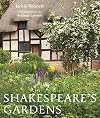
To read this review with links, please see the NYBG Plant Talk Blog: http://blogs.nybg.org/plant-talk/2016/08/from-the-library/shakespeares-gardens/
This year marks the 400th anniversary of the death of William Shakespeare in 1616. Throughout the world, scholars and institutions have been celebrating the bard’s life and work—including the World Shakespeare Congress held in Stratford-Upon-Avon and London last week and this week. On an appropriately literary note, one of the books about show more Shakespeare that has been published in 2016 comes from Jackie Bennett and the Shakespeare Birthplace Trust. That book is Shakespeare’s Gardens.
Shakespeare and his usage of plants in his works is a popular topic in botanical and garden history. In fact, the NYBG Mertz Library has over thirty books related to the playwright. The earliest, The plant-lore & garden-craft of Shakespeare by Henry N. Ellacombe, was published in 1884. With such a rich legacy of books on this topic, the question becomes what another publication could add to the corpus.
As it turns out, Shakespeare’s Gardens more than holds its own. It’s a lovely book sure to delight historians and garden enthusiasts alike. The book features seven locations of historic significance in Shakespeare’s life, including five Stratford-Upon-Avon gardens. Each section includes biographical information about Shakespeare, as well as historic information about the garden site, and information about the garden today. The text is liberally supplemented with beautiful photographs of the different sites and gardens taken by Andrew Lawson. Images range from landscape shots of the gardens to beauty shots of individual plants.
In addition to the biographical information and site histories, each section of the book contains a two-page profile for plants featured in Shakespeare’s work. For example, the chapter “The Stratford Boy” features information about daffodils, including etymology and symbolism. These plant profiles are accompanied by beautiful hand-colored woodcuts from the 1597 publication Herball by John Gerard. Images from Herball, along with many other historic images used in the book, come from the Shakespeare Birthplace Trust. Working in a library with extensive special collections, I would have loved to see more precise image credits and citations alongside the images in the text, but perhaps such a presentation would have been considered too busy for this book.
One thing that readers should be aware of is that this book is not intended as a how-to for gardeners hoping to create a Shakespeare Garden at home. Plant lists are provided in places, but accompany landscape photographs that may or may not include all of the plants listed, acting more as illustrative examples as opposed to explicit planting instruction or design. This does not detract from the reading in any way, but it is something to keep in mind. Home gardeners who do wish to create a Shakespeare Garden may wish to refer to this NYBG Plant Information Office how-to guide on the topic.
All in all, Shakespeare’s Garden has a wonderful flow, and strikes a lovely balance between written word and beautiful imagery. While not everyone can visit the UK for the 400th anniversary festivities, sitting down with a copy of Shakespeare’s Gardens offers a wonderful journey of its very own. show less
This year marks the 400th anniversary of the death of William Shakespeare in 1616. Throughout the world, scholars and institutions have been celebrating the bard’s life and work—including the World Shakespeare Congress held in Stratford-Upon-Avon and London last week and this week. On an appropriately literary note, one of the books about show more Shakespeare that has been published in 2016 comes from Jackie Bennett and the Shakespeare Birthplace Trust. That book is Shakespeare’s Gardens.
Shakespeare and his usage of plants in his works is a popular topic in botanical and garden history. In fact, the NYBG Mertz Library has over thirty books related to the playwright. The earliest, The plant-lore & garden-craft of Shakespeare by Henry N. Ellacombe, was published in 1884. With such a rich legacy of books on this topic, the question becomes what another publication could add to the corpus.
As it turns out, Shakespeare’s Gardens more than holds its own. It’s a lovely book sure to delight historians and garden enthusiasts alike. The book features seven locations of historic significance in Shakespeare’s life, including five Stratford-Upon-Avon gardens. Each section includes biographical information about Shakespeare, as well as historic information about the garden site, and information about the garden today. The text is liberally supplemented with beautiful photographs of the different sites and gardens taken by Andrew Lawson. Images range from landscape shots of the gardens to beauty shots of individual plants.
In addition to the biographical information and site histories, each section of the book contains a two-page profile for plants featured in Shakespeare’s work. For example, the chapter “The Stratford Boy” features information about daffodils, including etymology and symbolism. These plant profiles are accompanied by beautiful hand-colored woodcuts from the 1597 publication Herball by John Gerard. Images from Herball, along with many other historic images used in the book, come from the Shakespeare Birthplace Trust. Working in a library with extensive special collections, I would have loved to see more precise image credits and citations alongside the images in the text, but perhaps such a presentation would have been considered too busy for this book.
One thing that readers should be aware of is that this book is not intended as a how-to for gardeners hoping to create a Shakespeare Garden at home. Plant lists are provided in places, but accompany landscape photographs that may or may not include all of the plants listed, acting more as illustrative examples as opposed to explicit planting instruction or design. This does not detract from the reading in any way, but it is something to keep in mind. Home gardeners who do wish to create a Shakespeare Garden may wish to refer to this NYBG Plant Information Office how-to guide on the topic.
All in all, Shakespeare’s Garden has a wonderful flow, and strikes a lovely balance between written word and beautiful imagery. While not everyone can visit the UK for the 400th anniversary festivities, sitting down with a copy of Shakespeare’s Gardens offers a wonderful journey of its very own. show less
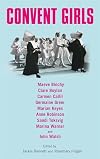
With my predilection for nuns and convent life it would have been difficult for this collection of essays about attending convent schools to go wrong. There were one or two essays that were bleak and ‘Magdalene Sisters’ but on the whole they were a riot. Some were harrowing, others were memories fondly recalled, but most were done with humour at being taught the facts of life by a bunch of people who probably knew nothing about them. Anne Robinson’s (Ms Weakest Link) and Germaine show more Greer’s were highlights. show less
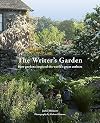
The Writer's Garden by Jackie Bennett is an ideal book to read and even just flip through when you need a break from heavy reading but also want to learn about important figures.
I know I made this sound like a diversion, which in some ways it is for me, I want to emphasize that the short profiles offer some excellent insights into each writer's influences. So this volume stands on its own as both an attractive coffee table book and an informative guide to the role of gardens in show more literature.
When I said profiles above, I should clarify that both the gardens and grounds as well as the writer are profiled. I found it to be a wonderful blend of detail about the gardens, how the gardens influenced the writers, and a few specific instances of locations being used within their works of fiction. It actually made me pull a couple volumes off my shelves and put in my TBR stack, it has been too long since I have revisited them and this new perspective will offer me another avenue into them. Not to mention that Woolf was prominent in another book I recently read.
Whether you simply want an attractive and informative coffee table book or you're especially interested in what has influenced some of our greatest writers, this volume will be an excellent addition to your library.
Reviewed from a copy made available by the publisher via NetGalley. show less
I know I made this sound like a diversion, which in some ways it is for me, I want to emphasize that the short profiles offer some excellent insights into each writer's influences. So this volume stands on its own as both an attractive coffee table book and an informative guide to the role of gardens in show more literature.
When I said profiles above, I should clarify that both the gardens and grounds as well as the writer are profiled. I found it to be a wonderful blend of detail about the gardens, how the gardens influenced the writers, and a few specific instances of locations being used within their works of fiction. It actually made me pull a couple volumes off my shelves and put in my TBR stack, it has been too long since I have revisited them and this new perspective will offer me another avenue into them. Not to mention that Woolf was prominent in another book I recently read.
Whether you simply want an attractive and informative coffee table book or you're especially interested in what has influenced some of our greatest writers, this volume will be an excellent addition to your library.
Reviewed from a copy made available by the publisher via NetGalley. show less
Shakespeare’s Garden by Jackie Bennett with photos by Andrew Lawson is a photo essay of the gardens that Shakespeare may have been familiar with as he was writing his plays and sonnets. Plants and flowers were common in his works and Bennett tries to describe the gardens of the day and those he may have seen.
Gardens in Shakespeare’s time served many purposes. Ornamental gardens were just being introduced. Most gardens served a purpose–to feed a family, to produce herbs and plants for show more medicinal purposes, to feed livestock. As Shakespeare’s popularity and fame increased, he traveled between London and Stratford on Avon. He came into contact with royalty and commoners. As a result, he would have been familiar with both royal gardens as well as common gardens of the working class. He would also have been familiar with the medical and household uses of many of herbs and flowers.
Many of the Shakespeare properties have been purchased by the Shakespeare Birthplace Trust (SBT) and have been restored. Shakespeare’s Garden was published in association with the Trust.
Per the publisher: “From his birthplace in Henley Street, to his childhood playground at Mary Arden’s Farm, to his courting days at Anne Hathaway’s Cottage and his final home at New Place – where he created a garden to reflect his fame and wealth. Cared for by the Shakespeare Birthplace Trust, these gardens are continually evolving to reflect our ongoing knowledge of his life. The book will also explore the plants that Shakespeare knew and wrote about in 17th century England: their use in his work and the meanings that his audiences would have picked up on…”
While the narrative describes the gardens and there are tidbits of botanic quotes from Shakespeare’s plays, it is the photos that bring everything to life. Andrew Lawson’s photos will make gardeners drool. While I was hoping for more of an explanation of the meanings of the flowers and plants Shakespeare used in his works, and there was little of that in Shakespeare’s Garden, I was not disappointed by the book. I wish I could have a fraction of one of the gardens photographed in the book. Shakespeare’s Garden is definitely worth the time. It is totally enjoyable. show less
Gardens in Shakespeare’s time served many purposes. Ornamental gardens were just being introduced. Most gardens served a purpose–to feed a family, to produce herbs and plants for show more medicinal purposes, to feed livestock. As Shakespeare’s popularity and fame increased, he traveled between London and Stratford on Avon. He came into contact with royalty and commoners. As a result, he would have been familiar with both royal gardens as well as common gardens of the working class. He would also have been familiar with the medical and household uses of many of herbs and flowers.
Many of the Shakespeare properties have been purchased by the Shakespeare Birthplace Trust (SBT) and have been restored. Shakespeare’s Garden was published in association with the Trust.
Per the publisher: “From his birthplace in Henley Street, to his childhood playground at Mary Arden’s Farm, to his courting days at Anne Hathaway’s Cottage and his final home at New Place – where he created a garden to reflect his fame and wealth. Cared for by the Shakespeare Birthplace Trust, these gardens are continually evolving to reflect our ongoing knowledge of his life. The book will also explore the plants that Shakespeare knew and wrote about in 17th century England: their use in his work and the meanings that his audiences would have picked up on…”
While the narrative describes the gardens and there are tidbits of botanic quotes from Shakespeare’s plays, it is the photos that bring everything to life. Andrew Lawson’s photos will make gardeners drool. While I was hoping for more of an explanation of the meanings of the flowers and plants Shakespeare used in his works, and there was little of that in Shakespeare’s Garden, I was not disappointed by the book. I wish I could have a fraction of one of the gardens photographed in the book. Shakespeare’s Garden is definitely worth the time. It is totally enjoyable. show less
You May Also Like


Associated Authors
Statistics
- Works
- 23
- Members
- 310
- Popularity
- #76,068
- Rating
- 3.9
- Reviews
- 7
- ISBNs
- 35
- Languages
- 2