
Jennifer Clement
Author of Prayers for the Stolen
About the Author
Jennifer Clement was born in 1960 in Connecticut. She is an American-Mexican author. She studied English Literature and Anthropology at New York University and also studied French literature in Paris, France. She has an MFA from the University of Southern Maine. She was President of PEN Mexico from show more 2009 to 2012. Clement is the author three novels: Prayers for the Stolen, A True Story Based on Lies (finalist in the Orange Prize for Fiction) and The Poison That Fascinates. She also wrote the cult classic memoir Widow Basquiat. Prayers for the stolen was a New York Times Book Review Editor¿s Choice Book, First Selection for National Reading Group Month's Great Group Reads and appeared internationally on many Best Books of the Year lists, including The Irish Times. She is also the author of several books of poetry: The Next Stranger, Newton¿s Sailor; Lady of the Broom and Jennifer Clement: New and Selected Poems. Jennifer Clement was awarded the National Endowment of the Arts (NEA) Fellowship for Literature in 2012 for her novel Prayers for the Stolen and was honored with The Sara Curry Humanitarian Award for that work. She was also a finalist for the PEN/Faulkner Award for Fiction 2015 for Prayers fo rthe Stolen. (Bowker Author Biography) show less
Works by Jennifer Clement
Associated Works
Tagged
Common Knowledge
- Birthdate
- 1960
- Gender
- female
- Occupations
- director (San Miguel Poetry Week, as of 2007)
- Awards and honors
- Long-listed for the Orange Prize for Fiction (2002)
Canongate Prize (for New Writing)
Sistema Nacional de Creadors
MacDowell Fellowship (2007) - Agent
- David Montague
- Places of residence
- Mexico City, Mexico
- Map Location
- USA
Members
Reviews
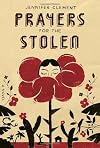
“The best thing to be in Mexico is an ugly girl.“ These are the words that Ladydi grew up on. Ladydi and her mother live in a small village in the mountains behind Acapulco. In their village, there are no men. The men have all left for the United States. At first the men came home to visit or sent money, but eventually they were just gone never to be heard from again. The only men to come to the mountain village other than the priest or the teacher are the narcos. The narcos came for show more young girls. Ladydi and her friends spent their youth dressed as boys, they were given boy names and some even had their teeth blackened and when the narcos arrive, the girls hide in the holes that were dug in their yards. Even so, the narcos came and took one of her friends, Paula.
Ladydi mother was bitter about her life, about her husband’s abandonment and bitter about the fact that one of Ladydi’s best friends was actually her husband’s child. She spent her days drinking beer and watching television but she is fiercely protective of Ladydi. Prayers for the Stolen was an excellent, almost dreamlike story. Ladydi was an sharp observer of life and she is funny, smart and strong in this excellent portrait of women in rural Mexico. Her story is one of strife, violence and hardship, but through it all, Ladydi’s spirit shines through.
Based on real stories, Prayers For the Stolen by Jennifer Clement is a sad, difficult book to read. This terrifying story rings all too true in this day of strong drug cartels and open violence in Mexico. A enlightening and valuable read, I highly recommend this book but with a word of warning, this is a story that shines a light on a very dark reality. show less
Ladydi mother was bitter about her life, about her husband’s abandonment and bitter about the fact that one of Ladydi’s best friends was actually her husband’s child. She spent her days drinking beer and watching television but she is fiercely protective of Ladydi. Prayers for the Stolen was an excellent, almost dreamlike story. Ladydi was an sharp observer of life and she is funny, smart and strong in this excellent portrait of women in rural Mexico. Her story is one of strife, violence and hardship, but through it all, Ladydi’s spirit shines through.
Based on real stories, Prayers For the Stolen by Jennifer Clement is a sad, difficult book to read. This terrifying story rings all too true in this day of strong drug cartels and open violence in Mexico. A enlightening and valuable read, I highly recommend this book but with a word of warning, this is a story that shines a light on a very dark reality. show less
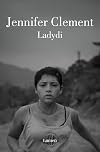
“¿Puedes creer que haya sólo veintisiete letras para decirlo todo? Sólo hay veintisiete letras para hablar del amor y los celos y Dios.”
*
No sabía de la existencia de este libro. Pienso que se tendría que haber hablado más de él o su autora. La primera parte es brutal, desoladora pero no puedes parar de leerla. El resto me pareció que se desarrollaba un poco apresurado para encontrar el final, pero en general es muy bueno. El final no decepciona.
*
El libro trata sobre la vida de show more las mujeres en Guerrero, como víctimas del narco, la migración de los hombres, la desigualdad. Muy cerca de los lujos extremos de Acapulco, hay niñas que deben esconderse como conejos, en madrigueras y negar que son mujeres hasta que no pueden ocultarlo más, para retrasar lo más posible el convertirse en objetos. En una simple botella de agua a la que agarran porque tienen sed. Las mujeres sirven sólo como testigos del odio hacia ellas mismas y testigos de toda esa gente que desaparece, así nomás. Por el narco, por la migra, por el desamor, por el crimen, por la venganza de todo lo anterior sin dejar rastro o incluso, dejando la tele prendida.
*
“La compasión no es una calle de doble sentido.”
*
“Una mujer que desaparece es sólo otra hoja que se va por la cuneta de una tormenta” show less
*
No sabía de la existencia de este libro. Pienso que se tendría que haber hablado más de él o su autora. La primera parte es brutal, desoladora pero no puedes parar de leerla. El resto me pareció que se desarrollaba un poco apresurado para encontrar el final, pero en general es muy bueno. El final no decepciona.
*
El libro trata sobre la vida de show more las mujeres en Guerrero, como víctimas del narco, la migración de los hombres, la desigualdad. Muy cerca de los lujos extremos de Acapulco, hay niñas que deben esconderse como conejos, en madrigueras y negar que son mujeres hasta que no pueden ocultarlo más, para retrasar lo más posible el convertirse en objetos. En una simple botella de agua a la que agarran porque tienen sed. Las mujeres sirven sólo como testigos del odio hacia ellas mismas y testigos de toda esa gente que desaparece, así nomás. Por el narco, por la migra, por el desamor, por el crimen, por la venganza de todo lo anterior sin dejar rastro o incluso, dejando la tele prendida.
*
“La compasión no es una calle de doble sentido.”
*
“Una mujer que desaparece es sólo otra hoja que se va por la cuneta de una tormenta” show less
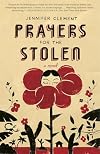
I don’t like to use direct quotes in my reviews, but it will be hard to resist in this case. (By the way, no quotations marks are used to set apart the dialogue.) As I was reading, I highlighted so many phrases that express so much about a country, a culture, a people, in a single thought. Maybe one that best sums up the mountains near Acapulco is: “In this land one can go out for a walk and find a huge iguana, a papaya tree covered with dozens of large fruits, an enormous anthill, show more marijuana plants, poppies, or a corpse.” The voice of Ladydi (you have to read to learn why she has that name) is direct and somehow simple – the tone of a child who has grown up seeing things a child shouldn’t see. Her perspective after all is of a very young (sixteen-year-old) person, not knowing what will happen in the future.
Throughout, Ladydi tells her story as it is, not in despair and not overly hopeful. Where she grew up, they create their own terms for things, perhaps to make some more sense of the world. Not having a proper education, the history channel was a poor substitute. A social service requirement brought temporary teachers to visit, though few even tried to teach. Here I feel the need to use another quote: “My mother watched television because it was the only way out of our mountain.” Her mother is toughened by drinking, just as much as she is by their environment. Fearing God, their prayers are for what they would like, not what they need and thus could be taken away.
The second (of three) parts moves much faster than the first. By the third part, her life is turned inside out, with a new set of acquaintances – not necessarily friends like before. All men have long since left the mountain, and the only true boy there got special treatment, though not a guaranteed bright future. Their community was cut in half by a dangerous highway. With this came the reach of the drug trade. Jennifer Clement’s book only furthers my conviction that, in case you need any other reason to not get involved with illegal drugs, it is because of the violence and destruction behind their production. Buying or selling or using drugs supports this violence, physical and structural violence alike. The extravagant indulgence of these drug lords, too, is disgusting in every way.
This is an important read for understanding a little better the relations between the US and Mexico, and the problems people can face in both countries. It is a perfect example of how fiction sometimes tells a more revealing story than nonfiction can. It is also an important work on gender relations, inequalities between men and women. This book is a timely read in 2015, and has the lasting quality to become a classic. I am thankful I had the opportunity to read this title.
Note: I received a free eBook copy of this title through BloggingForBooks in exchange for an honest review. For more reviews, see my blog at http://matt-stats.blogspot.com/ show less
Throughout, Ladydi tells her story as it is, not in despair and not overly hopeful. Where she grew up, they create their own terms for things, perhaps to make some more sense of the world. Not having a proper education, the history channel was a poor substitute. A social service requirement brought temporary teachers to visit, though few even tried to teach. Here I feel the need to use another quote: “My mother watched television because it was the only way out of our mountain.” Her mother is toughened by drinking, just as much as she is by their environment. Fearing God, their prayers are for what they would like, not what they need and thus could be taken away.
The second (of three) parts moves much faster than the first. By the third part, her life is turned inside out, with a new set of acquaintances – not necessarily friends like before. All men have long since left the mountain, and the only true boy there got special treatment, though not a guaranteed bright future. Their community was cut in half by a dangerous highway. With this came the reach of the drug trade. Jennifer Clement’s book only furthers my conviction that, in case you need any other reason to not get involved with illegal drugs, it is because of the violence and destruction behind their production. Buying or selling or using drugs supports this violence, physical and structural violence alike. The extravagant indulgence of these drug lords, too, is disgusting in every way.
This is an important read for understanding a little better the relations between the US and Mexico, and the problems people can face in both countries. It is a perfect example of how fiction sometimes tells a more revealing story than nonfiction can. It is also an important work on gender relations, inequalities between men and women. This book is a timely read in 2015, and has the lasting quality to become a classic. I am thankful I had the opportunity to read this title.
Note: I received a free eBook copy of this title through BloggingForBooks in exchange for an honest review. For more reviews, see my blog at http://matt-stats.blogspot.com/ show less
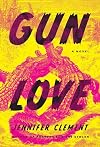
I read this book as a realist novel about Pearl, our engaging and believable teenaged narrator who lives an almost unbelievable life of poverty and casual violence. She's surrounded by well-drawn characters; her best friend April-May feels real. Gun Love gracefully and absorbingly says some important things about the ways our culture glamorizes and monetizes violence.
So, I finished it and thought, "That's a good realist novel, but so what?" And then I thought of Gun Love as a Southern gothic show more and I laughed my fool head off. (I know; I catch on late.) I couldn't stop imagining this paired with Flannery O'Connor's "Good Country People"; Maybe with a dash of "Hush, Hush, Sweet Charlotte." (The wedding dress!)
This is a brilliant novel. show less
So, I finished it and thought, "That's a good realist novel, but so what?" And then I thought of Gun Love as a Southern gothic show more and I laughed my fool head off. (I know; I catch on late.) I couldn't stop imagining this paired with Flannery O'Connor's "Good Country People"; Maybe with a dash of "Hush, Hush, Sweet Charlotte." (The wedding dress!)
This is a brilliant novel. show less
Lists
Awards


You May Also Like


Associated Authors
Statistics
- Works
- 20
- Also by
- 1
- Members
- 996
- Popularity
- #25,870
- Rating
- 4.0
- Reviews
- 81
- ISBNs
- 109
- Languages
- 12
- Favorited
- 2