
William Davis (13) (1957–)
Author of Wheat Belly: Lose the Wheat, Lose the Weight, and Find Your Path Back to Health
For other authors named William Davis, see the disambiguation page.
About the Author
William Davis, MD, is the #1 New York Times bestselling author and cardiologist who advocates unique, insightful, cutting-edge strategies to help individuals discover the health hidden within them. His blog, wheatbellyblog.com. has been visited by millions of people. Dr. Davis has also shared his show more passion for wheat-free living on national television shows including The Dr. Oz Show and CBS This Morning. He is the author of four other books: Wheat Belly, Wheat Belly Cookbook. Wheat Belly 30-Minute (or Less!) Cookbook and Wheat Belly 10-Day Grain Detox. His wheat Belly Total Health program has become a nationwide public television special, and he has launched a Wheat Belly 10-Day Grain Detox online course. He lives in Wisconsin. show less
Works by William Davis
Wheat Belly: Lose the Wheat, Lose the Weight, and Find Your Path Back to Health (2011) 1,373 copies, 55 reviews
Wheat Belly Cookbook: 150 Recipes to Help You Lose the Wheat, Lose the Weight, and Find Your Path Back to Health (2013) 239 copies, 5 reviews
Wheat Belly Total Health: The Ultimate Grain-Free Health and Weight-Loss Life Plan (2014) 117 copies, 1 review
Wheat Belly 30-Minute (Or Less!) Cookbook: 200 Quick and Simple Recipes to Lose the Wheat, Lose the Weight, and Find Your Path Back to Health (2013) 116 copies
Super Gut: A Four-Week Plan to Reprogram Your Microbiome, Restore Health, and Lose Weight (2022) 114 copies, 1 review
Undoctored: Why Health Care Has Failed You and How You Can Become Smarter Than Your Doctor (2017) 88 copies, 2 reviews
Wheat Belly: 10-Day Grain Detox: Reprogram Your Body for Rapid Weight Loss and Amazing Health (2015) 44 copies
Wheat Belly: The Effortless Health and Weight-Loss Solution - No Exercise, No Calorie Counting, No Denial (2015) 23 copies, 1 review
Lose the Wheat, Lose the Weight ! Cookbook - 165 Recipes to Banish Your Wheat Belly and Find Your Path Back to Health (2013) 16 copies
Track Your Plaque: The only heart disease prevention program that shows how to use the new heart scans to detect, track and control coronary plaque (2004) 16 copies
Superintestino. Descubra como restaurar seu microbioma para fortalecer sua saude regular seu peso e melhorar seu humor (Em Portugues do Brasil) (2019) 11 copies
Grain-Free Cure The Delicious 4-Week Step-Down Plan to Easily Eliminate Grains to Lose Weight, Reverse Disease, and Get Healthy for Life (2014) 9 copies
Wheat Belly Slim Guide: The Fast and Easy Reference for Living and Succeeding on the Wheat Belly Lifestyle (2017) 8 copies
Tagged
Common Knowledge
Members
Reviews
Atkins diet in disguise. Listen, folks, according to this book: you're not ONLY supposed to cut out wheat, nope. You are supposed to cut out all gluten, all gluten-free products (with rice, oat, and all grains basically), most fruits, and anything with carbohydrates (potatoes, corn, beans). Of course you will lose weight, how much meat and fat can you eat in a day?
ASSUMING it's true (it's not, because it's anecdotal and some pseudo science) I will never ever attempt this diet and limit what show more I love. I rather die prematurely than stop eating fruits and grains just because some author decided it would be cool to go low-carb.
Guess what? No one lives forever. And our ancestors probably died in their 30s and they ate all natural and non-GMO products. So there. :)
That is how it is with people, they like to blame food groups on their health problems. Give me a person with absolutely no health problems and I can assure you it is not because of their diet ONLY. Everyone is different, our bodies are different, so having everyone follow the same diet is UTTER. STUPIDITY.
Stay away from any diet that cuts out a major food group or type. It's most likely because the author is biased and personally hates the taste of that food.
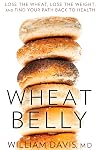
Those bagels on the cover do look delicious though. show less
ASSUMING it's true (it's not, because it's anecdotal and some pseudo science) I will never ever attempt this diet and limit what show more I love. I rather die prematurely than stop eating fruits and grains just because some author decided it would be cool to go low-carb.
Guess what? No one lives forever. And our ancestors probably died in their 30s and they ate all natural and non-GMO products. So there. :)
That is how it is with people, they like to blame food groups on their health problems. Give me a person with absolutely no health problems and I can assure you it is not because of their diet ONLY. Everyone is different, our bodies are different, so having everyone follow the same diet is UTTER. STUPIDITY.
Stay away from any diet that cuts out a major food group or type. It's most likely because the author is biased and personally hates the taste of that food.
Those bagels on the cover do look delicious though. show less
Wheat Belly: The Effortless Health and Weight-Loss Solution - No Exercise, No Calorie Counting, No Denial by William Davis, MD
Recently, I’ve been working my way through a whole host of Blinkist book summaries. The idea being that it might just save me from the sheer hard work of reading through the full -original book. I have mixed feelings about it because I’m sure there is much in the full book that is missed in the summaries. But life is short and art is long, opportunity fleeting etc, Anyway, this review is really a review of the Blinkist summary and should be read in that light. Will I get the full book show more and read it. No. Not on the basis of what I’ve read here and some additional research about the author.
Fortunately, the Blinkist authors have helpfully pointed out that William Davis’s conclusions about wheat are not universally accepted ...especially by his medical peers. And, I must confess, he does not really convince me and I think his logic and “scientific” method are very suspect in many instances (such as taking his own qualitative experience as being defining instead of assuming that it might just be q placebo effect).
Here are a few snippets from the text, that I found interesting or noteworthy. Lots of low-fat diets promote whole-grain ingredients, including wheat, which is the world’s most popular grain. But what was once a relatively benign ingredient has become rather dangerous as a result of recent changes to its protein structure......From making us fat, weakening our bones and producing deadly compounds that damage our organs, modern-day wheat is taking a toll that far outweighs the pleasures of even the tastiest cookie.
Dr. William Davis’s findings on wheat have sparked debate, with some scientific literature calling them into question.
Out of all the available carbohydrates, one ingredient has risen to the top: wheat. It remains one of the most popular grains, accounting for 20 percent of our caloric intake.
In 1985, the National Heart, Lung, and Blood Institute began to recommend that Americans replace fatty foods with “heart-healthy” whole grains instead. That was the same year average body weights and diabetes rates began to increase sharply.
It’s been a staple in the cuisine of many cultures for thousands of years. But the problem is that the wheat that grew thousands of years–or even just a few generations–ago was vastly different from the crop we know today. The big difference is in the protein structure.
modern wheat hybrids contain 95 percent of the same proteins found in their original crops, while the remaining five percent is made up of new and unique proteins.
As someone with wheat intolerance, author William Davis was curious as to whether a loaf of bread made from einkorn, the ancient evolutionary predecessor of the wheat we eat today, would make him feel as ill as today’s typical wheat bread did......it didn’t but modern wheat bread also caused a spike in Davis’s blood sugar levels, whereas the einkorn bread didn’t. [Apparently Davis and his ilk have had a significant impact on the consumption of wheat products in north America and 56 percent of Canadians are reporting that they are cutting down on foods such as bread, breakfast cereal and pasta. Well inn an age of obesity this is probably not a bad thing but it doesn’t mean that wheat is necessartily bad for us as Davis seems to preach. About one percent of the population does get sick from eating wheat products ....people with celiac disease....still others have allergies and sensitivities to wheat but Davis insists wheat is dangerous for everybody....which starts to sound a bit cultish for my liking. The “Fifth estate” has investigated a lot of his claims and debunked them ....including his claim that wheat is addictive like an opiate; and wheat is linked to mental illness such as schizophrenia; and the idea that the proteins in wheat have been altered....when it comes to the wheat proteins gluten and Gliadin the basic structure of ancient and modern varieties is the same (according to wheat geneticist Dr Ravi Chabbar of the Saskatchewan University project)
Over the past five decades, the number of obese people in America has nearly tripled.
And one of the biggest reasons is that today’s wheat has a uniquely harmful effect on blood sugar and insulin levels..Studies show that the carbohydrate in wheat, known as amylopectin A, increases blood sugar levels more than just about every other type of carbohydrate–including those found in ice cream, candy bars and even processed white sugar.
People diagnosed with celiac disease must follow a strict wheat-free.....According to a 2004 study at the University of Iowa, obese adults who’d recently been diagnosed with celiac disease lost an average of 27.5 pounds in the first six months of a wheat-free diet. Davis has consistently observed that adherents to a wheat-free diet boast better mood, fewer mood swings, improved concentration, and better-quality sleep. [Well these impacts can be expected by any change in diet which reduces the calorific intake ...especially with the carbohydrates....it should not be attributed just to wheat without significant additional double blind studies].
Around 30 percent of people experience withdrawal symptoms after kicking their wheat habit. And these can include fatigue, irritability, brain fog and even temporary depression.
While working at a Philadelphia hospital in the 1960s, psychiatrist F. Curtis Dohan confirmed a link between wheat consumption and schizophrenia.....All of his patients experienced a marked improvement after going wheat-free
According to later research by the National Institutes of Health, there is substance in wheat called exorphins that has the ability to move from the bloodstream into the brain. Although their research isn’t definitive, scientists believe these exorphins may be responsible for the worsening of symptoms that was seen in Dr. Dohan’s work with patients diagnosed with schizophrenia.
The reason some people are able to maintain a youthful glow and others aren’t, is all about AGE. No, not that kind of age. In this case, AGE stands for advanced glycation end products, which is the name given to all the worthless biological debris that accumulates in your body over the years, especially in organs like the liver, kidneys and skin.
As AGEs build up, they form clumps, which reduce the ability of our organs to function properly. It’s thus believed that AGEs are responsible for many late-life ailments, such as clogged arteries, cataracts and dementia. One such way is to eliminate wheat from your diet.
Since many AGEs are actually by-products of elevated blood sugar, this is where that wheat carbohydrate amylopectin A factors in once again......Since the carbohydrate amylopectin A is so uniquely effective at causing blood sugar levels to spike, it’s a champion at boosting the glucose in your blood and thereby creating AGEs.
The farming of wheat began only around ten thousand years ago, which is pretty recent, relatively speaking. So not everyone has been able to adapt. This failure to adapt has resulted in celiac disease, which is the inability to tolerate gluten, a major protein in wheat.
cases of celiac disease have increased by 400 percent. [one has to ask why this sudden increase when people have been eating wheaten bread for thousands of years....is this just a case of better diagnosis...or over-diagnosis].
In a 2010 study by Dutch researchers, 36 varieties of modern wheat were compared to 50 wheat varieties that were popular around one hundred years ago. The researchers found that the modern varieties had higher levels of the gluten proteins that are responsible for triggering celiac disease...In particular, modern wheat contains a gluten protein called gliadin, which shows up in far smaller quantities in ancient varieties of wheat. Gliadin acts on lining of the intestine...As a result, the lining of our intestines gets disrupted, and gaps begin .........your autoimmune system will respond by increasing levels of inflammation as a way of fighting what it perceives to be dangerous intruders. “Gliadin wheat proteins are akin to being able to pick the lock on any door, allowing unwanted intruders to gain entry into places they don’t belong.”
Studies show wheat to be a rich source of sulphuric acid in particular. [this sound strange to me ....to get sulphuric acid you need sulphate molecules somewhere...and I don’t see that in bread.....or bread proteins]. And when conditions in your body become too acidic, that internal regulation system takes radical action. Your body’s alkaline stores, are salts that can naturally balance acid levels.....the more alkaline your body requires in order to neutralize acids, the more brittle and vulnerable to fracture your bones will become (because calcium is leached out of the bones).....In a 2003 study by the University of Toronto, researchers looked at the effects of bread-based gluten on the body’s calcium stores. They found that increasing gluten consumption resulted in increased calcium loss from bones.
The key message: It’s time to eliminate wheat from your diet. Wheat wreaks havoc with several aspects of your health and well-being, including your digestive health, your ability to maintain an optimal body weight, and your body’s delicately balanced pH level. Modern wheat is both addictive and unpredictably different from the wheat of centuries past, and is causing rates of celiac disease to rise, as well as contributing to the deterioration of our bones.
My take on the book is that it is superficial...and Davis, once having adopted the idea that there is a problem with wheat, has looked for any confirming evidence whilst rejecting any research that was unfavourable. It’s not a balanced book; his science is especially dodgy and often based on conclusions like “I felt much better after stopping my wheat consumption”. Seems to me he is writing a “fad” book to cater to a pent up demand for such books that promise cures for everything from cancer to schizophrenia......I mean really? I will not be reading the original. Only one star from me. show less
Fortunately, the Blinkist authors have helpfully pointed out that William Davis’s conclusions about wheat are not universally accepted ...especially by his medical peers. And, I must confess, he does not really convince me and I think his logic and “scientific” method are very suspect in many instances (such as taking his own qualitative experience as being defining instead of assuming that it might just be q placebo effect).
Here are a few snippets from the text, that I found interesting or noteworthy. Lots of low-fat diets promote whole-grain ingredients, including wheat, which is the world’s most popular grain. But what was once a relatively benign ingredient has become rather dangerous as a result of recent changes to its protein structure......From making us fat, weakening our bones and producing deadly compounds that damage our organs, modern-day wheat is taking a toll that far outweighs the pleasures of even the tastiest cookie.
Dr. William Davis’s findings on wheat have sparked debate, with some scientific literature calling them into question.
Out of all the available carbohydrates, one ingredient has risen to the top: wheat. It remains one of the most popular grains, accounting for 20 percent of our caloric intake.
In 1985, the National Heart, Lung, and Blood Institute began to recommend that Americans replace fatty foods with “heart-healthy” whole grains instead. That was the same year average body weights and diabetes rates began to increase sharply.
It’s been a staple in the cuisine of many cultures for thousands of years. But the problem is that the wheat that grew thousands of years–or even just a few generations–ago was vastly different from the crop we know today. The big difference is in the protein structure.
modern wheat hybrids contain 95 percent of the same proteins found in their original crops, while the remaining five percent is made up of new and unique proteins.
As someone with wheat intolerance, author William Davis was curious as to whether a loaf of bread made from einkorn, the ancient evolutionary predecessor of the wheat we eat today, would make him feel as ill as today’s typical wheat bread did......it didn’t but modern wheat bread also caused a spike in Davis’s blood sugar levels, whereas the einkorn bread didn’t. [Apparently Davis and his ilk have had a significant impact on the consumption of wheat products in north America and 56 percent of Canadians are reporting that they are cutting down on foods such as bread, breakfast cereal and pasta. Well inn an age of obesity this is probably not a bad thing but it doesn’t mean that wheat is necessartily bad for us as Davis seems to preach. About one percent of the population does get sick from eating wheat products ....people with celiac disease....still others have allergies and sensitivities to wheat but Davis insists wheat is dangerous for everybody....which starts to sound a bit cultish for my liking. The “Fifth estate” has investigated a lot of his claims and debunked them ....including his claim that wheat is addictive like an opiate; and wheat is linked to mental illness such as schizophrenia; and the idea that the proteins in wheat have been altered....when it comes to the wheat proteins gluten and Gliadin the basic structure of ancient and modern varieties is the same (according to wheat geneticist Dr Ravi Chabbar of the Saskatchewan University project)
Over the past five decades, the number of obese people in America has nearly tripled.
And one of the biggest reasons is that today’s wheat has a uniquely harmful effect on blood sugar and insulin levels..Studies show that the carbohydrate in wheat, known as amylopectin A, increases blood sugar levels more than just about every other type of carbohydrate–including those found in ice cream, candy bars and even processed white sugar.
People diagnosed with celiac disease must follow a strict wheat-free.....According to a 2004 study at the University of Iowa, obese adults who’d recently been diagnosed with celiac disease lost an average of 27.5 pounds in the first six months of a wheat-free diet. Davis has consistently observed that adherents to a wheat-free diet boast better mood, fewer mood swings, improved concentration, and better-quality sleep. [Well these impacts can be expected by any change in diet which reduces the calorific intake ...especially with the carbohydrates....it should not be attributed just to wheat without significant additional double blind studies].
Around 30 percent of people experience withdrawal symptoms after kicking their wheat habit. And these can include fatigue, irritability, brain fog and even temporary depression.
While working at a Philadelphia hospital in the 1960s, psychiatrist F. Curtis Dohan confirmed a link between wheat consumption and schizophrenia.....All of his patients experienced a marked improvement after going wheat-free
According to later research by the National Institutes of Health, there is substance in wheat called exorphins that has the ability to move from the bloodstream into the brain. Although their research isn’t definitive, scientists believe these exorphins may be responsible for the worsening of symptoms that was seen in Dr. Dohan’s work with patients diagnosed with schizophrenia.
The reason some people are able to maintain a youthful glow and others aren’t, is all about AGE. No, not that kind of age. In this case, AGE stands for advanced glycation end products, which is the name given to all the worthless biological debris that accumulates in your body over the years, especially in organs like the liver, kidneys and skin.
As AGEs build up, they form clumps, which reduce the ability of our organs to function properly. It’s thus believed that AGEs are responsible for many late-life ailments, such as clogged arteries, cataracts and dementia. One such way is to eliminate wheat from your diet.
Since many AGEs are actually by-products of elevated blood sugar, this is where that wheat carbohydrate amylopectin A factors in once again......Since the carbohydrate amylopectin A is so uniquely effective at causing blood sugar levels to spike, it’s a champion at boosting the glucose in your blood and thereby creating AGEs.
The farming of wheat began only around ten thousand years ago, which is pretty recent, relatively speaking. So not everyone has been able to adapt. This failure to adapt has resulted in celiac disease, which is the inability to tolerate gluten, a major protein in wheat.
cases of celiac disease have increased by 400 percent. [one has to ask why this sudden increase when people have been eating wheaten bread for thousands of years....is this just a case of better diagnosis...or over-diagnosis].
In a 2010 study by Dutch researchers, 36 varieties of modern wheat were compared to 50 wheat varieties that were popular around one hundred years ago. The researchers found that the modern varieties had higher levels of the gluten proteins that are responsible for triggering celiac disease...In particular, modern wheat contains a gluten protein called gliadin, which shows up in far smaller quantities in ancient varieties of wheat. Gliadin acts on lining of the intestine...As a result, the lining of our intestines gets disrupted, and gaps begin .........your autoimmune system will respond by increasing levels of inflammation as a way of fighting what it perceives to be dangerous intruders. “Gliadin wheat proteins are akin to being able to pick the lock on any door, allowing unwanted intruders to gain entry into places they don’t belong.”
Studies show wheat to be a rich source of sulphuric acid in particular. [this sound strange to me ....to get sulphuric acid you need sulphate molecules somewhere...and I don’t see that in bread.....or bread proteins]. And when conditions in your body become too acidic, that internal regulation system takes radical action. Your body’s alkaline stores, are salts that can naturally balance acid levels.....the more alkaline your body requires in order to neutralize acids, the more brittle and vulnerable to fracture your bones will become (because calcium is leached out of the bones).....In a 2003 study by the University of Toronto, researchers looked at the effects of bread-based gluten on the body’s calcium stores. They found that increasing gluten consumption resulted in increased calcium loss from bones.
The key message: It’s time to eliminate wheat from your diet. Wheat wreaks havoc with several aspects of your health and well-being, including your digestive health, your ability to maintain an optimal body weight, and your body’s delicately balanced pH level. Modern wheat is both addictive and unpredictably different from the wheat of centuries past, and is causing rates of celiac disease to rise, as well as contributing to the deterioration of our bones.
My take on the book is that it is superficial...and Davis, once having adopted the idea that there is a problem with wheat, has looked for any confirming evidence whilst rejecting any research that was unfavourable. It’s not a balanced book; his science is especially dodgy and often based on conclusions like “I felt much better after stopping my wheat consumption”. Seems to me he is writing a “fad” book to cater to a pent up demand for such books that promise cures for everything from cancer to schizophrenia......I mean really? I will not be reading the original. Only one star from me. show less
When it comes to books on health and nutrition, I'm constitutionally skeptical of any author who makes sweeping claims that a particular regimen can produce miraculous results. I'm particularly dubious when the claims encompass multiple areas.
That's kind of what the author does in this book. His thesis is that wheat isn't wonderful thing it's cracked up to be. While wheat may have provided the foundation for agriculture, which led to the establishment of permanent settlements and, show more ultimately, civilization, he claims that the substance is responsible for a host of ailments.
To my surprise, I found some of his arguments convincing. For one thing, he demonstrates that modern wheat is a much different plant than the the seed-bearing grass that humans began to cultivate thousands of years ago. Even before the gene splicers at Monsanto got their hands on it, the wheat of a century ago had been hybridized so that it bore only a pale resemblance to the plant that produced the flour used to make the loaves that Jesus distributed.
He cites studies that claim that the human digestive system has never been able to properly digest gluten and other components.
I find his arguments persuasive, though I'm taking him at his word that the studies he cites are scientifically valid. My skepticism increases, though, when he makes claims (again supposedly based on legitimate scientific studies) that wheat is also responsible for a wide variety of physical and mental health ills much different from diabetes and beer bellies.
But he really grabbed my attention when he demonstrated how pervasive wheat is in the modern diet. Even if one avoids the bread aisle in the supermarket, wheat or its byproducts are pervasive in all sorts of processed foods.
I'm toying with the idea of trying to go wheat free for several months just to see what kind of change it might make in my health, weight, and energy level. I know that it would require a lot of inconvenience and discipline on my part, and that scares me.
We'll see. show less
That's kind of what the author does in this book. His thesis is that wheat isn't wonderful thing it's cracked up to be. While wheat may have provided the foundation for agriculture, which led to the establishment of permanent settlements and, show more ultimately, civilization, he claims that the substance is responsible for a host of ailments.
To my surprise, I found some of his arguments convincing. For one thing, he demonstrates that modern wheat is a much different plant than the the seed-bearing grass that humans began to cultivate thousands of years ago. Even before the gene splicers at Monsanto got their hands on it, the wheat of a century ago had been hybridized so that it bore only a pale resemblance to the plant that produced the flour used to make the loaves that Jesus distributed.
He cites studies that claim that the human digestive system has never been able to properly digest gluten and other components.
I find his arguments persuasive, though I'm taking him at his word that the studies he cites are scientifically valid. My skepticism increases, though, when he makes claims (again supposedly based on legitimate scientific studies) that wheat is also responsible for a wide variety of physical and mental health ills much different from diabetes and beer bellies.
But he really grabbed my attention when he demonstrated how pervasive wheat is in the modern diet. Even if one avoids the bread aisle in the supermarket, wheat or its byproducts are pervasive in all sorts of processed foods.
I'm toying with the idea of trying to go wheat free for several months just to see what kind of change it might make in my health, weight, and energy level. I know that it would require a lot of inconvenience and discipline on my part, and that scares me.
We'll see. show less
A very readable explanation of how wheat has changed in the last 40 years, its impact on our health, and what we can do about it. I learned a lot and recommend it to anyone wondering why they can't seem to get healthy while following conventional wisdom about "eating plenty of healthy whole grains."
Lists
Awards

You May Also Like


Associated Authors
Statistics
- Works
- 20
- Members
- 2,201
- Popularity
- #11,659
- Rating
- 3.6
- Reviews
- 65
- ISBNs
- 222
- Languages
- 10