
Jean Hegland
Author of Into the Forest
About the Author
Works by Jean Hegland
Hegland, Jean Archive 1 copy
Apaiser nos tempêtes 1 copy
Tagged
Common Knowledge
- Canonical name
- Hegland, Jean
- Birthdate
- 1956-11-14
- Gender
- female
- Education
- Washington State University (BA|Liberal Arts|1979)
Eastern Washington University (MA|Rhetoric and the Teaching of Composition|1984) - Short biography
- In 1984, after working at a variety of jobs—from making stained glass windows for local businesses to housekeeping at a nursing home—she received a MA in Rhetoric and the Teaching of Composition from Eastern Washington University.
In the fall of 1984, she accepted a full-time job in the English Department at Santa Rosa Junior College, and moved to northern California. After the first of her three children was born in 1986, she began teaching part-time in order to devote more time to her family and her writing. Since then, the course she has taught most often at SRJC is Creative Writing, although she also teaches Introduction to Literature, Critical Thinking, and Composition courses.
Jean is a frequent speaker and instructor at writers’ conferences and workshops. She has taught for the Mediterranean Center for Arts and Sciences in Sicily for the German Studienshiftung program in northern Italy, and has been Writer in Residence at the College of York St. John in York, England.
Jean has three grown children, a beloved stepdaughter, and four granddaughters. She and her husband live in the forests of northern California, where her pastimes include beekeeping and reading poetry at a local Memory Care Facility. She is always at work on another book. - Nationality
- USA
- Birthplace
- Pullman, Washington, USA
- Places of residence
- Pullman, Washington, USA
- Associated Place (for map)
- Pullman, Washington, USA
Members
Reviews
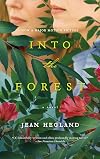
Two teenage sisters become stranded in their rural California home at the edge of a large, wild forest after the unexplained collapse of society and the accidental death of their father; gradually, the girls accept the reality of their situation and learn how to survive off the forest, which is the only resource they have in abundance.
This book revealed itself slowly, and it took me quite a while to really understand what it was all about. Once it did, everything clicked into place for me. show more Events that before seemed quite unbelievable became meaningful and even beautiful. The ending left with me with a sense of rightness, as well as melancholy, a tone that completely suited this story.
What I did not understand at first is how much of a feminist text this is. The story is not about the apocalypse so much as it is about women returning to their natural mother, the Earth, and relearning how to live in harmony with nature. The bear is an important symbol who teaches the narrator, Nell, that the forest is not threatening but can be nurturing, life-sustaining and protective.
The strong feminism of this book may turn off some readers. The three male characters all come across as inadequate, and finally the girls realize that they only need one another to survive. I was worried that there would be too much violence against women, but the novel avoids the needless wallowing in violence that most apocalyptic books depict, and the one violent incident that does occur is critical for the story.
The ending of the novel was the most beautiful section for me, as it expresses both a sense of loss and optimism. Nell's elegy for books as she decides which ones she absolutely needs moved me. I'm not sure I completely agree with the underlying premise that returning to a pre-industrial way of life is the best path, which seems a bit simplistic. We have spent thousands of years constructing a civilization that offers our species a lot of advantages, and I don't think we will turn our backs on it so easily. I also think that the root of our modern problems also offers our hope for salvation -- that is, our ability to understand the world with science and develop new technologies to meet our needs. Perhaps the true answer is an amalgam of the two: looking back to nature for inspiration for technologies that will sustain us as a civilization but won't eventually destroy us or get used up.
This novel reminded me a lot of another post-apocalyptic novel set in California: Always Coming Home by Ursula K. Le Guin. The two books share the a feminist context and the theme of remembering how to live harmoniously with nature. Indeed, the people of Always Coming Home could be the far-future descendants of Eva and Nell. show less
This book revealed itself slowly, and it took me quite a while to really understand what it was all about. Once it did, everything clicked into place for me. show more Events that before seemed quite unbelievable became meaningful and even beautiful. The ending left with me with a sense of rightness, as well as melancholy, a tone that completely suited this story.
What I did not understand at first is how much of a feminist text this is. The story is not about the apocalypse so much as it is about women returning to their natural mother, the Earth, and relearning how to live in harmony with nature. The bear is an important symbol who teaches the narrator, Nell, that the forest is not threatening but can be nurturing, life-sustaining and protective.
The strong feminism of this book may turn off some readers. The three male characters all come across as inadequate, and finally the girls realize that they only need one another to survive. I was worried that there would be too much violence against women, but the novel avoids the needless wallowing in violence that most apocalyptic books depict, and the one violent incident that does occur is critical for the story.
The ending of the novel was the most beautiful section for me, as it expresses both a sense of loss and optimism. Nell's elegy for books as she decides which ones she absolutely needs moved me. I'm not sure I completely agree with the underlying premise that returning to a pre-industrial way of life is the best path, which seems a bit simplistic. We have spent thousands of years constructing a civilization that offers our species a lot of advantages, and I don't think we will turn our backs on it so easily. I also think that the root of our modern problems also offers our hope for salvation -- that is, our ability to understand the world with science and develop new technologies to meet our needs. Perhaps the true answer is an amalgam of the two: looking back to nature for inspiration for technologies that will sustain us as a civilization but won't eventually destroy us or get used up.
This novel reminded me a lot of another post-apocalyptic novel set in California: Always Coming Home by Ursula K. Le Guin. The two books share the a feminist context and the theme of remembering how to live harmoniously with nature. Indeed, the people of Always Coming Home could be the far-future descendants of Eva and Nell. show less
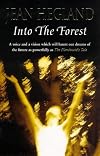
How and when ‘Into the Forest’ came to be on my to-read list, I can no longer recall. It must have taken little convincing, though, as I do like novels in which society has collapsed and the main characters are women. The tone is an interesting mix of gentle and vicious; the narrative follows two sisters living in the middle of nowhere. The electricity and phone have stopped working and they have no petrol left, so must survive as best they can on their own. Hegland certainly evokes a show more distinctive and convincing atmosphere of physical agoraphobia coupled with emotional claustrophobia. Nell and Eva have a nuanced, evolving dynamic that I found moving and compelling. Several episodes were shocking and upsetting. In particular, the sudden death of their father by chainsaw misadventure and Eva’s rape by an unknown man. As an aside, I couldn’t help noticing that the latter was not described in detail, instead the focus is on its impact on Eva. Strange how rarely this is the case when male novelists throw a rape scene into their novels. Also unusual is the inclusion of a sex scene between the sisters, which seemed abrupt without necessarily being out of place.
In some ways, this 1998 novel feels like a harbinger of the current trend for literary novels to employ post-apocalyptic settings as a backdrop for narratives of relationships and emotions. Recent examples include but are definitely not limited to: [b:Find Me|22237149|Find Me|Laura van den Berg|https://images.gr-assets.com/books/1402948860s/22237149.jpg|41610667], [b:Nod|16044493|Nod|Adrian Barnes|https://images.gr-assets.com/books/1351786251s/16044493.jpg|21822383], [b:Black Moon|18050142|Black Moon|Kenneth Calhoun|https://images.gr-assets.com/books/1379330979s/18050142.jpg|25369239], [b:Gold Fame Citrus|24612148|Gold Fame Citrus|Claire Vaye Watkins|https://images.gr-assets.com/books/1426092348s/24612148.jpg|44223210], [b:California|18774020|California|Edan Lepucki|https://images.gr-assets.com/books/1400863574s/18774020.jpg|26407781], [b:Zone One|10365343|Zone One|Colson Whitehead|https://images.gr-assets.com/books/1327888785s/10365343.jpg|15268500], [b:Anna|26013278|Anna|Niccolò Ammaniti|https://images.gr-assets.com/books/1443533187s/26013278.jpg|45933881], [b:The White City|34381490|The White City|Roma Tearne|https://images.gr-assets.com/books/1489156089s/34381490.jpg|55469857], and [b:The End We Start From|33858905|The End We Start From|Megan Hunter|https://images.gr-assets.com/books/1484434655s/33858905.jpg|53628450]. While I prefer a genuine dystopia, ‘Into the Forest’ is an example of this trend done well. I was invested in the characters and the plot, while slight, kept me guessing. I liked the way that successive stages of response to civilisation’s collapse were shown. Although the ending was neat and well-chosen, I didn’t expect it until it arrived.I assumed Eva would die, or her baby would die, or they both would. Perhaps other books within this sub-genre have given me pessimistic expectations. And after the darkness of the parental deaths and the rape, there was little reason to expect such a hopeful conclusion. While the apocalypse was frustratingly vague and the narrative relentlessly individualist, I forgave 'Into the Forest' as the sisters were interesting and their struggles well-told. show less
In some ways, this 1998 novel feels like a harbinger of the current trend for literary novels to employ post-apocalyptic settings as a backdrop for narratives of relationships and emotions. Recent examples include but are definitely not limited to: [b:Find Me|22237149|Find Me|Laura van den Berg|https://images.gr-assets.com/books/1402948860s/22237149.jpg|41610667], [b:Nod|16044493|Nod|Adrian Barnes|https://images.gr-assets.com/books/1351786251s/16044493.jpg|21822383], [b:Black Moon|18050142|Black Moon|Kenneth Calhoun|https://images.gr-assets.com/books/1379330979s/18050142.jpg|25369239], [b:Gold Fame Citrus|24612148|Gold Fame Citrus|Claire Vaye Watkins|https://images.gr-assets.com/books/1426092348s/24612148.jpg|44223210], [b:California|18774020|California|Edan Lepucki|https://images.gr-assets.com/books/1400863574s/18774020.jpg|26407781], [b:Zone One|10365343|Zone One|Colson Whitehead|https://images.gr-assets.com/books/1327888785s/10365343.jpg|15268500], [b:Anna|26013278|Anna|Niccolò Ammaniti|https://images.gr-assets.com/books/1443533187s/26013278.jpg|45933881], [b:The White City|34381490|The White City|Roma Tearne|https://images.gr-assets.com/books/1489156089s/34381490.jpg|55469857], and [b:The End We Start From|33858905|The End We Start From|Megan Hunter|https://images.gr-assets.com/books/1484434655s/33858905.jpg|53628450]. While I prefer a genuine dystopia, ‘Into the Forest’ is an example of this trend done well. I was invested in the characters and the plot, while slight, kept me guessing. I liked the way that successive stages of response to civilisation’s collapse were shown. Although the ending was neat and well-chosen, I didn’t expect it until it arrived.
Jean Hegland sets her debut novel in Northern California, at an unspecified time in the near future when the civilized order is breaking down. Orphaned sisters, Eva, 18, and Nell, 17, live in a house on fifty acres of forested land some thirty miles from the nearest town. As the novel opens their mother is less than a year dead from cancer and they are recovering from the recent and sudden death of their father in an accident. Nell narrates the story, and early on drops vague and ominous show more hints about a war being waged somewhere, with catastrophic results for all of humanity. Looting is endemic; virulent strains of disease are ravaging a population already under siege. Survivors are abandoning their homes, some heading to the east coast following a rumour that order has been restored. The luxuries of modern life are early victims of civilization’s collapse, first becoming scarce, then disappearing altogether, followed by the necessities. Vital infrastructures sputter to a halt; communications systems fall silent. Store shelves are empty; there is no gasoline or electricity. With nothing to buy, money is not just valueless, but meaningless. For a while the sisters survive on a dwindling stash of home-grown preserves and store-bought foodstuffs hoarded by their father. But as the months pass these supplies give out and the girls are forced to emulate the pioneers, sustaining themselves on their own crops and whatever they can harvest from the forest. Because of their isolation Eva and Nell are shielded from the prevailing anarchy and mayhem, but midway through the book, a man appears on the property, confronts Eva and rapes her. In the end, Eva and Nell take drastic measures to ensure their survival when they realize that the greatest threat facing them is not a cruel and indifferent natural world, but the very real danger posed by other humans. Into the Forest is vividly imagined and emotionally resonant, the language rich with metaphor and arresting poetic touches. Nell’s teenage voice is convincing and compelling. A crucial element of the novel is the relationship between the sisters, and the ebb and flow of this relationship mostly rings true. In her largely successful first novel, which was released as a film in 2015, Jean Hegland depicts a post-civilization world that is disturbingly plausible. show less
I absolutely loved this beautiful tale of 2 sisters who are forced to survive at a young age. I lived vicariously through their lives, as it is a dream of mine to live off the grid and gather resources from the forest. The language was rich and beautiful, felt as though I was right there gathering acorns.
I despised the ending, it was BEYOND aggravating, but that's OK, the rest of the novel was beautiful enough to enjoy.
I despised the ending, it was BEYOND aggravating, but that's OK, the rest of the novel was beautiful enough to enjoy.
Lists
Awards


You May Also Like


Associated Authors
Statistics
- Works
- 8
- Members
- 1,841
- Popularity
- #13,980
- Rating
- 3.9
- Reviews
- 67
- ISBNs
- 54
- Languages
- 8
- Favorited
- 5