
Evan Roskos
Author of Dr. Bird's Advice for Sad Poets
About the Author
Image credit: the author
Works by Evan Roskos
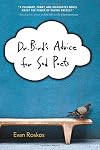
Dr. Bird's Advice for Sad Poets 3 copies
Tagged
Common Knowledge
There is no Common Knowledge data for this author yet. You can help.
Members
Reviews

Today I welcome a bright new voice to the world of young adult contemporary fiction as I take a look at Evan Roskos’ debut novel Dr. Bird’s Advice for Sad Poets. My advice – grab a copy and settle into the unique world of a teen who lives by the poetry of Walt Whitman and utilizes an imaginary pigeon therapist to battle anxiety and depression.
An unusual protagonist takes center stage in Evan Roskos’ debut novel Dr. Bird’s Advice for Sad Poets Sixteen-year-old James Whitman is show more dealing with anxiety, depression, and guilt, and the only way he knows to make it through the day is to live his life by the poetry of his hero, Walt Whitman. Hugging trees, letting out celebratory “YAWPS,” and singing songs of himself, he tries to face each day with a positive outlook and hold back the darkness inside. But now that his sister Jorie has been thrown out of the house the battle is getting harder, and even the assistance of his imaginary pigeon therapist isn’t helping. Dr. Bird’s Advice for Sad Poets follows James in his daily struggles to stay afloat and celebrate the small things so that the darker feelings he holds inside don’t consume him.
This is a wonderful, emotionally charged debut by author Evan Roskos. What did I love the most about Dr. Bird’s Advice for Sad Poets? The sad poet himself, James. I ended up loving this kid and wanting so much for him to be okay, yet he wasn’t a character I connected with immediately. Desperation bled through as James tried to remain frantically upbeat in his day-to-day interactions with the world, and it was a little uncomfortable at first. Throwing himself in front of a school bus in Chapter 2 to rescue a wounded bird (with unexpected results) got my attention, however, while his conversations with the imaginary Dr. Bird won me over. The moments when James succumbed to his anxiety or depression caused me some anxiety, though, as I worried about his ability to pull through; there was a feeling of raw honesty to the scenes that gripped my emotions and connected me more deeply with his character. James was incredibly self-aware, as well, which I loved. He recognized his issues and realized he was reaching a point where he needed more help than Dr. Bird could provide, and his quest to find out the truth behind Jorie’s exile gave him something to hold on to until he could get the help he needed. I loved that he fought so hard for himself and his well-being, and that he worked to find support wherever he could – in trees, the poetry of Walt Whitman, and imaginary pigeons. While I didn’t agree with one of his more drastic choices, I sympathized with his reasons and was so glad when it led to even more support from his best friend Derek. He deserved every hard-won victory.
Secondary characters are kept to a minimum so that each of them stands out even as the focus remains squarely on James. We see these characters through James’s eyes so we only know what he knows or discover what he discovers as the story unfolds, but none of them really fades into the background. The nicknames for his parents – the Brute and the Banshee – give huge insight into their characters even as they don’t take up a lot of page time. His relationships with best friend Derek, love interest Beth, and sister Jorie are each unique and I enjoyed the way they brought out different emotions in James – loyalty and true-blue friendship with Derek, the pangs of first love with Beth, and the knot of love and guilt tied up with Jorie. The dynamic between Derek and James was especially interesting, and it was wonderful to see how they supported each other and recognized each others flaws. There were blow-ups between them (every friendship has them), but they stood by each other when the chips were down and really did have each other’s backs. Derek, Jorie and Beth all gave James something to focus on outside of himself, which he sorely needed. Very nicely handled by Roskos.
Despite its difficult subject matter, this story is told with plenty of humor – although it’s more of a sympathetic humor than the laugh-out-loud kind. There were one or two moments where I burst out laughing as James found himself in an unusual situation or two (the bus incident, helping defuse Derek’s angry ex-girlfriend, etc.), but most of the time it was a wry chuckle or a big smile at his unique view of the world around him. In addition to the humor, Evan Roskos has an unusual style that may be a bit off-putting at first, but fits perfectly with the character of James and provides plenty of energy to the narrative. There are “bursts” of words in the first-person present tense, as if James can’t hold in his thoughts or emotions and just has to let them out right now, and it’s that emotion and energy that sucked me into the story and had me empathizing with him to the end.
One of the most poignant young adult debuts to be released in 2013, Evan Roskos’ Dr. Bird’s Advice for Sad Poets charts the struggles of 16-year-old James Whitman to keep his head above water while fighting clinical anxiety and depression. It is an emotional subject that is handled with humor and unusual style by Roskos, with plenty of Walt Whitman thrown in to light the way. James may be the quirkiest character I’ve met this year with his need to “YAWP” and hug trees to get him through the day, but he is also the one I wanted to hug to just let him know everything would be okay. Recommended for readers who enjoy realistic fiction with serious undertones (bonus points if you love Walt Whitman as well). show less
An unusual protagonist takes center stage in Evan Roskos’ debut novel Dr. Bird’s Advice for Sad Poets Sixteen-year-old James Whitman is show more dealing with anxiety, depression, and guilt, and the only way he knows to make it through the day is to live his life by the poetry of his hero, Walt Whitman. Hugging trees, letting out celebratory “YAWPS,” and singing songs of himself, he tries to face each day with a positive outlook and hold back the darkness inside. But now that his sister Jorie has been thrown out of the house the battle is getting harder, and even the assistance of his imaginary pigeon therapist isn’t helping. Dr. Bird’s Advice for Sad Poets follows James in his daily struggles to stay afloat and celebrate the small things so that the darker feelings he holds inside don’t consume him.
This is a wonderful, emotionally charged debut by author Evan Roskos. What did I love the most about Dr. Bird’s Advice for Sad Poets? The sad poet himself, James. I ended up loving this kid and wanting so much for him to be okay, yet he wasn’t a character I connected with immediately. Desperation bled through as James tried to remain frantically upbeat in his day-to-day interactions with the world, and it was a little uncomfortable at first. Throwing himself in front of a school bus in Chapter 2 to rescue a wounded bird (with unexpected results) got my attention, however, while his conversations with the imaginary Dr. Bird won me over. The moments when James succumbed to his anxiety or depression caused me some anxiety, though, as I worried about his ability to pull through; there was a feeling of raw honesty to the scenes that gripped my emotions and connected me more deeply with his character. James was incredibly self-aware, as well, which I loved. He recognized his issues and realized he was reaching a point where he needed more help than Dr. Bird could provide, and his quest to find out the truth behind Jorie’s exile gave him something to hold on to until he could get the help he needed. I loved that he fought so hard for himself and his well-being, and that he worked to find support wherever he could – in trees, the poetry of Walt Whitman, and imaginary pigeons. While I didn’t agree with one of his more drastic choices, I sympathized with his reasons and was so glad when it led to even more support from his best friend Derek. He deserved every hard-won victory.
Secondary characters are kept to a minimum so that each of them stands out even as the focus remains squarely on James. We see these characters through James’s eyes so we only know what he knows or discover what he discovers as the story unfolds, but none of them really fades into the background. The nicknames for his parents – the Brute and the Banshee – give huge insight into their characters even as they don’t take up a lot of page time. His relationships with best friend Derek, love interest Beth, and sister Jorie are each unique and I enjoyed the way they brought out different emotions in James – loyalty and true-blue friendship with Derek, the pangs of first love with Beth, and the knot of love and guilt tied up with Jorie. The dynamic between Derek and James was especially interesting, and it was wonderful to see how they supported each other and recognized each others flaws. There were blow-ups between them (every friendship has them), but they stood by each other when the chips were down and really did have each other’s backs. Derek, Jorie and Beth all gave James something to focus on outside of himself, which he sorely needed. Very nicely handled by Roskos.
Despite its difficult subject matter, this story is told with plenty of humor – although it’s more of a sympathetic humor than the laugh-out-loud kind. There were one or two moments where I burst out laughing as James found himself in an unusual situation or two (the bus incident, helping defuse Derek’s angry ex-girlfriend, etc.), but most of the time it was a wry chuckle or a big smile at his unique view of the world around him. In addition to the humor, Evan Roskos has an unusual style that may be a bit off-putting at first, but fits perfectly with the character of James and provides plenty of energy to the narrative. There are “bursts” of words in the first-person present tense, as if James can’t hold in his thoughts or emotions and just has to let them out right now, and it’s that emotion and energy that sucked me into the story and had me empathizing with him to the end.
One of the most poignant young adult debuts to be released in 2013, Evan Roskos’ Dr. Bird’s Advice for Sad Poets charts the struggles of 16-year-old James Whitman to keep his head above water while fighting clinical anxiety and depression. It is an emotional subject that is handled with humor and unusual style by Roskos, with plenty of Walt Whitman thrown in to light the way. James may be the quirkiest character I’ve met this year with his need to “YAWP” and hug trees to get him through the day, but he is also the one I wanted to hug to just let him know everything would be okay. Recommended for readers who enjoy realistic fiction with serious undertones (bonus points if you love Walt Whitman as well). show less
teen fiction (socially awkward teen dealing with anxiety, depression, and abusive parents, but with interesting subplots and characters and lots of humor). This goes a little bit into explaining self-cutting and depression/suicidal thoughts, with emphasis on getting help and asking for help, but without feeling didactic. You don't expect to like this character, a kooky teen who has memorized Walt Whitman (on purpose) and whose behavior is seemingly unexplicable, but before long he grows on you.
This was actually hard to read, because it was so familiar to me, but it was also just wonderful. I liked this protagonist so much; he seemed like someone I'd be friends with now, if he were my age. I loved the way James uses Walt Whitman's poetry to get through life and figure things out, like Holling Hoodhood with Shakespeare and Doug Swieteck with the art of John James Audubon. And I'm so glad to read a young adult novel handling mental illness openly, because it's been a taboo subject show more for far too long. It's a quick, absolutely lovely read. show less
Who knew that contemporary literary young adult fiction was a thing? I get so used to reading about angst in the context of vampires or faeries that it's almost refreshing to read about real people. This debut novel from Evan Roskos has one of the best, most realistic portraits of living with mental illness that I've read. I'm a little concerned that teens reading this will think that if they don't have a terrible, abusive home like James then they're not really depressed. Still, people show more who've been through the shit will recognize themselves in the twisted, miserable, and giddy mind of the narrator. show less
Lists
Awards


You May Also Like


Statistics
- Works
- 2
- Members
- 249
- Popularity
- #91,697
- Rating
- 3.7
- Reviews
- 15
- ISBNs
- 4
- Favorited
- 1
