
Rita Leganski
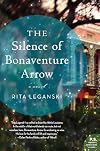
Author of The Silence of Bonaventure Arrow
Works by Rita Leganski
Tagged
Common Knowledge
- Birthdate
- 20th Century
- Gender
- female
- Education
- DePaul University
- Awards and honors
- Arthur Weinberg Memorial Prize (for historical fiction)
- Nationality
- USA
- Associated Place (for map)
- USA
Members
Reviews
There is something absolutely spellbinding in this book. The words flow like music and wrap the reader in a world made of laughs, love, tears, death and poetry, a touch of magic that never becomes silly or overpowering but which captures the imagination and reminds us of all the wonder in the world.
The story is beautifully crafted with the right amount of suspense and character development; the secrets are alluded to without overwhelming the plot and when revealed are evoked with delicacy show more and care - these are not for shock value but rather to confirm the feelings and further knit the relationships.
Absolutely enchanting. show less
The story is beautifully crafted with the right amount of suspense and character development; the secrets are alluded to without overwhelming the plot and when revealed are evoked with delicacy show more and care - these are not for shock value but rather to confirm the feelings and further knit the relationships.
Absolutely enchanting. show less
How's this for an opening line:
"Bonaventure Arrow didn't make a peep when he was born, and the doctor nearly took him for dead." Page 3
The Silence Of Bonaventure Arrow by Rita Leganski grabbed my attention immediately with that opening line. Set in sultry New Orleans and the Louisiana bayou in the late 1940s-1950s, Bonaventure's mother Dancy mourns the death of her husband while pregnant with Bonaventure. Born without a sound - who could forget that opening line - Bonaventure is different show more from other babies and doesn't cry; ever.
As he grows older, it becomes clear Bonaventure is mute, he doesn't make any sound at all but the reader knows he has a gift that allows him to hear what no-one else can. Bonaventure can hear his mother's heartbeat and find the sound of her blood flowing no matter how far away she is.
"Bonaventure Arrow could hear conjured charms and sanctified spirits deep in the marrow of New Orleans. He could hear the movements of voodoo queens and the prayers of long dead saints. He could hear the past and the present." Page 7
As he ages, Bonaventure knows his mother still mourns the murder of his father and doesn't yet know that the voice he hears and speaks to telepathically is that of his Dad. Living with his religious paternal Grandmother and fearing his religious extremist maternal grandmother, Bonaventure knows he needs to help them all to heal from their emotional and spiritual wounds.
"Although there were no definitive answers, the latest test showed that voice or no voice, Bonaventure's hearing was exceptionally acute. However, the test did not quantify his ability. Everyone would have been shocked to know that he could hear such things as the blink of an eye from across the room, or the sound of a falling flower petal before it hit the floor. They would never have been able to fathom that the scope of his hearing wasn't even accurately gauged by the sounds of blinking eyes and falling petals, or even by the sounds of shooting stars. For how can such a glorious gift be measured? Surely its value is tied to the giver's intentions, which in the case of Bonaventure Arrow had to do with bringing peace to the living and the dead." Page 122
Bonaventure is a curious, sensitive and thoughtful boy and the plot quickens when a Creole housekeeper moves in to the Arrow household. The two of them have a special connection and Bonaventure learns more about his gift, discovers the difference between hoodoo and voodoo and devises a way to communicate.
While the character development is richly layered, I occasionally found myself wondering if we really needed to know so many ancestral backstories. The descriptions of Bonaventure's gift were the absolute highlight of the book for me, so I'll hope you'll forgive the long quote above. There were so many more I could have included.
With themes of love, loss, grief and healing, I thoroughly enjoyed The Silence Of Bonaventure Arrow by Rita Leganski and would readily read another instalment as Bonaventure enters adulthood. show less
"Bonaventure Arrow didn't make a peep when he was born, and the doctor nearly took him for dead." Page 3
The Silence Of Bonaventure Arrow by Rita Leganski grabbed my attention immediately with that opening line. Set in sultry New Orleans and the Louisiana bayou in the late 1940s-1950s, Bonaventure's mother Dancy mourns the death of her husband while pregnant with Bonaventure. Born without a sound - who could forget that opening line - Bonaventure is different show more from other babies and doesn't cry; ever.
As he grows older, it becomes clear Bonaventure is mute, he doesn't make any sound at all but the reader knows he has a gift that allows him to hear what no-one else can. Bonaventure can hear his mother's heartbeat and find the sound of her blood flowing no matter how far away she is.
"Bonaventure Arrow could hear conjured charms and sanctified spirits deep in the marrow of New Orleans. He could hear the movements of voodoo queens and the prayers of long dead saints. He could hear the past and the present." Page 7
As he ages, Bonaventure knows his mother still mourns the murder of his father and doesn't yet know that the voice he hears and speaks to telepathically is that of his Dad. Living with his religious paternal Grandmother and fearing his religious extremist maternal grandmother, Bonaventure knows he needs to help them all to heal from their emotional and spiritual wounds.
"Although there were no definitive answers, the latest test showed that voice or no voice, Bonaventure's hearing was exceptionally acute. However, the test did not quantify his ability. Everyone would have been shocked to know that he could hear such things as the blink of an eye from across the room, or the sound of a falling flower petal before it hit the floor. They would never have been able to fathom that the scope of his hearing wasn't even accurately gauged by the sounds of blinking eyes and falling petals, or even by the sounds of shooting stars. For how can such a glorious gift be measured? Surely its value is tied to the giver's intentions, which in the case of Bonaventure Arrow had to do with bringing peace to the living and the dead." Page 122
Bonaventure is a curious, sensitive and thoughtful boy and the plot quickens when a Creole housekeeper moves in to the Arrow household. The two of them have a special connection and Bonaventure learns more about his gift, discovers the difference between hoodoo and voodoo and devises a way to communicate.
While the character development is richly layered, I occasionally found myself wondering if we really needed to know so many ancestral backstories. The descriptions of Bonaventure's gift were the absolute highlight of the book for me, so I'll hope you'll forgive the long quote above. There were so many more I could have included.
With themes of love, loss, grief and healing, I thoroughly enjoyed The Silence Of Bonaventure Arrow by Rita Leganski and would readily read another instalment as Bonaventure enters adulthood. show less
Okay book, I'm pretty sure it was me and not you. Listen, I saw you and you were beautiful, and I wanted you right away. I couldn't resist your allure, your magical realism. I had to have you in my life. Now, though, I realize that I should have gotten to know you better first, before we committed to one another in any meaningful way. You really are beautiful inside and out, but just not in a way I can fully appreciate.
What I can say is that the writing in The Silence of Bonaventure Arrow is show more beautiful. Simply lovely. Leganski's writing style plays into the feeling of magical realism perfectly, and the way she puts together sentences has a magic all its own. Her debut proves her writing chops, and I would be willing to consider reading whatever her next novel is, solely on the strength of her prose.
The book's opening captured me immediately, reminding me a good deal of Fitzgerald's short story "The Curious Case of Benjamin Button" mixed with the southern charm of Sarah Addison Allen. The idea of a child, mute but intended for some big purpose, seems fraught with possibility. Unfortunately, the story then jumps back and spends almost the whole of the novel in the backstory of his mother and grandmothers. I never did find myself especially interested in any character but Bonaventure Arrow himself, and he didn't turn out to be much of a focus in the novel.
Bonaventure, in addition to being silent, has super hearing. He can hear everything, from falling stars to his father's ghost. Supposedly, this will allow him to do something quite special and live up to his saintly name. His counterpart of sorts, in the sense that they both have special abilities, is Trinidad, a much older black woman. She sees visions, Knowings, and practices hoodoo, which allows her to help people with natural herbs. Her hoodoo is remarkably similar to the effects of Vianne's chocolates in Chocolat. These elements are fantastic, but I don't feel like they served any actual purpose to the plot whatsoever. They seem merely to be there to make the setting more vibrant.
Actually, the only real plot seems to involve Bonaventure's father. William dies before Bonaventure's birth, shot by a mysterious, insane man. His mother and wife are trying to allay their guilt, the former by trying to figure out the identity of his killer. Meanwhile, William, in some sort of purgatory, watches over his family, and communicates with his son. The whole book seems mostly to be about him moving on to the next world. Rather than magical realism, this is much more of a ghost story.
What lost me, most heartily though, was all of the Christianity in the novel. No, it's not preachy, but it's incredibly boring. As I said, I couldn't be bothered about the backstory of the grandmothers, and their pasts are all wrapped up in their fervent religious beliefs. Every character isn't Christian, and it doesn't seem like Leganski's trying to say anything about it, but I just had no fucks to give about any of it. Like so much else in the novel, I just don't see why I had to sit through all of that when it doesn't seem to have had a big impact on the plot overall.
The Silence of Bonaventure Arrow is a gorgeously-written novel, but suffers from a weak plot that tries to do too many things without tying them together. I might read more Leganski someday, but this one did not work for me. show less
What I can say is that the writing in The Silence of Bonaventure Arrow is show more beautiful. Simply lovely. Leganski's writing style plays into the feeling of magical realism perfectly, and the way she puts together sentences has a magic all its own. Her debut proves her writing chops, and I would be willing to consider reading whatever her next novel is, solely on the strength of her prose.
The book's opening captured me immediately, reminding me a good deal of Fitzgerald's short story "The Curious Case of Benjamin Button" mixed with the southern charm of Sarah Addison Allen. The idea of a child, mute but intended for some big purpose, seems fraught with possibility. Unfortunately, the story then jumps back and spends almost the whole of the novel in the backstory of his mother and grandmothers. I never did find myself especially interested in any character but Bonaventure Arrow himself, and he didn't turn out to be much of a focus in the novel.
Bonaventure, in addition to being silent, has super hearing. He can hear everything, from falling stars to his father's ghost. Supposedly, this will allow him to do something quite special and live up to his saintly name. His counterpart of sorts, in the sense that they both have special abilities, is Trinidad, a much older black woman. She sees visions, Knowings, and practices hoodoo, which allows her to help people with natural herbs. Her hoodoo is remarkably similar to the effects of Vianne's chocolates in Chocolat. These elements are fantastic, but I don't feel like they served any actual purpose to the plot whatsoever. They seem merely to be there to make the setting more vibrant.
Actually, the only real plot seems to involve Bonaventure's father. William dies before Bonaventure's birth, shot by a mysterious, insane man. His mother and wife are trying to allay their guilt, the former by trying to figure out the identity of his killer. Meanwhile, William, in some sort of purgatory, watches over his family, and communicates with his son. The whole book seems mostly to be about him moving on to the next world. Rather than magical realism, this is much more of a ghost story.
What lost me, most heartily though, was all of the Christianity in the novel. No, it's not preachy, but it's incredibly boring. As I said, I couldn't be bothered about the backstory of the grandmothers, and their pasts are all wrapped up in their fervent religious beliefs. Every character isn't Christian, and it doesn't seem like Leganski's trying to say anything about it, but I just had no fucks to give about any of it. Like so much else in the novel, I just don't see why I had to sit through all of that when it doesn't seem to have had a big impact on the plot overall.
The Silence of Bonaventure Arrow is a gorgeously-written novel, but suffers from a weak plot that tries to do too many things without tying them together. I might read more Leganski someday, but this one did not work for me. show less
Imagine hearing the flap of a butterfly wing, the descent of a falling tear, the color of orange. Such is the gift born to Bonaventure Arrow. Conceived in love and delivered in tragedy, his ability to hear beyond the realm of possible and inability to speak comes with its own challenges and responsibilities. In true Southern literature fashion, Rita Leganski’s debut novel, The Silence of Bonaventure Arrow, uses the magic of possibility and the innocence surrounding one miraculous little show more boy to uncover and heal his family’s wounds.
While The Silence of Bonaventure Arrow is an enjoyable story, it does not stand up well to scrutiny. There is too much overt manipulation by Ms. Leganski that is easy to ignore while in the throes of the novel and too easily seen upon reflection. In addition, the story itself is a tad too predictable, also something easier to forgive while reading. While the characters are enjoyable, there is more than a touch of archetype within them to prevent them from being wholly original. There is nothing earth-shattering or revelatory about the plot, which plods along towards its gratifying and expected ending. The end result is a novel that is simultaneously satisfying and yet mildly upsetting as a reader struggles to remember just what was so special about it upon finishing.
The strength of the novel lies in Ms. Leganski’s luscious imagery. She lists novelists like Flannery O’Connor, William Faulkner, Harper Lee, and other Southern authors as her childhood favorites, and one can easily see their influence on her writing style and on her use of the setting as its own character. Set in any other location, The Silence of Bonaventure Arrow would just not work. Not only are the influences of hoodoo and root work unique to the South, its well-documented and strongly felt history, as well as the idea of possibility, that still exists create a vibe wherein anything is possible. The rest of the country is too pragmatic, too business-like, and too controlled to fit the potential behind Bonaventure’s gift. Ms. Leganski uses the Louisiana backdrop to full advantage, filling the novel with gorgeous descriptions regarding the countryside, the deep family traditions and long-held beliefs, and something uniquely Southern – that mystical something which continues to draw visitors to the Louisiana bayous by the droves.
It is difficult not to fall a bit in love with Bonaventure, which is entirely the point of the story. He is so amiable and loving, while the fact that he was conceived in such love and born under such tragic circumstances enhance one’s affection for him. The fact that the reader is the only one privy to the extent of Bonaventure’s hearing abilities definitely enhances the bond between reader and character and only mildly manipulative. It is a lot easier to empathize with Bonaventure’s troubles at school and desire to know his father when one knows what he is thinking, feeling, and hearing. He may be an archetype, a la Benjamin Button, but the sense of wonder one feels on his behalf regarding his auditory discoveries offset any negative feelings towards his character.
The Silence of Bonaventure Arrow is a novel best read and not discussed. When reading it, a reader becomes caught up on the vivid descriptions and the constant love between Dancy, William, and Bonaventure and marvel at Bonaventure’s gift. Unfortunately, it is upon discussion where one finally recognizes the story’s myriad flaws and which ultimately does the novel a disservice. The story of the Arrow family is beautiful on its own, regardless of its predictability or heavy-handed use of emotion. Some novels are just not meant for heavy analysis, and The Silence of Bonaventure Arrow clearly falls into that category. show less
While The Silence of Bonaventure Arrow is an enjoyable story, it does not stand up well to scrutiny. There is too much overt manipulation by Ms. Leganski that is easy to ignore while in the throes of the novel and too easily seen upon reflection. In addition, the story itself is a tad too predictable, also something easier to forgive while reading. While the characters are enjoyable, there is more than a touch of archetype within them to prevent them from being wholly original. There is nothing earth-shattering or revelatory about the plot, which plods along towards its gratifying and expected ending. The end result is a novel that is simultaneously satisfying and yet mildly upsetting as a reader struggles to remember just what was so special about it upon finishing.
The strength of the novel lies in Ms. Leganski’s luscious imagery. She lists novelists like Flannery O’Connor, William Faulkner, Harper Lee, and other Southern authors as her childhood favorites, and one can easily see their influence on her writing style and on her use of the setting as its own character. Set in any other location, The Silence of Bonaventure Arrow would just not work. Not only are the influences of hoodoo and root work unique to the South, its well-documented and strongly felt history, as well as the idea of possibility, that still exists create a vibe wherein anything is possible. The rest of the country is too pragmatic, too business-like, and too controlled to fit the potential behind Bonaventure’s gift. Ms. Leganski uses the Louisiana backdrop to full advantage, filling the novel with gorgeous descriptions regarding the countryside, the deep family traditions and long-held beliefs, and something uniquely Southern – that mystical something which continues to draw visitors to the Louisiana bayous by the droves.
It is difficult not to fall a bit in love with Bonaventure, which is entirely the point of the story. He is so amiable and loving, while the fact that he was conceived in such love and born under such tragic circumstances enhance one’s affection for him. The fact that the reader is the only one privy to the extent of Bonaventure’s hearing abilities definitely enhances the bond between reader and character and only mildly manipulative. It is a lot easier to empathize with Bonaventure’s troubles at school and desire to know his father when one knows what he is thinking, feeling, and hearing. He may be an archetype, a la Benjamin Button, but the sense of wonder one feels on his behalf regarding his auditory discoveries offset any negative feelings towards his character.
The Silence of Bonaventure Arrow is a novel best read and not discussed. When reading it, a reader becomes caught up on the vivid descriptions and the constant love between Dancy, William, and Bonaventure and marvel at Bonaventure’s gift. Unfortunately, it is upon discussion where one finally recognizes the story’s myriad flaws and which ultimately does the novel a disservice. The story of the Arrow family is beautiful on its own, regardless of its predictability or heavy-handed use of emotion. Some novels are just not meant for heavy analysis, and The Silence of Bonaventure Arrow clearly falls into that category. show less
Lists
Awards


You May Also Like


Statistics
- Works
- 1
- Members
- 336
- Popularity
- #70,810
- Rating
- 4.0
- Reviews
- 35
- ISBNs
- 5