
Doug Cook (1)
Author of Taekwondo: Ancient Wisdom for the Modern Warrior
For other authors named Doug Cook, see the disambiguation page.
Works by Doug Cook
Tagged
Common Knowledge
There is no Common Knowledge data for this author yet. You can help.
Members
Reviews
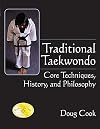
The principles and techniques illustrated in this book-having been handed down over the decades, if not centuries-emphasize a core philosophy rich in defensive strategy.
Taekwondo, literally translated, can be defined as 'foot, hand way' or 'the way of smashing with hands and feet.' Such descriptive nomenclature understandably implies a curriculum rich in self-defense. Too often, howerver, this is simply not the case. Given the current popularity of sports competition in the martial arts, show more many techniques of defensive value have been stripped away or forfeited altogether in favor of those certain to score in the ring. While the thirst for Olympic gold has clearly played a significant role in propelling Taekwondo into the forefront, it should be remembered that this native Korean martial art contains over 3200 distinct self-defense techniques.
Ths book describes in detail, the history and evolution of Taekwondo from its anicent roots to modern-day applications. Also included are exercises in 'Ki', or internal energy develpment, meditation practice, and practical self-defense strategies. This work focuses on the traditional aspects of Taekwondo rather than on its sportive component.
Doug Cook holds a fourth-degree black belt in Taekwondo, and is certified as an instructor by the US Taekwondo Association and World Taekwondo Federation. He is a contributing columnist for Taekwondo Times, and editor of the United States Taekwondo Association Journal. HIs ealier book Taekwondo-Ancient Wisdom for the Modern Warrior has becomve recommended reading in Taekwondo Schools worldwide. Doug resides in Warwick, New York.
Contents
Dedication
Foreword
Acknowledgments
Letter from Richard Chun Taekwondo Center
Preface
Part One-History and culture
Chapter 1 Introduction
Chapter 2 Historical periods
Chapter 3 The formative years of taekwondo
Part Two -Philosophy
Chapter 4 The role of meditation in traditional taekwondo
Chapter 5 The development anduse of combat ki
Chapter 6 The relevance of poom-se in traditional taekwondo
Part Three-Technique
Chapter 7 Pyysical conditioning for martial arts
Chapter 8 Training methods in traditional taekwondo
Chapter 9 Il Su Sik practice
Chapter 10 Sam Su Sik practice
Chapter 11 Ho Sin Sool practice
Chapter 12 Self-defense practice for women
Conclusion
Appendix A Training in Korea with Grandmater Gyoo Hyun Lee
Appendix B Korean/English trnalsations for taekwondo terms
Appendix C Martial arts organizations worldwide
Glossary
Bibliography & sources
Index
About the author show less
Taekwondo, literally translated, can be defined as 'foot, hand way' or 'the way of smashing with hands and feet.' Such descriptive nomenclature understandably implies a curriculum rich in self-defense. Too often, howerver, this is simply not the case. Given the current popularity of sports competition in the martial arts, show more many techniques of defensive value have been stripped away or forfeited altogether in favor of those certain to score in the ring. While the thirst for Olympic gold has clearly played a significant role in propelling Taekwondo into the forefront, it should be remembered that this native Korean martial art contains over 3200 distinct self-defense techniques.
Ths book describes in detail, the history and evolution of Taekwondo from its anicent roots to modern-day applications. Also included are exercises in 'Ki', or internal energy develpment, meditation practice, and practical self-defense strategies. This work focuses on the traditional aspects of Taekwondo rather than on its sportive component.
Doug Cook holds a fourth-degree black belt in Taekwondo, and is certified as an instructor by the US Taekwondo Association and World Taekwondo Federation. He is a contributing columnist for Taekwondo Times, and editor of the United States Taekwondo Association Journal. HIs ealier book Taekwondo-Ancient Wisdom for the Modern Warrior has becomve recommended reading in Taekwondo Schools worldwide. Doug resides in Warwick, New York.
Contents
Dedication
Foreword
Acknowledgments
Letter from Richard Chun Taekwondo Center
Preface
Part One-History and culture
Chapter 1 Introduction
Chapter 2 Historical periods
Chapter 3 The formative years of taekwondo
Part Two -Philosophy
Chapter 4 The role of meditation in traditional taekwondo
Chapter 5 The development anduse of combat ki
Chapter 6 The relevance of poom-se in traditional taekwondo
Part Three-Technique
Chapter 7 Pyysical conditioning for martial arts
Chapter 8 Training methods in traditional taekwondo
Chapter 9 Il Su Sik practice
Chapter 10 Sam Su Sik practice
Chapter 11 Ho Sin Sool practice
Chapter 12 Self-defense practice for women
Conclusion
Appendix A Training in Korea with Grandmater Gyoo Hyun Lee
Appendix B Korean/English trnalsations for taekwondo terms
Appendix C Martial arts organizations worldwide
Glossary
Bibliography & sources
Index
About the author show less
The principles and techniques illustrated in this book-having been handed down over the decades, if not centuries-emphasize a core philosophy rich in defensive strategy.
Taekwondo, literally translated, can be defined as 'foot, hand way' or 'the way of smashing with hands and feet.' Such descriptive nomenclature understandably implies a curriculum rich in self-defense. Too often, howerver, this is simply not the case. Given the current popularity of sports competition in the martial arts, show more many techniques of defensive value have been stripped away or forfeited altogether in favor of those certain to score in the ring. While the thirst for Olympic gold has clearly played a significant role in propelling Taekwondo into the forefront, it should be remembered that this native Korean martial art contains over 3200 distinct self-defense techniques.
Ths book describes in detail, the history and evolution of Taekwondo from its anicent roots to modern-day applications. Also included are exercises in 'Ki', or internal energy develpment, meditation practice, and practical self-defense strategies. This work focuses on the traditional aspects of Taekwondo rather than on its sportive component.
Doug Cook holds a fourth-degree black belt in Taekwondo, and is certified as an instructor by the US Taekwondo Association and World Taekwondo Federation. He is a contributing columnist for Taekwondo Times, and editor of the United States Taekwondo Association Journal. HIs ealier book Taekwondo-Ancient Wisdom for the Modern Warrior has becomve recommended reading in Taekwondo Schools worldwide. Doug resides in Warwick, New York.
Contents
Dedication
Foreword
Acknowledgments
Letter from Richard Chun Taekwondo Center
Preface
Part One-History and culture
Chapter 1 Introduction
Chapter 2 Historical periods
Chapter 3 The formative years of taekwondo
Part Two -Philosophy
Chapter 4 The role of meditation in traditional taekwondo
Chapter 5 The development anduse of combat ki
Chapter 6 The relevance of poom-se in traditional taekwondo
Part Three-Technique
Chapter 7 Pyysical conditioning for martial arts
Chapter 8 Training methods in traditional taekwondo
Chapter 9 Il Su Sik practice
Chapter 10 Sam Su Sik practice
Chapter 11 Ho Sin Sool practice
Chapter 12 Self-defense practice for women
Conclusion
Appendix A Training in Korea with Grandmater Gyoo Hyun Lee
Appendix B Korean/English trnalsations for taekwondo terms
Appendix C Martial arts organizations worldwide
Glossary
Bibliography & sources
Index
About the author show less
Taekwondo, literally translated, can be defined as 'foot, hand way' or 'the way of smashing with hands and feet.' Such descriptive nomenclature understandably implies a curriculum rich in self-defense. Too often, howerver, this is simply not the case. Given the current popularity of sports competition in the martial arts, show more many techniques of defensive value have been stripped away or forfeited altogether in favor of those certain to score in the ring. While the thirst for Olympic gold has clearly played a significant role in propelling Taekwondo into the forefront, it should be remembered that this native Korean martial art contains over 3200 distinct self-defense techniques.
Ths book describes in detail, the history and evolution of Taekwondo from its anicent roots to modern-day applications. Also included are exercises in 'Ki', or internal energy develpment, meditation practice, and practical self-defense strategies. This work focuses on the traditional aspects of Taekwondo rather than on its sportive component.
Doug Cook holds a fourth-degree black belt in Taekwondo, and is certified as an instructor by the US Taekwondo Association and World Taekwondo Federation. He is a contributing columnist for Taekwondo Times, and editor of the United States Taekwondo Association Journal. HIs ealier book Taekwondo-Ancient Wisdom for the Modern Warrior has becomve recommended reading in Taekwondo Schools worldwide. Doug resides in Warwick, New York.
Contents
Dedication
Foreword
Acknowledgments
Letter from Richard Chun Taekwondo Center
Preface
Part One-History and culture
Chapter 1 Introduction
Chapter 2 Historical periods
Chapter 3 The formative years of taekwondo
Part Two -Philosophy
Chapter 4 The role of meditation in traditional taekwondo
Chapter 5 The development anduse of combat ki
Chapter 6 The relevance of poom-se in traditional taekwondo
Part Three-Technique
Chapter 7 Pyysical conditioning for martial arts
Chapter 8 Training methods in traditional taekwondo
Chapter 9 Il Su Sik practice
Chapter 10 Sam Su Sik practice
Chapter 11 Ho Sin Sool practice
Chapter 12 Self-defense practice for women
Conclusion
Appendix A Training in Korea with Grandmater Gyoo Hyun Lee
Appendix B Korean/English trnalsations for taekwondo terms
Appendix C Martial arts organizations worldwide
Glossary
Bibliography & sources
Index
About the author show less
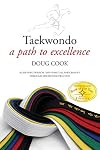
Taekwondo is a jurney...
This book, in seven parts, offers you the opportunity to visit the garden that is taekwondo. Disover what it means to be a steadfast practitioner, understand taekwondo's honorable past, and prosper in the conficdence and purpose that taekwondo offers to all who participate.
By following taekwondo's path and develping its indomitable spirit, you-the taekwondo traveler-will see the 'Do' or the way. Learn how to cultivate a natural harmony and rhythm to life, be able to show more distinguish right from wrong, and be equipped to defend against that which might harm what you hold most sacred.
Taekwondo is a path to excellence...
'Outstanding, and informative, and beautifully capures the art of tae kwon do. I highly recommend this book.'-Grandmaster Hee Il Cho, President, Action International Martial Arts Association
'The most comprehensive tribute to the traditional art of taekwondo. You are a voice that must be heard!-Philip Ameris, 7th dan, Action International Martial Arts Association
'Doug Cook has done it again! I have read many books on taekwondo, but this book is my favorite.'-John Pellegrini, 9th dan, President, International Combat Hapkido Federation
'Skillfully written invitation to explore the oft-neglected traditional and philosophical aspects of taekwondo. Refreshing!-John Donohue, Ph.D., professor of anthropology, best-selling author
'Puts the 'Do' back in taekwondo!-Mark K. Setton, Ph.D., Chariman of Martial Arts Studies, University of Bridgeport, Connecticut
'A fascinating look into taekwondo's history, practice, and philosphy.'-Michael Rosenbaum, martial arts instructor, best-selling author
'Doug Cook has outlined a path to excellence, whre the ractice of taekwondo can lead to physical and spiritual enrichment. A great read!'-Lawrence Kane, Sensei, best-selling author
Doug Cook, 5th dan, is certified by the United States Taekwondo Association and the Kukkiwon in South Korea. He s a 2006 inductee to the Budo International Martial Arts Hall of Fame and has instructed U.S. Army National Guard troops, officers from the Department of Homeland Security, and the New York Police Department. Author, of three books, Doug Cook teaches and resides in Warwick, New York.
Contents
Dedication
Foreword by Grandmaster Richard Chun
Preface
Acknowledgments
Part One-What is taekwondo?
Defining an art
The vital elements of taekwondo: The three-legged stool
The first leg: Kihon/basics
The second leg: Poomsae/forms
The third leg: Kyorugi/sparring
The importance of do
Articulating martial art
Part Two-An honorable history
The birth of a nation: The ancient myth of tangoon
The three kingdoms period: battlegrounds of honor
The way of the flowering manhood: Hwarang-do
Stirrings of Buddhist thought in taekwondo: Wonkwang, kwisan,and chuhang
The legend of kwan-ch'ang, The boy-warrior
Genral KimYu Shin: Architect of unification
In the footsteps of hwarang-do: The influence of ancient warriors
The koryo and chosun dynasties
The poiitics of taekwondo today
Traditional taekwondo in the 21st century
Enlightenment through disillusion
Part Three-Becoming a stedfast practitioner
Remaining true to the art
The practice ofpurpose intaekwondo
The caling
The holistic acceptance of taekwondo
Champions of the heart
Part Four-Just for beginners
First steps
Enduring strength
Surrender
Stress in the martial arts
Creating a training journal
In the shadow of a grandmaster
Part Five-My students and colleagues
The dojang-A safe haven
The tradition of training while traveling
A woman's touch
The reality of consequence
Recognition
Grandmaster Richard Chun
The masters of the USTA
Grandmaster Gyoo Hyun Lee
Grandmaster Sang Hak Lee
Master Sang Bum Yoom
Master Ryan An
The teachers and students of the Chosun Taekwondo Academy
Part Six-Economics of the martial arts
The grand mosaic
Pursuing a career in the martial arts
Part Seven-Visiting Korea: Land of the morning calm
Training in Korea: A stressful trip, but a warm welcome
Training in Korea: Kyng Won University
Training in Korea: Sparring with the Kyung Won Taekwondo Taem
Training in Korea: The Kukkiwon, World Taekwondo Headquarters
Training in Korea: Visting the Capital of the ancient Silla Kingdom
What do we do now?
Last words
Glossary
Notes
Bibliography
Organizations, addresses, and web sites
Index
About the author show less
This book, in seven parts, offers you the opportunity to visit the garden that is taekwondo. Disover what it means to be a steadfast practitioner, understand taekwondo's honorable past, and prosper in the conficdence and purpose that taekwondo offers to all who participate.
By following taekwondo's path and develping its indomitable spirit, you-the taekwondo traveler-will see the 'Do' or the way. Learn how to cultivate a natural harmony and rhythm to life, be able to show more distinguish right from wrong, and be equipped to defend against that which might harm what you hold most sacred.
Taekwondo is a path to excellence...
'Outstanding, and informative, and beautifully capures the art of tae kwon do. I highly recommend this book.'-Grandmaster Hee Il Cho, President, Action International Martial Arts Association
'The most comprehensive tribute to the traditional art of taekwondo. You are a voice that must be heard!-Philip Ameris, 7th dan, Action International Martial Arts Association
'Doug Cook has done it again! I have read many books on taekwondo, but this book is my favorite.'-John Pellegrini, 9th dan, President, International Combat Hapkido Federation
'Skillfully written invitation to explore the oft-neglected traditional and philosophical aspects of taekwondo. Refreshing!-John Donohue, Ph.D., professor of anthropology, best-selling author
'Puts the 'Do' back in taekwondo!-Mark K. Setton, Ph.D., Chariman of Martial Arts Studies, University of Bridgeport, Connecticut
'A fascinating look into taekwondo's history, practice, and philosphy.'-Michael Rosenbaum, martial arts instructor, best-selling author
'Doug Cook has outlined a path to excellence, whre the ractice of taekwondo can lead to physical and spiritual enrichment. A great read!'-Lawrence Kane, Sensei, best-selling author
Doug Cook, 5th dan, is certified by the United States Taekwondo Association and the Kukkiwon in South Korea. He s a 2006 inductee to the Budo International Martial Arts Hall of Fame and has instructed U.S. Army National Guard troops, officers from the Department of Homeland Security, and the New York Police Department. Author, of three books, Doug Cook teaches and resides in Warwick, New York.
Contents
Dedication
Foreword by Grandmaster Richard Chun
Preface
Acknowledgments
Part One-What is taekwondo?
Defining an art
The vital elements of taekwondo: The three-legged stool
The first leg: Kihon/basics
The second leg: Poomsae/forms
The third leg: Kyorugi/sparring
The importance of do
Articulating martial art
Part Two-An honorable history
The birth of a nation: The ancient myth of tangoon
The three kingdoms period: battlegrounds of honor
The way of the flowering manhood: Hwarang-do
Stirrings of Buddhist thought in taekwondo: Wonkwang, kwisan,and chuhang
The legend of kwan-ch'ang, The boy-warrior
Genral KimYu Shin: Architect of unification
In the footsteps of hwarang-do: The influence of ancient warriors
The koryo and chosun dynasties
The poiitics of taekwondo today
Traditional taekwondo in the 21st century
Enlightenment through disillusion
Part Three-Becoming a stedfast practitioner
Remaining true to the art
The practice ofpurpose intaekwondo
The caling
The holistic acceptance of taekwondo
Champions of the heart
Part Four-Just for beginners
First steps
Enduring strength
Surrender
Stress in the martial arts
Creating a training journal
In the shadow of a grandmaster
Part Five-My students and colleagues
The dojang-A safe haven
The tradition of training while traveling
A woman's touch
The reality of consequence
Recognition
Grandmaster Richard Chun
The masters of the USTA
Grandmaster Gyoo Hyun Lee
Grandmaster Sang Hak Lee
Master Sang Bum Yoom
Master Ryan An
The teachers and students of the Chosun Taekwondo Academy
Part Six-Economics of the martial arts
The grand mosaic
Pursuing a career in the martial arts
Part Seven-Visiting Korea: Land of the morning calm
Training in Korea: A stressful trip, but a warm welcome
Training in Korea: Kyng Won University
Training in Korea: Sparring with the Kyung Won Taekwondo Taem
Training in Korea: The Kukkiwon, World Taekwondo Headquarters
Training in Korea: Visting the Capital of the ancient Silla Kingdom
What do we do now?
Last words
Glossary
Notes
Bibliography
Organizations, addresses, and web sites
Index
About the author show less
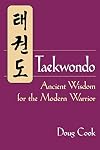
Learn the whole story behind the world's most popular martial art!
Although millions of people around the world practice the fascinating art of taekwondo, so little is kown about its history, principles or philosophy. It is time to find out just what taekwondo is all about! Learn how principles such as honor, perseverance, and dedication will enhance your daily life, how the philosophical and physical tenets combine to form not only a way of living, but a solid system of self-defense, and why show more these concepts are not just quaint ideals, but more important than ever in today's age.
Taekwondo's Ancient Wisdom is not only a 'must read' for every practitioner of any other martial art, but for everyone who seeks to learn from our collecive past to better navigate through today' confusing times.
Includes a thorough history of taekwondo.
Discover exactly what having a black belt is all about.
Learn a simple way of meditation that will benefit any martial artist.
Discover the difference between the martial art as an 'art' and as a 'sport.'
Doug Cook holds a third degree black belt in taekwondo, and is certified as an instructor by the US Taekwondo Association and World Taekwondo Federation Doug is editor of the United States Taekwondo Association Journal and resides in Warwick, New York.
Contents
Foreword
Preface
Acknowledgments
Chapter 1 In the shadow of the hwarang
Chapter 2 A house of discipline
Chapter 3 A code of honor
Chapter 4 The holistic approach
Chapter 5 The enemy within
Chapter 6 Measurable goals
Chapter 7 Poom-se-Moving meditation
Chapter 8 The student/teacher relationship
Chapter 9 With total commitment
Chapter 10 Ki-the unversal life force
Chapter 11 The benefits of meditation
Chapter 12 Personal defense-shields and weapons
Chapter 13 The warrior way
Chapter 14 Indomitable spirit-The power to prevail
Chapter 15 Martial art versus martial sport
Chapter 16 Beyond black belt: Staying the course
Chapter 17 An action philosophy
Chapter 18 Do: A way of life
Epilogue: Warriors of a different war
Appendix A: The training and dynamic meditation of Kyung Won Univeristy
Appendix B Dynamic meditation
Appendix C Martial arts organizations
Appendix D Korean/English translations for taekwondo terms and techniques
Glossary
Biblography
About the author
Index show less
Although millions of people around the world practice the fascinating art of taekwondo, so little is kown about its history, principles or philosophy. It is time to find out just what taekwondo is all about! Learn how principles such as honor, perseverance, and dedication will enhance your daily life, how the philosophical and physical tenets combine to form not only a way of living, but a solid system of self-defense, and why show more these concepts are not just quaint ideals, but more important than ever in today's age.
Taekwondo's Ancient Wisdom is not only a 'must read' for every practitioner of any other martial art, but for everyone who seeks to learn from our collecive past to better navigate through today' confusing times.
Includes a thorough history of taekwondo.
Discover exactly what having a black belt is all about.
Learn a simple way of meditation that will benefit any martial artist.
Discover the difference between the martial art as an 'art' and as a 'sport.'
Doug Cook holds a third degree black belt in taekwondo, and is certified as an instructor by the US Taekwondo Association and World Taekwondo Federation Doug is editor of the United States Taekwondo Association Journal and resides in Warwick, New York.
Contents
Foreword
Preface
Acknowledgments
Chapter 1 In the shadow of the hwarang
Chapter 2 A house of discipline
Chapter 3 A code of honor
Chapter 4 The holistic approach
Chapter 5 The enemy within
Chapter 6 Measurable goals
Chapter 7 Poom-se-Moving meditation
Chapter 8 The student/teacher relationship
Chapter 9 With total commitment
Chapter 10 Ki-the unversal life force
Chapter 11 The benefits of meditation
Chapter 12 Personal defense-shields and weapons
Chapter 13 The warrior way
Chapter 14 Indomitable spirit-The power to prevail
Chapter 15 Martial art versus martial sport
Chapter 16 Beyond black belt: Staying the course
Chapter 17 An action philosophy
Chapter 18 Do: A way of life
Epilogue: Warriors of a different war
Appendix A: The training and dynamic meditation of Kyung Won Univeristy
Appendix B Dynamic meditation
Appendix C Martial arts organizations
Appendix D Korean/English translations for taekwondo terms and techniques
Glossary
Biblography
About the author
Index show less
Statistics
- Works
- 3
- Members
- 41
- Popularity
- #363,651
- Rating
- 3.1
- Reviews
- 4
- ISBNs
- 8