
Keith Lee Morris
Author of Travelers Rest: A Novel
About the Author
Keith Lee Morris has been a journalist, playwright, and actor. He is currently assistant professor of creative writing at Clemson University
Works by Keith Lee Morris
Associated Works
Tagged
Common Knowledge
- Gender
- male
- Education
- University of North Carolina, Greensboro (MFA in Writing)
- Occupations
- Associate Professor of Creative Writing, Clemson University
- Nationality
- USA
- Birthplace
- Mississippi, USA
- Associated Place (for map)
- Mississippi, USA
Members
Reviews
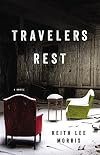
A small family is driving from Seattle, where they picked up Uncle Robbie from rehab, back to South Carolina. They hit a snowstorm in Idaho and pull off the interstate to spend the night in a hotel. The Travelers Rest is a grand old place, currently being renovated and the only person they meet inside is the elderly owner. Quickly things start to go wrong.
Keith Lee Morris's book starts out as a novel about the Addison family; the fractures in their relationships highlighted by the presence show more of Tonio's little brother, the guy who is ambivalent about living near his disapproving sibling, while being attracted to his wife. The novel quickly changes though, once they reach the isolated mountain town with its decaying hotel, into what first looks like a horror novel, and it kind of is, but not in any traditional way, as the hotel rapidly separates each family member from the others. Tonio is stuck in an endless cycle of looking for his wife in the snowstorm and sitting in a parlor with the hotel owner. His wife is trapped in a room, but not that unhappy about it. His brother thinks he's left to go drinking as a choice he made, but with each passing day, he finds himself with less and less agency. And Tonio's son is left alone in an empty, unheated hotel, being fed by the owners of the diner across the street, who may understand his situation a lot better than he thinks.
This is a novel that starts strong and seems to be going in a specific direction, but then turns into something entirely different. This is an odd book. With every character isolated from the others, it turns into several different stories running in parallel. It also takes its time, meandering along as each character remains stuck. Two things kept me reading; the quality of the writing and the story of the boy, the one person still out in the world able to make decisions and try to find his family. show less
Keith Lee Morris's book starts out as a novel about the Addison family; the fractures in their relationships highlighted by the presence show more of Tonio's little brother, the guy who is ambivalent about living near his disapproving sibling, while being attracted to his wife. The novel quickly changes though, once they reach the isolated mountain town with its decaying hotel, into what first looks like a horror novel, and it kind of is, but not in any traditional way, as the hotel rapidly separates each family member from the others. Tonio is stuck in an endless cycle of looking for his wife in the snowstorm and sitting in a parlor with the hotel owner. His wife is trapped in a room, but not that unhappy about it. His brother thinks he's left to go drinking as a choice he made, but with each passing day, he finds himself with less and less agency. And Tonio's son is left alone in an empty, unheated hotel, being fed by the owners of the diner across the street, who may understand his situation a lot better than he thinks.
This is a novel that starts strong and seems to be going in a specific direction, but then turns into something entirely different. This is an odd book. With every character isolated from the others, it turns into several different stories running in parallel. It also takes its time, meandering along as each character remains stuck. Two things kept me reading; the quality of the writing and the story of the boy, the one person still out in the world able to make decisions and try to find his family. show less
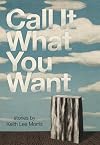
Overall, this was an extremely provocative collection of short-stories. The underlying theme is the goals and dreams that we set for ourselves and how we can be both confined and freed by them. The way that Morris plays with dreams -- both too lofty and not lofty enough -- being captors of the dreamer was a unique take to me, and one I found very compelling.
Many of the stories share features in common aside from the theme: a male, disaffected main character with a distant relationship with show more his wife and/or kids, a fugue of some sort and occasionally surreal elements. In my opinion, where Morris really soars is his most mundane stories. My favorite in the collection, Camel Light, is merely about a man finding a cigarette in his kitchen. But Morris' honest take on the thought process and the minute ways we fail ourselves was so poignant and truthful. The most surreal stories are also excellent -- some, such as Tired Heart and Cyclist, which start out mundane, but slide increasingly into surrealism are captivating and the theme shines in them. Rockier are some of the stories in the middle, both physically in the middle of the book and in the middle such that they are neither truly realistic, in the most mundane sense, nor fantastical.
By far, the majority of the stories are readable, an interesting and novel take on the theme of dreams and goals and beautifully written. show less
Many of the stories share features in common aside from the theme: a male, disaffected main character with a distant relationship with show more his wife and/or kids, a fugue of some sort and occasionally surreal elements. In my opinion, where Morris really soars is his most mundane stories. My favorite in the collection, Camel Light, is merely about a man finding a cigarette in his kitchen. But Morris' honest take on the thought process and the minute ways we fail ourselves was so poignant and truthful. The most surreal stories are also excellent -- some, such as Tired Heart and Cyclist, which start out mundane, but slide increasingly into surrealism are captivating and the theme shines in them. Rockier are some of the stories in the middle, both physically in the middle of the book and in the middle such that they are neither truly realistic, in the most mundane sense, nor fantastical.
By far, the majority of the stories are readable, an interesting and novel take on the theme of dreams and goals and beautifully written. show less
In Keith Lee Morris's collection of stories, Call it What You Want, the characters are usually in deep, life-changing - or ending - trouble. Often they don't properly realize it. The twenty-two year old who "never really wanted to be anything" numbly testifying in court about the death of his friend, apparently at the hand of another friend. The husband and father who finds a cigarette in his supposedly non-smoking household and becomes indundated with visions of the possible lies and show more betrayals it represents.
One of the most dramatic moments is when a mother who has lost a son to cancer and a husband to possible suicide faces the moment when her surviving younger son asks her to carry him, then implores her when she hesitates. It's a pivotal point in their lives, and at that moment she's a clueless as we are as to what she is going to do as she stands there and looks at him.
After Morris gains our trust, the second half of the collection turns surreal. Flann O'Brien surreal. The characters are still lost and in trouble, but the outcomes are no longer clear-cut and may not even be part of this world, or any world that we know. For some characters it's an avenue to death. For others it's not so bad. Two college roomates tear a "fucking hole in the fabric of the universe" with their boredom and take advantage of pleasures they could normally only wish for. Like this collection. show less
One of the most dramatic moments is when a mother who has lost a son to cancer and a husband to possible suicide faces the moment when her surviving younger son asks her to carry him, then implores her when she hesitates. It's a pivotal point in their lives, and at that moment she's a clueless as we are as to what she is going to do as she stands there and looks at him.
After Morris gains our trust, the second half of the collection turns surreal. Flann O'Brien surreal. The characters are still lost and in trouble, but the outcomes are no longer clear-cut and may not even be part of this world, or any world that we know. For some characters it's an avenue to death. For others it's not so bad. Two college roomates tear a "fucking hole in the fabric of the universe" with their boredom and take advantage of pleasures they could normally only wish for. Like this collection. show less
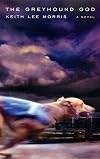
Luke Rivers used to believe in God. Now he believes in the Greyhound God. He travels the Northwest with his wife and young son, betting on dogs all the way. He loses enough to make it uncomfortable. Luke still agonizes over the murder of his younger brother Mark when they were both children – and over his subsequent loss of faith.
Luke’s wife, Jenny, leaves with their son, Jake, at the beginning of a lucky streak that results in Luke winning more money than he ever has. She’s tired of show more moving and following the dogs. The streak and her leaving causes Luke to question most of what he knows. “It’s all you have, really – that connection with the people you’re close to.”
The Greyhound God explores loss and the question of how to carry on with meaning. show less
Luke’s wife, Jenny, leaves with their son, Jake, at the beginning of a lucky streak that results in Luke winning more money than he ever has. She’s tired of show more moving and following the dogs. The streak and her leaving causes Luke to question most of what he knows. “It’s all you have, really – that connection with the people you’re close to.”
The Greyhound God explores loss and the question of how to carry on with meaning. show less
Awards

You May Also Like


Associated Authors
Statistics
- Works
- 7
- Also by
- 2
- Members
- 247
- Popularity
- #92,309
- Rating
- 3.6
- Reviews
- 20
- ISBNs
- 28
- Favorited
- 1