

John Wiswell
Author of Someone You Can Build a Nest In
About the Author
Disambiguation Notice:
FYI, there is another John Wiswell, who is an American university librarian.
Works by John Wiswell
The Terrible [short story] — Author — 1 copy
Foreign Tongues [short story] — Author — 1 copy
The Ones Who Can't Let It Go [short story] — Author — 1 copy
The Tentacle and You [short story] — Author — 1 copy
Wet [short story] — Author — 1 copy
Associated Works
Uncanny Magazine Issue 24: September/October 2018 (Disabled People Destroy Science Fiction) (2018) — Contributor — 53 copies
The Long List Anthology Volume 7: More Stories from the Hugo Award Nomination List (2022) — Contributor — 38 copies, 2 reviews
The Long List Anthology Volume 8: More Stories from the Hugo Award Nomination List (2022) — Contributor — 15 copies, 1 review
Diabolical Plots: Year Four (Diabolical Plots Anthology Series Book 3) (2018) — Contributor — 3 copies
Small Wonders, Issue 0: February 2023 — Contributor — 1 copy
Small Wonders Magazine: Best of Year One — Contributor — 1 copy
Tagged
Common Knowledge
- Birthdate
- 1981-09-04
- Gender
- male
- Occupations
- writer
- Nationality
- USA
- Birthplace
- New York, USA
- Disambiguation notice
- FYI, there is another John Wiswell, who is an American university librarian.
- Associated Place (for map)
- New York, USA
Members
Reviews
Rating: 4.5* of five
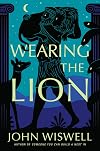
The Publisher Says: This second novel from Nebula Award-winning John Wiswell brings a humanizing, redemptive touch to the Hercules story in this mythological fantasy for fans of Jennifer Saint and Elodie Harper
Heracles, hero of Greece, dedicates all his feats to Hera, goddess of family. Heracles’ mother raised him to revere Hera, as her attempt to avoid the goddess’ wrath. Unbeknownst to Heracles, he is yet another child Hera’s husband, Zeus, had out of wedlock.
Hera show more loathes every minute of Heracles’ devotion. She finally snaps and sends the Furies to make Heracles kill himself. But the moment Heracles goes mad, his children playfully ambush him, and he slays them instead. When the madness fades, Heracles’s wife, Megara, convinces him to seek revenge. Together they’ll hunt the Furies and learn which god did this.
Believing Hera is the only god he can still trust, Heracles prays to Hera, who is wracked with guilt over killing his children. To mislead Heracles, Hera sends him on monster-slaying quests, but he is too traumatized to enact more violence. Instead, Heracles cares for the Nemean lion, cures the illness of the Lernaean hydra, and bonds with Crete’s giant bull.
Hera struggles with her role in Heracles life as Heracles begins to heal psychologically by connecting with the monsters—while also amassing an army that could lay siege to Olympos.
Nebula Award-winning author John Wiswell brings his signature humanizing touch to the Hercules story, forever changing the way we understand the man behind the myth—and the goddess reluctantly bound to him.
I RECEIVED A DRC FROM THE PUBLISHER VIA NETGALLEY. THANK YOU.
My Review: "Mythology" might be one of the English language's biggest mistakes or disservices or just downright screw-ups of all time. It has a lot of competition, to be sure...you'll have your own ideas about that, I don't need to elaborate...but walling off the best possible way to understand human nature's thorniest problems behind this etymological fence:
...is wasteful, even dangerous. Thank goodness we're embracing retellings, modernizations, again. And even more praises be sung to the Divine that John Wiswell joined the chorus.
What Author Wiswell excels at in this story is upending your expectations...seems to be a trope in this case, go read my review of Someone to Build a Nest In, 2024 Nebula Award-winner AND Best First-Novel Locus Award winner that it is...of what love, grief, trust, and faith mean, require, and offer to you. Hera and Herakles, the Fury, the monsters, all get bound in unquestioned roles, then get jailbroken by Author Wiswell's perspective shift. It's a great way to de-mythologize a violent and triumphalist myth, putting it into a twenty-first centurian's comfort zone while making its subtexts very sharp. That contrast between the meaning we've learned to associate with the multiple millennia of unacknowledged retellings of Heracles' story and what Author Wiswell does with it is *chef's kiss* piquant.
Introducing a goddess to the idea of accountability is permaybehaps the most satisfying part of Author Wiswell's reimaging of the tale. That a being who was, until now, entirely untouched by any sense that her actions having consequences in others' lives was in any way a cause for her own emotional involvement is so in keeping with this #MeToo moment. It's also in sharp contrast...I'd even say rebuke...to the rising tide of publicly-flaunted bigotry and intolerance. Hera never faces up to the devastation her setting of the Furies on Herakles for something simply not his (Zeus's infidelity that resulted in his birth) doing caused in the original. Of course not! Divine beings aren't subject to rules like mere mortals are, say the myths of a culture that contended their royals are divine.
The entire story revolves around that most current of cultural concerns, accountability. Herakles facing up to his murderous rampage's consequences, then his puruit of revenge's limitations; Hera to her misuse of power and her misplaced anger; "Granny" the Fury's, well...existence; all in the end are changed in some very relatable, and pretty satisfying, ways. How that happens with Hera and Herakles as equally unreliable narrators is predictably sort-of stop-and-start in effect on the pacing. It becomes a bit more choppy than I as a reader prefer. My one other complaint, more of a whine actually, is that including all twelve canonical Labors made the read slower than was optimal for a humorous tale. Brevity is the soul of wit became a maxim instead of a truism because its self-evidence is actionable.
So the missing half-star is explained. The four-and-a-half remaining are slathered in the cream-cheese-and-pecan frosting of contentment. The happiness I felt at Herakles loving the Nemean Lion...the way every act of violence (after the inciting act) results in Hera, and Heracles, figuring out their wounds and their capacity to endure and even recover from them...the sly, quiet side-eye humor...I was badly in need of them all.
Dunno about y'all, but fiction that transmutes an ancient tale of violence and rage and hate into one of healing and chuckles feels damn close to miraculously soothing in my 2025 world.
Author Wiswell, thank you. I needed this story at this moment and you made it so good to read I couldn't stop. show less
The Publisher Says: This second novel from Nebula Award-winning John Wiswell brings a humanizing, redemptive touch to the Hercules story in this mythological fantasy for fans of Jennifer Saint and Elodie Harper
Heracles, hero of Greece, dedicates all his feats to Hera, goddess of family. Heracles’ mother raised him to revere Hera, as her attempt to avoid the goddess’ wrath. Unbeknownst to Heracles, he is yet another child Hera’s husband, Zeus, had out of wedlock.
Hera show more loathes every minute of Heracles’ devotion. She finally snaps and sends the Furies to make Heracles kill himself. But the moment Heracles goes mad, his children playfully ambush him, and he slays them instead. When the madness fades, Heracles’s wife, Megara, convinces him to seek revenge. Together they’ll hunt the Furies and learn which god did this.
Believing Hera is the only god he can still trust, Heracles prays to Hera, who is wracked with guilt over killing his children. To mislead Heracles, Hera sends him on monster-slaying quests, but he is too traumatized to enact more violence. Instead, Heracles cares for the Nemean lion, cures the illness of the Lernaean hydra, and bonds with Crete’s giant bull.
Hera struggles with her role in Heracles life as Heracles begins to heal psychologically by connecting with the monsters—while also amassing an army that could lay siege to Olympos.
Nebula Award-winning author John Wiswell brings his signature humanizing touch to the Hercules story, forever changing the way we understand the man behind the myth—and the goddess reluctantly bound to him.
I RECEIVED A DRC FROM THE PUBLISHER VIA NETGALLEY. THANK YOU.
My Review: "Mythology" might be one of the English language's biggest mistakes or disservices or just downright screw-ups of all time. It has a lot of competition, to be sure...you'll have your own ideas about that, I don't need to elaborate...but walling off the best possible way to understand human nature's thorniest problems behind this etymological fence:
mythology(n.)
early 15c., "exposition of myths, the investigation and interpretation of myths," from Late Latin mythologia, from Greek mythologia "legendary lore, a telling of mythic legends; a legend, story, tale," from mythos "myth" (a word of unknown origin; see myth) + -logia (see -logy "study"). Meaning "a body or system of myths" is recorded by 1781. (etymonline)
...is wasteful, even dangerous. Thank goodness we're embracing retellings, modernizations, again. And even more praises be sung to the Divine that John Wiswell joined the chorus.
What Author Wiswell excels at in this story is upending your expectations...seems to be a trope in this case, go read my review of Someone to Build a Nest In, 2024 Nebula Award-winner AND Best First-Novel Locus Award winner that it is...of what love, grief, trust, and faith mean, require, and offer to you. Hera and Herakles, the Fury, the monsters, all get bound in unquestioned roles, then get jailbroken by Author Wiswell's perspective shift. It's a great way to de-mythologize a violent and triumphalist myth, putting it into a twenty-first centurian's comfort zone while making its subtexts very sharp. That contrast between the meaning we've learned to associate with the multiple millennia of unacknowledged retellings of Heracles' story and what Author Wiswell does with it is *chef's kiss* piquant.
Introducing a goddess to the idea of accountability is permaybehaps the most satisfying part of Author Wiswell's reimaging of the tale. That a being who was, until now, entirely untouched by any sense that her actions having consequences in others' lives was in any way a cause for her own emotional involvement is so in keeping with this #MeToo moment. It's also in sharp contrast...I'd even say rebuke...to the rising tide of publicly-flaunted bigotry and intolerance. Hera never faces up to the devastation her setting of the Furies on Herakles for something simply not his (Zeus's infidelity that resulted in his birth) doing caused in the original. Of course not! Divine beings aren't subject to rules like mere mortals are, say the myths of a culture that contended their royals are divine.
The entire story revolves around that most current of cultural concerns, accountability. Herakles facing up to his murderous rampage's consequences, then his puruit of revenge's limitations; Hera to her misuse of power and her misplaced anger; "Granny" the Fury's, well...existence; all in the end are changed in some very relatable, and pretty satisfying, ways. How that happens with Hera and Herakles as equally unreliable narrators is predictably sort-of stop-and-start in effect on the pacing. It becomes a bit more choppy than I as a reader prefer. My one other complaint, more of a whine actually, is that including all twelve canonical Labors made the read slower than was optimal for a humorous tale. Brevity is the soul of wit became a maxim instead of a truism because its self-evidence is actionable.
So the missing half-star is explained. The four-and-a-half remaining are slathered in the cream-cheese-and-pecan frosting of contentment. The happiness I felt at Herakles loving the Nemean Lion...the way every act of violence (after the inciting act) results in Hera, and Heracles, figuring out their wounds and their capacity to endure and even recover from them...the sly, quiet side-eye humor...I was badly in need of them all.
Dunno about y'all, but fiction that transmutes an ancient tale of violence and rage and hate into one of healing and chuckles feels damn close to miraculously soothing in my 2025 world.
Author Wiswell, thank you. I needed this story at this moment and you made it so good to read I couldn't stop. show less
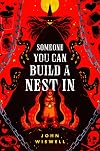
The Publisher Says: Discover this creepy, charming monster-slaying fantasy romance—from the perspective of the monster—by Nebula Award-winning debut author John Wiswell
Shesheshen has made a mistake fatal to all monsters: she's fallen in love.
Shesheshen is a shapeshifter, who happily resides as an amorphous lump at the bottom of a ruined manor. When her rest is interrupted by hunters intent on murdering her, she constructs a body from the remains of past meals: a metal chain for a show more backbone, borrowed bones for limbs, and a bear trap as an extra mouth.
However, the hunters chase Shesheshen out of her home and off a cliff. Badly hurt, she’s found and nursed back to health by Homily, a warm-hearted human, who has mistaken Shesheshen as a fellow human. Homily is kind and nurturing and would make an excellent co-parent: an ideal place to lay Shesheshen’s eggs so their young could devour Homily from the inside out. But as they grow close, she realizes humans don’t think about love that way.
Shesheshen hates keeping her identity secret from Homily, but just as she’s about to confess, Homily reveals why she’s in the area: she’s hunting a shapeshifting monster that supposedly cursed her family. Has Shesheshen seen it anywhere?
Eating her girlfriend isn’t an option. Shesheshen didn’t curse anyone, but to give herself and Homily a chance at happiness, she has to figure out why Homily’s twisted family thinks she did. As the hunt for the monster becomes increasingly deadly, Shesheshen must unearth the truth quickly, or soon both of their lives will be at risk.
And the bigger challenge remains: surviving her toxic in-laws long enough to learn to build a life with, rather than in, the love of her life.
I RECEIVED A DRC FROM THE PUBLISHER VIA NETGALLEY. THANK YOU.
My Review: I really hoped that I'd find something that recalled for me the affect and effect of Mrs Caliban in this book.
Not so much.
This being the twenty-first century, I get it; that kind of quiet exploration of repressed rage and thwarted love is not the way this louder, more boisterous time copes with Life. Also, the author's an ace man. We aren't much for writing quiet women unless they are silenced by our power and privilege over them. (Look at the mind-numbing abundance of male-authored "thrillers" centering sex crimes against women sometime.) What this book does, then, is entirely unlike what I was prepared for.
This is a large pipe organ's keyboard. The stops, those round thingies, are the way the organist chooses the kind of sound...brash blaring trumpets, quiet soft woodwinds...the instrument will send into your ears. Author Wiswell pulled the "Strange" stop on his book's keyboard all the way out and then used the loud pedal.
The idea of this being reproducing in the same unspeakably horrifying way that wasps do is nightmarish enough for me. I absolutely abominate wasps. But then to be confronted with Shesheshen, the wasplike alien's, twisted psychology...finding its parasitic fatal-for-Homily (her intended victim) reproductive strategy LOVING!...and I thought, "that's me out!"
And then...
The reason I kept going, pushing past the extreme horripilation induced at the mere notion of this, this travesty on Love was the strength of my horror. If I am this repulsed and infuriated, the author is saying something loud and clear, and however much I don't *like* hearing it I should listen. I am honestly surprised to say I am glad that I did.
Female-presenting monsters are having A Moment, it seems...Alasdair Gray's Poor Things, a book I did not like but a film that was a note-perfect adaptation of it most recently....and Author Wiswell's more SFnal take on it surpasses that deeply strange story. In imaging an alien just trying to exist, as "Bella Baxter" does, as Frankenstein's monster does, but in such a revulsion-evoking way, Author Wiswell makes his readers stop and think: "where is my horror coming from?" Survival by consuming one's host is appalling! When one is the host, yes; but really, are we any different? We are using up the planet, we are complicit in the slave labor that provides us the benefits of food to eat, as well as the devices you're reading and I'm writing this on, and that offers the laborers nothing but early graves.
Some people who reviewed the book on Goodreads had some reservations about the nature of a man writing a love story between a woman and a female-presenting alien, when the love was not sapphic but asexual. To me, this felt like a feature, not a bug (!), because the point was asexuality. That was something I found moving, once I wrapped my head around it; the lovers are genuinely in love and they cannot deny or repress their feelings, nor are these feelings physiologically expressed through sex. If this is something you are unfamiliar with, I recommend reading the excellent Ace by Angela Chen. It was that book that, for the first time, presented me with information about the experience of asexuality, by an asexual person; it is extremely illuminating for someone not asexual.
The attentive have noticed my rating lacks a star despite my laudatory comments. This is not due to its sexual challenge to the allo overculture. It is due to the frankly peculiar pacing, too slow then zooming through character-building opportunities; it's due to the amount of body horror exceeding my personal limits; it's due to my very old-fashioned purseylipped response to the amount of lying Shesheshen does to Homily, that never causes any comment or evokes any sense of betrayal, nor causes Homily to require some assurance that she *can* trust Shesheshen.
Also I kept reading her name as "Hominy" and, considering she was being assessed as a meal by Shesheshen, it made me giggle most immaturely.
None of my minor crotchets should stop you from getting this deeply affecting and very peculiar story into your eyeholes. Soonest. show less
Shesheshen has made a mistake fatal to all monsters: she's fallen in love.
Shesheshen is a shapeshifter, who happily resides as an amorphous lump at the bottom of a ruined manor. When her rest is interrupted by hunters intent on murdering her, she constructs a body from the remains of past meals: a metal chain for a show more backbone, borrowed bones for limbs, and a bear trap as an extra mouth.
However, the hunters chase Shesheshen out of her home and off a cliff. Badly hurt, she’s found and nursed back to health by Homily, a warm-hearted human, who has mistaken Shesheshen as a fellow human. Homily is kind and nurturing and would make an excellent co-parent: an ideal place to lay Shesheshen’s eggs so their young could devour Homily from the inside out. But as they grow close, she realizes humans don’t think about love that way.
Shesheshen hates keeping her identity secret from Homily, but just as she’s about to confess, Homily reveals why she’s in the area: she’s hunting a shapeshifting monster that supposedly cursed her family. Has Shesheshen seen it anywhere?
Eating her girlfriend isn’t an option. Shesheshen didn’t curse anyone, but to give herself and Homily a chance at happiness, she has to figure out why Homily’s twisted family thinks she did. As the hunt for the monster becomes increasingly deadly, Shesheshen must unearth the truth quickly, or soon both of their lives will be at risk.
And the bigger challenge remains: surviving her toxic in-laws long enough to learn to build a life with, rather than in, the love of her life.
I RECEIVED A DRC FROM THE PUBLISHER VIA NETGALLEY. THANK YOU.
My Review: I really hoped that I'd find something that recalled for me the affect and effect of Mrs Caliban in this book.
Not so much.
This being the twenty-first century, I get it; that kind of quiet exploration of repressed rage and thwarted love is not the way this louder, more boisterous time copes with Life. Also, the author's an ace man. We aren't much for writing quiet women unless they are silenced by our power and privilege over them. (Look at the mind-numbing abundance of male-authored "thrillers" centering sex crimes against women sometime.) What this book does, then, is entirely unlike what I was prepared for.
This is a large pipe organ's keyboard. The stops, those round thingies, are the way the organist chooses the kind of sound...brash blaring trumpets, quiet soft woodwinds...the instrument will send into your ears. Author Wiswell pulled the "Strange" stop on his book's keyboard all the way out and then used the loud pedal.
The idea of this being reproducing in the same unspeakably horrifying way that wasps do is nightmarish enough for me. I absolutely abominate wasps. But then to be confronted with Shesheshen, the wasplike alien's, twisted psychology...finding its parasitic fatal-for-Homily (her intended victim) reproductive strategy LOVING!...and I thought, "that's me out!"
And then...
The reason I kept going, pushing past the extreme horripilation induced at the mere notion of this, this travesty on Love was the strength of my horror. If I am this repulsed and infuriated, the author is saying something loud and clear, and however much I don't *like* hearing it I should listen. I am honestly surprised to say I am glad that I did.
Female-presenting monsters are having A Moment, it seems...Alasdair Gray's Poor Things, a book I did not like but a film that was a note-perfect adaptation of it most recently....and Author Wiswell's more SFnal take on it surpasses that deeply strange story. In imaging an alien just trying to exist, as "Bella Baxter" does, as Frankenstein's monster does, but in such a revulsion-evoking way, Author Wiswell makes his readers stop and think: "where is my horror coming from?" Survival by consuming one's host is appalling! When one is the host, yes; but really, are we any different? We are using up the planet, we are complicit in the slave labor that provides us the benefits of food to eat, as well as the devices you're reading and I'm writing this on, and that offers the laborers nothing but early graves.
Some people who reviewed the book on Goodreads had some reservations about the nature of a man writing a love story between a woman and a female-presenting alien, when the love was not sapphic but asexual. To me, this felt like a feature, not a bug (!), because the point was asexuality. That was something I found moving, once I wrapped my head around it; the lovers are genuinely in love and they cannot deny or repress their feelings, nor are these feelings physiologically expressed through sex. If this is something you are unfamiliar with, I recommend reading the excellent Ace by Angela Chen. It was that book that, for the first time, presented me with information about the experience of asexuality, by an asexual person; it is extremely illuminating for someone not asexual.
The attentive have noticed my rating lacks a star despite my laudatory comments. This is not due to its sexual challenge to the allo overculture. It is due to the frankly peculiar pacing, too slow then zooming through character-building opportunities; it's due to the amount of body horror exceeding my personal limits; it's due to my very old-fashioned purseylipped response to the amount of lying Shesheshen does to Homily, that never causes any comment or evokes any sense of betrayal, nor causes Homily to require some assurance that she *can* trust Shesheshen.
Also I kept reading her name as "Hominy" and, considering she was being assessed as a meal by Shesheshen, it made me giggle most immaturely.
None of my minor crotchets should stop you from getting this deeply affecting and very peculiar story into your eyeholes. Soonest. show less
Someone You Can Build a Nest in: A cosy fantasy as sweet as love and as dark as night by John Wiswell

Described as cozy fantasy, which is kind of funny because a lot of people get horrifically devoured by a shapeshifting ooze creature. Also mostly about how people go about excaping abusive relationships with family and attempting to redefine themselves beyond those dynamics. Exploring abusive relationship dynamics isn't exactly what I would call "cosy" but I'm glad that the story had more depth to it than just being cosy fantasy.
Regarding "cosy fantasy", I've often seen this genre described show more as friction-less which makes sense given that "cosy fantasy" seems to be without stakes of any kind, or at least tradtional plot-centric quest with major consequences riding on this type of storytelling but this story, while more character-driven arguably, still has very significant stakes, horrific violence, and definitely an edge to it. show less
Regarding "cosy fantasy", I've often seen this genre described show more as friction-less which makes sense given that "cosy fantasy" seems to be without stakes of any kind, or at least tradtional plot-centric quest with major consequences riding on this type of storytelling but this story, while more character-driven arguably, still has very significant stakes, horrific violence, and definitely an edge to it. show less

This is a fantasy novel about a monster who lives in the woods in a fantasy kingdom, and a family comes to kill it to rid itself of a curse. The monster kills people (and other animals) to keep itself alive, absorbing body parts it needs into itself. Only the novel is told from the perspective of the monster, who finds herself falling in love with one of the members of the family that comes to kill it!
Obviously this worked for a lot of people, or it wouldn't be a Hugo finalist. It didn't show more work for me. I can even imagine that it could work for me, it's a fun premise that could also be a disturbing one. I haven't seen other people online make this comparison, but I very much got Legends & Lattes vibes off the whole thing: despite the grossness of some of the material here, it ultimately feels rather anodyne and twee. Does this count as "cozy fantasy"?
Unfortunately, it probably does. The two characters fall in love, congrats, that's it. Why do they do this? I dunno, I guess they're nice? I found most of the characters one-note, and the worldbuilding shallow. I think fundamentally the premise is a good one, but having come up with it, it seemed like Wiswell was done; I think a good premise is a jumping-off point for complexity but this book takes its premise as an end point. What's the point of horror tropes if there's never a sense of real danger or jeopardy?
I will say that the book did manage to wrongfoot me with how the prophecy was resolved; that was mildly clever. Indeed, "mildly clever" might be the damning cover blurb for this novel. It might work for you, whoever you are, but it certainly didn't for me. show less
Obviously this worked for a lot of people, or it wouldn't be a Hugo finalist. It didn't show more work for me. I can even imagine that it could work for me, it's a fun premise that could also be a disturbing one. I haven't seen other people online make this comparison, but I very much got Legends & Lattes vibes off the whole thing: despite the grossness of some of the material here, it ultimately feels rather anodyne and twee. Does this count as "cozy fantasy"?
Unfortunately, it probably does. The two characters fall in love, congrats, that's it. Why do they do this? I dunno, I guess they're nice? I found most of the characters one-note, and the worldbuilding shallow. I think fundamentally the premise is a good one, but having come up with it, it seemed like Wiswell was done; I think a good premise is a jumping-off point for complexity but this book takes its premise as an end point. What's the point of horror tropes if there's never a sense of real danger or jeopardy?
I will say that the book did manage to wrongfoot me with how the prophecy was resolved; that was mildly clever. Indeed, "mildly clever" might be the damning cover blurb for this novel. It might work for you, whoever you are, but it certainly didn't for me. show less
Lists
Awards


You May Also Like
Associated Authors
Statistics
- Works
- 19
- Also by
- 16
- Members
- 1,095
- Popularity
- #23,468
- Rating
- 3.9
- Reviews
- 50
- ISBNs
- 21
- Favorited
- 1