
Sharon Biggs Waller
Author of A Mad, Wicked Folly
About the Author
Sharon Biggs Waller worked as a riding instructor at the Royal Mews in Buckingham Palace and as a freelance magazine writer. She is currently a dressage rider and trainer on a ten-acre sustainable farm in Northwest Indiana. She is the author of three non-fiction books as well as the young adult show more novels A Mad, Wicked Folly and The Forbidden Orchid. (Bowker Author Biography) show less
Image credit: Edda Taylor
Works by Sharon Biggs Waller
Untitled 1 copy
Tagged
Common Knowledge
- Birthdate
- 20th Century
- Gender
- female
- Occupations
- author
riding instructor
National Park Ranger - Short biography
- Sharon Biggs Waller is the Friends of American Writers award winning author of the critically acclaimed young adult novels The Forbidden Orchid, A Mad, Wicked Folly, and Girls on the Verge. She writes for magazines about horses, chickens, and farming, and she’s a co-author of The Original Horse Bible. Previously, she worked as a riding instructor at the Royal Mews in Buckingham Palace and as a national park ranger at Indiana Dunes National Park, Grand Canyon National Park, and Cabrillo National Monument. In addition to writing, she is a dressage rider and trainer, a fiber artist, and a Planned Parenthood clinic escort. She lives on a 10-acre sustainable hobby farm in a ghost town in Northwest Indiana with her husband Mark, two horses, ten dairy goats, four cats, three dogs, ten laying hens, and a gaggle of geese.
- Nationality
- USA
- Places of residence
- Indiana, USA
- Associated Place (for map)
- Indiana, USA
Members
Reviews

Victoria Darling loves art above all else, and is determined to be a painter. When she gets sent home from finishing school for posing nude in front of the other students at the little atelier she'd been sneaking away from school to work at, she's devastated -- but being back in London brings up new opportunities, if she can figure out how to grab hold of them. She dreams of attending the Royal College of Art, but her parents have taken away her sketchbook and drawing materials, and show more forbidden her to have anything to do with art. An engagement has been arranged for her with a young man of her social class, and she hopes that marriage will bring her the freedom she craves -- but in the meantime, she's befriended some suffragists fighting for women's rights, and a handsome police constable who knows what it is to have artistic ambition. Can Vicky find a way to live life on her own terms, or is the life her parents have planned her best hope for a future making art?
I liked this for the plot and the historical detail. Vicky, our main character, is very young, and it shows. She's set on having everything she wants, right now -- she can't wait a year to apply to art college, she's forever sneaking around doing things that will have big consequences if she is caught, she's goaded by a male student into posing for the art class that gets her expelled from finishing school. She tends to use people in a careless way that could be attributed to her privileged upbringing, but it does not make her very sympathetic. She does start to mature over the course of the novel. So, readers who enjoy historical fiction and can stomach an unsympathetic main character should certainly check this one out. show less
I liked this for the plot and the historical detail. Vicky, our main character, is very young, and it shows. She's set on having everything she wants, right now -- she can't wait a year to apply to art college, she's forever sneaking around doing things that will have big consequences if she is caught, she's goaded by a male student into posing for the art class that gets her expelled from finishing school. She tends to use people in a careless way that could be attributed to her privileged upbringing, but it does not make her very sympathetic. She does start to mature over the course of the novel. So, readers who enjoy historical fiction and can stomach an unsympathetic main character should certainly check this one out. show less
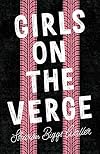
Camille is 17 and pregnant. She's supposed to be going to a prestigious theater camp but instead she finds herself jumping through hoops trying to get an abortion. It's 2014 and Texas doesn't make it easy for a woman to get a legal abortion. Camille has met dead ends at every turn and when she tells her best friend Bea what she's going to do her best friend is a dead end too. Like her parents, she's religious and doesn't understand why she won't keep the baby. In desperation she turns to show more Annabelle an older actor who Camille has idolized for years. Together they decide that they will have to journey down to the Mexican border and try to get the pills that way. This is like Juno on a road trip. Full of humor, levity, seriousness, and friends coming together. A wonderful novel that explores what women are forced to do when all routes to a safe abortion are closed. Perfect for teens and adults. Very powerful without being uber preachy. show less
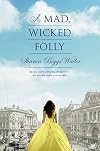
For some reason, the title of this book put me off of it for the longest time. I'm so glad I finally got around to reading it -- excellent historical fiction, with a stubborn young woman at the heart of it. There are things I found difficult to believe, given the social setting, but I found her journey into adulthood and personal responsibility to be excellently well depicted. These characters felt very real to me -- unlike in many teen books, when the main character fails to do what they show more know is right and the drama just grows and grows from there, in this book failures are acknowledged and (eventually or immediately forgiven). I was completely drawn into the suffrage movement and the artistic scene, and I loved the pre-raphaelite mentions. show less
Victoria Darling dreams of becoming a world-renowned artist. Sent to France by her parents to attend a fancy finishing school, she secretly paints with an all-male atelier. One day, their nude model doesn't show, and Vicky, despite her fears, decides to pose for her classmates. Word of this reaches her parents back in England, and she's whisked home amid the scandal. The only way to salvage her reputation, and that of her family, is a quick marriage to the son of a wealthy businessman. But show more Vicky's not worried about reputation; she concerns herself only with furthering her art career.
So, the first thing I have to mention? VICKY IS THE WORST.
Does she care that she might singlehandedly dismantle her father's career? Not really.
Does she see her future husband as anything more than a bank account? Nope.
Does she consider cheating on said future husband with her muse? Absolutely.
She falls into the company of some suffragettes, but does she think of them as anything more than a possible art school recommendation? What do you think?
There are flawed characters, there are charmingly imperfect characters, and then there is Vicky, who is the literal worst.
For a girl of her social class in this time period (1909), and with all the education she received, you may think that Vicky would understand societal pressures. She might understand that she's literally ruining her father's career with her shenanigans. But she doesn't seem to understand that. She rebels for the sake of rebelling. For the time period, she had a lot of freedom, but she's not satisfied. She won't take no for an answer, and ends up making stupid mistake after stupid mistake. Throughout most of the book, I just wanted to grab her by the shoulders and tell her how much worse she was making things for herself. You can be an artist, Vicky! Just stop being dumb about it!
Vicky finds herself intrigued by the women's suffrage movement, but, of course, not because she believes in it. Not really. No, it's because there are famous artists affiliated with the movement, and she thinks that if she can get her artwork in their promotional materials, if she can get her artwork up on the murals, if she can get one of those artists to write a recommendation for her... maybe she can get into art school. That's it. That's her motivation. Because Vicky is the literal worst.
Through the women's suffrage movement, she meets Will, a gorgeous policeman who agrees to pose for her art school portfolio. Will obviously falls for Vicky, who consistently fails to mention that she's engaged, and even brings Will to her future home because it has good light for painting, or something like that. Did I prefer Will over her actual fiance? Yes, of course. Her fiance spends most of the book drunk or gambling, or discussing being drunk or gambling. But did I think she was being fair to either one of them? No.
Vicky seems to find no issue with using people for whatever she needs. She uses the suffragettes to further her application to art school. She uses Will as inspiration for her paintings. She uses Edmund, her fiance, because his fortune will pay for her admission to art school. I can't think of one honest relationship Vicky has in this book. She even uses her brother, her best friend, and her lady's maid. It's awful.
The book is entertaining, and I read through it pretty quickly. But it's also infuriating, because I wanted so badly to find some redeeming quality in Victoria, and there was just nothing there.
I'll file this one under main characters I just didn't click with. show less
So, the first thing I have to mention? VICKY IS THE WORST.
Does she care that she might singlehandedly dismantle her father's career? Not really.
Does she see her future husband as anything more than a bank account? Nope.
Does she consider cheating on said future husband with her muse? Absolutely.
She falls into the company of some suffragettes, but does she think of them as anything more than a possible art school recommendation? What do you think?
There are flawed characters, there are charmingly imperfect characters, and then there is Vicky, who is the literal worst.
For a girl of her social class in this time period (1909), and with all the education she received, you may think that Vicky would understand societal pressures. She might understand that she's literally ruining her father's career with her shenanigans. But she doesn't seem to understand that. She rebels for the sake of rebelling. For the time period, she had a lot of freedom, but she's not satisfied. She won't take no for an answer, and ends up making stupid mistake after stupid mistake. Throughout most of the book, I just wanted to grab her by the shoulders and tell her how much worse she was making things for herself. You can be an artist, Vicky! Just stop being dumb about it!
Vicky finds herself intrigued by the women's suffrage movement, but, of course, not because she believes in it. Not really. No, it's because there are famous artists affiliated with the movement, and she thinks that if she can get her artwork in their promotional materials, if she can get her artwork up on the murals, if she can get one of those artists to write a recommendation for her... maybe she can get into art school. That's it. That's her motivation. Because Vicky is the literal worst.
Through the women's suffrage movement, she meets Will, a gorgeous policeman who agrees to pose for her art school portfolio. Will obviously falls for Vicky, who consistently fails to mention that she's engaged, and even brings Will to her future home because it has good light for painting, or something like that. Did I prefer Will over her actual fiance? Yes, of course. Her fiance spends most of the book drunk or gambling, or discussing being drunk or gambling. But did I think she was being fair to either one of them? No.
Vicky seems to find no issue with using people for whatever she needs. She uses the suffragettes to further her application to art school. She uses Will as inspiration for her paintings. She uses Edmund, her fiance, because his fortune will pay for her admission to art school. I can't think of one honest relationship Vicky has in this book. She even uses her brother, her best friend, and her lady's maid. It's awful.
The book is entertaining, and I read through it pretty quickly. But it's also infuriating, because I wanted so badly to find some redeeming quality in Victoria, and there was just nothing there.
I'll file this one under main characters I just didn't click with. show less
Lists
Awards


You May Also Like


Statistics
- Works
- 4
- Members
- 520
- Popularity
- #47,759
- Rating
- 3.9
- Reviews
- 40
- ISBNs
- 24
- Languages
- 2
