
Tay Garnett (1894–1977)
Author of The Postman Always Rings Twice [1946 film]
About the Author
Image credit: credit: bobb edwards
Works by Tay Garnett
The Emperor Waltz [and] A Connecticut Yankee in King Arthur's Court (Double Feature Video) (2003) — Director — 15 copies
TCM Greatest Classic Films Collection: War Collection Battlefront Asia (2009) — Director — 14 copies
John Wayne An American Icon Collection: Seven Sinners/ The Shepherd of the Hills/ Pittsburgh/ The Conqueror/ Jet Pilot (2006) — Director — 7 copies
Universal Hollywood Icons Collection: Marlene Dietrich (Blonde Venus / Desire / Angel / Seven Sinners) (2016) — Director — 4 copies
Clark Gable: The Signature Collection — Director — 3 copies
Streets of Fear - 20 Movie Collection — Director — 2 copies
S.O.S. Iceberg [1933 film] — Director — 1 copy
Stranger/Cause for Alarm — Director — 1 copy
The Screen Director's Playhouse: One Way Passage and Magic Town [radio broadcast] (1949) — Director — 1 copy
Prestige [1932 film] — Director — 1 copy
Joy of Living / Roxie Hart / Thin Ice — Director — 1 copy
Trade Winds [1938 film] — Director — 1 copy
Love is News / That Wonderful Urge — Director — 1 copy
Associated Works
Tagged
Common Knowledge
- Legal name
- Garnett, William Taylor
- Birthdate
- 1894-06-13
- Date of death
- 1977-10-03
- Gender
- male
- Education
- Massachusetts Institute of Technology
- Occupations
- film director
screenwriter
memoirist - Organizations
- US Navy (WWII)
- Nationality
- USA
- Birthplace
- Los Angeles, California, USA
- Places of residence
- California, USA
- Place of death
- Sawtelle, California, USA
- Associated Place (for map)
- California, USA
Members
Reviews

Unlike any biography or memoir you’ve probably ever read, this breezy and enjoyable book is a funny, charming, entertaining and often self-deprecating look at a man and his life. That the man happens to be writer/director/producer Tay Garnett, who helmed films like Joy of Living, China Seas, Trade Winds, Cheers for Miss Bishop, My Favorite Spy, the soap-opera noir masterpiece, The Postman Always Rings Twice, and the unforgettable 1930s romantic classic, One Way Passage, seems almost a show more fortuitous aside.
Garnett’s failings are here, but they’re handled in humorous style. You learn a lot about Hollywood from a business and creative standpoint, but you learn it between the lines, and always with a pinch of humor and a dash of irony. He drinks, he marries and falls in love, he pitches films and takes vacations, but mostly, Garnett just lives life to the fullest he can within the confines of his fluid circumstances, which were always tied to great loves, friends he was traveling with, stars he was working with, and wives he was married to in that particular moment.
A huge section of the memoir deals with an incredible extended vacation, and has only minor connections to Hollywood, until you realize a lot of the background footage from Trade Winds, starring Frederic March and Joan Bennett, was shot by Garnett on said vacation. Breezy rather than rambling, you come off liking Garnett considerably after reading this. He had his own failings, so is not quick to criticize those of other stars or directors or producers. In a way, he was akin to writer Mickey Spillane, who often wrote, as he said, when he needed bread. Garnett seemed to pause the living of life whenever he needed bread and made a movie. Fortunately for filmgoers, and those who read his memoir, that was quite often.
This is that unusual memoir that upon completion, you find yourself hard-pressed to cite specific stories or antidotes that made you enjoy it so much. You simply know as a reader that it put a smile on your face, and was a refreshing change from the salacious and titillating memoirs which seem written only to earn a buck, and perhaps settle old scores. I was surprised to discover how much television Garnett was involved in later in life.
This memoir is an absolute delight, and anyone who loves classic films will enjoy it immensely. What’s great, is even if you’re not into classic films — and how sad for you we buffs all are — this is still a fun memoir to read. Highly recommended. show less
Garnett’s failings are here, but they’re handled in humorous style. You learn a lot about Hollywood from a business and creative standpoint, but you learn it between the lines, and always with a pinch of humor and a dash of irony. He drinks, he marries and falls in love, he pitches films and takes vacations, but mostly, Garnett just lives life to the fullest he can within the confines of his fluid circumstances, which were always tied to great loves, friends he was traveling with, stars he was working with, and wives he was married to in that particular moment.
A huge section of the memoir deals with an incredible extended vacation, and has only minor connections to Hollywood, until you realize a lot of the background footage from Trade Winds, starring Frederic March and Joan Bennett, was shot by Garnett on said vacation. Breezy rather than rambling, you come off liking Garnett considerably after reading this. He had his own failings, so is not quick to criticize those of other stars or directors or producers. In a way, he was akin to writer Mickey Spillane, who often wrote, as he said, when he needed bread. Garnett seemed to pause the living of life whenever he needed bread and made a movie. Fortunately for filmgoers, and those who read his memoir, that was quite often.
This is that unusual memoir that upon completion, you find yourself hard-pressed to cite specific stories or antidotes that made you enjoy it so much. You simply know as a reader that it put a smile on your face, and was a refreshing change from the salacious and titillating memoirs which seem written only to earn a buck, and perhaps settle old scores. I was surprised to discover how much television Garnett was involved in later in life.
This memoir is an absolute delight, and anyone who loves classic films will enjoy it immensely. What’s great, is even if you’re not into classic films — and how sad for you we buffs all are — this is still a fun memoir to read. Highly recommended. show less
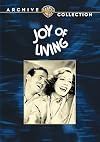
Though nearly forgotten for decades, this charming and enjoyable comedy/musical directed by Tay Garnett and starring Irene Dunne and Douglas Fairbanks Jr. is a little gem. RKO surrounded this good story by Dorothy and Herbert Fields with top production values and some pleasant songs penned by Jerome Kern and Dorothy Fields. The story is slight but quite charming, and becomes very funny the longer you stay with it.
Irene Dunne is Margaret Garret, a broadway and radio musical sensation mobbed show more at every turn by adoring fans. She is rescued from one of these mobs by Daniel Brewster (Fairbanks), a wealthy young shipping tycoon with his own island in the South Seas who has fallen for Margaret from afar. She, of course, promptly has the brash Daniel arrested as a masher! When he brings her to court and the judge is going to give him six months for doing what amounts to nothing, Margaret persuades the judge to go easy on him.
To her dismay, however, the judge uses a little known law to appoint her his probation officer, creating just the opportunity Daniel needs to show Margaret how to have fun. Margaret is all responsibility, supporting a family who have become much too dependent on her — and her considerable salary — which they squander as fast as she can earn it.
Dunne had starred in the best screen version of Show Boat and she does a nice job with some very pretty Jerome Kern melodies, including “Just Let Me Look at You” and “You Couldn't Be Cuter.” Lucille Ball portrays her sister, Salina, who is chomping at the bit to be in Margaret’s shoes, while Alice Brady and Guy Kibbee offer fine support as her mother and father. Her dad has no end of ingenious methods of sneaking liquor into every container in the house.
It is charming to watch Daniel’s enthusiasm for living life to the fullest wear down Margaret’s defenses. Recording their own song, having a drinking contest, and a wild time at a rollerskating rink make for fun viewing indeed. Dunne is a hoot as she constantly reminds everyone who'll listen that she is Margaret Garret and she can do as she pleases! But how to reconcile her family responsibilities and her own happiness?
The story by Dorothy and Herbert Fields resolves everything quite nicely and the final scene is very enjoyable. Because of the expensive RKO production values, Joy of Living was considered somewhat of a financial flop in 1938, coming as it did on the heels of Dunne's success in The Awful Truth with Cary Grant. Today, however, it is easy to appreciate it for the little gem it is rather than what it is not. A nice surprise for those who have never seen it. show less
Irene Dunne is Margaret Garret, a broadway and radio musical sensation mobbed show more at every turn by adoring fans. She is rescued from one of these mobs by Daniel Brewster (Fairbanks), a wealthy young shipping tycoon with his own island in the South Seas who has fallen for Margaret from afar. She, of course, promptly has the brash Daniel arrested as a masher! When he brings her to court and the judge is going to give him six months for doing what amounts to nothing, Margaret persuades the judge to go easy on him.
To her dismay, however, the judge uses a little known law to appoint her his probation officer, creating just the opportunity Daniel needs to show Margaret how to have fun. Margaret is all responsibility, supporting a family who have become much too dependent on her — and her considerable salary — which they squander as fast as she can earn it.
Dunne had starred in the best screen version of Show Boat and she does a nice job with some very pretty Jerome Kern melodies, including “Just Let Me Look at You” and “You Couldn't Be Cuter.” Lucille Ball portrays her sister, Salina, who is chomping at the bit to be in Margaret’s shoes, while Alice Brady and Guy Kibbee offer fine support as her mother and father. Her dad has no end of ingenious methods of sneaking liquor into every container in the house.
It is charming to watch Daniel’s enthusiasm for living life to the fullest wear down Margaret’s defenses. Recording their own song, having a drinking contest, and a wild time at a rollerskating rink make for fun viewing indeed. Dunne is a hoot as she constantly reminds everyone who'll listen that she is Margaret Garret and she can do as she pleases! But how to reconcile her family responsibilities and her own happiness?
The story by Dorothy and Herbert Fields resolves everything quite nicely and the final scene is very enjoyable. Because of the expensive RKO production values, Joy of Living was considered somewhat of a financial flop in 1938, coming as it did on the heels of Dunne's success in The Awful Truth with Cary Grant. Today, however, it is easy to appreciate it for the little gem it is rather than what it is not. A nice surprise for those who have never seen it. show less
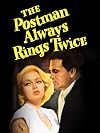
At the very first look at Lana Turner in this film, you'll immediately believe a man could kill for her. After that, things get so convoluted that this is far from a great film despite some memorable performances, notably from Turner. Garfield, of course, is one of the great tragic stories of cinema, dying from a heart attack at age 39. Few had his charisma, but he isn't really great in this film, mostly because of the character he plays, who seems to lack a center. The script is really show more pretty poor and lots of things happen for no good reason. As the ever-present DA, Ames is memorable--but not really in a good way. Hume Cronyn is much more effective as Turner's (Cora's) defense lawyer. He reminds me an awful lot of Charles Martin Smith for some reason--but sinister. As Turner's older husband, Kellaway is quite good, but he does grow tiring as the movie goes on. It's the script here that is really at fault. There is really no suspense and just too many stops and starts. I saw the Jack Nicholson-Jessica Lange version many years ago and now I need to see it again. Does it improve on this mess? show less
John Wayne 10-Film Collection (Seven Sinners, Pittsburgh, Reap the Wild Wind, The Conqueror, The Shepard of the Hills, The Spoilers, Jet Pilot, Hellfighters, The War Wagon, Rooster Gogburn) by Tay Garnett

Hellfighters: A team of firefighters that fight oil well fires and the women who love them. They live dangerous lives and the ladies they love must learn how to live with this. They do this finally in Venezuela where they cap five wells while under fire from insurgents. I give it three and a half stars.
Jet Pilot: A Russian spy lands in Alaska and seduces Col. Shannon in a honey trap. He falls for her and when she is found out, he marries her and runs off to Russia with her. Where he collects show more info for the US. A good old fashioned cold war romance. This I also give three and a half stars. show less
Jet Pilot: A Russian spy lands in Alaska and seduces Col. Shannon in a honey trap. He falls for her and when she is found out, he marries her and runs off to Russia with her. Where he collects show more info for the US. A good old fashioned cold war romance. This I also give three and a half stars. show less
Lists
Awards

You May Also Like


Associated Authors
Statistics
- Works
- 42
- Also by
- 1
- Members
- 399
- Popularity
- #60,804
- Rating
- 3.2
- Reviews
- 14
- ISBNs
- 28
- Languages
- 2