
Nancy Baker (1) (1944–)
Author of Kiss of the Vampire
For other authors named Nancy Baker, see the disambiguation page.
Series
Works by Nancy Baker
Chrysanthemum Shadows 1 copy
Associated Works
Northern Frights 1: Chilling tales by Robert Bloch, Charles De Lint, Steve Rasnic Tem, Tanya Huff, Garfield Reeves-Steve (1992) — Contributor — 13 copies
Tagged
Common Knowledge
- Birthdate
- 1944
- Gender
- female
- Short biography
- Nancy Baker blames her life-long love of horror and fantasy fiction on the first horror story she can remember: The Tale of Squirrel Nutkin by Beatrix Potter. She dabbled in rock and roll (writing lyrics and singing in basement bands during her university years) before switching to writing fiction. She made her first professional sale in 1988, to Rod Serling’s Twilight Zone magazine and has subsequently published 3 novels. She is at work (slowly, very slowly) on her fourth – which she claims has no vampires in it. By day, she makes her living as business manager for a large Canadian magazine publisher. She is happily married and has neither children nor cats.
- Nationality
- Canada
- Associated Place (for map)
- Canada
Members
Reviews
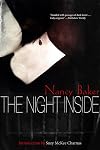
Nancy Baker's debut novel, first published back in 1994, has been re-issued by ChiZine, and good for them! Even if you don't generally read vampire novels -- which this is -- may I suggest you give it a try? If you like thrillers, if you like crime novels, if you like suspense with a bit of dark erotica, this might just be the book for you.
The back of the book says: "Dependable grad student Ardeth Alexander finds herself trapped in a nightmare as the unwilling blood source for a captive show more vampire. When she discovers that her fellow prisoner is not the worst monster she faces, she realizes the only way to survive is to make an irrevocable choice."
So, we're faced with a philosophical, moral choice at the start of the novel. Lovely. It might be any well-written dark thriller without this depth and complexity, which is fine so far as it goes, but Baker goes the extra mile. Although I found myself hurriedly turning pages and reading later into the evening that I'd planned (good things), on top of that pleasure, the story was consistently enhanced by this sort of intelligent reminder. What is one to do with eternity? What is a 'monster'? How does perspective alter morality? Very well done. I will go on to read the sequel -- BLOOD AND CHRYSANTHEMUMS-- at some point, and look forward to her new book, COLD HILLSIDE, to be published by Chizine in 2014. show less
The back of the book says: "Dependable grad student Ardeth Alexander finds herself trapped in a nightmare as the unwilling blood source for a captive show more vampire. When she discovers that her fellow prisoner is not the worst monster she faces, she realizes the only way to survive is to make an irrevocable choice."
So, we're faced with a philosophical, moral choice at the start of the novel. Lovely. It might be any well-written dark thriller without this depth and complexity, which is fine so far as it goes, but Baker goes the extra mile. Although I found myself hurriedly turning pages and reading later into the evening that I'd planned (good things), on top of that pleasure, the story was consistently enhanced by this sort of intelligent reminder. What is one to do with eternity? What is a 'monster'? How does perspective alter morality? Very well done. I will go on to read the sequel -- BLOOD AND CHRYSANTHEMUMS-- at some point, and look forward to her new book, COLD HILLSIDE, to be published by Chizine in 2014. show less
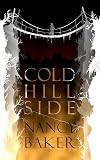
It's been a while since I encountered a book that I consciously found myself trying to read more slowly, because I just didn't want to find my time in the author's world to be over... but 'Cold Hillside' did this.
In presentation, I was reminded a bit of both Pauline Gedge and Guy Gavriel Kay (two of my favorite authors). Like those writers, here Baker eases us into a lovely, culturally rich, but sometimes harsh world. The story encompasses both the higher echelons of court politics and those show more quotidian dramas and decisions that can mean the world to those they affect.
There are two narrators, Teresine and her great-niece, Lilit.
Lilit is a typical teenager - willful and rebellious. She can't understand why her mother is so opposed to her going to the annual Fair, the one time when the people of her country see and trade with those of Faerie. But now that she's become an apprentice jewelry-crafter, her mother's word is no longer law. Lilit's trying to find her place in the world as an adult - but a drunken encounter at a tavern with a handsome young man who coyly hints at having a trace of Fey blood may lead to Lilit having to make adult decisions sooner than she was expecting. Her society has very harsh rules and customs concerning the Fey, which give her choices greater weight.
Teresine is treasured by Lilit, who loves her like a grandmother, but the past has always been something the older woman has refused to speak of. In her chapters, we learn what happened to her as a young woman. Sold by her parents into slavery, she escapes as a refugee and is brought north, 'adopted' as a confidante to the heiress to the throne. With difficulty, Teresine negotiates a new life, new customs, and the politics of a new land. And once, her position leads her to a dangerous obligation: a venture into the forbidden court of the Fey.
This is a rather slow-moving, deliberate book. Information is gradually revealed, carefully presented. The characters are finely drawn - I found myself fully involved in the lives of these two very different women, separated by generations and life experiences, but bound by bonds of love and blood. The depiction of Faerie is truly fey - magical and alien - and threads of Faerie entwine throughout the story, but the main focus remains the very human decisions that Teresine and Lilit must make.
Beautiful book. Highly recommended.
Many, many thanks to Netgalley and ChiZine for the opportunity to discover this author. As always, my opinions are unaffected by the source of the material. show less
In presentation, I was reminded a bit of both Pauline Gedge and Guy Gavriel Kay (two of my favorite authors). Like those writers, here Baker eases us into a lovely, culturally rich, but sometimes harsh world. The story encompasses both the higher echelons of court politics and those show more quotidian dramas and decisions that can mean the world to those they affect.
There are two narrators, Teresine and her great-niece, Lilit.
Lilit is a typical teenager - willful and rebellious. She can't understand why her mother is so opposed to her going to the annual Fair, the one time when the people of her country see and trade with those of Faerie. But now that she's become an apprentice jewelry-crafter, her mother's word is no longer law. Lilit's trying to find her place in the world as an adult - but a drunken encounter at a tavern with a handsome young man who coyly hints at having a trace of Fey blood may lead to Lilit having to make adult decisions sooner than she was expecting. Her society has very harsh rules and customs concerning the Fey, which give her choices greater weight.
Teresine is treasured by Lilit, who loves her like a grandmother, but the past has always been something the older woman has refused to speak of. In her chapters, we learn what happened to her as a young woman. Sold by her parents into slavery, she escapes as a refugee and is brought north, 'adopted' as a confidante to the heiress to the throne. With difficulty, Teresine negotiates a new life, new customs, and the politics of a new land. And once, her position leads her to a dangerous obligation: a venture into the forbidden court of the Fey.
This is a rather slow-moving, deliberate book. Information is gradually revealed, carefully presented. The characters are finely drawn - I found myself fully involved in the lives of these two very different women, separated by generations and life experiences, but bound by bonds of love and blood. The depiction of Faerie is truly fey - magical and alien - and threads of Faerie entwine throughout the story, but the main focus remains the very human decisions that Teresine and Lilit must make.
Beautiful book. Highly recommended.
Many, many thanks to Netgalley and ChiZine for the opportunity to discover this author. As always, my opinions are unaffected by the source of the material. show less
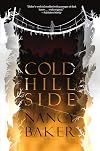
With Cold Hillside Nancy Baker managed to step away from the fae stereotype plaguing most of recent fantasy and paranormal books who depict a romanticized version of the fair folk: beautiful, mysterious, and a good romantic interest for the protagonist. Nancy Baker depicts a whole other version of the fae, which is much closer to the original legends and could be summarized by one sentence:
With them, there are no happy endings.
Yes, they are beautiful, but so is a coral snake or a poisonous show more flower, and both will kill you without pity or remorse. They are mysterious and alien and immortal, yes. They also consider us mortals as toys. Fascinating sometimes, but easily broken and discarded. I like this depiction of the fae better, maybe because that’s how they were portrayed in the fairy tales I grew up with.
But the fae are not the only reason I gave this book five stars. A book would be nothing without engaging characters and an interesting story, and Cold Hillside has both in heaps. Because while the fae are present in the book and have an important influence on the events, this story is about the mortal people.
I loved the depiction of Lushan, this big city clinging to the cold side of a mountain and whose inhabitants still manage to thrive in these unforgiving conditions. You can see that a lot of work had gone into creating this cold and unforgiving world and the culture of the people who live in it. But it’s masterfully inserted into the story itself, so that it never feels like an info dump. Lushan reminded me a little of Tibet, while Deshiniva where Teresine is from, would be more like India.
Speaking of Teresine and the other protagonist in this book, her great-grandniece Lilith, it’s rare that we get truly strong women as protagonists, so this book was an absolute treat! Way too often, I have come across “strong” heroines that constantly needed rescued by their male love interests. Or who were totally rude and lacking basic social skills.
Both Teresine and Lilith are strong and self-sufficient women the way I like them: they don’t rely on others to deal with their problems; they don’t waste time on bemoaning the unfairness of their condition; they accept the consequences of the often dire situations they find themselves in and manage to adapt and survive, and even carve a little bit of happiness and inner peace in the process.
It was refreshing to see them struggle and sometimes fail, but always get back up and keep on fighting. And it was refreshing to see the fae depicted not as good or bad, but just totally different.
And I won’t say another word about the story of Cold Hillside, because I want to avoid spoilers, and because the unraveling of the story is part of the delightful experience that is this book. But I would say that it’s definitely worth picking up for your holiday reads.
P.S. This review is for the advanced copy of the book I received from NetGalley. show less
With them, there are no happy endings.
Yes, they are beautiful, but so is a coral snake or a poisonous show more flower, and both will kill you without pity or remorse. They are mysterious and alien and immortal, yes. They also consider us mortals as toys. Fascinating sometimes, but easily broken and discarded. I like this depiction of the fae better, maybe because that’s how they were portrayed in the fairy tales I grew up with.
But the fae are not the only reason I gave this book five stars. A book would be nothing without engaging characters and an interesting story, and Cold Hillside has both in heaps. Because while the fae are present in the book and have an important influence on the events, this story is about the mortal people.
I loved the depiction of Lushan, this big city clinging to the cold side of a mountain and whose inhabitants still manage to thrive in these unforgiving conditions. You can see that a lot of work had gone into creating this cold and unforgiving world and the culture of the people who live in it. But it’s masterfully inserted into the story itself, so that it never feels like an info dump. Lushan reminded me a little of Tibet, while Deshiniva where Teresine is from, would be more like India.
Speaking of Teresine and the other protagonist in this book, her great-grandniece Lilith, it’s rare that we get truly strong women as protagonists, so this book was an absolute treat! Way too often, I have come across “strong” heroines that constantly needed rescued by their male love interests. Or who were totally rude and lacking basic social skills.
Both Teresine and Lilith are strong and self-sufficient women the way I like them: they don’t rely on others to deal with their problems; they don’t waste time on bemoaning the unfairness of their condition; they accept the consequences of the often dire situations they find themselves in and manage to adapt and survive, and even carve a little bit of happiness and inner peace in the process.
It was refreshing to see them struggle and sometimes fail, but always get back up and keep on fighting. And it was refreshing to see the fae depicted not as good or bad, but just totally different.
And I won’t say another word about the story of Cold Hillside, because I want to avoid spoilers, and because the unraveling of the story is part of the delightful experience that is this book. But I would say that it’s definitely worth picking up for your holiday reads.
P.S. This review is for the advanced copy of the book I received from NetGalley. show less
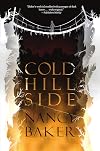
The Euskalans are a matriarchal society that must pay tribute to the Fey every year at a faire. Teresine was a Deshiniva slave girl in Jayasita when she escapes by stowing away on the boat of the Euskalan’s ruler’s daughter, Sarit. She becomes extremely close to the ruling family. Teresine’s, and her family’s, story unfolds from there.
I can’t really say anything else about the story without giving too much away. What I can say is that this isn’t an action story or even a quest show more narrative. It’s simply the story of Teresine’s life and how her interactions with the Fey cause unforeseen consequences for her family. The only thing that even makes this a Fantasy story is the inclusion of the Fey, though it is a different world with many vaguely Asian elements. If anything, I found the combination interesting. However, the story itself was a bit predictable, the main issue was too easily resolved in a very uncontroversial way despite the issue’s extreme controversy in reality, and the pacing was slow. Also, I got the impression that the matriarchal society was “superior”. Even though the Euskalans did seem to have a better life, especially compared to the life that Teresine lived while she was in Jayasita, the only power that the men seem to have is that they are able to choose their partners. They don’t have any power within the government, and though the women’s choice of whether or not to have a family is an admirable aspect, I don’t agree that any form of society where the genders aren’t completely equal is superior. The Euskalan society is just a reversal of gender roles with the added benefit of a lack of double standards in regards to sex and relationships. It was believable, but not Feminist.
Because of this book’s emphasis on the women’s story, a female-centric part of a much larger world, and a plot that reads like a Lifetime movie, along with the fact that men don’t have much of a voice, I can only recommend it to those who prefer that type of story and/or brand of “Feminism”. show less
I can’t really say anything else about the story without giving too much away. What I can say is that this isn’t an action story or even a quest show more narrative. It’s simply the story of Teresine’s life and how her interactions with the Fey cause unforeseen consequences for her family. The only thing that even makes this a Fantasy story is the inclusion of the Fey, though it is a different world with many vaguely Asian elements. If anything, I found the combination interesting. However, the story itself was a bit predictable, the main issue was too easily resolved in a very uncontroversial way despite the issue’s extreme controversy in reality, and the pacing was slow. Also, I got the impression that the matriarchal society was “superior”. Even though the Euskalans did seem to have a better life, especially compared to the life that Teresine lived while she was in Jayasita, the only power that the men seem to have is that they are able to choose their partners. They don’t have any power within the government, and though the women’s choice of whether or not to have a family is an admirable aspect, I don’t agree that any form of society where the genders aren’t completely equal is superior. The Euskalan society is just a reversal of gender roles with the added benefit of a lack of double standards in regards to sex and relationships. It was believable, but not Feminist.
Because of this book’s emphasis on the women’s story, a female-centric part of a much larger world, and a plot that reads like a Lifetime movie, along with the fact that men don’t have much of a voice, I can only recommend it to those who prefer that type of story and/or brand of “Feminism”. show less
Awards

You May Also Like


Associated Authors
Statistics
- Works
- 6
- Also by
- 3
- Members
- 528
- Popularity
- #47,120
- Rating
- 3.7
- Reviews
- 16
- ISBNs
- 36
- Languages
- 5