
Robin S. Doak
Author of Malala Yousafzai (True Books: Biographies)
About the Author
Robin Doak, a former editor of Weekly Reader and U.S. Kids magazine, has 18 years of experience writing for children. She has written more than 35 books for young readers on various subjects, including history, geography, and science.
Series
Works by Robin S. Doak
Galileo: Astronomer and Physicist (Signature Lives: Scientific Revolution) (2005) 21 copies, 1 review
Voices from Colonial America: New Jersey: 1609-1776 (National Geographic Voices from ColonialAmerica) (2005) 20 copies
Conflicts in Iraq and Afghanistan (World Almanac Library: Wars That Changed American History) (2006) 18 copies
Voices from Colonial America: South Carolina 1540-1776 (National Geographic Voices from ColonialAmerica) (2007) 17 copies
Thomas "Stonewall" Jackson: Confederate General (Signature Lives: Civil War Era) (2005) 10 copies, 1 review
Assassination at Sarajevo: The Spark That Started World War I (Snapshots in History) (2009) 10 copies
Diana Princess of Wales 1 copy
Citizenship 1 copy
Cuerpo Humano 1 copy
Tagged
Common Knowledge
- Legal name
- Doak, Robin Santos
- Birthdate
- 1963-09-14
- Gender
- female
- Places of residence
- Portland, Connecticut, USA
- Associated Place (for map)
- Connecticut, USA
Members
Reviews
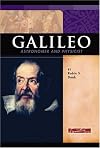
An excellent introduction to and overview of Galileo's life and work. This book is heftier than it looks at first blush, and is beautifully illustrated. And Doak is skilled at blending history with science, and humanizes Galileo with her use of anecdotes and quotes.
I have loved the story of his older daughter, Virginia (later Sister Maria Celeste), since reading Dava Sobel's "Galileo's Daughter," and this book includes wonderful information about her relationship with her father -- the show more fact, for instance, that biological sisters were not supposed to be placed in the same convent together, but that Galileo pulled some strings so that Virginia and her sister Livia would be allowed to be together. And Doak includes this beautiful quote from a letter Virginia wrote after Galileo was freed from prison and allowed to live out the rest of his life under house arrest:
"There are two pigeons in the dovecote waiting for you to come and eat them; there are beans in the garden waiting for you to pick them. ...When you were in Rome, I said to myself: 'If he were only at Siena!' Now that you are at Siena [where Galileo was staying with a sympathetic archbishop] I say: 'If only he were at home! But God's will be done."
But this book's main focus is, of course, how Galileo pretty much invented the idea that science ought to be about testing, experimenting, and observing, rather than obediently accepting logical ideas that have been passed down by (admittedly brilliant) thinkers.
An outstanding book for intelligent readers of all ages. show less
I have loved the story of his older daughter, Virginia (later Sister Maria Celeste), since reading Dava Sobel's "Galileo's Daughter," and this book includes wonderful information about her relationship with her father -- the show more fact, for instance, that biological sisters were not supposed to be placed in the same convent together, but that Galileo pulled some strings so that Virginia and her sister Livia would be allowed to be together. And Doak includes this beautiful quote from a letter Virginia wrote after Galileo was freed from prison and allowed to live out the rest of his life under house arrest:
"There are two pigeons in the dovecote waiting for you to come and eat them; there are beans in the garden waiting for you to pick them. ...When you were in Rome, I said to myself: 'If he were only at Siena!' Now that you are at Siena [where Galileo was staying with a sympathetic archbishop] I say: 'If only he were at home! But God's will be done."
But this book's main focus is, of course, how Galileo pretty much invented the idea that science ought to be about testing, experimenting, and observing, rather than obediently accepting logical ideas that have been passed down by (admittedly brilliant) thinkers.
An outstanding book for intelligent readers of all ages. show less
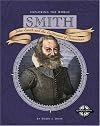
Very quick book, but with a lot of good information. Having read some of John Smith's actual travel writing this book was nifty for filling in life details that aren't included in his travel narratives. Definitely worth a read
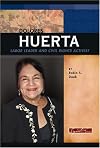
This is an excellent biography to teach about activism and specifically, the United Farm Workers movement. This book is full of photographs, sidebars, maps, timelines, as well as engaging stories throughout the text to add to the biography of her life and her cause.
Dolores Huerta's tenacity makes her a great leader for students to learn about. I think its crucial that students learn about this movement in addition to the Civil Rights movement in order to draw conclusions about the time show more period and the struggle for justice. I also feel that I would be more likely to choose this biography over one about Cesar Chavez (there are significant mentions of his contributions in this book) because she just as important as Chavez but is less known, likely because she is a woman.
The most disheartening part of this book is the end, when there are quotes from Huerta in her old age commenting on how today many migrant workers face many of the same disparaging conditions that they faced 50 years earlier. Yet, even in this realization she maintains her optimistic tone, her faith in people and the belief that we can overcome injustice. In this vain, this is a very strong message to send to students today- that many inequalities exist, and that the fight for rights is not a thing of the past.
There were a few powerful quotes that I wanted to point out:
The first is from Dolores remembering something her mother on page 40, "When you see something that needs to be done, especially someone who needs help, you have to help them. And don't expect any compensation or rewards for what you've done because what you're doing is a reward in itself."
and the second is from Lori, Dolores' daughter, recounting a similar comment made by her mother on page 67: "Giving kids clothes and food is one thing you know, but its much more important to teach them that other people besides themselves are important, and that the best thing they can do with their lives is to use them in the service of other people."
The theme of sacrifice underlines the story of Dolores Huerta, and makes this a very powerful book for readers of any age. show less
Dolores Huerta's tenacity makes her a great leader for students to learn about. I think its crucial that students learn about this movement in addition to the Civil Rights movement in order to draw conclusions about the time show more period and the struggle for justice. I also feel that I would be more likely to choose this biography over one about Cesar Chavez (there are significant mentions of his contributions in this book) because she just as important as Chavez but is less known, likely because she is a woman.
The most disheartening part of this book is the end, when there are quotes from Huerta in her old age commenting on how today many migrant workers face many of the same disparaging conditions that they faced 50 years earlier. Yet, even in this realization she maintains her optimistic tone, her faith in people and the belief that we can overcome injustice. In this vain, this is a very strong message to send to students today- that many inequalities exist, and that the fight for rights is not a thing of the past.
There were a few powerful quotes that I wanted to point out:
The first is from Dolores remembering something her mother on page 40, "When you see something that needs to be done, especially someone who needs help, you have to help them. And don't expect any compensation or rewards for what you've done because what you're doing is a reward in itself."
and the second is from Lori, Dolores' daughter, recounting a similar comment made by her mother on page 67: "Giving kids clothes and food is one thing you know, but its much more important to teach them that other people besides themselves are important, and that the best thing they can do with their lives is to use them in the service of other people."
The theme of sacrifice underlines the story of Dolores Huerta, and makes this a very powerful book for readers of any age. show less
Voices from Colonial America: California 1542-1850 (National Geographic Voices from ColonialAmerica) by Robin Doak
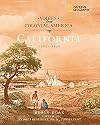
"Voices from Colonial America: California 1542-1850" is an excellent expository book packed with primary sources. The historical periods covered span from the mid-1500's to the beginning of the Gold Rush and statehood. In the chapters "Life at the Missions" , "Presidios and Pueblos" and "Life in Mexican California", author Robin Doak makes an extremely complicated society (with its patronage system and interrelated groups) make sense. The book includes historical maps and images, timelines, show more and resources. Although the text is clearly written and would not be overwhelming for a fourth grader, on page 50, one of the historic letters from the head of the San Diego mission includes a comment about rape: "Very many of them [the soldiers] deserve to be hanged on account of the continuous outrages which they are committing in seizing and raping the [Indian] women". Teachers will need to decide whether this sensitive material would be too disturbing for their students. show less
Lists
Awards


You May Also Like


Associated Authors
Statistics
- Works
- 94
- Members
- 1,482
- Popularity
- #17,330
- Rating
- 3.8
- Reviews
- 14
- ISBNs
- 214
- Languages
- 1
- Favorited
- 1